中文English
ISSN 1001-5256 (Print)
ISSN 2097-3497 (Online)
CN 22-1108/R
Vol.42 No.7 (309 in total) Jul. 2026

Theme Issue: Ultrasound Diagnosis and Treatment of Hepatocellular Carcinoma: Current Status,Challenges and Future Prospects

Executive Chief Editor: Huang Pintong

The Second Affiliated Hospital of Zhejiang University School of Medicine


Display Method:
Editorial
Ultrasound diagnosis and treatment of hepatocellular carcinoma: A new journey towards precision and intelligence
Jifan Chen, Qing Wen, Pintong Huang
2026, 42(7): 1489-1492. DOI: 10.12449/JCH260701
Abstract(70) HTML (20) PDF (603KB)(22)
Abstract:
Hepatocellular carcinoma (HCC) is a highly prevalent malignant tumor in China, and minimally invasive local intervention has become the core curative treatment for early- and intermediate-stage HCC. Leveraging its advantages of noninvasiveness, real-time operation, and bedside accessibility, ultrasound plays a pivotal role throughout the entire clinical pathway of screening for high-risk populations, qualitative diagnosis of focal lesions, ablation guidance, and efficacy monitoring throughout the entire post-treatment course. In this theme issue of Journal of Clinical Hepatology titled “Ultrasound diagnosis and treatment of hepatocellular carcinoma: Current status, challenges, and future prospects”, six leading experts in the field of ultrasound from China have been invited to contribute to a series of expert forums, systematically addressing the research hotspots, current bottlenecks, and translational pathways in this field from six key dimensions of integrated diagnosis and treatment in primary care, early differential diagnosis, intelligent imaging technologies, precision interventional ablation, standardized assessment of ablation efficacy, and bibliometric analysis and emerging techniques of contrast-enhanced ultrasound. With reference to the core viewpoints of the six reviews, this article provides a stratified commentary on the main trajectories of precise and intelligent development in HCC ultrasound, identifies key breakthroughs and unresolved challenges across various directions, and envisions a new landscape of multi-technological integration and collaborative clinical translation.
Expert Forum
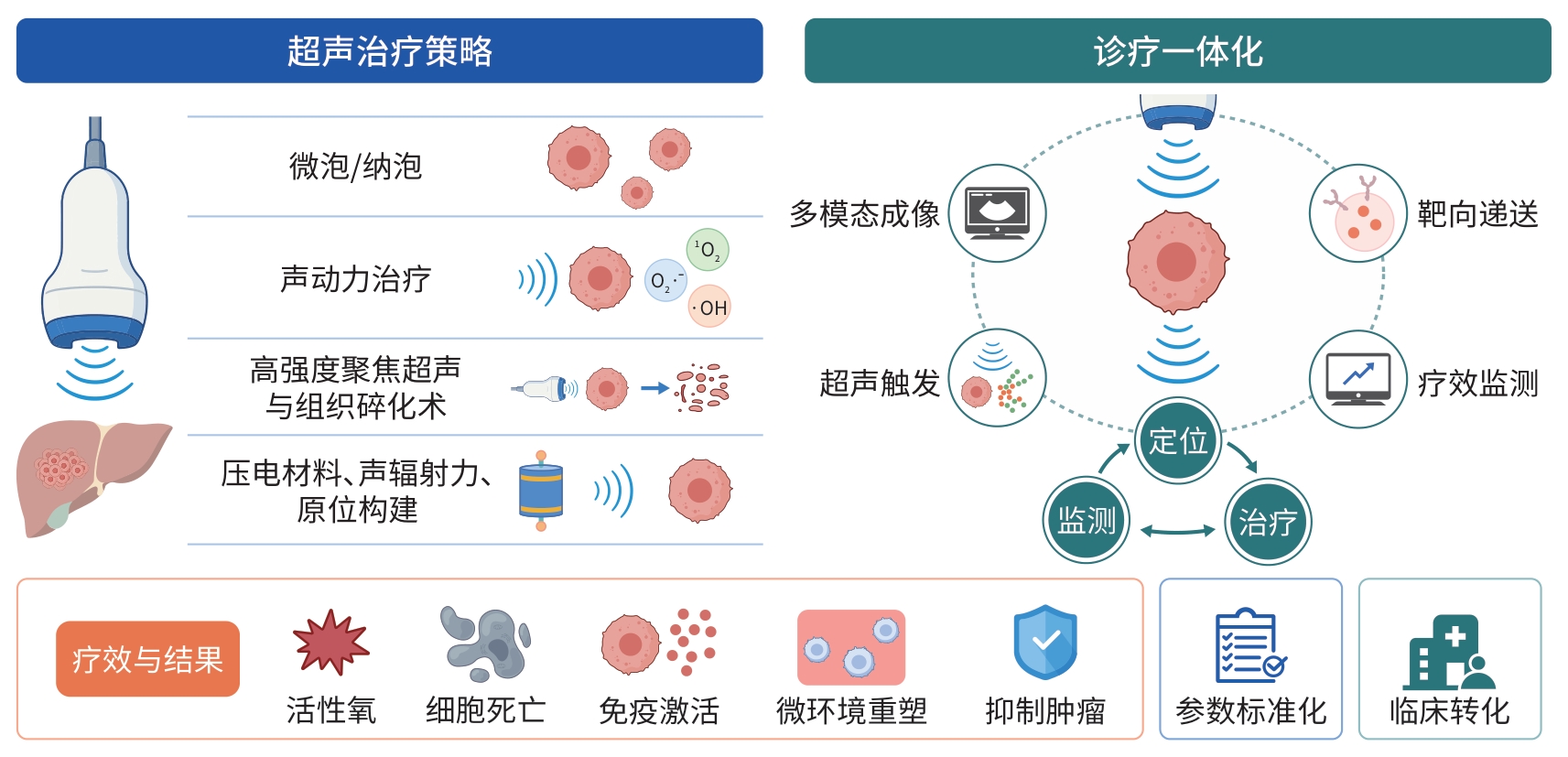
Advances in basic research on ultrasound diagnosis and treatment of hepatocellular carcinoma: From diagnosis and treatment to integrated management
Sirui Wang, Weiqi Gu, Yuting Shen, Haohao Yin, Huixiong Xu
2026, 42(7): 1493-1500. DOI: 10.12449/JCH260702
Abstract:
The precise diagnosis and treatment of hepatocellular carcinoma (HCC) face major challenges such as the complexity of tumor microenvironment, treatment resistance, and a high risk of recurrence and metastasis. In recent years, ultrasound technology has moved beyond its traditional role in screening and localization, gradually evolving into a multidimensional therapeutic platform capable of energy activation, targeted delivery, local ablation, immune modulation, and therapeutic feedback. This article systematically reviews the latest advances in the basic research on ultrasound techniques in HCC treatment and integrated management. In terms of treatment, intervention strategies represented by microbubble/nanobubble-mediated delivery, sonodynamic therapy, high-intensity focused ultrasound, and histotripsy not only enable in situ physical destruction of lesions, but also effectively reverse tumor immune tolerance networks through deep synergy with sonogenetics, metabolic reprogramming, and immunochemotherapy. In terms of integrated management, novel sonosensitive nanodelivery systems provide a platform for energy activation and targeted controlled release. To address the translational bottlenecks in this field, it is recommended to develop standardized consensus on preclinical therapeutic ultrasound parameters, in order to establish a new translational paradigm for individualized precise diagnosis and treatment of HCC.
Strategies for the application of ultrasound in early and differential diagnosis of hepatocellular carcinoma
Jiawei Hu, Yukun Luo
2026, 42(7): 1501-1506. DOI: 10.12449/JCH260703
Abstract(77) HTML (30) PDF (654KB)(20)
Abstract:
Hepatocellular carcinoma (HCC) often has an insidious onset, and early diagnosis and accurate differential diagnosis are critical for improving the prognosis of patients. Ultrasound remains an important radiological examination for the screening and initial assessment of high-risk populations due to its advantages of convenience, real-time monitoring, repeatability, and suitability for dynamic follow-up. With the development of ultrasound technologies in recent years, the application of ultrasound in HCC has gradually expanded from lesion detection to lesion characterization, differential diagnosis, and prognostic evaluation. With reference to the clinical needs for the early and differential diagnosis of HCC, this article reviews the application value, clinical localization, and limitations of gray-scale ultrasound, Doppler ultrasound, and contrast-enhanced ultrasound in HCC, with a focus on their application in the evaluation and differential diagnosis of small HCC. It highlights that comprehensive evaluation should be performed based on liver background, lesion morphology, blood flow features, enhancement patterns, and dynamic changes during follow-up, so as to improve the early and differential diagnosis of HCC.
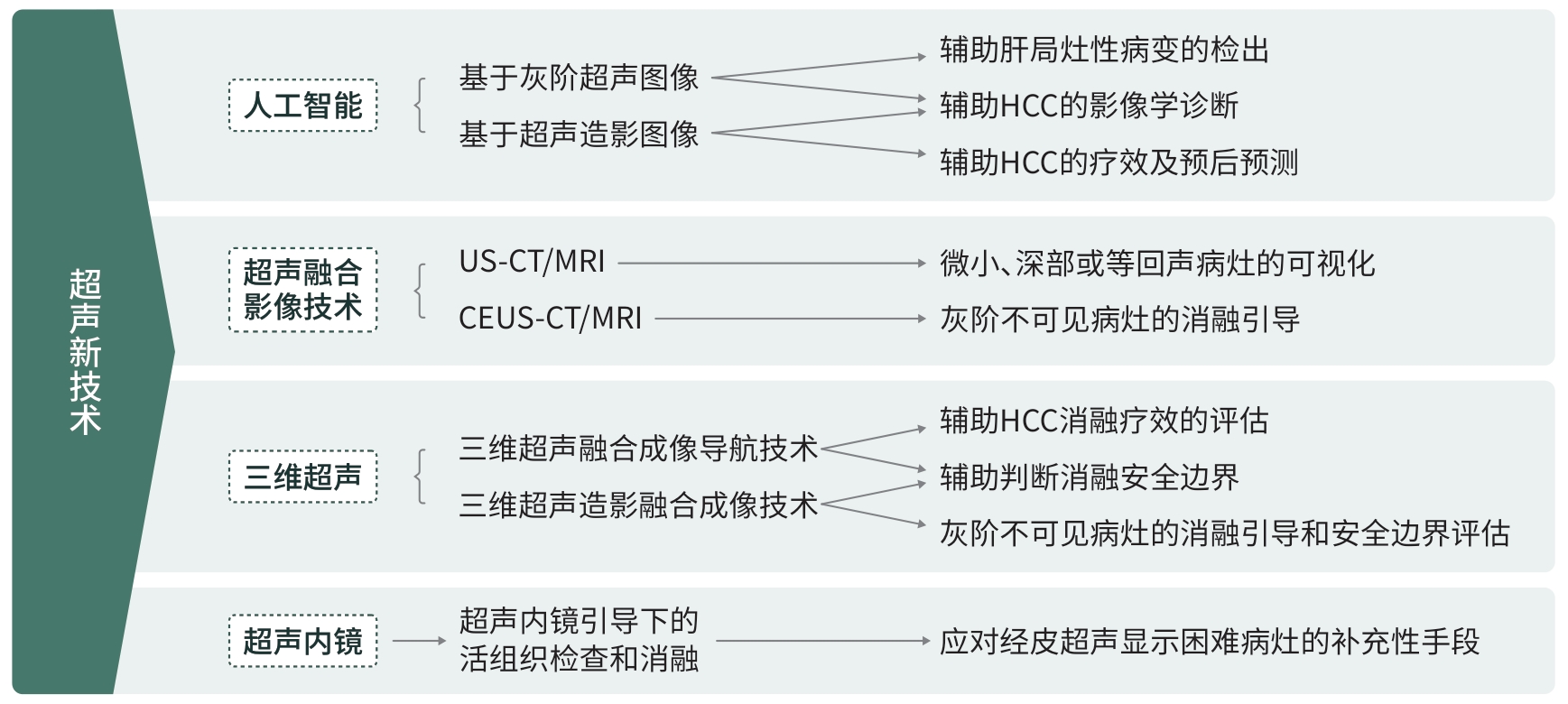
Current application and prospects of new ultrasound technologies in the diagnosis and treatment of hepatocellular carcinoma
Sijia Lin, Lingling Li, Jianhua Zhou
2026, 42(7): 1507-1512. DOI: 10.12449/JCH260704
Abstract(63) HTML (19) PDF (678KB)(19)
Abstract:
As a common type of primary liver cancer, hepatocellular carcinoma (HCC) is a major health threat in China. Ultrasound is a crucial imaging modality in the clinical diagnosis and treatment of HCC, and the development and application of new ultrasound technologies have high clinical value. Currently, ultrasound and contrast-enhanced ultrasound combined with artificial intelligence have shown promising potential in the detection of focal liver lesions, image-based HCC diagnosis, outcome assessment, and prognostic prediction; furthermore, ultrasound fusion imaging technology has shown certain clinical value in guidance and efficacy evaluation of percutaneous thermal ablation; three-dimensional ultrasound has certain advantages in assisting ablation and assessing ablation margins; endoscopic ultrasonography can be used as a supplementary method for HCC cases that are difficult to scan or guide via percutaneous ultrasound.
Application of contrast-enhanced ultrasound in the full-course management of precise locoregional diagnosis and treatment for hepatocellular carcinoma
Yan Zhou, Jianmin Ding, Xiang Jing
2026, 42(7): 1513-1518. DOI: 10.12449/JCH260705
Abstract(73) HTML (30) PDF (671KB)(18)
Abstract:
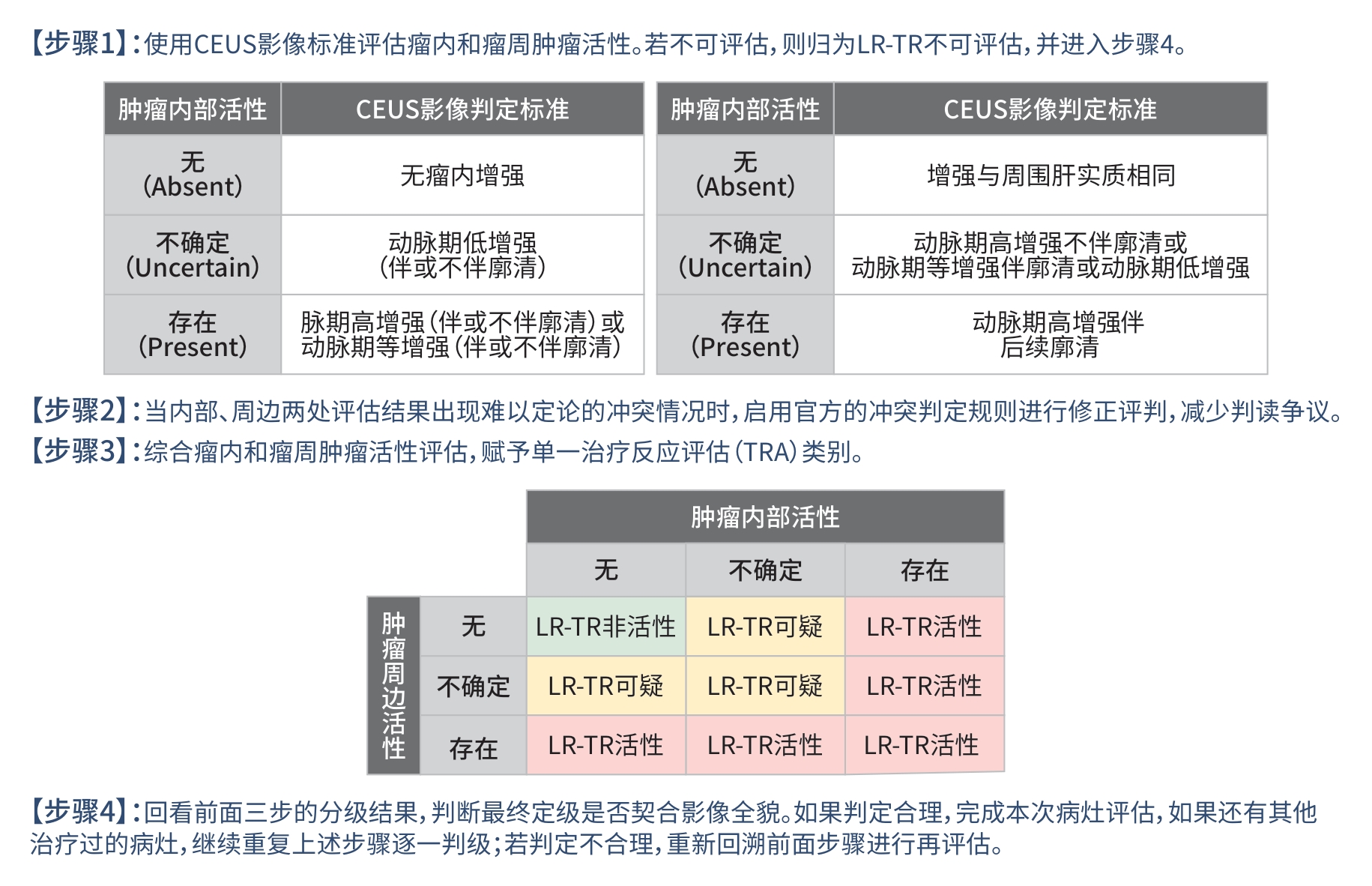
Hepatocellular carcinoma (HCC) is one of the major malignancies with the heaviest disease burden in China. Many patients have lost the opportunity for radical surgical resection at the time of diagnosis, with locoregional interventional therapy playing an increasingly important role in full-course HCC management. Contrast-enhanced ultrasound (CEUS) enables real-time dynamic assessment of tumor microvascular perfusion and has several practical advantages including bedside availability, no ionizing radiation, and repeatability, and its role has therefore expanded from an adjunctive diagnostic method to the full-course management of precise locoregional diagnosis and treatment for HCC. Before treatment, CEUS can assist in the qualitative diagnosis of lesions, lesion localization, delineation of the viable tumor, and planning of the puncture route, especially for lesions that are poorly visualized on conventional ultrasound. During and after treatment, CEUS can help to detect residual viable tumor, related complications, and local tumor progression, thereby providing a basis for additional ablation, transcatheter arterial chemoembolization, or adjustment of combined treatment strategies. In recent years, the CEUS LI-RADS treatment response assessment system has provided a standardized framework for evaluating response after locoregional therapy, and in addition, the development of unimodal and multimodal fusion imaging techniques has further promoted the standardized application of CEUS in precise locoregional therapy for HCC. As increasing attention is paid to the ablation margin, the goal of response evaluation for local ablation has shifted from “the achievement of imaging-defined complete ablation” to a new treatment paradigm of “no contrast-enhanced imaging, no ablation; no fusion imaging, no curative ablation”. This article reviews the technical advantages, clinical application value, treatment response assessment, fusion imaging strategies, and current limitations of CEUS in locoregional interventional diagnosis and treatment of HCC, in order to provide a reference for the individualized and precise management of HCC.
Application and progress of ultrasound in treatment response assessment after ablation for hepatocellular carcinoma
Qingxin Li, Jie Li, Dezhi Zhang
2026, 42(7): 1519-1525. DOI: 10.12449/JCH260706
Abstract(63) HTML (16) PDF (704KB)(17)
Abstract:
Accurate assessment of treatment response after local ablation is of great importance for detecting residual viable tumor, evaluating ablative margins, and guiding subsequent follow-up and monitoring in patients with hepatocellular carcinoma (HCC). Contrast-enhanced computed tomography and magnetic resonance imaging are currently the main imaging modalities for post-ablation evaluation, but have certain limitations in real-time imaging, intraoperative application, and repeatability. Ultrasound, especially contrast-enhanced ultrasound (CEUS), can be used throughout the entire process of ablation therapy for HCC due to its advantages of real-time visualization of microvascular perfusion, no ionizing radiation, and repeatability, thereby playing an important role in detecting residual viable tumor, assessing immediate treatment response, and monitoring patients during follow-up. This article reviews the pathological basis and major endpoints of treatment response assessment after thermal ablation for HCC, with a focus on the clinical application of ultrasound techniques and the Contrast-Enhanced Ultrasound Liver Imaging Reporting and Data System Treatment Response Algorithm. In addition, it discusses the future development directions of multimodal imaging, quantitative assessment, and standardized evaluation, in order to provide a reference for further optimizing the treatment response assessment system for HCC after ablation.
Research hotspots and advances in contrast-enhanced ultrasound for hepatocellular carcinoma
Wenfei Hou, Jiajia Tang, Meng Yang
2026, 42(7): 1526-1531. DOI: 10.12449/JCH260707
Abstract(70) HTML (21) PDF (709KB)(19)
Abstract:
Hepatocellular carcinoma (HCC) is the most common type of primary liver cancer and has a poor overall prognosis. Contrast-enhanced ultrasound (CEUS) plays a crucial role in the diagnosis, treatment response evaluation, and prognostic evaluation of HCC. This article systematically reviews the literature characteristics, research hotspots, and frontier advances of CEUS in the field of HCC. There has been a gradual increase in annual publication volume in this field, with China ranking first globally in the total number of publications. Highly cited articles mainly focus on clinical guidelines and standardized protocols. Keyword analysis shows that the main research hotspots in this field include the diagnosis and standardized assessment of HCC, differential diagnosis, treatment response evaluation after local therapy, and prognostic prediction. Meanwhile, microvascular invasion, artificial intelligence (AI), and super-resolution ultrasound (SRUS) may be emerging as cutting-edge frontiers in this field. Specifically, AI can be used for the auxiliary diagnosis of HCC, the evaluation of tumor biological characteristics, and prognostic prediction, and SRUS can overcome the acoustic diffraction limit to achieve precise microvascular imaging of the liver. Currently, a solid foundation has been established for the research on CEUS in HCC, showing a strong orientation toward clinical practice. In the future, emerging technologies such as CEUS-based AI models and SRUS are expected to further promote the development of precise diagnosis and treatment for HCC.
Hotspot·Perspective·Viewpoint
Multidimensional diagnostic biomarkers for functional cure of chronic hepatitis B
Heming Sun, Fei Kong, Xingyu Wang, Junqi Niu, Yanhang Gao
2026, 42(7): 1532-1540. DOI: 10.12449/JCH260708
Abstract(93) HTML (20) PDF (715KB)(34)
Abstract:
Chronic hepatitis B (CHB) is a significant public health issue worldwide. The persistent presence of covalently closed circular DNA of the hepatitis B virus (HBV) and the integration of the viral genome are the main obstacles limiting the achievement of virological cure in CHB. Functional cure has now become an important goal in antiviral therapy for CHB, and its accurate determination and efficacy prediction rely on a comprehensive assessment of multidimensional diagnostic markers. This article systematically reviews the research advances in diagnostic markers associated with functional cure in CHB, focusing on the clinical value of serological and virological indicators (HBsAg quantification and HBV DNA), genomic, transcriptomic, proteomic, and metabolomic markers, and indicators associated with host innate immunity and adaptive immunity. Furthermore, it discusses future research directions such as the establishment of unified detection standards and the construction of predictive models combining multiple markers, in order to promote the precise assessment and individualized management of functional cure in CHB.
Guideline
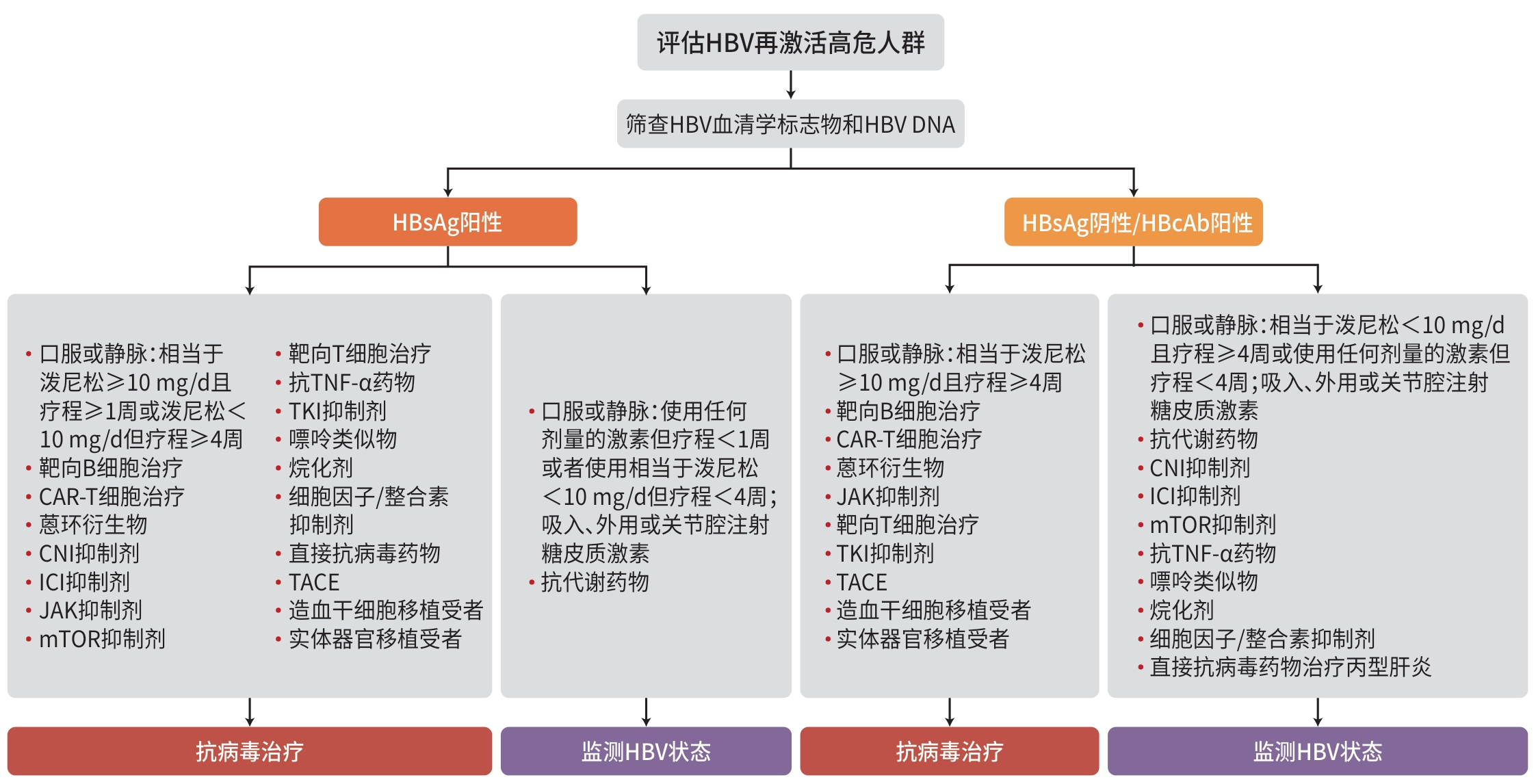
Guidelines on the prevention and treatment of hepatitis B virus reactivation in high-risk populations in China (Version 2026)
National Medical Center for Infectious Diseases, Society of Infectious Diseases, Chinese Medical Association, Editorial Committee of Chinese Journal of Infectious Diseases
2026, 42(7): 1541-1550. DOI: 10.12449/JCH260709
Abstract(147) HTML (38) PDF (858KB)(63)
Abstract:
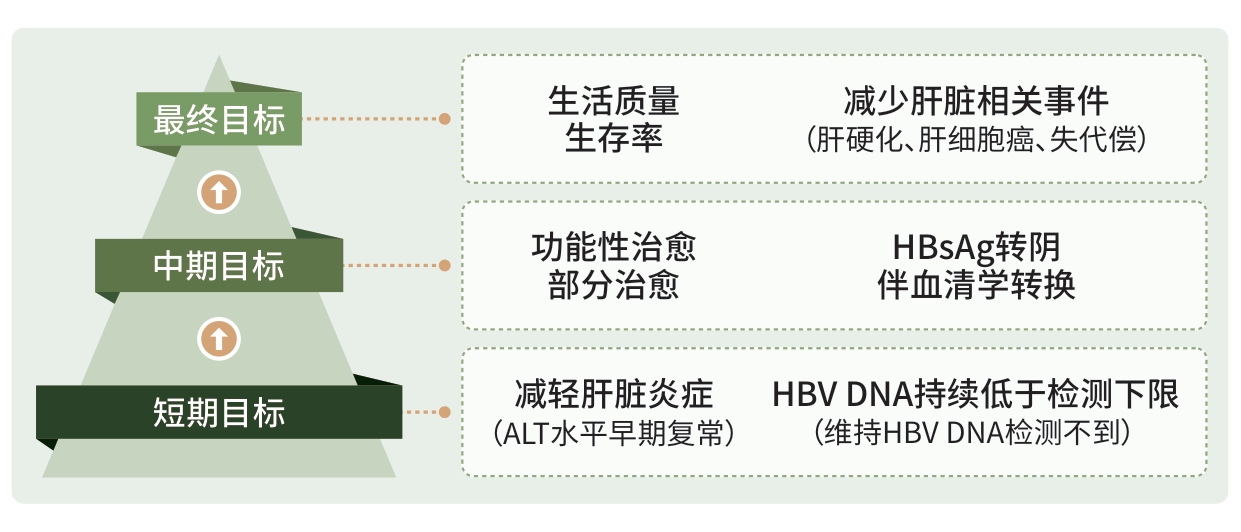
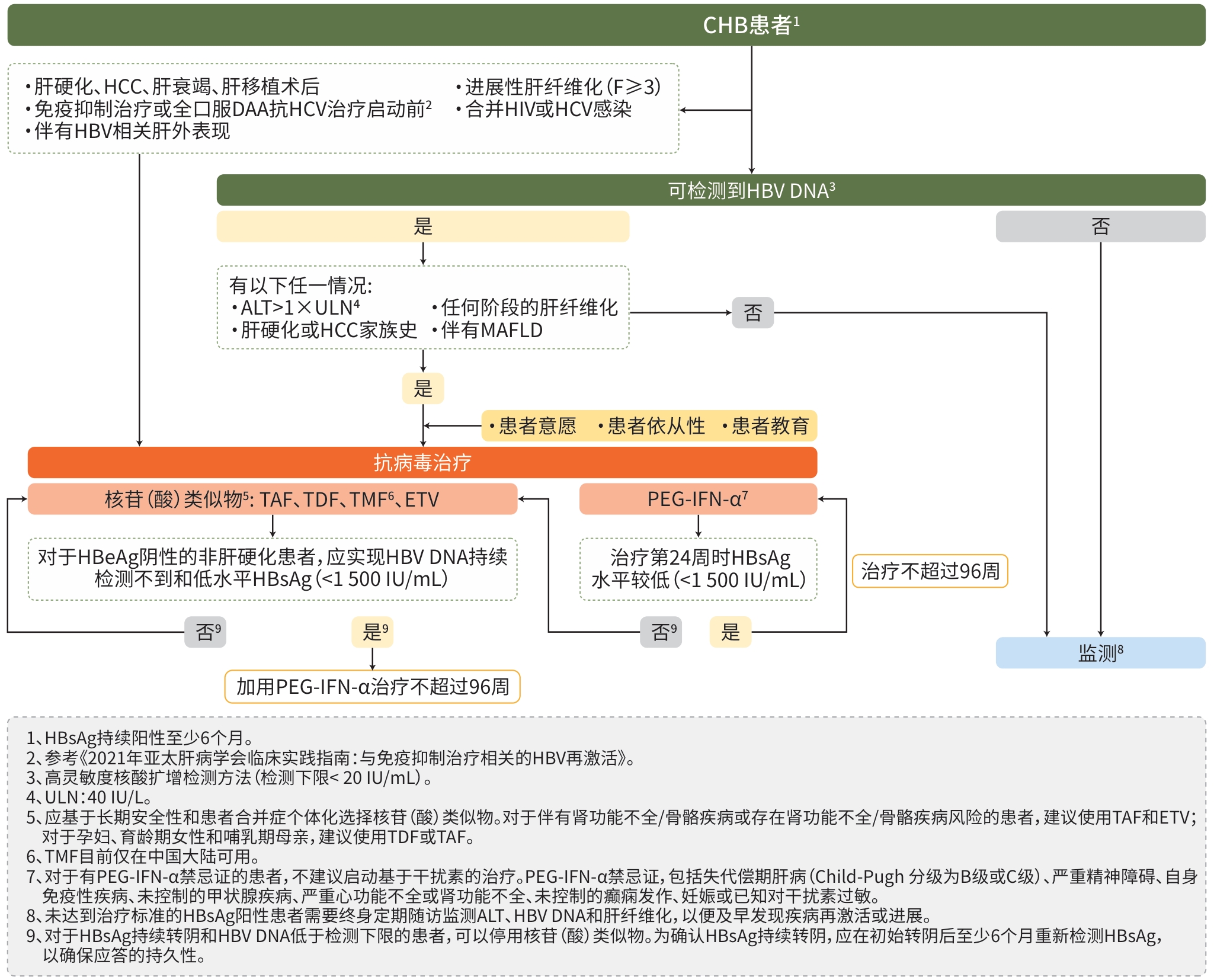
In the context of immunosuppression, high-risk populations may develop hepatitis B virus (HBV) reactivation, leading to active hepatitis and even liver failure, which poses a threat to life. The initiation timing of prophylactic anti-HBV therapy is a frequent clinical challenge. This guideline aims to provide evidence-based practice recommendations for the management of HBV reactivation in high-risk populations in China.
Expert consensus on clinical application of camrelizumab combined with apatinib in the treatment of hepatocellular carcinoma
Expert Committee for Liver Cancer, Chinese Society of Clinical Oncology, Expert Committee on Safety Management of Anti-Tumor Drugs, Chinese Society of Clinical Oncology
2026, 42(7): 1551-1560. DOI: 10.12449/JCH260710
Abstract(97) HTML (52) PDF (811KB)(28)
Abstract:
Camrelizumab combined with apatinib has been approved by the National Medical Products Administration (NMPA) as a first-line therapeutic regimen for hepatocellular carcinoma (HCC), and a wealth of clinical research evidence and practical experience associated with liver cancer has been accumulated to date. To guide the rational and effective clinical administration of camrelizumab combined with apatinib for HCC treatment, Expert Committee for Liver Cancer and Expert Committee on Safety Management of Anti-Tumor Drugs, Chinese Society of Clinical Oncology, jointly organized multidisciplinary experts and scholars specializing in liver cancer and related disciplines nationwide. This expert consensus has been formulated after thorough discussions and repeated revisions, in order to provide standardized and evidence-based clinical guidance for clinicians.
An excerpt of APASL clinical practice guidelines on the management of chronic hepatitis B infection: A 2026 update
Shi Liu, Wanying Liang, Jianlu Wang, Yidan Chen, Jinghua Chen, Jian Sun
2026, 42(7): 1561-1567. DOI: 10.12449/JCH260711
Abstract(94) HTML (33) PDF (866KB)(24)
Abstract:
On June 27, 2026, the Asian Pacific Association for the Study of the Liver (APASL) released updated management guidelines for chronic HBV infection, which systematically elaborates on screening, vaccination, antiviral treatment, and hepatocellular carcinoma surveillance and other aspects in 13 key areas, and provides comprehensive recommendations. This article summarizes and makes an excerpt of the key recommendations from the updated guidelines.
An excerpt of ACR appropriateness criteria® for chronic pancreatitis (2026)
Yuhao Liu, Liang Zhu, Xiaoqing Li, Aiming Yang
2026, 42(7): 1568-1571. DOI: 10.12449/JCH260712
Abstract(71) HTML (25) PDF (524KB)(22)
Abstract:
The American College of Radiology recently published the appropriateness criteria for initial imaging assessment of chronic pancreatitis (CP) and acute inflammation superimposed on CP (ACP). These criteria systematically elaborate on the role of various imaging modalities in diagnosing CP and ACP, assessing disease severity, identifying underlying causes, and evaluating complications, in order to provide guidance for effective management of CP patients through early and accurate imaging techniques and with reference to clinical and laboratory assessments. This article gives an excerpt of the key statements from the criteria.
Guideline Interpretation
Interpretation of guidelines for the diagnosis and treatment of primary liver cancer (2026 edition)
Yanbin Ni, Jiye Zhu, Zhao Li
2026, 42(7): 1572-1575. DOI: 10.12449/JCH260713
Abstract(156) HTML (36) PDF (572KB)(76)
Abstract:
In April 2026, the National Health Commission of the People’s Republic of China released Guidelines for the diagnosis and treatment of primary liver cancer (2026 edition). This edition incorporates an independent chapter of “prevention, screening, and monitoring” to build a hierarchical and precise prevention and control system, establishes a comprehensive therapeutic paradigm targeting surgical resection, and clarifies the core position of conversion therapy and neoadjuvant therapy. It also updates the recommendations for interventional and systemic therapies and strengthens the whole-course management of underlying liver diseases. This article interprets the key updates of this new edition to better guide clinical practice.
Fatty Liver Disease
Impact of metabolic risk factor control on mortality risk in patients with metabolic dysfunction-associated steatotic liver disease
Jingdan Zhang, Bingbing Wang, Zeran Wang, Fan Feng, Ren Na, Hongyan Ge
2026, 42(7): 1576-1585. DOI: 10.12449/JCH260714
Abstract:
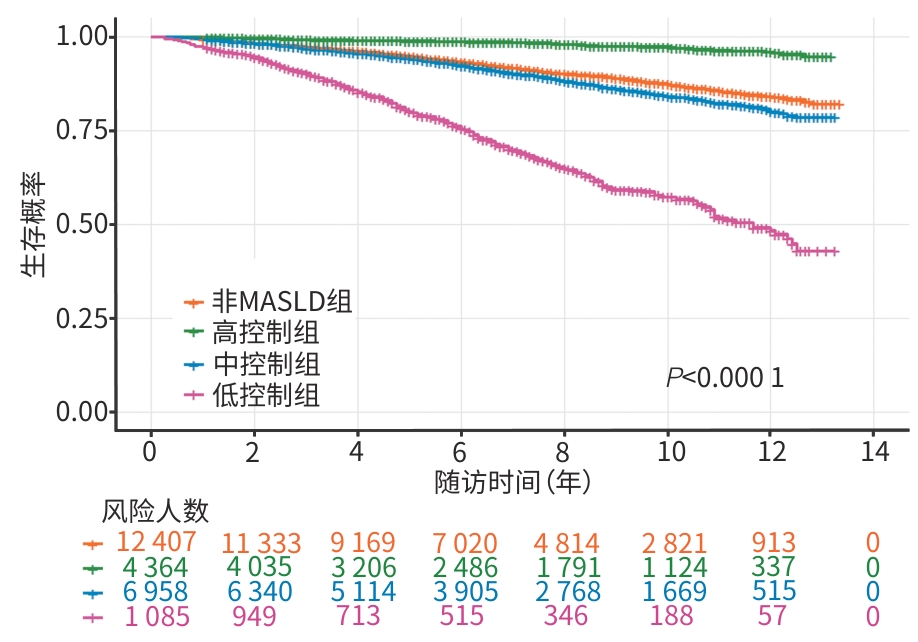
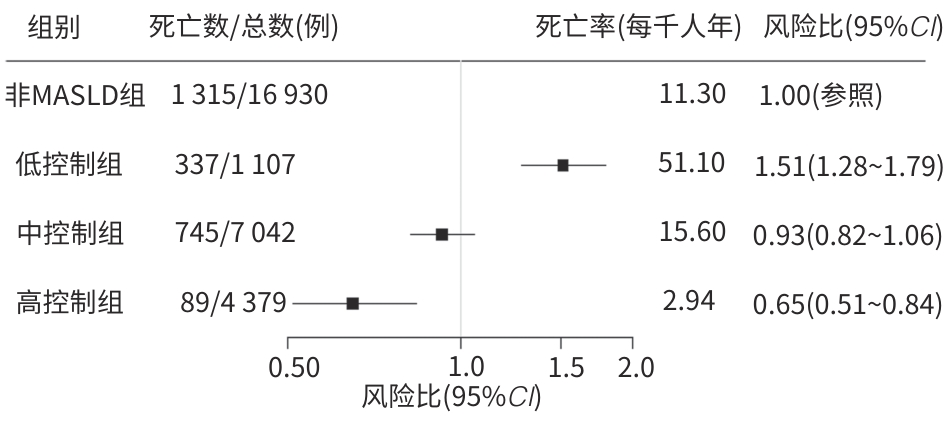
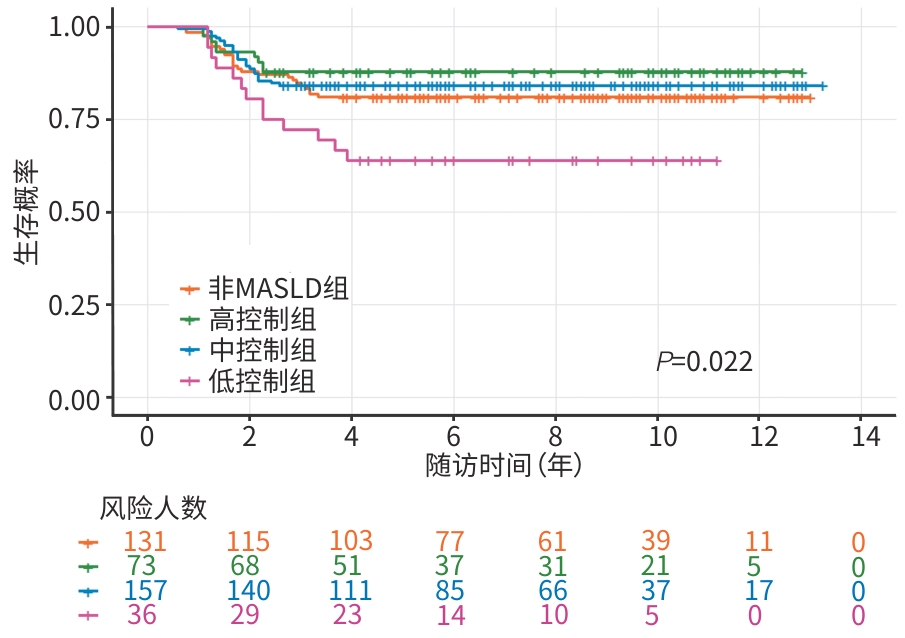
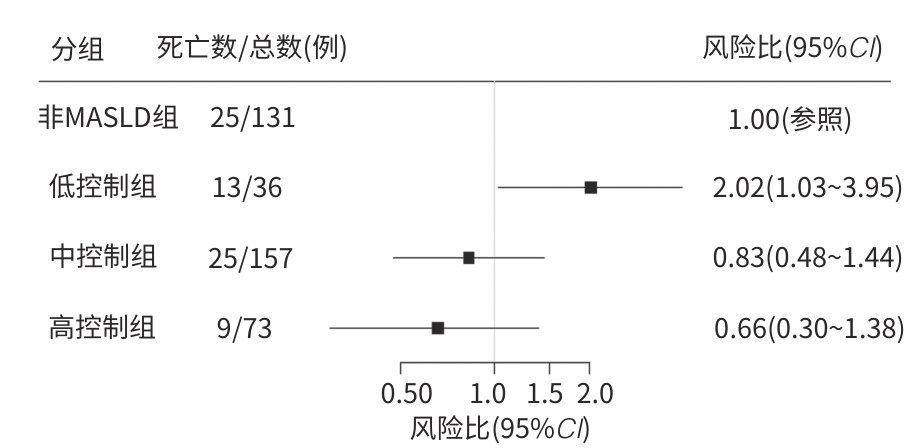
  Objective  To investigate the association of comprehensive control of multiple metabolic risk factors with the risk of all-cause mortality in patients with metabolic dysfunction-associated steatotic liver disease (MASLD) and its quantitative effect.  Methods  A retrospective cohort study was conducted based on the data from National Health and Nutrition Examination Survey (NHANES) in 2003—2018. A total of 29 458 participants were enrolled, including 12 528 patients with MASLD and 16 930 non-MASLD controls. The control status of nine risk factors was assessed, i.e., hypertension, diabetes, liver fibrosis (assessed by fibrosis-4 index [FIB-4]), aspartate aminotransferase (AST)/alanine aminotransferase (ALT) ratio, serum albumin, renal function (assessed by serum creatinine), systemic inflammation (assessed by neutrophil count), smoking, and physical activity. According to the status of comprehensive risk factor control, the patients with MASLD were further divided into low-control group with 1 107 patients, moderate-control group with 7 042 patients, and high-control group with 4 379 patients. A total of 397 participants were enrolled in the external validation cohort, among whom there were 266 participants with MASLD and 131 participants without MASLD. The Kruskal-Wallis H test was used for comparison of continuous data between multiple groups, and the chi-square test was used for comparison of categorical data between groups. The Cox proportional hazards model incorporating complex sampling weights for NHANES data were used to investigate the association between the degree of risk factor control and all-cause mortality, and the Kaplan-Meier curve, the log-rank test, restricted mean survival time (RMST), and population attributable fraction (PAF) were used for further assessment. The robustness of the findings was validated in an independent clinical cohort (n=397).  Results  The cohort study based on the NHANES database showed that during the median follow-up time of 6.7 years, 1 171 deaths occurred among the 12 528 patients with MASLD. There was a significant reduction in mortality risk with the increase in the number of risk factors controlled (trend test: χ2 =65.06, P<0.001). Compared with the low-control group, the mortality risk decreased successively in the moderate-control group (hazard ratio [HR]=0.59, 95% confidence interval [CI]: 0.51 — 0.69) and the high-control group (HR=0.36, 95%CI: 0.27 — 0.48), and the mortality risk was reduced by 22% for each additional risk factor controlled (HR=0.78, 95%CI: 0.74 — 0.82). The PAF analysis showed that AST/ALT ratio control (PAF=19.2%) and physical activity (PAF=18.9%) were the largest contributors. The survival analysis of the sub-cohort constructed based on nearest neighbor matching (with a maximum follow-up time of 13.3 years) showed that there was a significant difference in cumulative survival rate between the MASLD groups with different control levels and the non-MASLD group (P<0.001). The RMST analysis further quantified the survival benefit of each group, and the high-control group had the longest 10-year RMST (9.88 years), which was superior to that of the non-MASLD group (9.43 years), the moderate-control group (9.33 years), and the low-control group (7.96 years). The multivariable-adjusted model analysis of the complete cohort showed that compared with the non-MASLD population, the MASLD patients in the low-control group had a significant increase in mortality risk, the moderate-control group had a comparable mortality risk, and the high-control group had a significantly lower mortality risk. The subgroup analysis showed a significant protective effect of comprehensive control in both male and female individuals (P<0.05), and the interaction analysis suggested a potentially stronger protective effect in female individuals (Pfor interaction=0.031). The protective effect was statistically significant in patients aged ≥60 years (P<0.05). There was a significant difference in protective effect across the groups stratified based on waist circumference (P<0.05), but there was no significant interaction between groups (Pfor interaction=0.821). In the external validation cohort, among the 397 participants, there were 72 cases of all-cause mortality (18.1%). The survival analysis showed a significant gradient increase in the survival rate of MASLD patients with the increase in the level of control (P=0.022). The RMST analysis showed that the moderate- and high-control groups had a better RMST than the non-MASLD group at 5 years (4.47 years vs 4.56 years vs 4.40 years), with a more significant survival advantage at 10 years (8.67 years vs 8.95 years vs 8.44 years). The Cox regression analysis showed that, with the low-control MASLD group as the reference, there was a significant reduction in mortality risk in the moderate-control group (HR=0.41, 95%CI: 0.21 — 0.81) and the high-control group (HR=0.32, 95%CI: 0.14 — 0.71); with the non-MASLD population as the reference, there was a significant increase in mortality risk in the low-control group (HR=2.02, 95%CI: 1.03 — 3.95), with a comparable mortality risk in the moderate-control group (HR=0.83, 95%CI: 0.48 — 1.44) and the high-control group (HR=0.66, 95%CI: 0.30 — 1.38), and the point estimates of the effects were highly consistent with the main study.  Conclusion  Among MASLD patients, better control of metabolic risk factors is associated with a lower mortality risk. Achieving optimal control can eliminate the excess mortality risk associated with MASLD, thereby helping patients achieve a better survival prognosis than the general population.
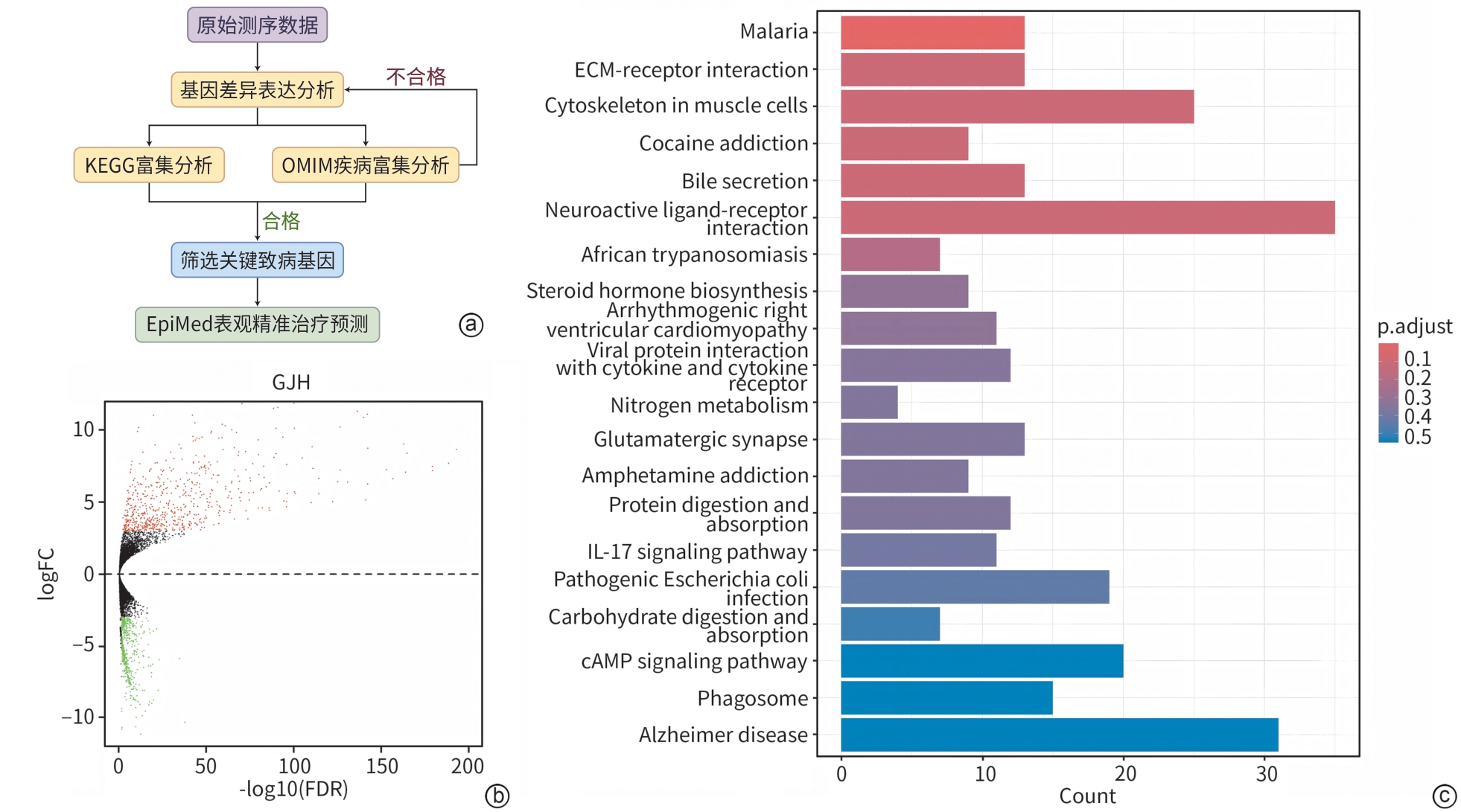
Effect and mechanism of action of 2,5-dihydroxybenzoic acid on an in vitro cell model of metabolic dysfunction-associated fatty liver disease
Junjiao Xu, Tong Liu, Sutong Liu, Lihui Zhang, Yijia Song, Wenjing Wu, Beilei Cui, Yajie Guan, Minghao Liu
2026, 42(7): 1586-1596. DOI: 10.12449/JCH260715
Abstract:
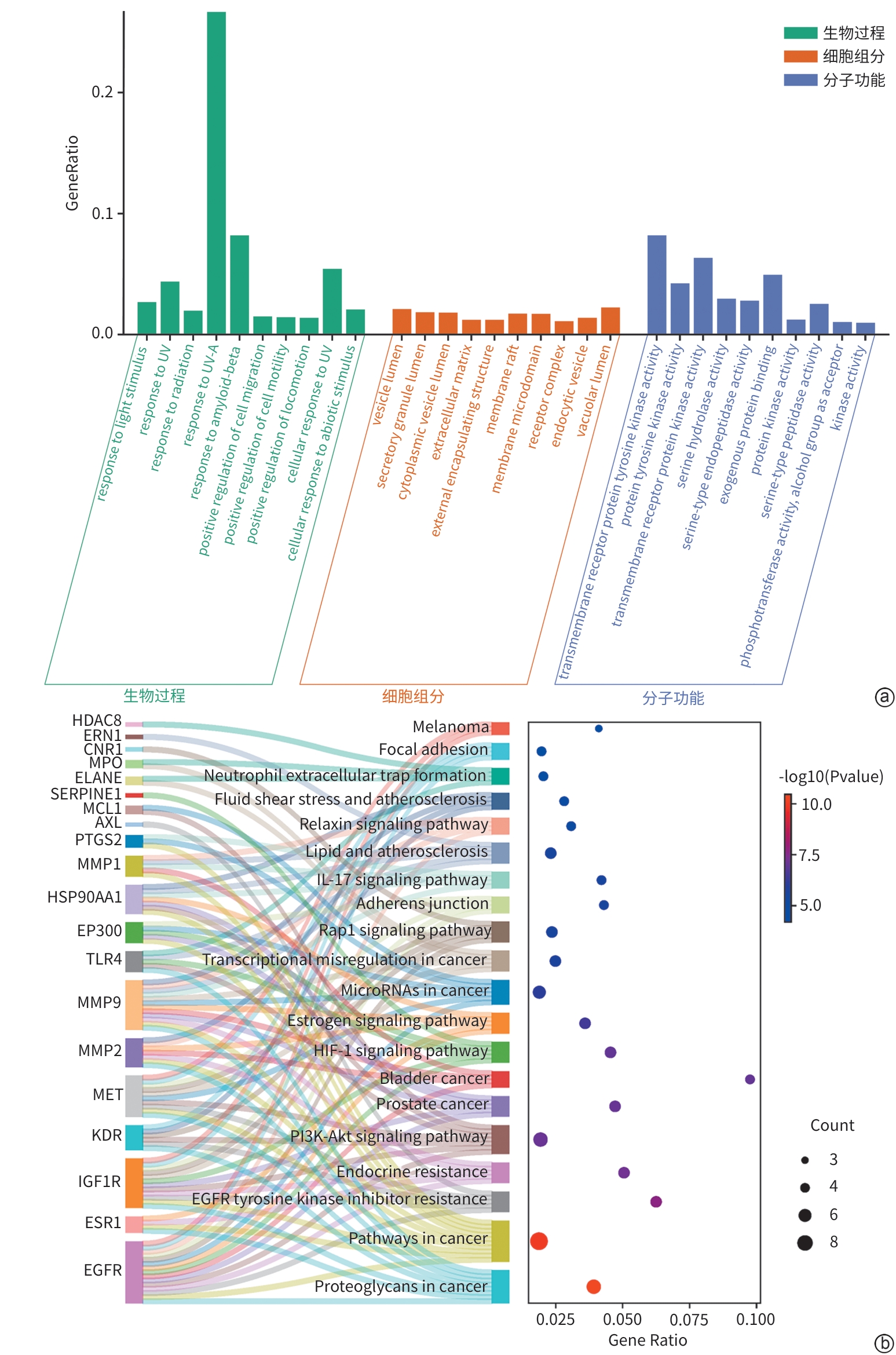
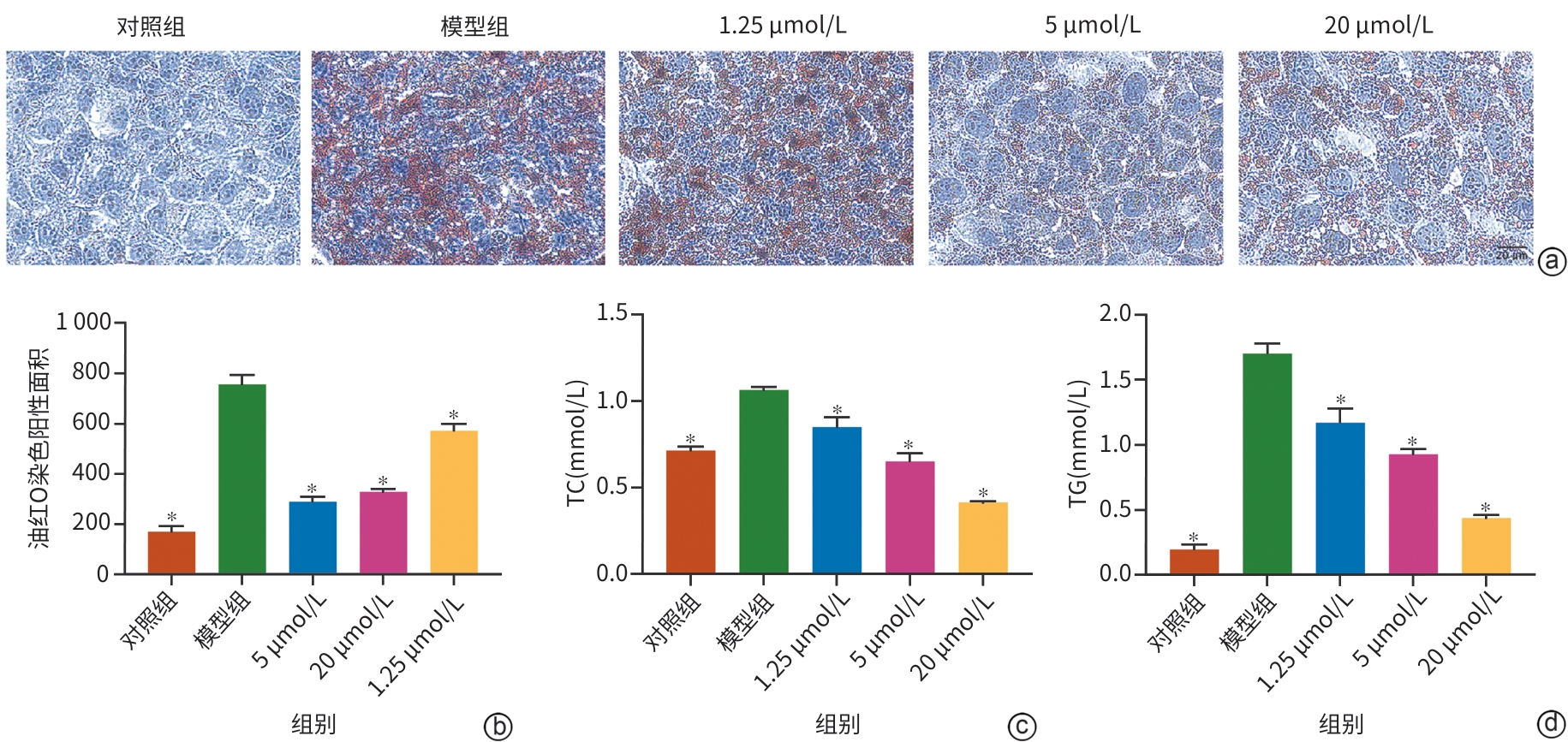
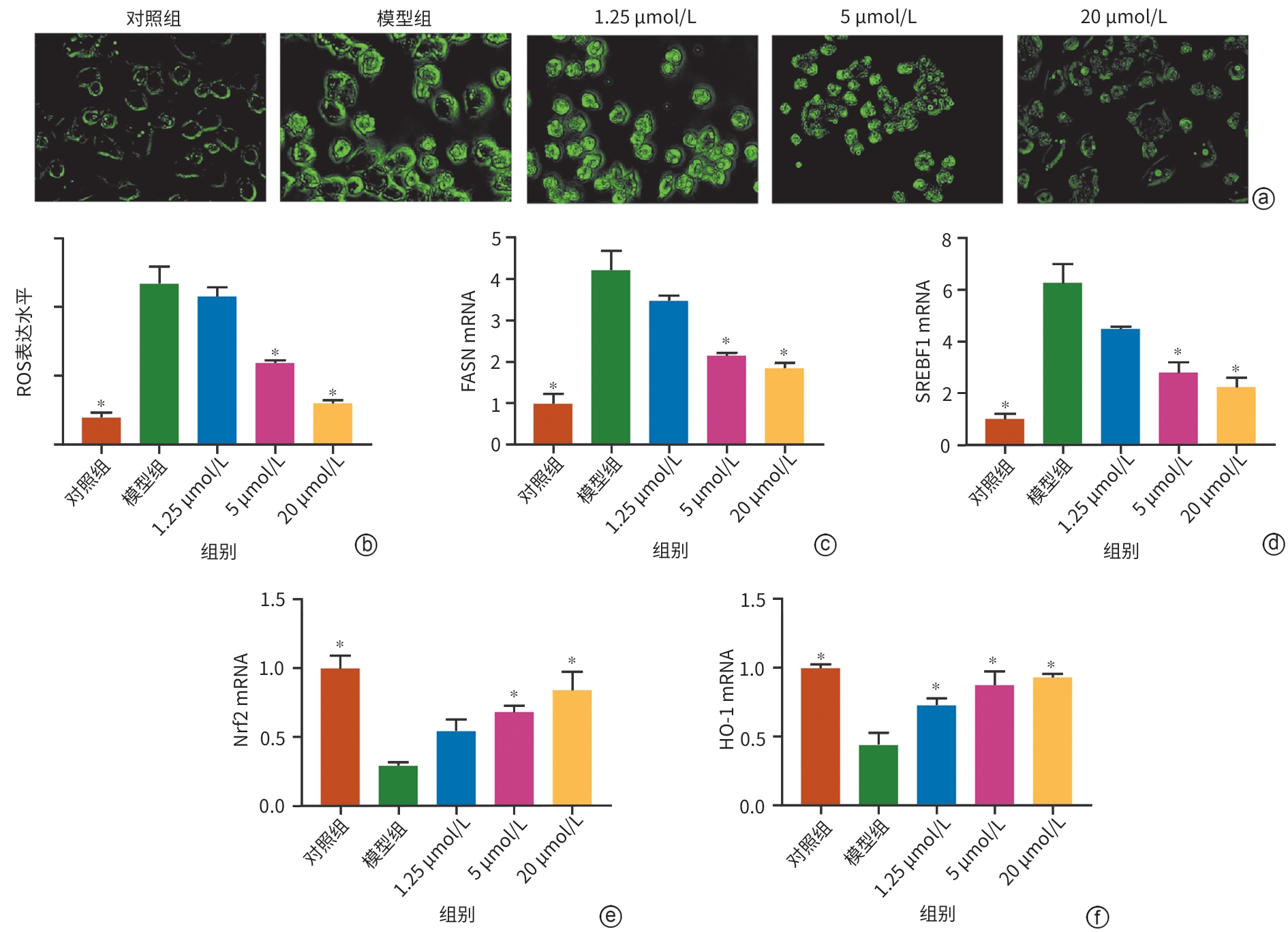
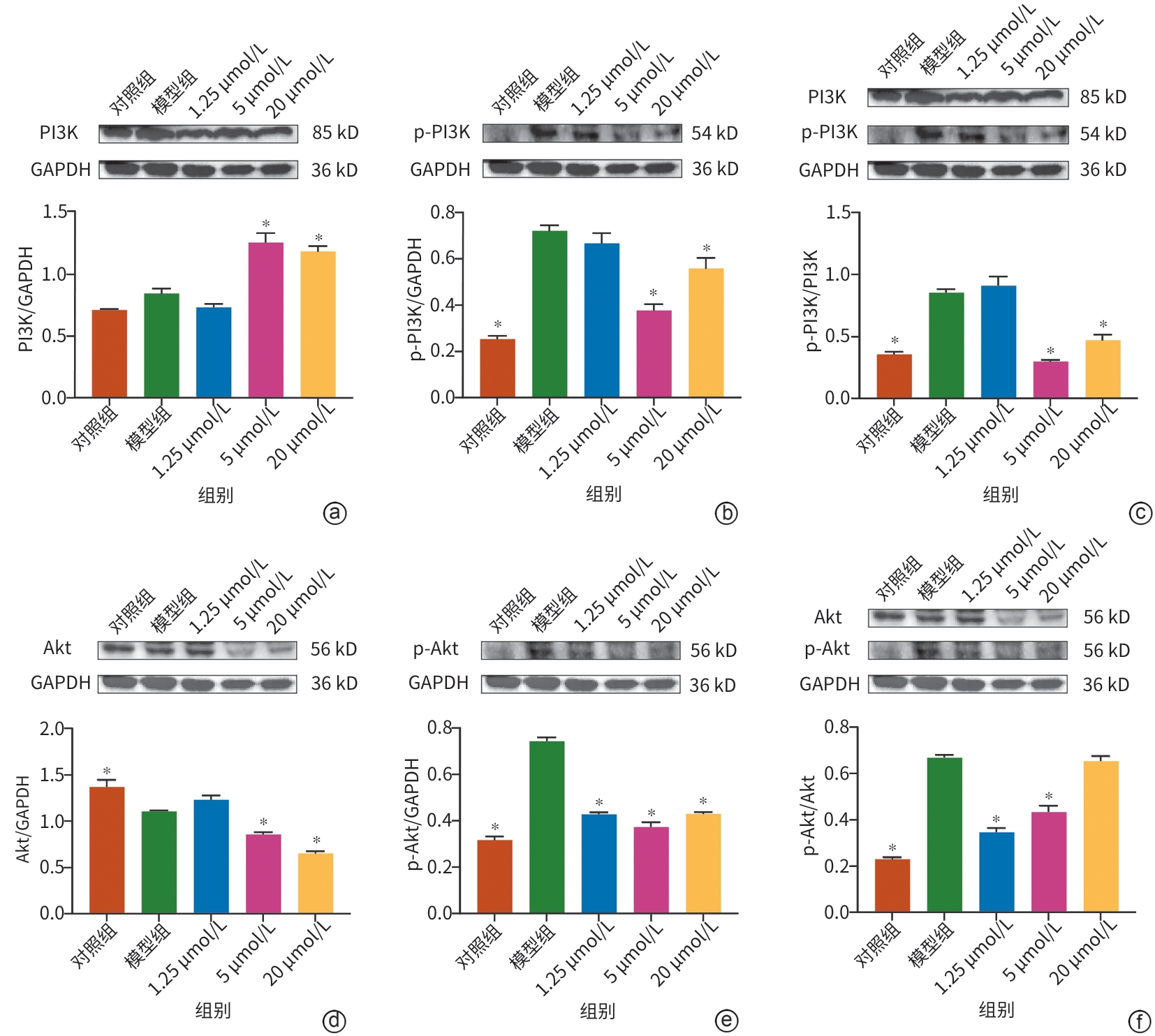
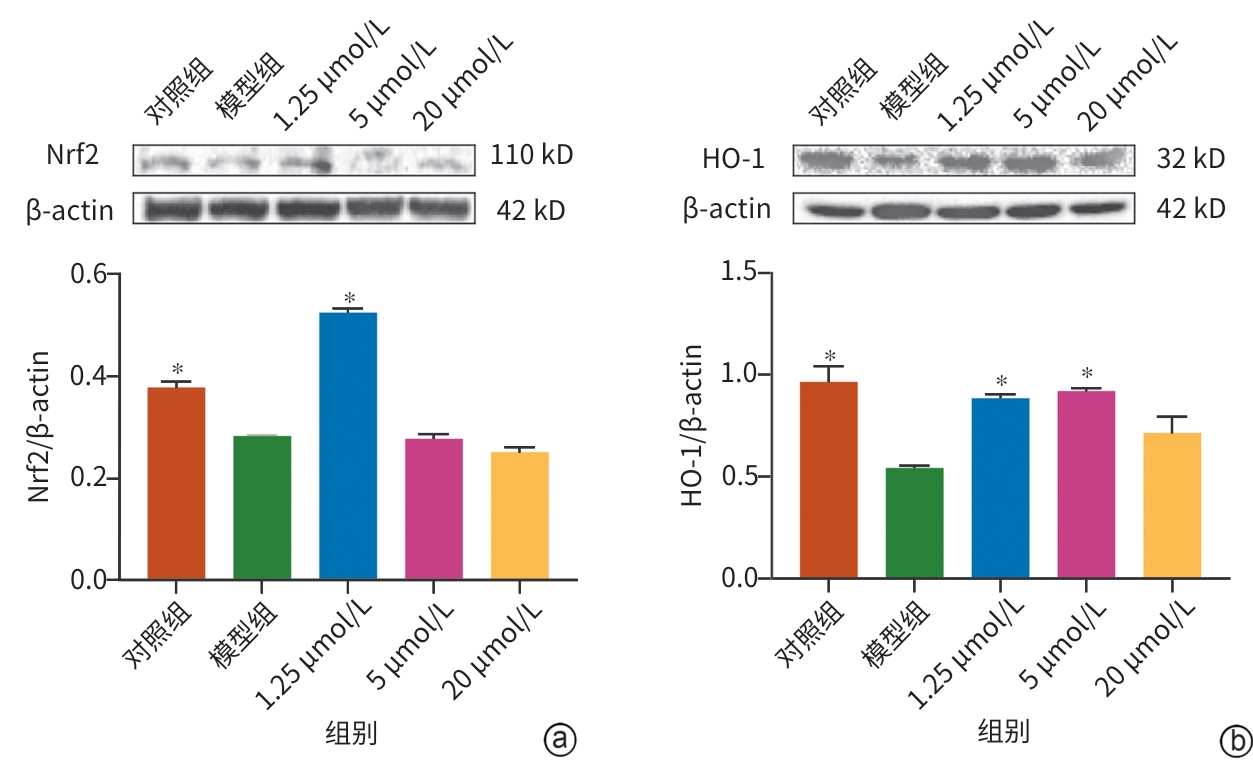
  Objective  To investigate the potential targets of 2,5-dihydroxybenzoic acid (2,5-DHBA) in the treatment of metabolic dysfunction-associated fatty liver disease (MAFLD) and the molecular mechanism by which it regulates the phosphatidylinositol 3-kinase (PI3K)/protein kinase B (Akt) signaling pathway.  Methods  A network pharmacology analysis was performed at first, and related databases were used to obtain the common action targets of 2,5-DHBA and MAFLD, followed by molecular docking and pathway enrichment analysis to predict the potential biological processes and signaling pathways regulated by these targets. Then mouse normal hepatocytes AML-12 were used for cell experiments, and CCK-8 assay was used to determine the three optimal intervention concentrations of 2,5-DHBA. AML-12 cells were divided into control group, model group (cells cultured in a medium containing 2 mmol/L free fatty acid [FFA] to establish a cell model of MAFLD), and three 2,5-DHBA intervention groups (cells cultured with FFA and 2,5-DHBA at the three different concentrations of 1.25, 5, and 20 μmol/L, respectively). Oil red O staining was used to observe intracellular lipid accumulation; the fluorescent probe DCFH-DA was used to measure the level of intracellular reactive oxygen species (ROS); biochemical assays were used to measure the content of triglyceride (TG) and total cholesterol (TC); quantitative real-time PCR and Western Blot were used to measure the expression levels of related genes and proteins. A one-way analysis of variance was used for comparison between multiple groups, and the Tukey’s test was used for further comparison between two groups.  Results  A total of 32 common targets were obtained for 2,5-DHBA and MAFLD. Within a concentration range of 1.25 — 20 μmol/L, 2,5-DHBA treatment, starting from the concentration of 2.5 μmol/L, increased the viability of AML-12 cells in a dose-dependent manner. The minimum effective concentration of 1.25 μmol/L, the intermediate gradient concentration of 5 μmol/L, and the maximum safe concentration within the effective range of 20 μmol/L were selected for low-, middle-, and high-dose intervention, respectively. Compared with the model group, 2,5-DHBA intervention at concentrations of 1.25, 5, and 20 μmol/L could significantly reduce lipid droplet accumulation in cells (all P<0.05), and there were significant differences in TG and TC between the model group and the three intervention groups (all P<0.05). Compared with the control group, the model group had a significant increase in ROS fluorescence intensity (P<0.05), and compared with the model group, there was a dose-dependent reduction in intracellular ROS level after treatment with 5 μmol/L or 20 μmol/L 2,5-DHBA (P<0.05). Compared with the model group, 2,5-DHBA treatment at concentrations of 5 and 20 μmol/L significantly downregulated the mRNA expression levels of the lipogenic genes SREBf1 and FASN and upregulated the mRNA expression levels of the key antioxidant gene Nrf2 and its downstream target gene HO-1 (all P<0.05). Compared with the control group, the expression of p-PI3K/PI3K and p-Akt/Akt in the model group was significantly increased (all P<0.05). Compared with the model group, the protein expression levels of p-PI3K/PI3K and p-Akt/Akt were significantly decreased after 5 μmol/L 2,5-DHBA treatment (P<0.05). Compared with the control group, the expression levels of Nrf2 and HO-1 protein in the model group were significantly decreased (all P<0.05). The protein levels of Nrf2 and HO-1 were significantly increased after treatment with 1.25 μmol/L 2,5-DHBA (P<0.05).  Conclusion  Network pharmacology and cellular experiments confirm that 2,5-DHBA can alleviate lipid deposition and oxidative stress by regulating the PI3K/Akt signaling pathway, thereby exerting a therapeutic effect on MAFLD.
Liver Fibrosis and Liver Cirrhosis
Efficacy and safety of pegylated interferon α-2b in treatment of patients with hepatitis B virus-related compensated liver cirrhosis: A real-world study
Yan Wang, Lihong Li, Anna Wang, Jing Wen, Jie Yang, Yinong Feng, Ye Zhang, Qianhui Wang
2026, 42(7): 1597-1606. DOI: 10.12449/JCH260716
Abstract(90) HTML (20) PDF (791KB)(20)
Abstract:
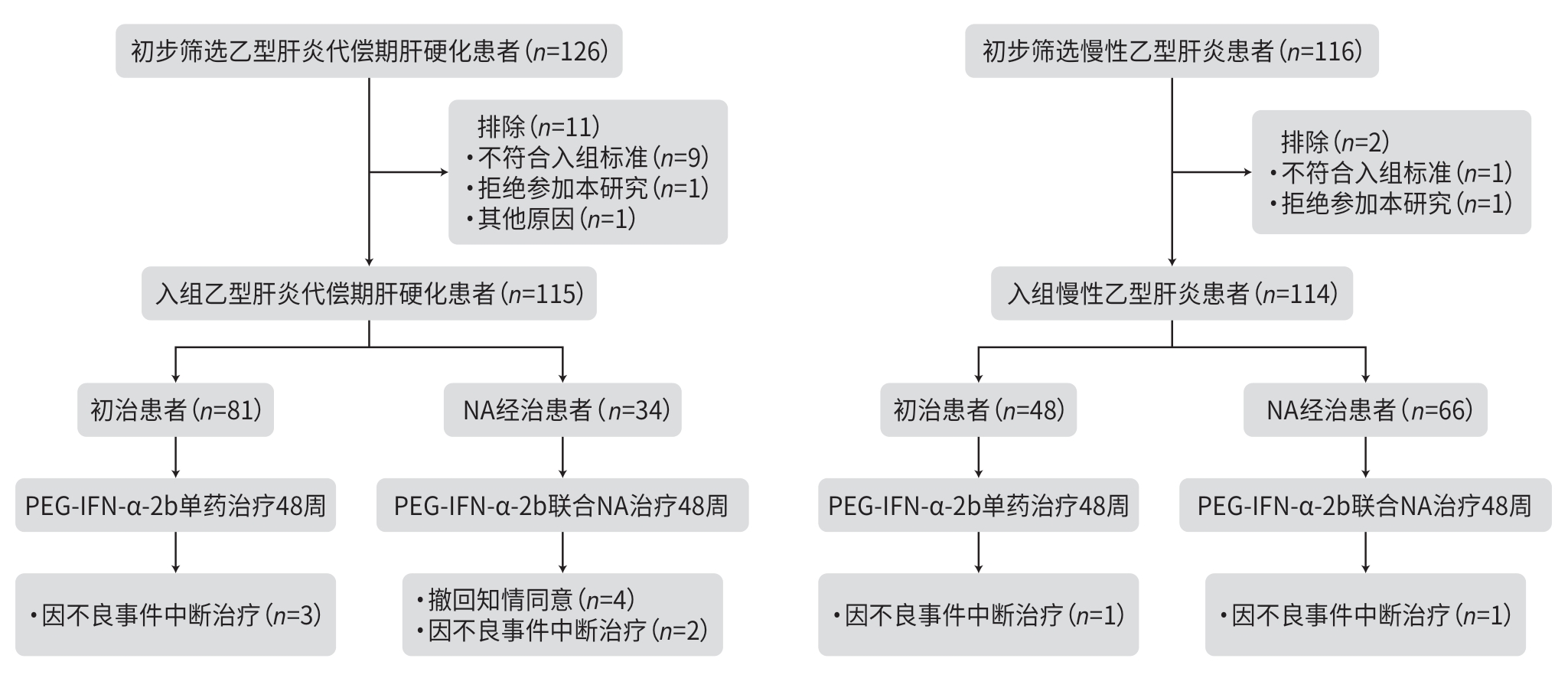
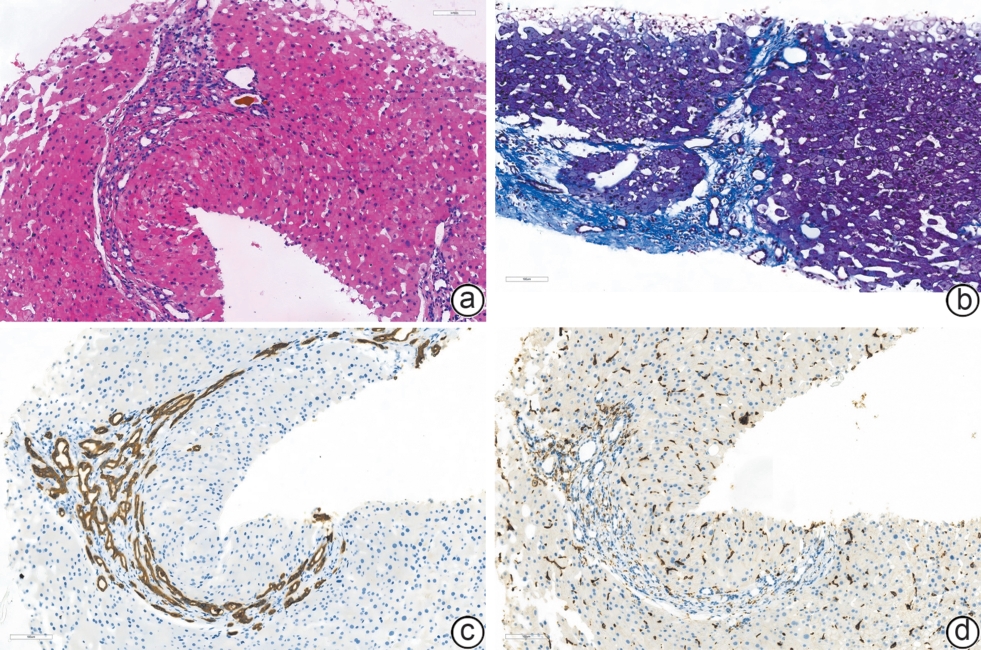
  Objective  To investigate the antiviral efficacy of pegylated interferon α-2b (PEG-IFN-α-2b) in patients with HBV-related liver cirrhosis, to assess the safety and tolerability of this regimen, and to provide evidence-based medical evidence for optimizing the treatment strategies for patients with HBV-related compensated liver cirrhosis.  Methods  A prospective study was conducted among 115 patients with HBV-related compensated liver cirrhosis and 114 patients with CHB who attended Third People’s Hospital of Taiyuan from January 2023 to March 2024. Treatment-naïve patients received PEG-IFN-α-2b monotherapy, while the patients once treated with nucleos(t)ide analogues (NAs) received PEG-IFN-α-2b add-on therapy. The patients with HBV-related compensated liver cirrhosis were followed up at baseline and at 12, 24, 36, and 48 weeks of treatment. Samples were collected from CHB patients at baseline and at the end of follow-up to assess virological indicators, routine blood test results, and liver function. The chi-square test was used for comparison of categorical data between groups; the independent samples t-test was used for comparison of normally distributed continuous data between two groups, and the one-way repeated measures analysis of variance was used for comparison among different time ponts within the same group,and the Bonferroni was applied for post-hoc pairwise comparisons; the Mann-Whitney U test was used for comparison of non-normally distributed continuous data between two groups, and the Friedman test was used for comparison across different time points within the same group, and the Nemenyi test was utilized for subsequent pairwise comparisons. The multivariate stepwise Logistic regression analysis was used to investigate the influencing factors for clinical cure.  Results  Compared with the CHB group, the HBV-related compensated liver cirrhosis group had a significantly higher mean age (43.50±9.97 years vs 40.90±8.16 years, t=2.160, P=0.032), a significantly higher proportion of patients with hepatitis B e antigen at baseline (28.70% vs 15.79%, χ2=4.788, P=0.029), and a significantly lower platelet level [(178.67±55.07)×109/L vs (194.93±55.79)×109/L, t=2.217, P=0.028]. Compared with the CHB group at the end of follow-up, the HBV-related compensated liver cirrhosis group had significantly lower HBV surface antigen (HBsAg) clearance rate (10.38% vs 33.04%, χ2=14.988, P<0.001) and HBV surface antibody positive rate (0.00% vs 19.64%, χ2 =21.041, P<0.001). Compared with the CHB group at the end of follow-up,the HBV-related compensated liver cirrhosis group had significantly lower aminotransferase levels [ALT: 31.00(19.00~47.50) U/L vs 40.00(27.00~57.00) U/L, Z=2.433, P<0.05; AST: 31.00(23.00~45.50) U/L vs 37.00(25.00~52.00) U/L, Z=1.963, P<0.05], but significantly higher level of white blood cells (WBC) [(4.02±1.56)×109/L vs (3.59±1.24)×109/L, t=2.272, P<0.05], neutrophils [(2.39±1.17)×109/L vs (1.87±0.94)×109/L, t=3.284, P<0.05], and platelets [(143.93±68.10)×109/L vs (121.88±49.72)×109/L, t=2.588, P<0.05]. A lower level of HBsAg (OR=0.997, 95%CI: 0.996 — 0.999, P<0.001) and previous treatment with NAs (OR=5.889, 95%CI: 2.195 — 17.330, P<0.001) were positive predictive factors for clinical cure, while liver cirrhosis (OR=0.177, 95%CI: 0.063 — 0.470, P<0.001) was a negative predictive factor for clinical cure. During follow-up, no patients experienced acute decompensation or progression to hepatocellular carcinoma, and the main adverse events included fever, fatigue, reductions in WBC and platelets, weight loss, alopecia, and thyroid dysfunction. In the subgroup analysis of HBV-related compensated liver cirrhosis, in both the treatment-naïve patients and the patients previously treated with NAs, there was a significant reduction in HBsAg level from baseline to week 36 of treatment [treatment-naïve: 99.25 (5.87 — 1 212.35) IU/mL vs 403.47 (36.94 — 2 569.02) IU/mL, P<0.05; previously treated with NAs: 205.94 (14.00 — 737.80) IU/mL vs 427.03 (65.64 — 1 552.65) IU/mL, P<0.05] and week 48 of treatment [treatment-naïve: 85.45 (0.58 — 827.56) IU/mL vs 403.47 (36.94 — 2 569.02) IU/mL, P<0.05; previously treated with NAs: 45.28 (0.16 — 267.27) IU/mL vs 427.03 (65.64 — 1 552.65) IU/mL, P<0.05]. There were significant increases in the levels of aminotransferases during treatment, as well as significant reductions in the levels of WBC, neutrophils, platelets, and hemoglobin (all P<0.05).  Conclusion  Although a finite course of PEG-IFN-α-2b therapy has achieved a relatively low rate of clinical cure in the treatment of HBV-related compensated liver cirrhosis, it can still significantly reduce the level of HBsAg, and this treatment regimen has good safety and tolerability, without accelerating disease progression.
Cardiac lesion characteristics in patients with liver cirrhosis and their correlation with esophageal varices
Huaye Jiang, Yongmei Fan
2026, 42(7): 1607-1613. DOI: 10.12449/JCH260717
Abstract(68) HTML (21) PDF (660KB)(17)
Abstract:
  Objective  To investigate the characteristics of cardiac structure and function in patients with liver cirrhosis and the correlation of cardiac ultrasound parameters and cardiac function parameters with esophageal varices (EV), and to provide a theoretical basis for identifying high-risk patients in the early stage, optimizing clinical management, and improving prognosis.  Methods  A retrospective analysis was performed for the clinical data of 359 patients who were hospitalized in Hunan Provincial People’s Hospital and were diagnosed with liver cirrhosis from January 2020 to December 2023, among whom there were 176 patients in the non-EV group and 183 patients in the EV group. The two groups were compared in terms of general data, laboratory test results, and examination findings, and the characteristics of cardiac lesions were analyzed for liver cirrhosis patients with EV. The independent samples t-test was used for comparison between the two groups, a one-way analysis of variance was used for comparison of normally distributed continuous data between multiple groups, and the least significant difference t-test or the Tamhane’s T2 test was used for further comparison between two groups based on homogeneity of variance; The Mann-Whitney U test was used for comparison between the two groups, the Kruskal-Wallis H test was used for comparison of non-normally distributed continuous data between multiple groups; the chi-square test was used for comparison of categorical data between groups; the Spearman’s rank correlation coefficient was used for correlation analysis.  Results  There were no significant differences in sex and age between the two groups (all P >0.05). Compared with the non-EV group, the EV group had significantly lower levels of red blood cell, hemoglobin, platelet, prothrombin activity, albumin, and albumin/globulin ratio (all P<0.05) and significantly higher values of total bilirubin, total bile acid, cardiac creatine kinase, fibrosis-4 index, LOK index, aspartate aminotransferase-to-platelet ratio index, and aspartate aminotransferase-to-alanine aminotransferase ratio (all P <0.001). For the non-EV group, 58.0% of the patients had Child-Pugh class A disease, while in the EV group, 48.1% of the patients had Child-Pugh class B disease. Compared with the non-EV group, the EV group had significantly greater left atrial anterior-posterior diameter (LA-ap), left ventricular end-diastolic diameter (LVEDD), right atrial transverse diameter (RA-t), early diastolic filling velocity at the mitral valve orifice (E), early diastolic filling velocity/late diastolic filling velocity (E/A) ratio, peak systolic velocity of pulmonary valve (PV), peak systolic velocity of aortic valve (AV), and QTc interval (all P<0.05). The Spearman correlation analysis showed that LA-ap, LVEDD, RA-t, E, E/A, PV, AV and QTc interval were positively correlated with EV (all P<0.05), among which LA-ap, E, and PV had an r-value of 0.297, 0.223, and 0.311, respectively. Comparison of the patients with different Child-Pugh classes showed that compared with the Child-Pugh class B and C groups, the Child-Pugh class A group had significantly smaller LA-ap, mid-right ventricular transverse diameter, E, PV, AV, HR, and QTc interval (all P<0.05); compared with the Child-Pugh class B group, the Child-Pugh class A group had significantly lower values of LVEDD, RA-t, and E/A ratio (all P<0.05); there were significant differences in A and PV between the Child-Pugh class B group and the Child-Pugh class C group (all P<0.05).  Conclusion  Liver cirrhosis patients with EV have significant cardiac lesions, and routine echocardiography should be performed to assess cardiac function.
Long-term prognosis of liver cirrhosis patients with spontaneous portosystemic shunt undergoing secondary endoscopic preventive therapy for type 1 isolated gastric variceal bleeding
Yuling Zhou, Lingling He, Jiali Ma, Ping Li, Hongshan Wei, Zhenglin Ai
2026, 42(7): 1614-1622. DOI: 10.12449/JCH260718
Abstract(70) HTML (22) PDF (720KB)(15)
Abstract:
  Objective  To observe the long-term survival outcomes and complications of liver cirrhosis patients with spontaneous portosystemic shunt and type 1 isolated gastric varices (IGV-1) bleeding after secondary endoscopic preventive therapy, and to investigate the independent influencing factors for long-term prognosis.  Methods  A total of 70 liver cirrhosis patients with spontaneous portosystemic shunt and IGV-1 bleeding who were admitted to Beijing Ditan Hospital, Capital Medical University, from January 5, 2015 to November 29, 2019 were enrolled as subjects, and related baseline data were collected, including age, sex, etiology, routine blood test results, liver function parameters, renal function parameters, coagulation parameters, Child-Pugh score, and the presence or absence of comorbidities such as cholestasis, hepatocellular carcinoma, thrombosis, ascites, and hepatic encephalopathy. All patients underwent secondary endoscopic preventive therapy for rebleeding and were followed up for 5 years. The primary endpoints were ectopic embolism rate and all-cause mortality rate, and the secondary endpoints were liver-related mortality and liver-related complications. The independent-samples t test or the Mann-Whitney U test was used for comparison of continuous data between groups, and the chi-square test was used for comparison of categorical data between groups. The Cox regression analysis was used to investigate the prognostic factors for 1-, 3-, and 5-year survival time, and the Logistic regression analysis was used to identify the independent risk factors for liver disease-related complications.  Results  The incidence rate of ectopic embolism was 0% within 5 years of follow-up. The 1-, 3-, and 5-year all-cause mortality rates were 5.7%, 24.3%, and 32.9%, respectively. There were 2 cases of liver-related death in year 1, 8 cases in year 3, and 12 cases in year 5, resulting in a liver disease-related mortality rate of 17.14% (12/70). Compared with the survival group, the death group had significantly higher incidence rates of hepatocellular carcinoma (0.00% vs 17.39%, χ2=8.669, P=0.003) and ascites (38.30% vs 52.17%, χ2=7.272, P=0.026), and compared with the death group, the survival group had significantly lower 5-year incidence rates of rebleeding (10.64% vs100.00%, χ2=51.383, P<0.001), ascites (8.51% vs 52.17%, χ2=21.574, P<0.001), and hepatic encephalopathy (0.00% vs 21.74%, χ2=12.029, P=0.002). The multivariate Cox regression analysis showed that during the 1-year follow-up, comorbidity with hepatocellular carcinoma before surgery (hazard ratio [HR]=14.601, 95% confidence interval [CI]: 2.049 — 104.098, P=0.007) and PT (HR=1.662, 95%CI: 1.090 — 2.535, P=0.018) were independent risk factors for survival, and HGB level (HR=0.863, 95%CI: 0.747 — 0.998, P=0.046) was a protective factor for prolonged survival; during the long-term follow-up for 3 or 5 years, preoperative comorbidities with hepatocellular carcinoma (3 years: HR=40.174, 95%CI: 8.939 — 180.559, P<0.001; 5 years: HR=26.739, 95%CI: 6.993 — 102.243, P<0.001) and ascites (3 years: HR=3.638, 95%CI: 1.751 — 7.575, P=0.001; 5 years: HR=2.555, 95%CI: 1.419 — 4.598, P=0.002) were independent risk factors for mortality. The Logistic regression analysis showed that during the follow-up for 3 years, comorbidity with ascites before surgery (odds ratio [OR]=0.255, 95%CI: 0.102 — 0.636, P=0.003) was associated with a lower risk of rebleeding, while comorbidity with hepatocellular carcinoma before surgery (OR=16.231, 95%CI: 1.298 — 202.878, P=0.031) was an independent risk factor for rebleeding; prothrombin time was a protective factor against hepatic encephalopathy (OR=0.790, 95%CI: 0.648 — 0.964, P=0.020); during the follow-up for 5 years, aggravation of ascites after surgery (OR=5.578, 95%CI: 1.474 — 21.103, P=0.011) was an independent risk factor for rebleeding, and aggravation of ascites after surgery (OR=175.046, 95%CI: 14.306 — 2 141.909, P<0.001) were independent risk factors for the development of ascites in the future.  Conclusion  Comorbidity with hepatocellular carcinoma before surgery and prothrombin time are independent risk factors for 1-year survival, whereas a high HGB level is a protective factor for increasing 1-year survival. Preoperative comorbidities with hepatocellular carcinoma and ascites are independent risk factors for the long-term prognosis of patients with spontaneous portosystemic shunt and IGV-1 bleeding and can significantly shorten survival time. Preoperative comorbidity with ascites can reduce the occurrence of rebleeding, while postoperative hepatocellular carcinoma and aggravation of ascites after surgery are independent risk factors for rebleeding; aggravation of ascites after surgery is an independent risk factor for the development of ascites in the future.
Value of C-reactive protein in predicting the progression of acute decompensation of cirrhosis to acute-on-chronic liver failure
Feng Yang, Jun Guo, Jiale Shen, Ruiqi Li, Xixuan Wang, Yongfeng Yang
2026, 42(7): 1623-1631. DOI: 10.12449/JCH260719
Abstract:
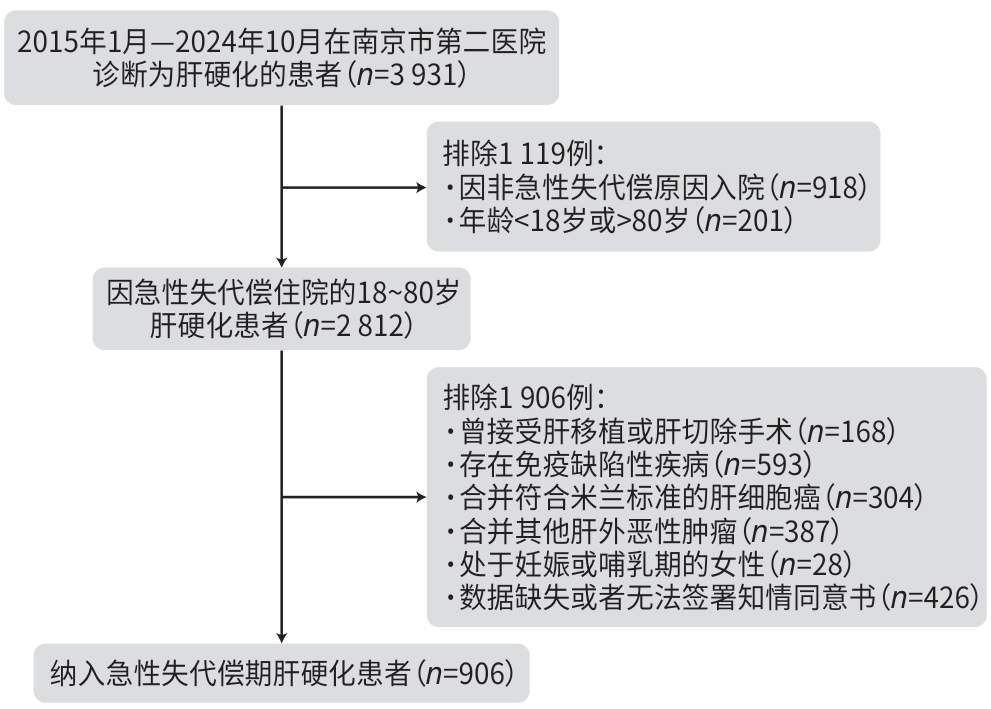
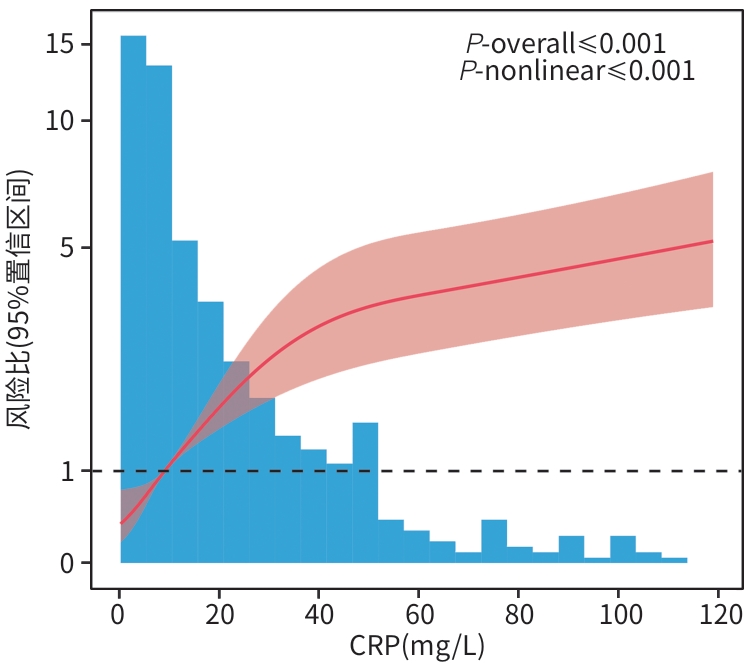
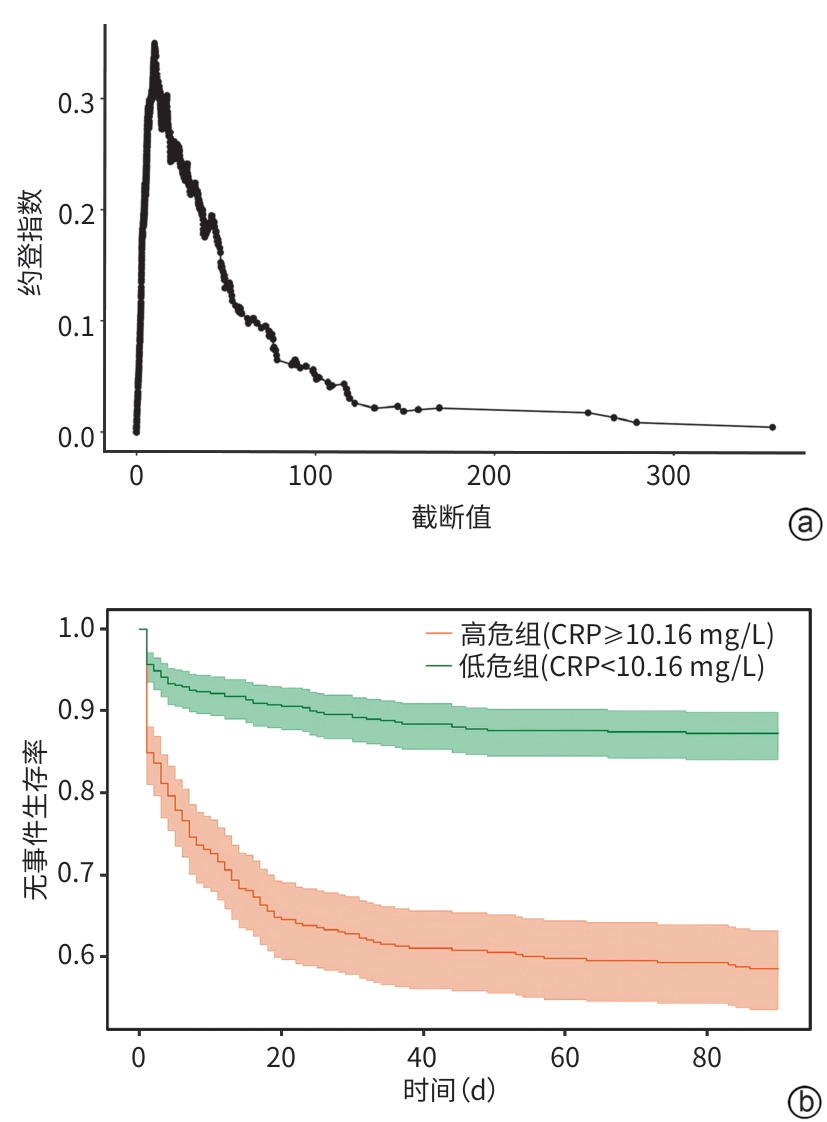
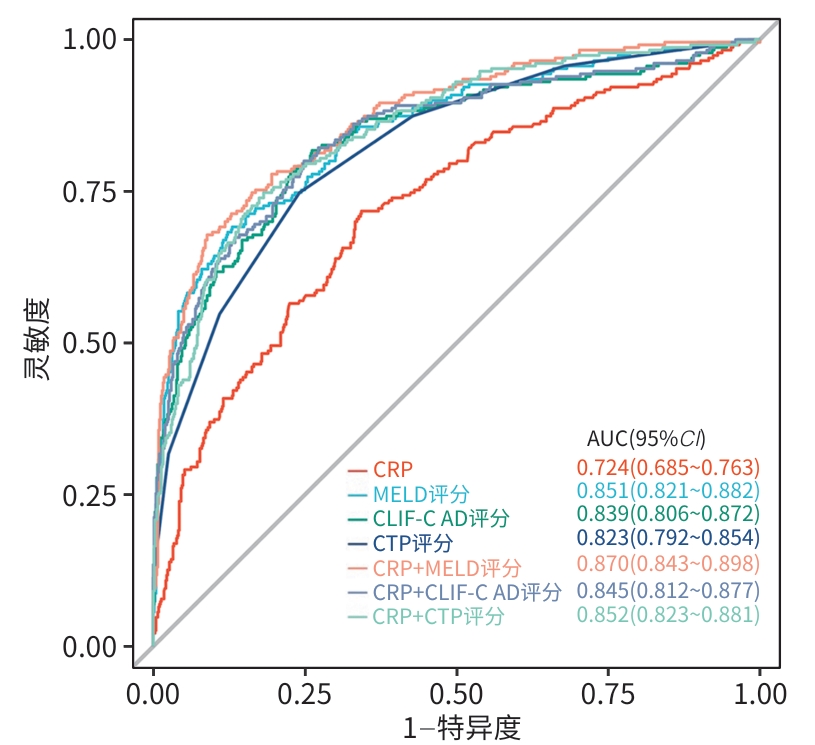
  Objective  To investigate the efficacy of C-reactive protein (CRP) in predicting the progression to acute-on-chronic liver failure (ACLF) within 90 days after disease onset in patients with acute decompensation (AD) of cirrhosis, and to provide a reference for the early identification of high-risk populations in clinical practice.  Methods  A retrospective study was conducted among 906 patients with liver cirrhosis who were hospitalized due to AD in Nanjing Second Hospital from January 1, 2015 to October 31, 2024, and demographic features, AD type, and laboratory markers were collected on admission. The primary endpoint was progression to ACLF within 90 days after admission, and according to the presence or absence of ACLF, the patients were divided into non-ACLF group with 676 patients and ACLF group with 230 patients. The independent-samples t test was used for comparison of normally distributed continuous data between groups, and the Wilcoxon rank-sum test was used for comparison of non-normally distributed continuous data between groups; the chi-square test or the Fisher’s exact test was used for comparison of categorical data between groups. The univariate and multivariate Cox proportional-hazards regression models were used to identify independent predictive factors for ACLF. The receiver operating characteristic (ROC) curve was used to assess the predictive performance of CRP and existing scoring systems (Model for End-Stage Liver Disease [MELD], Child-Turcotte-Pugh [CTP] score, and Chronic Liver Failure Consortium Acute Decompensation [CLIF-C AD] score), and the restricted cubic spline analysis was used to investigate the nonlinear relationship between CRP and the risk of ACLF. Youden index was used to determine the optimal predictive cut-off value for CRP, and the Kaplan-Meier survival curve was plotted for risk stratification, while the log-rank test was used for survival analysis.  Results  Among the 906 AD patients, the incidence rate of ACLF was 25.39% within 90 days. The incidence rate of ACLF within 90 days was 45.1% in the 264 patients with bacterial infection and 17.3% in the 642 patients without bacterial infection (χ²=74.791, P<0.001). Among the 906 patients, 312 patients (34.44%) had acute-on-chronic pre-liver failure (pre-ACLF), with a significantly higher proportion of patients who progressed to ACLF than those in the non-pre-ACLF group [60.58% (189/312) vs 6.90% (41/594), χ²=310.234, P<0.001]. Among the 230 patients with ACLF, there were 102 patients with stable ACLF (44.35%) and 128 patients with unstable ACLF (55.65%), with a significant difference in CRP between the two groups of patients (U=5 234.500, P<0.001). The restricted cubic spline analysis showed a significant nonlinear relationship between CRP and the risk of ACLF (P<0.001). The optimal cut-off value of CRP was determined as 10.16 mg/L based on the Youden index, with a sensitivity of 70.4% and a specificity of 64.5%. The Kaplan-Meier curve analysis showed that the high-risk group with CRP≥10.16 mg/L had a significantly higher event-free survival rate of ACLF within 90 days compared with the low-risk group (P<0.001). The multivariate Cox regression analysis showed that AD type-hepatic encephalopathy (hazard ratio [HR]=4.199, 95% confidence interval [CI]: 3.056 — 5.770, P<0.001), AD type-bacterial infection (HR=1.826, 95%CI: 1.356 — 2.459, P<0.001), CRP (≥10.16 mg/L) (HR=2.356, 95%CI: 1.825 — 3.047, P<0.001), white blood cell count (HR=1.021, 95%CI: 1.002 — 1.041, P=0.035), hemoglobin (HR=0.994, 95%CI: 0.989 — 0.999, P=0.025), international normalized ratio (HR=1.657, 95%CI: 1.372 — 2.001, P<0.001), total bilirubin (HR=1.003, 95%CI: 1.002 — 1.004, P<0.001), albumin (HR=0.956, 95%CI: 0.926 — 0.986, P=0.004), creatinine (HR=1.005, 95%CI: 1.004 — 1.006, P<0.001), serum sodium (HR=0.976, 95%CI: 0.956 — 0.997, P=0.025), and lactate dehydrogenase (HR=1.001, 95%CI: 1.001 — 1.002, P<0.001) were all independent predictive factors for progression to ACLF within 90 days. The ROC curve analysis showed that CRP alone had an area under the ROC curve (AUC) of 0.724 (95%CI: 0.685 — 0.763) in predicting ACLF, and CRP+MELD score had the best predictive performance (AUC=0.870, 95%CI: 0.843 — 0.898), while CRP+CTP score and CRP+CLIF-C AD score had an AUC of 0.852 (95%CI: 0.823 — 0.881) and 0.845 (95%CI: 0.812 — 0.877), respectively. There was a significant increase in model performance after integration (P<0.05).  Conclusion  Serum CRP level on admission is an independent predictive factor for progression to ACLF within 90 days in patients with AD of cirrhosis, and a CRP level of ≥10.16 mg/L can be used as a simple threshold for identifying high-risk patients. Incorporating CRP into existing assessment systems may enhance the early identification of patients at a high risk for ACLF, which provides a reference for clinical intervention.
Liver Neoplasm
Efficacy of atezolizumab combined with bevacizumab versus sintilimab combined with bevacizumab biosimilar in treatment of unresectable hepatocellular carcinoma
Xiaomin Liu, Qingfang Zhao, Wei Sun, Wendong Li
2026, 42(7): 1632-1637. DOI: 10.12449/JCH260720
Abstract(73) HTML (20) PDF (860KB)(19)
Abstract:
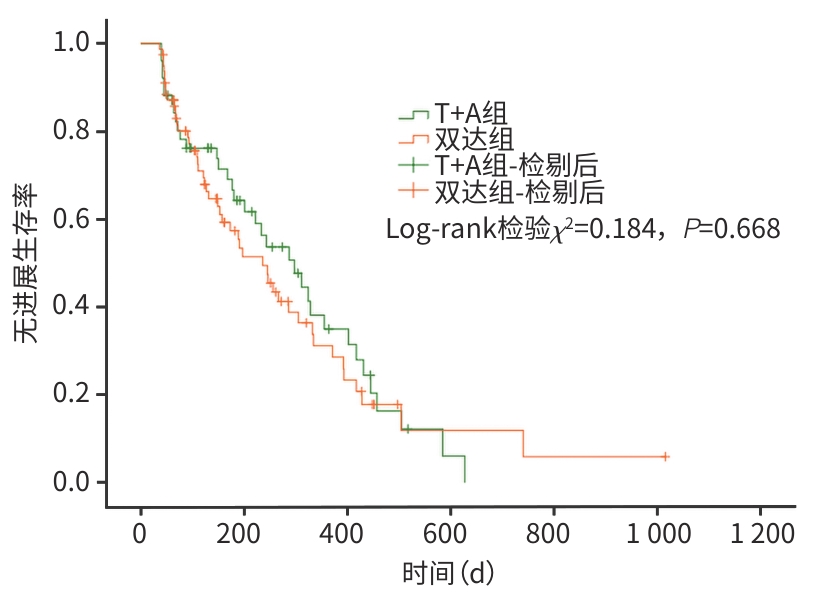
  Objective  To investigate the efficacy and safety of atezolizumab combined with bevacizumab versus sintilimab combined with bevacizumab biosimilar in the treatment of patients with unresectable hepatocellular carcinoma (HCC) in a real-world setting, and to provide a reference for clinical practice.  Methods  A retrospective analysis was performed for 130 patients with unresectable HCC who were treated in Beijing Ditan Hospital, Capital Medical University, from January 2020 to January 2026, and all patients received the first-line systemic therapy with immune checkpoint inhibitors combined with bevacizumab or its biosimilar. According to the treatment regimen, the patients were divided into atezolizumab+bevacizumab group (T+A group with 51 patients) and sintilimab+bevacizumab biosimilar group (Shuangda group with 79 patients). The primary endpoint was progression-free survival (PFS), and secondary endpoints included objective response rate (ORR), disease control rate (DCR), and safety profile. The independent-samples t test or the Wilcoxon rank-sum test was used for comparison of continuous data between the two groups, and the chi-square test was used for comparison of categorical data between groups. The Kaplan-Meier method was used for survival analysis, and the Log-rank test was used for comparison between groups.  Results  The T+A group had a median PFS of 297.00 days (95% confidence interval [CI]: 195.44 — 398.56), and the Shuangda group had a median PFS of 236.00 days (95%CI: 165.10 — 306.90), with no significant difference between the two groups (P=0.668). There were no significant differences between the T+A group and the Shuangda group in ORR (56.9% vs 45.6%, χ2=1.581, P=0.209), DCR (76.5% vs 77.2%, χ2=0.010, P=0.922), and the incidence of adverse events (96.08% vs 94.94%, P>0.05).  Conclusion  For unresectable HCC patients without prior systemic treatment, atezolizumab combined with bevacizumab can achieve a comparable PFS to sintilimab combined with bevacizumab biosimilar.
Other Liver Disease
Diagnostic value of cytokines combined with Model for End-Stage Liver Disease score in predicting hepatic encephalopathy in end-stage liver disease
Jinyu Xiang, Lixian Chang, Yingyuan Zhang, Huan Mu, Wenyan Li, Hongyan Wei, Chunyun Liu, Li Liu
2026, 42(7): 1638-1647. DOI: 10.12449/JCH260721
Abstract:
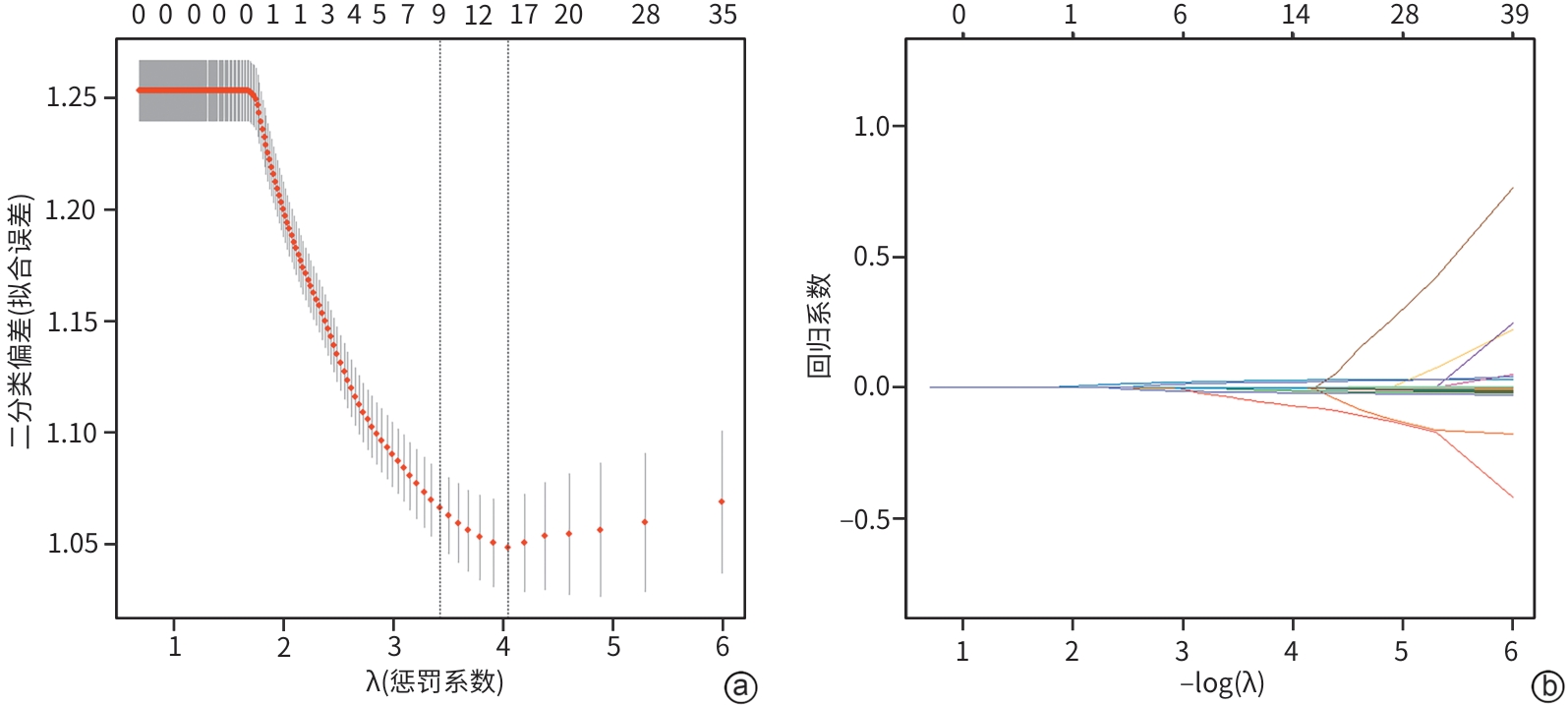
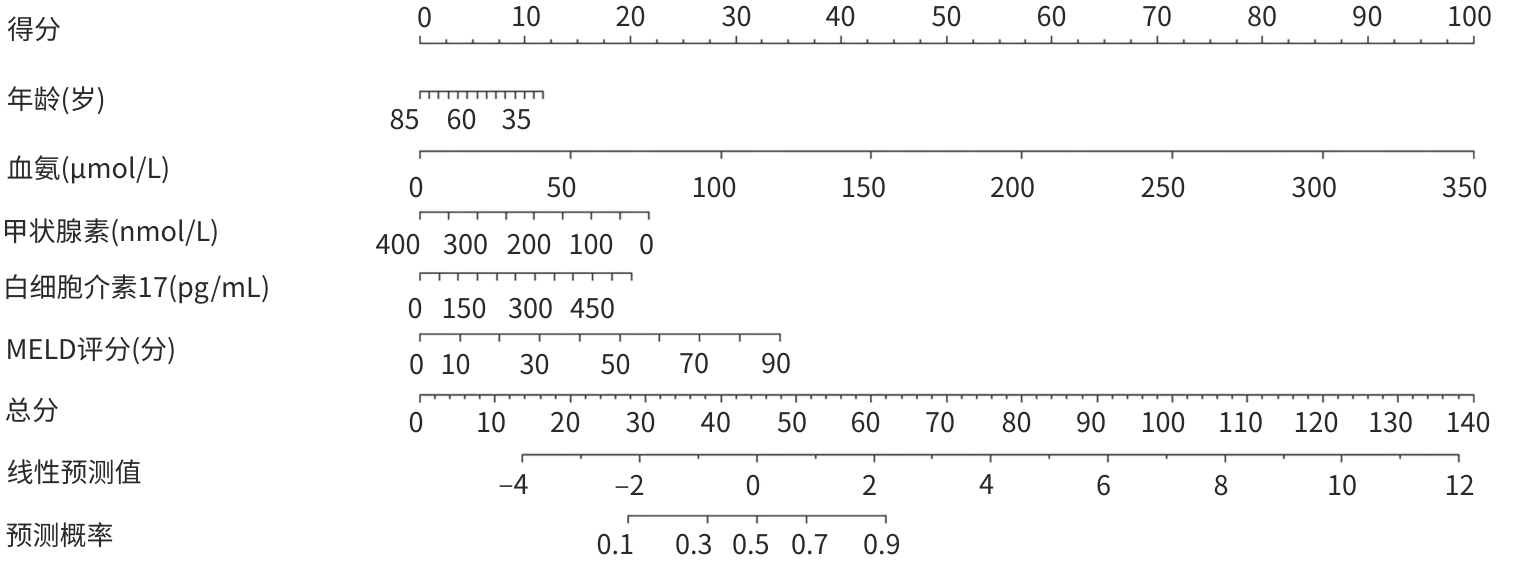
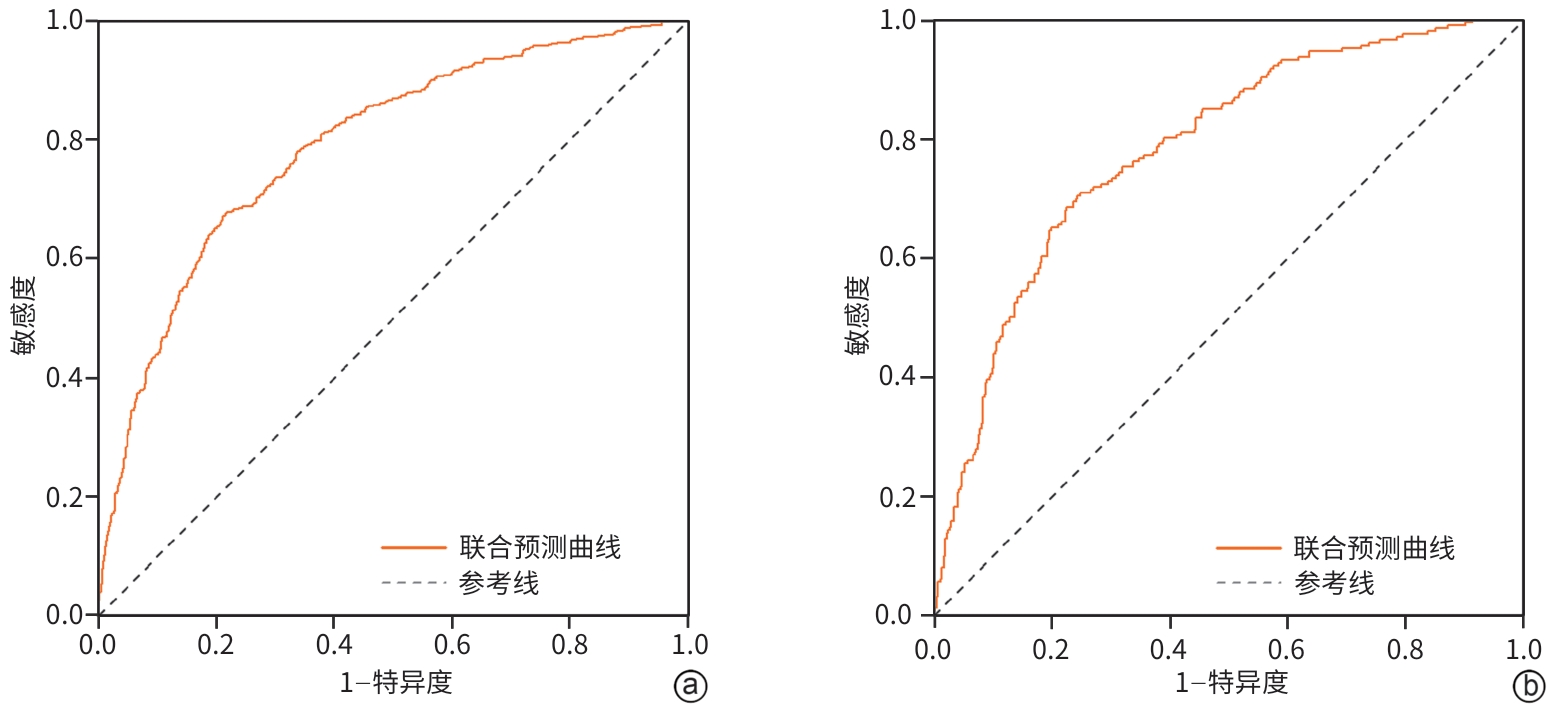
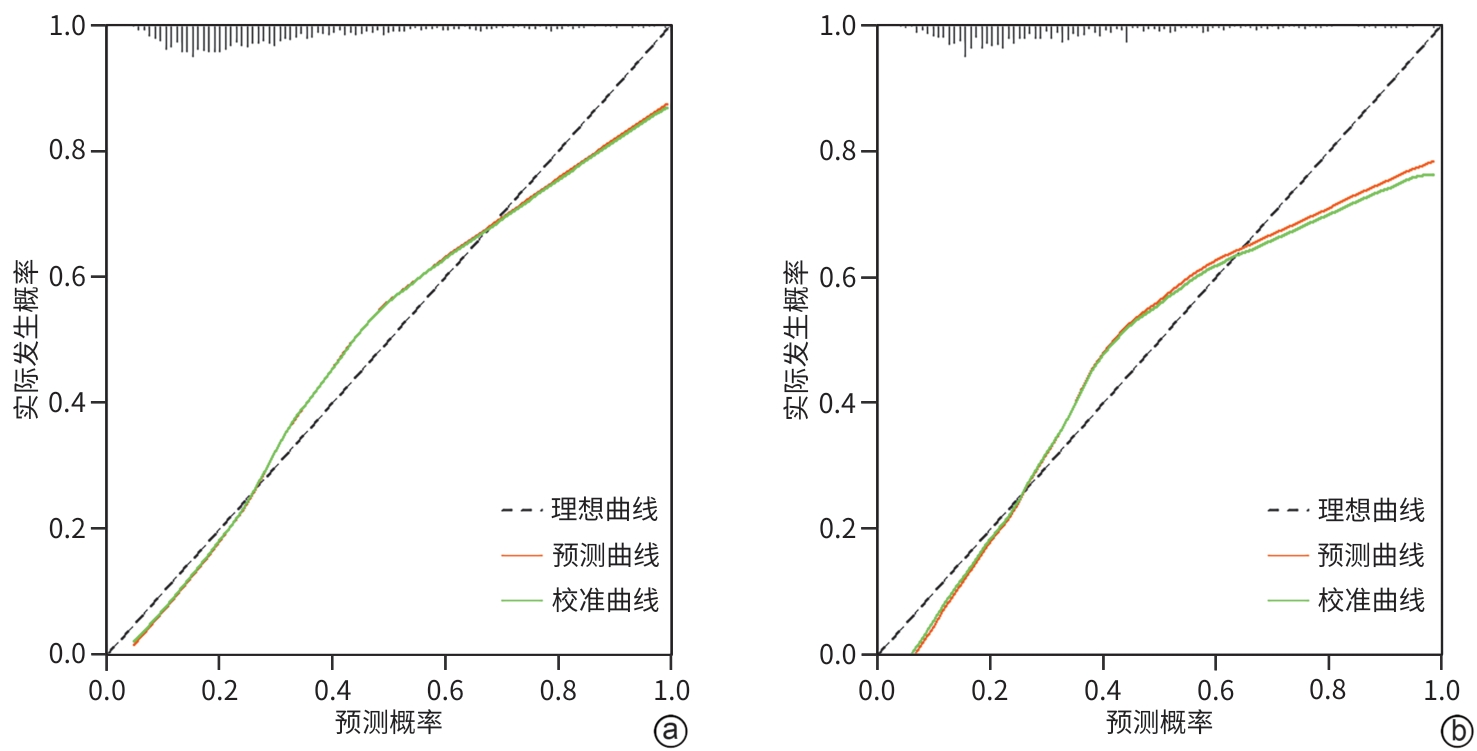
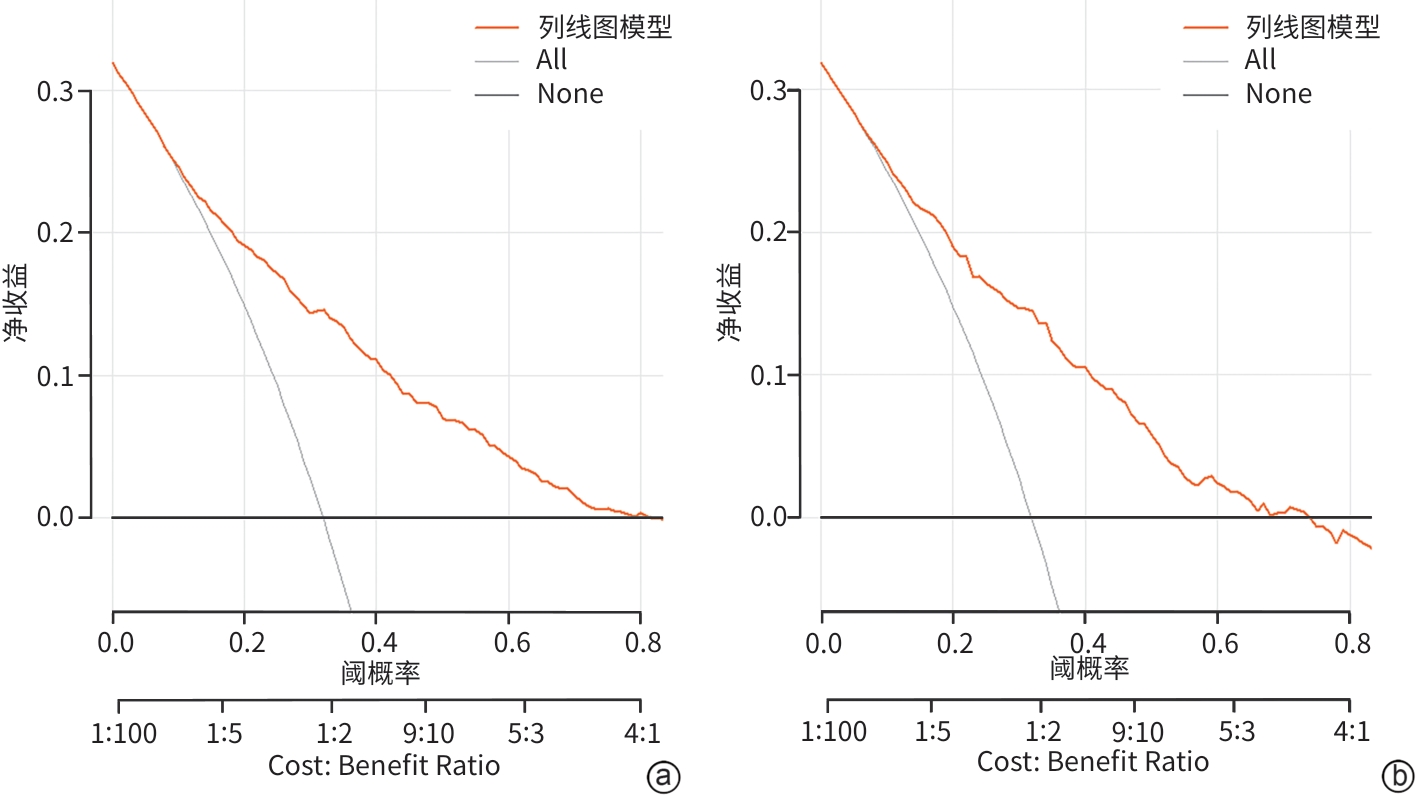
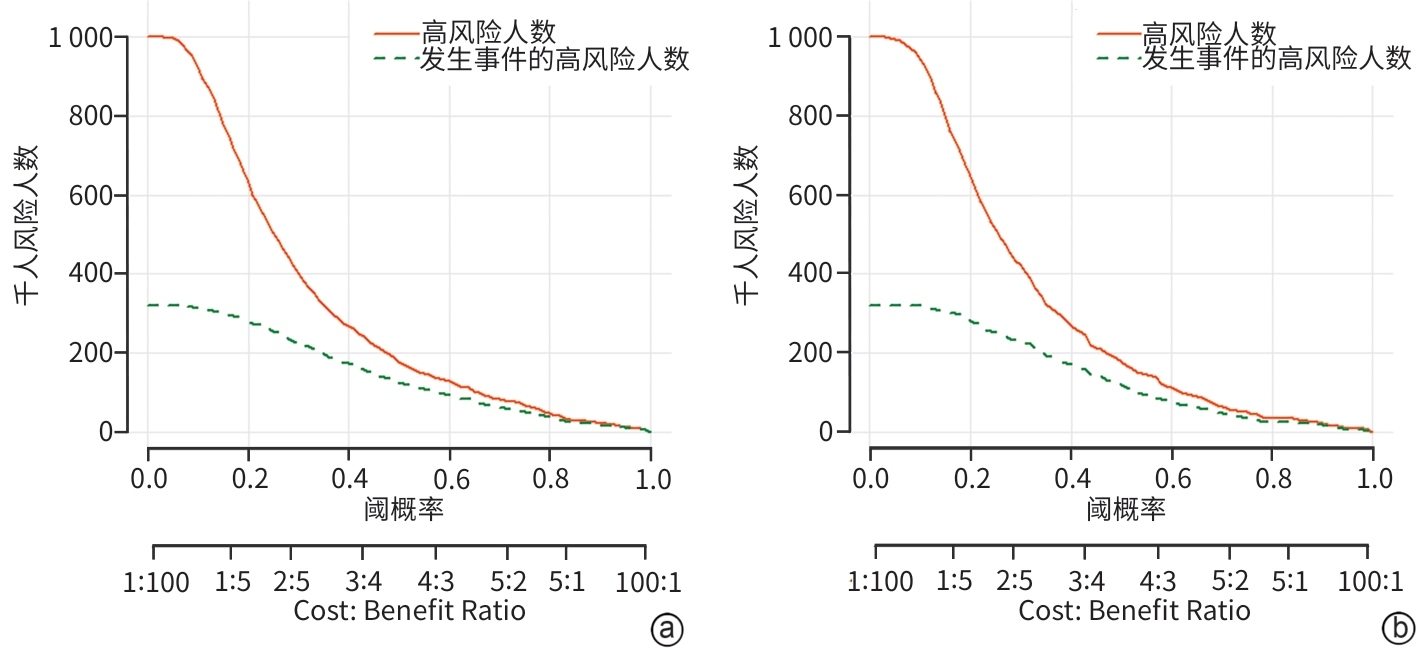
  Objective  To construct and validate a predictive model for hepatic encephalopathy (HE) in patients with end-stage liver disease (ESLD) by combining key indicators such as cytokines and Model for End-Stage Liver Disease (MELD) score, and to provide evidence-based support for the early identification of high-risk populations and the optimization of intervention strategies in clinical practice.  Methods  A retrospective analysis was performed for 2 167 patients with ESLD who were admitted to The Third People’s Hospital of Kunming from January 2022 to December 2024, the patients were divided into a training set with 1 517 patients and a validation set with 650 patients at a ratio of 7∶3 using the stratified random sampling method. A univariate analysis and a least absolute shrinkage and selection operator (LASSO) regression analysis were performed for the training set to identify potential influencing variables, and then a binary Logistic regression model was constructed to investigate the independent influencing factors for HE in ESLD patients. A nomogram prediction model was established based on this regression model, and the Hosmer-Lemeshow goodness-of-fit test was performed. The receiver operating characteristic (ROC) curve, calibration curves, decision curve analysis, and clinical impact curve were used to comprehensively evaluate the degree of fit, accuracy, consistency, and clinical practicability of the predictive model derived from the training set. The Mann-Whitney U test was used for comparison of non-normally distributed quantitative data between two groups. The chi-square test or Fisher exact test was used for comparison of categorical data between two groups.  Results  The univariate analysis showed that there were significant differences between the study group and the control group in age, sex, blood ammonia, lymphocytes, hemoglobin, platelet count, prothrombin time, fibrinogen, international normalized ratio, total bilirubin, aspartate aminotransferase, total protein, albumin, prealbumin, alkaline phosphatase, cholinesterase, total bile acid, triglyceride, total cholesterol, high-density lipoprotein, low-density lipoprotein, blood glucose, CD3+ T cells, CD4+ T cells, CD8+ T cells, high-sensitivity C-reactive protein, carcinoembryonic antigen, triiodothyronine, thyroxine, free triiodothyronine, free thyroxine, interleukin-1β, interleukin-5, interleukin-6, interleukin-8, interleukin-12p70, interleukin-17, interferon-γ, and MELD score (all P<0.05). The LASSO regression analysis identified nine variables of age, blood ammonia, albumin, prealbumin, cholinesterase, total cholesterol, thyroxine, interleukin-17, and MELD score, and the binary Logistic regression analysis showed that blood ammonia, interleukin-17, and MELD score were independent risk factors for HE in ESLD patients, while age and thyroxine were independent protective factors (all P<0.05). A nomogram model was constructed based on these five variables. The Hosmer-Lemeshow goodness-of-fit test in the training set showed a good degree of fit (P=0.207), with a McFadden’s pseudo-R2 of 0.184, suggesting that the model had acceptable explanatory power; the Hosmer-Lemeshow goodness-of-fit test in the internal validation set further confirmed the calibration stability of the model (P=0.067), suggesting that the model had a good degree of fit in independent data. The model had an area under the ROC curve of 0.784 in the validation set, with a sensitivity of 0.710 and a specificity of 0.752. The mean absolute error of the calibration curve was 0.067, and decision curve analysis and clinical impact curve showed that the nomogram model had positive net benefit and good clinical practicability.  Conclusion  The nomogram model constructed based on age, blood ammonia, thyroxine, interleukin-17, and MELD score for predicting HE in patients with ESLD has a good degree of fit, high accuracy and consistency, and excellent clinical practicability.
Biliary Disease
Efficacy and safety of primary duct closure versus T-tube drainage in treatment of recurrent choledocholithiasis
Minqiang Ren, Wanchao Wang, Shuqing Cui, Xiaodong Meng, Siqing Liu
2026, 42(7): 1648-1655. DOI: 10.12449/JCH260722
Abstract(64) HTML (23) PDF (745KB)(13)
Abstract:
  Objective  To provide a clinical reference for rational selection of the methods for common bile duct closure after laparoscopic common bile duct exploration (LCBDE) in patients with recurrent choledocholithiasis (RCL).  Methods  A retrospective analysis was performed for the clinical data of 121 patients with RCL who underwent LCBDE in the Department of Hepatopancreatobiliary Surgery, The Affiliated Hospital of North China University of Science and Technology, from February 2022 to December 2025, and according to the method for common bile duct closure, the patients were divided into primary duct closure group (PDC group with 58 patients) and T-tube drainage group (TTD group with 63 patients). The two groups were compared in terms of time of operation, drainage volume on day 1 after surgery, total bilirubin level on day 3 after surgery, time to diet after surgery, time to drainage tube removal after surgery, common bile duct diameter at 1 week after surgery, length of postoperative hospital stay, total hospitalization costs, and complications, and the risk factors for postoperative complications were analyzed. The independent-samples t test or the Mann-Whitney U test was used for comparison of continuous data between groups, and the chi-square test or the Fisher’s exact test was used for comparison of categorical data between groups. The multivariate Logistic regression analysis was used to identify influencing factors for postoperative complications.  Results  Compared with the TTD group, the PDC group had a significantly shorter time of operation [48.50 (39.00 — 59.25) min vs 55.00 (46.00 — 69.00) min, Z=-2.726, P=0.006], a significantly lower level of total bilirubin on day 3 after surgery [17.25 (14.43 — 21.30) μmol/L vs 20.06 (16.40 — 29.30) μmol/L, Z=-2.950, P=0.003], a significantly shorter time to diet after surgery [1 (1 — 1) d vs 1 (1 — 2) d, Z=-4.506, P<0.001], a significantly shorter time to drainage tube removal after surgery [7 (7 — 7) d vs 8 (8 — 9) d, Z=-9.693, P<0.001], a significantly shorter length of postoperative hospital stay [8 (8 — 8) d vs 10 (9 — 11) d, Z=-8.960, P<0.001], and significantly lower total hospitalization costs [21 750 (20 369 — 23 310) yuan vs 24 889 (23 438 — 26 920) yuan, Z=-5.572, P<0.001], and common bile duct diameter at 1 week after surgery in the PDC group was closer to the normal physiological anatomical structure of the biliary tract compared with that in the TTD group [1.0 (0.9 — 1.1) cm vs 1.0 (1.0 — 1.1) cm, Z=-2.064, P=0.039]. Compared with the TTD group, the PDC group had significantly lower incidence rates of total complications (10.34% vs 26.98%, P=0.024) and electrolyte disturbance (1.72% vs 15.87%, P=0.006). The multivariate logistic regression analysis showed that common bile duct diameter <1.3 cm before surgery and total bilirubin level ≥21.0 μmol/L before surgery were independent risk factors for postoperative complications, while primary duct closure was an independent protective factor against postoperative complications (P<0.05).  Conclusion  Under the premise of strict control of indications, PDC after LCBDE for RCL patients can accelerate recovery and reduce complications and hospitalization costs, thereby demonstrating greater advantages in clinical application.
Clinical and pathological features of intrahepatic intraductal papillary neoplasm of the bile duct: An analysis of four cases
Ying Zhang, Qing Cao, Kaige Wang, Fan Jia, Yungang Zhang
2026, 42(7): 1656-1660. DOI: 10.12449/JCH260723
Abstract:
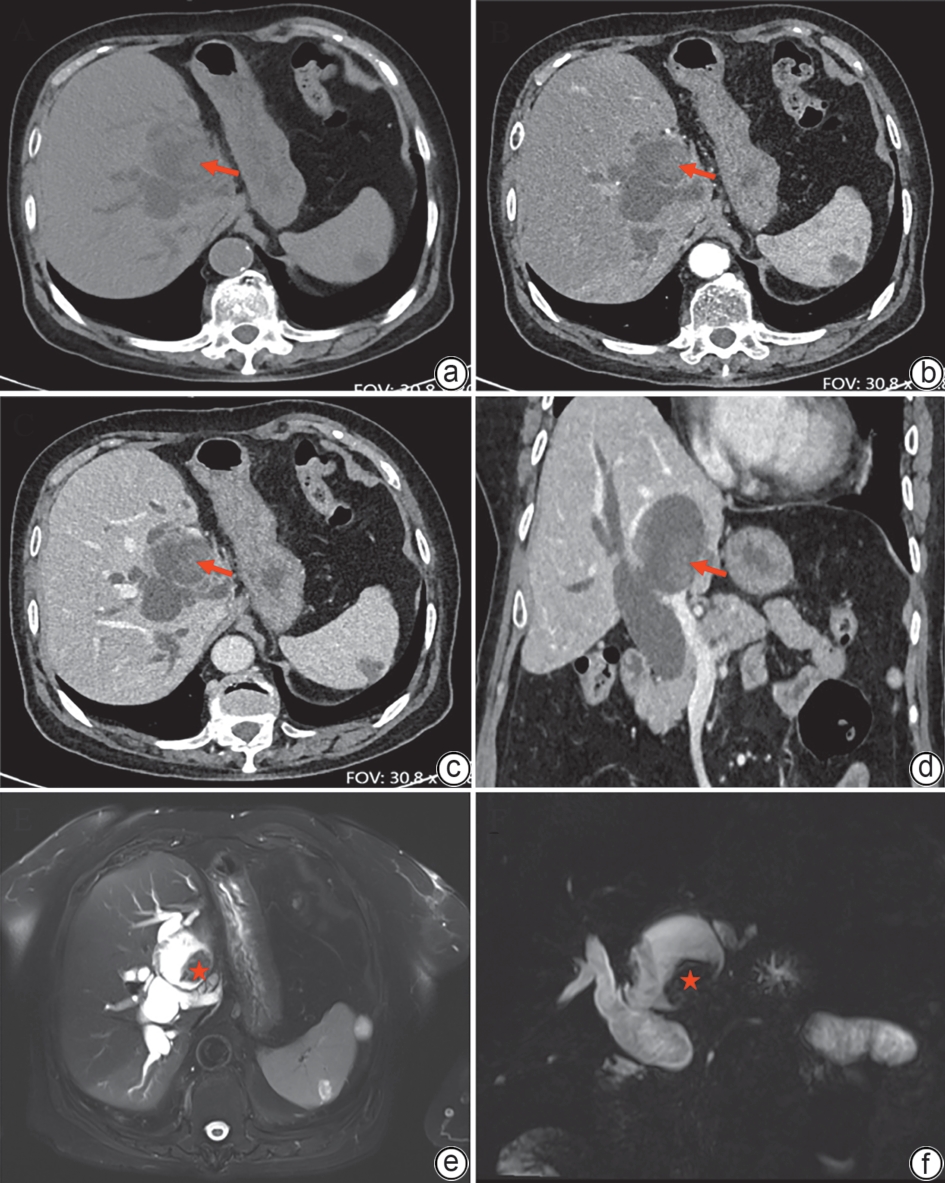
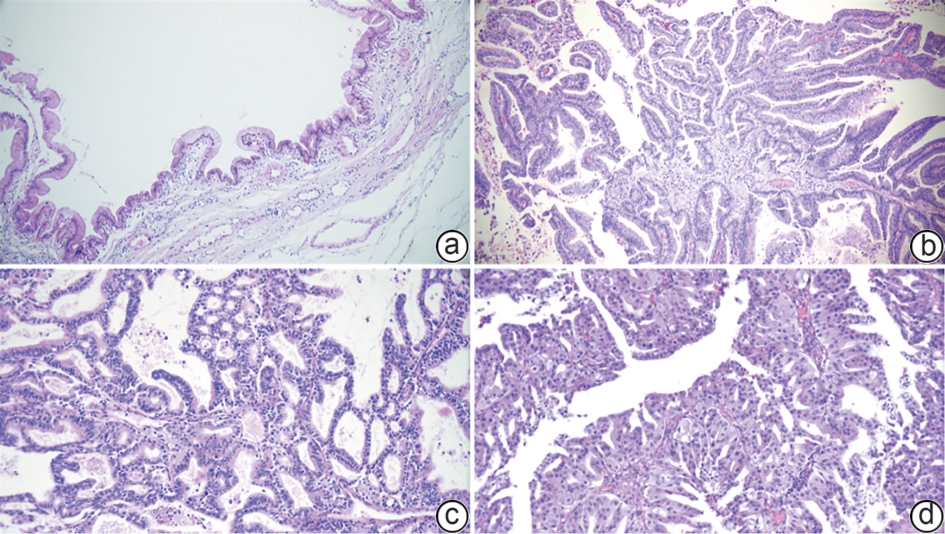
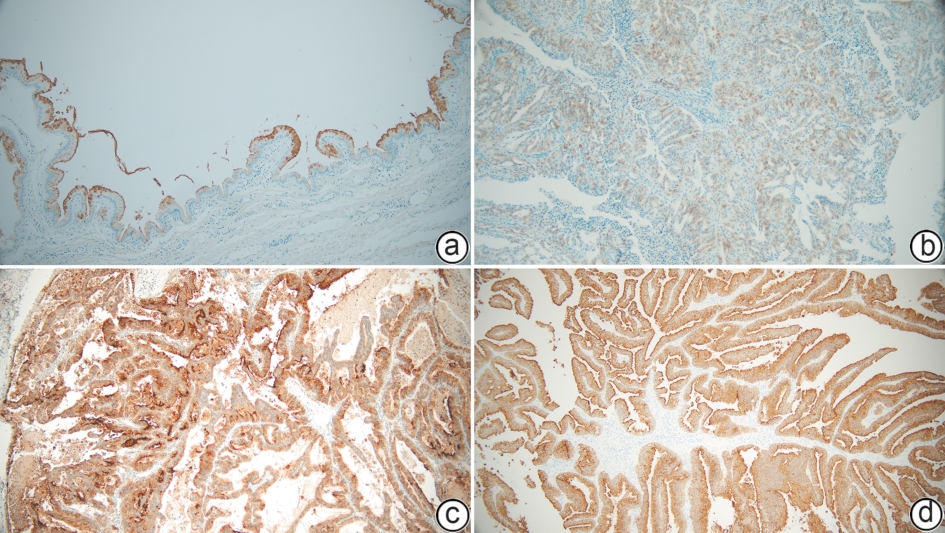
  Objective  To investigate the clinical and pathological features of intrahepatic intraductal papillary neoplasm of the bile duct (IPNB), and to improve the understanding, diagnosis, and treatment of this disease.  Methods  A retrospective analysis was performed for four patients who underwent surgical resection in Beijing Chaoyang Hospital, Capital Medical University, from January 2010 to December 2025 and were diagnosed with intrahepatic IPNB based on pathological examination. The clinical, imaging, and pathological features of these patients were summarized, and a literature review was performed for related articles in China and globally.  Results  Among the four patients, there were three female patients and one male patient, with a median age of 65 years, and clinical manifestations included jaundice, abdominal pain or diarrhea, and asymptomatic findings on physical examination. The main imaging manifestation was bile duct dilatation or solid-cystic space-occupying lesion. Pathological typing revealed one case each of the gastric, intestinal, pancreatobiliary, and oncocytic types, and there was one patient with low-grade intraepithelial neoplasia and three patients with high-grade intraepithelial neoplasia, among whom one patient also had invasive carcinoma.  Conclusion  Intrahepatic IPNB is a rare precancerous lesion of the liver with diverse clinical, imaging, and pathological manifestations, and radical surgical resection remains the cornerstone of treatment.
Pancreatic Disease
Clinical features of tumor-induced acute pancreatitis and construction of a machine learning prediction model
Chenhui Du, Yuqian Gao, Shuo Zhang, Tieying He, Xinling Cao
2026, 42(7): 1661-1669. DOI: 10.12449/JCH260724
Abstract:
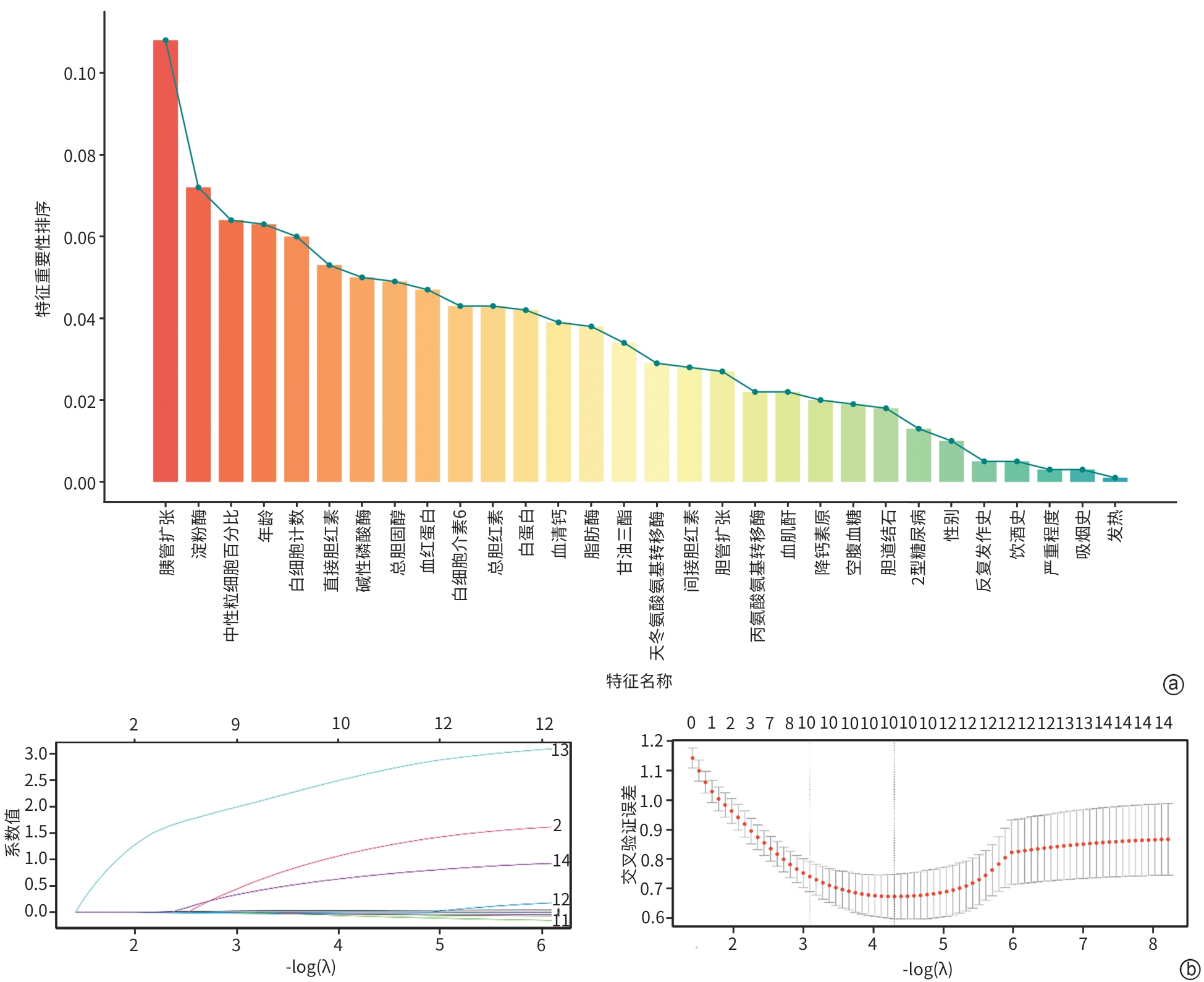
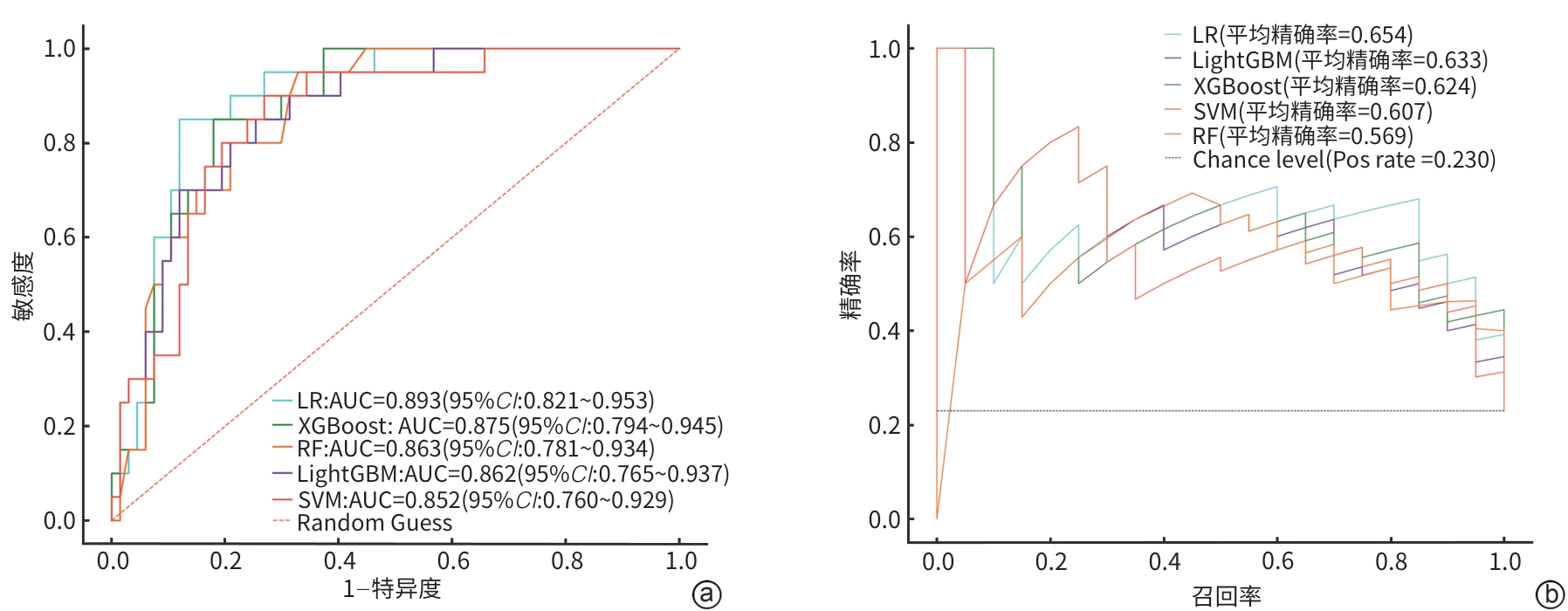
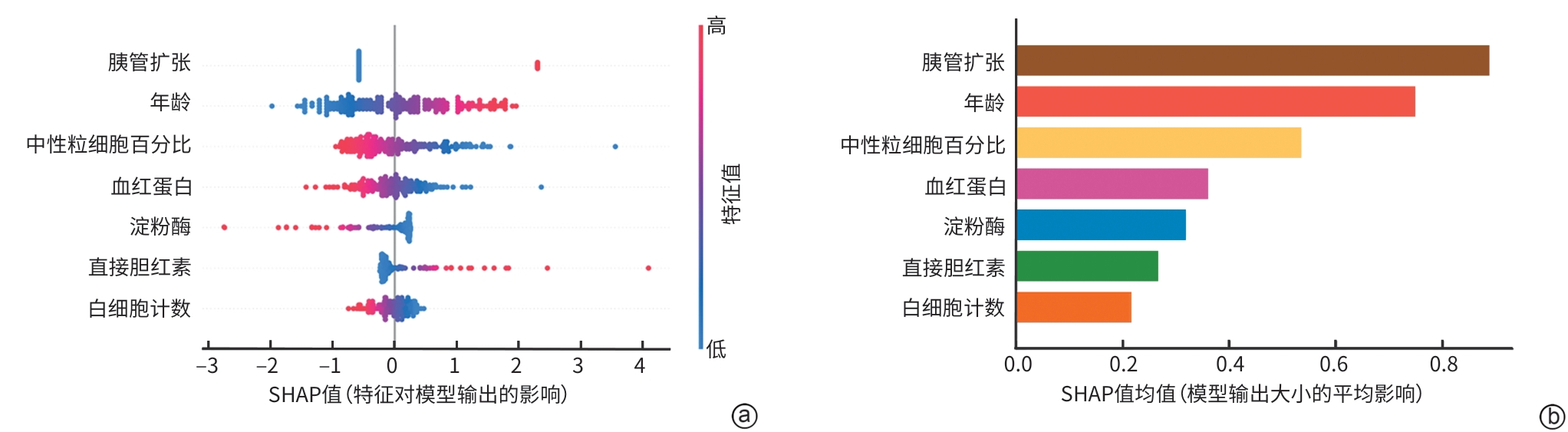
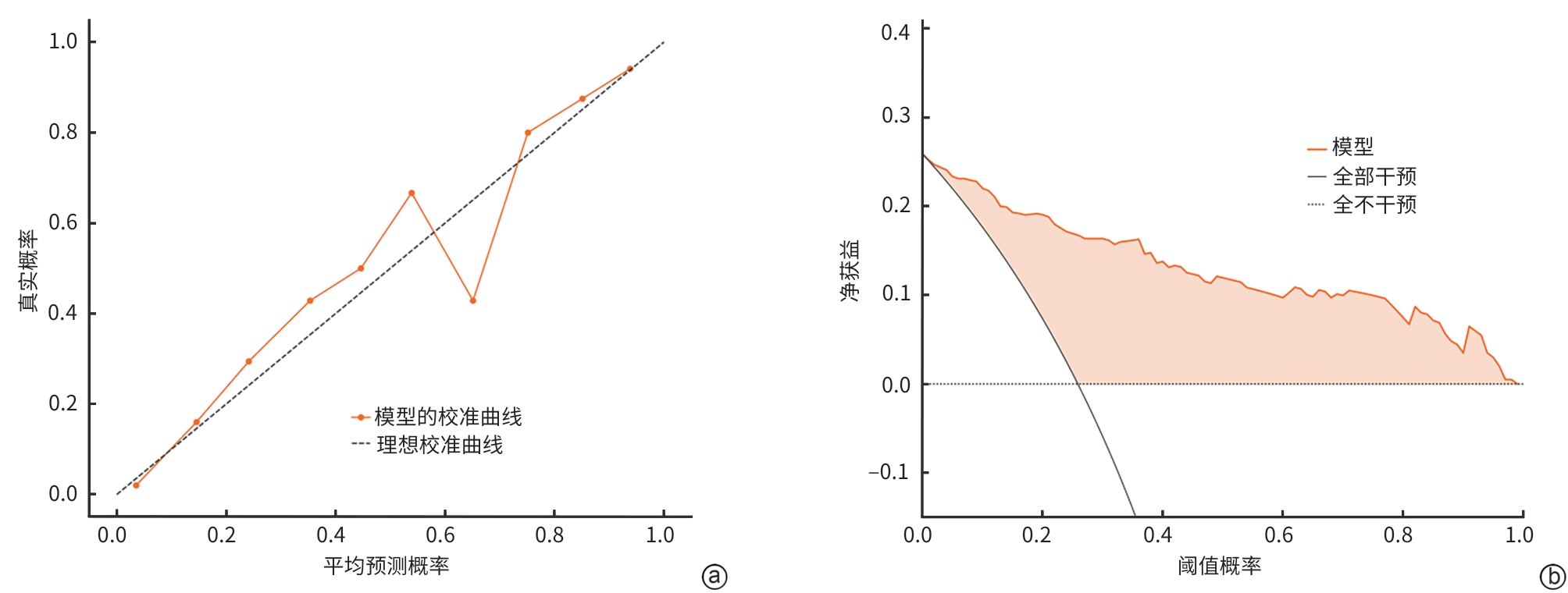
  Objective  To investigate the clinical features of tumor-induced acute pancreatitis (TIAP), to construct and validate a predictive model for TIAP, and to provide help for early identification in clinical practice.  Methods  A retrospective analysis was performed for the clinical data of 3 051 patients with acute pancreatitis (AP) who were admitted to The First Affiliated Hospital of Xinjiang Medical University from January 2020 to January 2026, among whom there were 72 patients with TIAP. To reduce class imbalance, 216 patients with non-tumor-related AP (2 979 patients) were randomly selected as conventional group using sex-stratified sampling, resulting in a cohort of 288 patients, and this cohort was randomly divided into a training set with 201 patients and a test set with 87 patients at a ratio of 7∶3. The two groups were compared in terms of general information and laboratory markers. The independent-samples t test was used for comparison of normally distributed continuous data between two groups, and the Mann-Whitney U test was used for comparison of non-normally distributed continuous data between two groups; the chi-square test was used for comparison of categorical data between two groups. Recursive feature elimination and least absolute shrinkage and selection operator regression were used for screening of characteristic variables, and five machine learning models were constructed, i.e., logistic regression model, random forest model, support vector machine model, extreme gradient boosting model, and light gradient boosting machine model. The receiver operating characteristic curve and the precision-recall curve were used to assess model performance; the calibration curve was used to assess goodness of fit; decision curve analysis was used to evaluate clinical applicability and practicality; Shapley additive explanations were used to assess model interpretability.  Results  In the training set of 201 patients, there were 52 patients (25.9%) in the TIAP group, and in the test set of 87 patients, there were 20 patients (23.0%) in the TIAP group. Compared with the conventional group, the TIAP group had a significantly higher proportion of patients with pancreatic duct dilatation (χ2=79.474, P<0.05), a significantly higher age (Z=-5.838, P<0.05), and significantly lower levels of white blood cell count (Z=5.630, P<0.05), amylase (Z=2.606, P<0.05), hemoglobin (Z=5.038, P<0.05), and neutrophil percentage (Z=5.269, P<0.05), as well as a lower level of direct bilirubin (Z=0.936, P>0.05). The five machine learning models constructed based on these seven variables had a certain predictive ability, among which the logistic regression model had the best performance in the test set, with an area under the curve of 0.893 (95% confidence interval: 0.821 — 0.953), an average precision of 0.654 in the precision-recall curve, good calibration, and good clinical benefits based on the decision curve analysis.  Conclusion  The predictive model for TIAP based on pancreatic duct dilatation, age, white blood cell count, amylase, hemoglobin, neutrophil percentage, and direct bilirubin shows good predictive performance and can provide important guidance for the early diagnosis of TIAP.
Case Report
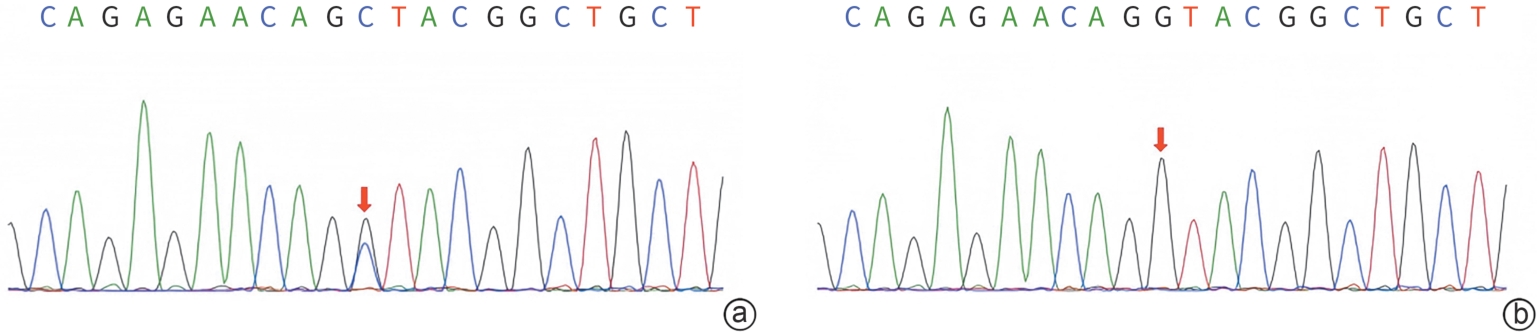
Clinical effect of functional genomic analysis combined with individualized drug selection in treatment of autosomal dominant polycystic kidney disease with congenital hepatic fibrosis: A case report
Kaidi Zhu, Jianzeng Zhang, Hongyi Li, Mengqi Yuan, Ziying Zhang, Zhe Xu, Hongling Liu, Fusheng Wang, Xuechun Lu, Lei Shi
2026, 42(7): 1670-1676. DOI: 10.12449/JCH260725
Abstract:
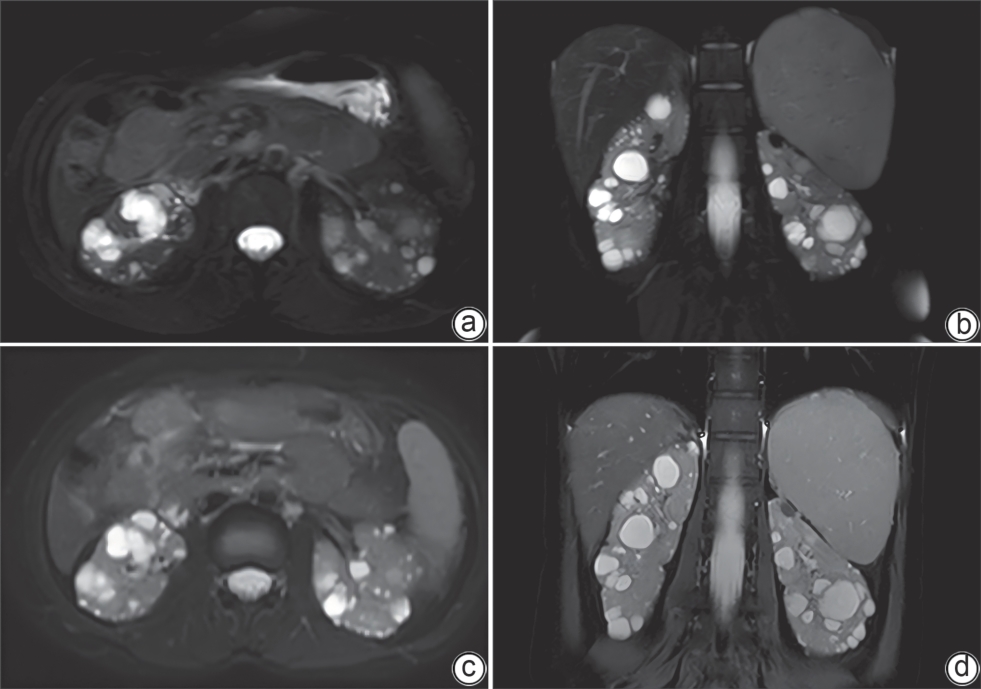
Autosomal dominant polycystic kidney disease (ADPKD) is a systemic hereditary renal disorder and can affect multiple organs, and congenital hepatic fibrosis is one of the manifestations of liver involvement and is an important complication of ADPKD. Symptomatic management is currently the main treatment method for this disease, and disease-specific drugs such as tolvaptan have limited indications and cannot correct the underlying genetic defect. This article reports a case of ADPKD with congenital hepatic fibrosis, and sirolimus was identified as the individualized treatment regimen based on peripheral blood functional genomic analysis and drug sensitivity prediction platform. The patient achieved significant improvements in symptoms and quality of life after treatment, with a stable kidney volume. This case shows that functional genomics has a potential value in guiding individualized treatment of rare genetic disorders, which provides new treatment ideas and practice paths for similar patients.
Review
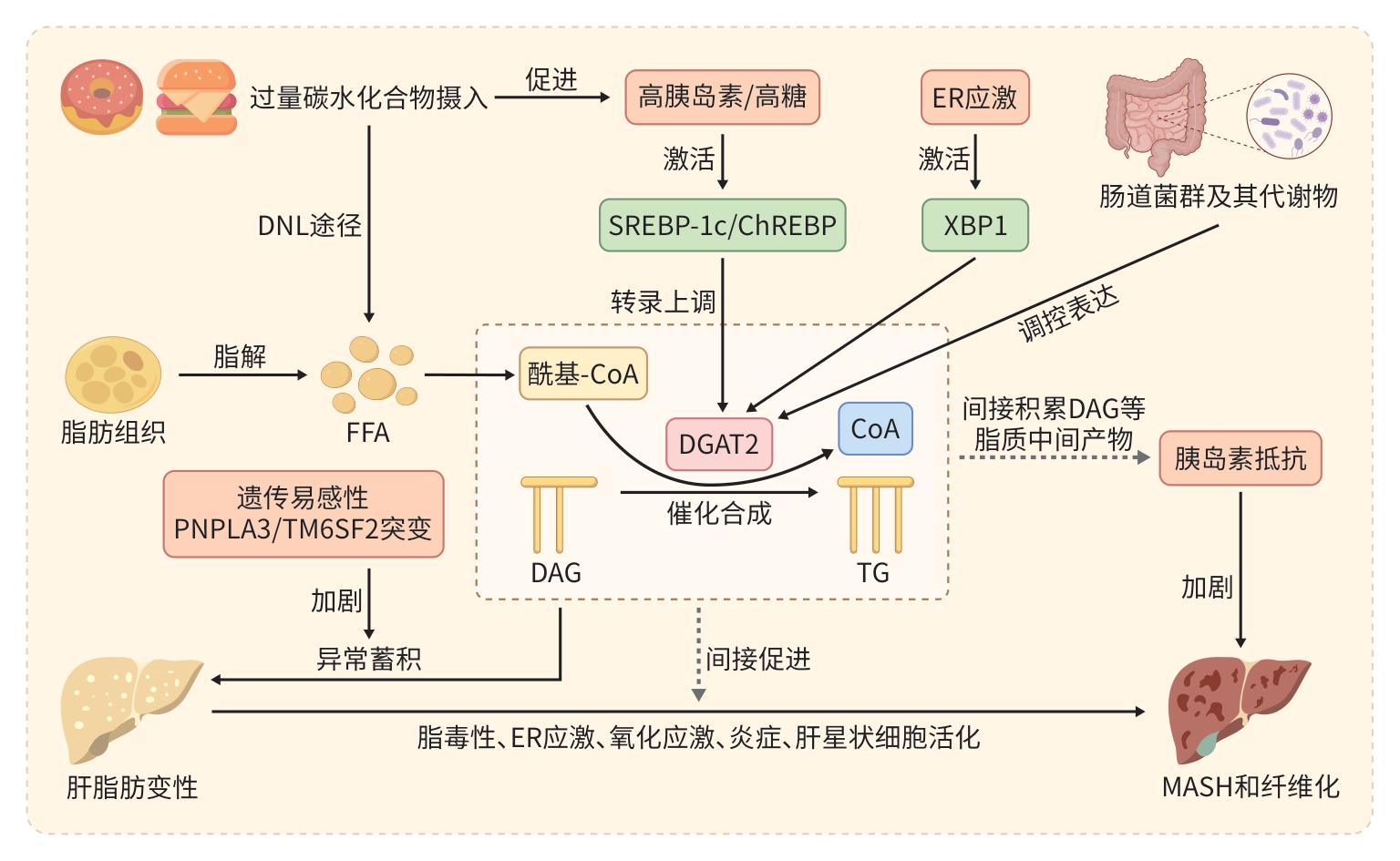
Mechanism of action of 2-acylglycerol O-acyltransferase 2 in metabolic associated fatty liver disease and related targeted therapies
Jingjing He, Xinyi Zhang, Na Ding, Yanan Hao, Ya Zheng, Rui Ji
2026, 42(7): 1677-1682. DOI: 10.12449/JCH260726
Abstract(62) HTML (18) PDF (897KB)(14)
Abstract:
Metabolic associated fatty liver disease (MAFLD) has become one of the most prevalent chronic liver diseases worldwide, with the core pathological feature of pathological accumulation of triglycerides in hepatocytes, and as a key rate-limiting enzyme for triglyceride synthesis in the liver, 2-acylglycerol O-acyltransferase 2 (DGAT2) plays a central role in this process. Cell and animal model studies have confirmed that inhibition of DGAT2 can effectively alleviate hepatic steatosis and delay disease progression, and subsequent clinical trials have also shown the potential clinical application value in the treatment of MAFLD. This article systematically reviews the mechanism of action of DGAT2 in the development and progression of MAFLD and comprehensively summarizes the therapeutic strategies targeting DGAT2, including the advances in both monotherapy and drug combinations, in order to provide new ideas for individualized treatment of MAFLD patients.
Clinical evaluation of liver fibrosis regression: A multimodal precision strategy based on histology, serology, and imaging
Yizhou Liu, Qiannan Jiang, Hong You, Xiaoning Wu
2026, 42(7): 1683-1687. DOI: 10.12449/JCH260727
Abstract(60) HTML (21) PDF (703KB)(19)
Abstract:
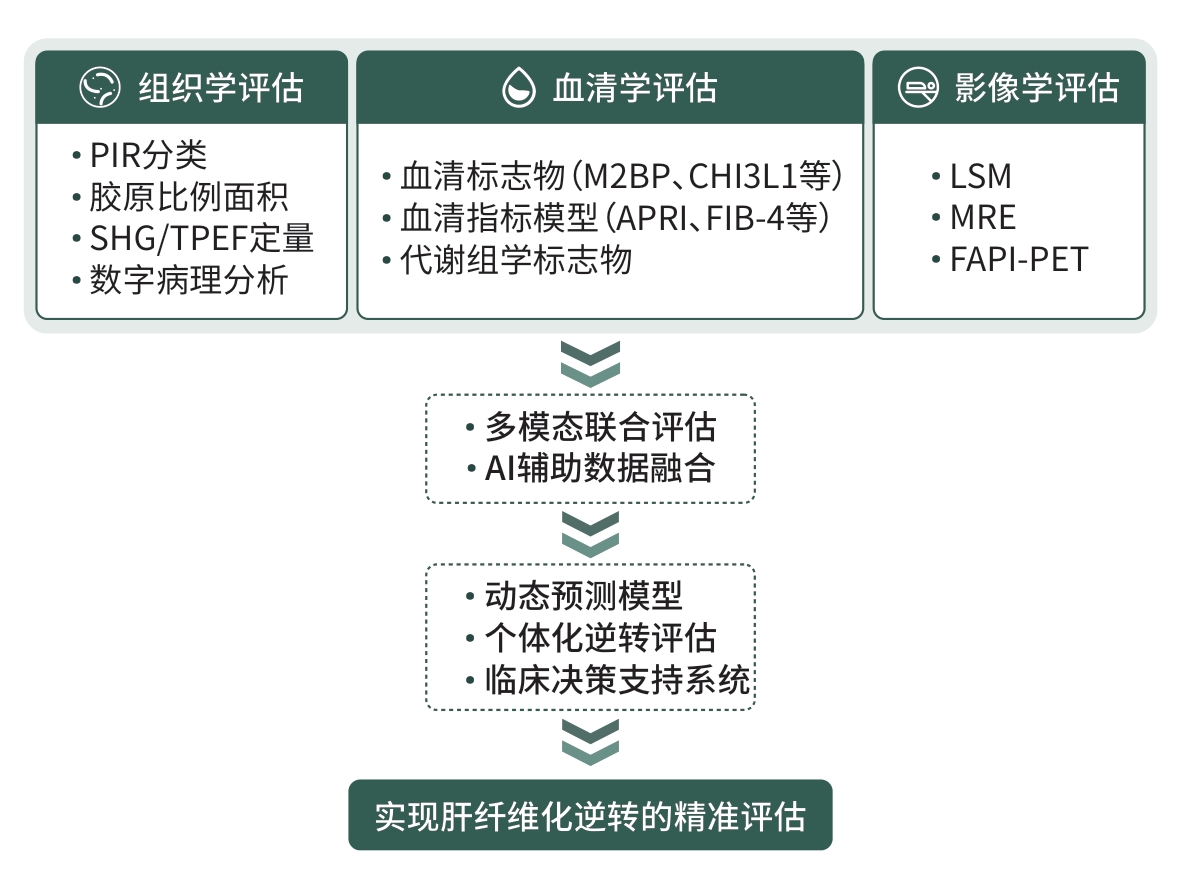
Liver fibrosis is a key pathological stage in the progression of chronic liver diseases to liver cirrhosis, and effective etiological control or therapeutic interventions can help to achieve varying degrees of liver fibrosis regression in some patients. Accordingly, accurate assessment of the degree of liver fibrosis regression has gradually become an important concern in clinical management and the development of novel therapeutic agents. Conventional assessment methods mainly focus on fibrosis staging and have certain limitations in reflecting structural remodeling and dynamic changes of the liver. This article systematically reviews the recent research advances in the assessment of liver fibrosis regression from various aspects such as histological and digital pathology, serological and multi-omics biomarkers, and functional and molecular imaging modalities and discusses their respective advantages and limitations in assessing liver fibrosis regression. On this basis, this article discusses a multimodal integrated evaluation strategy based on artificial intelligence, in order to provide new ideas for accurate assessment of liver fibrosis regression, individualized therapeutic monitoring, and optimization of clinical trial endpoints.
Mechanism of action of flavonoids in the treatment of hepatic fibrosis and related signaling pathways
Wenxuan Guo, Hongmei Liu, Zhezhu Jin, Chenghao Li
2026, 42(7): 1688-1697. DOI: 10.12449/JCH260728
Abstract:
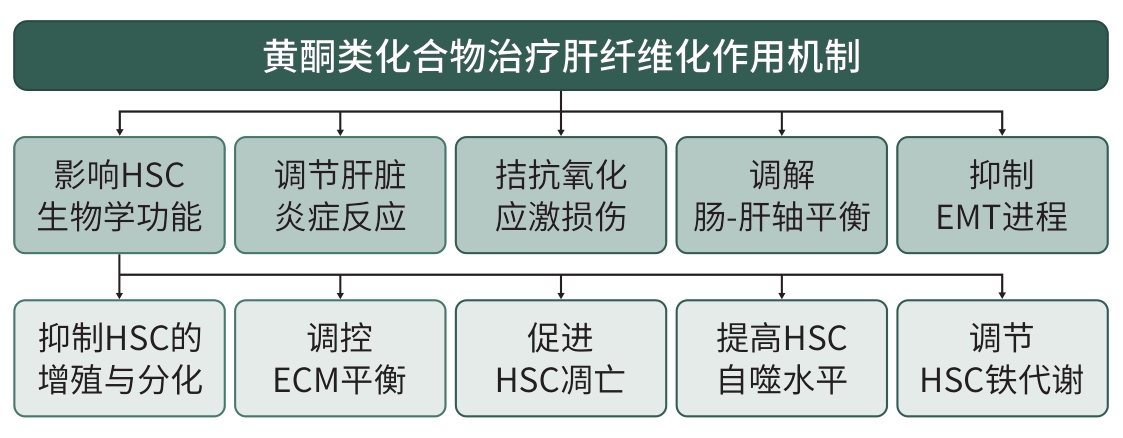
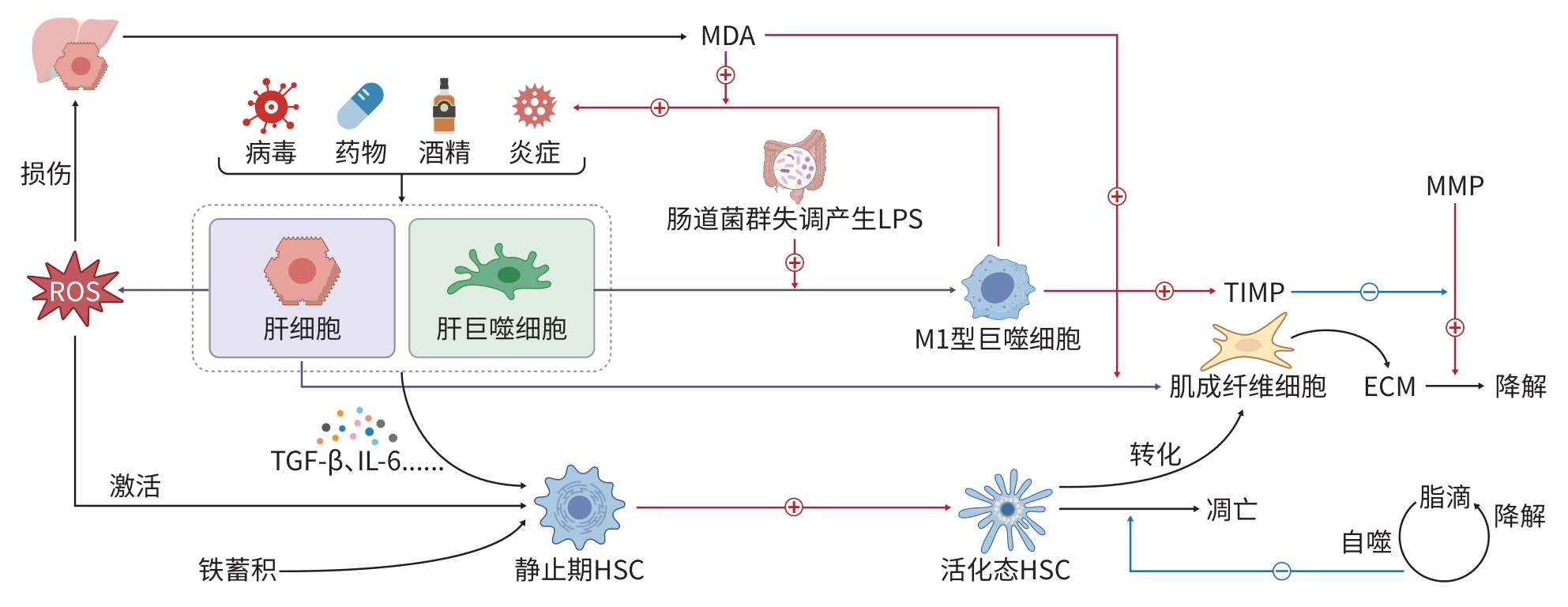
The incidence rate of hepatic fibrosis remains at a high level, and there is still a lack of specific therapeutic drugs, posing a serious threat to human health. As a type of natural active components widely present in plants, flavonoids have multiple physiological functions such as antioxidant, anti-inflammatory, and anti-fibrotic activities, and a large number of studies have confirmed the anti-hepatic fibrosis effect of flavonoids. As for the mechanism of action, flavonoids can target the functions of hepatic stellate cells by inhibiting their proliferation and differentiation, promoting their apoptosis, regulating the level of autophagy, reducing the formation of extracellular matrix, and regulating iron metabolism in hepatic stellate cells, and meanwhile, they can inhibit chronic liver inflammatory response, improve oxidative stress status, regulate intestinal flora balance, and block epithelial-mesenchymal transition, thereby blocking the progression of fibrosis through multiple dimensions. At the level of signaling pathways, flavonoids mainly exert an anti-fibrotic effect by regulating the abnormal activation of the signaling pathways such as transforming growth factor-β1/Smad, Janus kinase/signal transducer and activator of transcription, nuclear factor erythroid 2-related factor 2, nuclear factor-kappa B, phosphatidylinositol 3-kinase/protein kinase B, mitogen-activated protein kinase, Wnt/β-catenin, and adenosine 5'-monophosphate-activated protein kinase. This article summarizes the research advances in the anti-fibrotic effect of flavonoids, in order to provide a theoretical basis for further exploring their medicinal potential.
Current application and resistance mechanisms of sintilimab combined with bevacizumab in advanced hepatocellular carcinoma
Linglong Liu, Yan Liu
2026, 42(7): 1698-1703. DOI: 10.12449/JCH260729
Abstract(78) HTML (20) PDF (684KB)(16)
Abstract:
Hepatocellular carcinoma (HCC) imposes a significant global disease burden, and the development of HCC is closely associated with an immunosuppressive tumor microenvironment. Systemic therapy for advanced HCC has entered the era of immune combination therapy. The ORIENT-32 study has established the regimen of sintilimab combined with bevacizumab as the first-line therapy, and multiple real-world studies have confirmed its clinical value. Overcoming drug resistance remains a major challenge during the application of various combination regimens of targeted therapy and immunotherapy, including this particular regimen. Current research focus is gradually shifting toward deciphering its clinical phenotypes and molecular mechanisms, while promoting the clinical translation of biomarkers from static prediction to dynamic monitoring. In the future, overcoming drug resistance, optimizing combination strategies, and achieving precise individualized treatment are key to enhancing the survival benefit of patients. This article systematically evaluates the efficacy and safety of the sintilimab+bevacizumab regimen in a real-world setting, preliminarily discusses its drug resistance mechanism, and reviews the research advances in the biomarkers for predicting treatment response and guiding drug resistance overcoming, in order to provide a basis for optimizing the precise treatment strategies for advanced HCC.
Research advances in butyrogenic microbes and butyrate in the treatment of hepatocellular carcinoma
Lu Yin, Haiqing Wang
2026, 42(7): 1704-1709. DOI: 10.12449/JCH260730
Abstract:
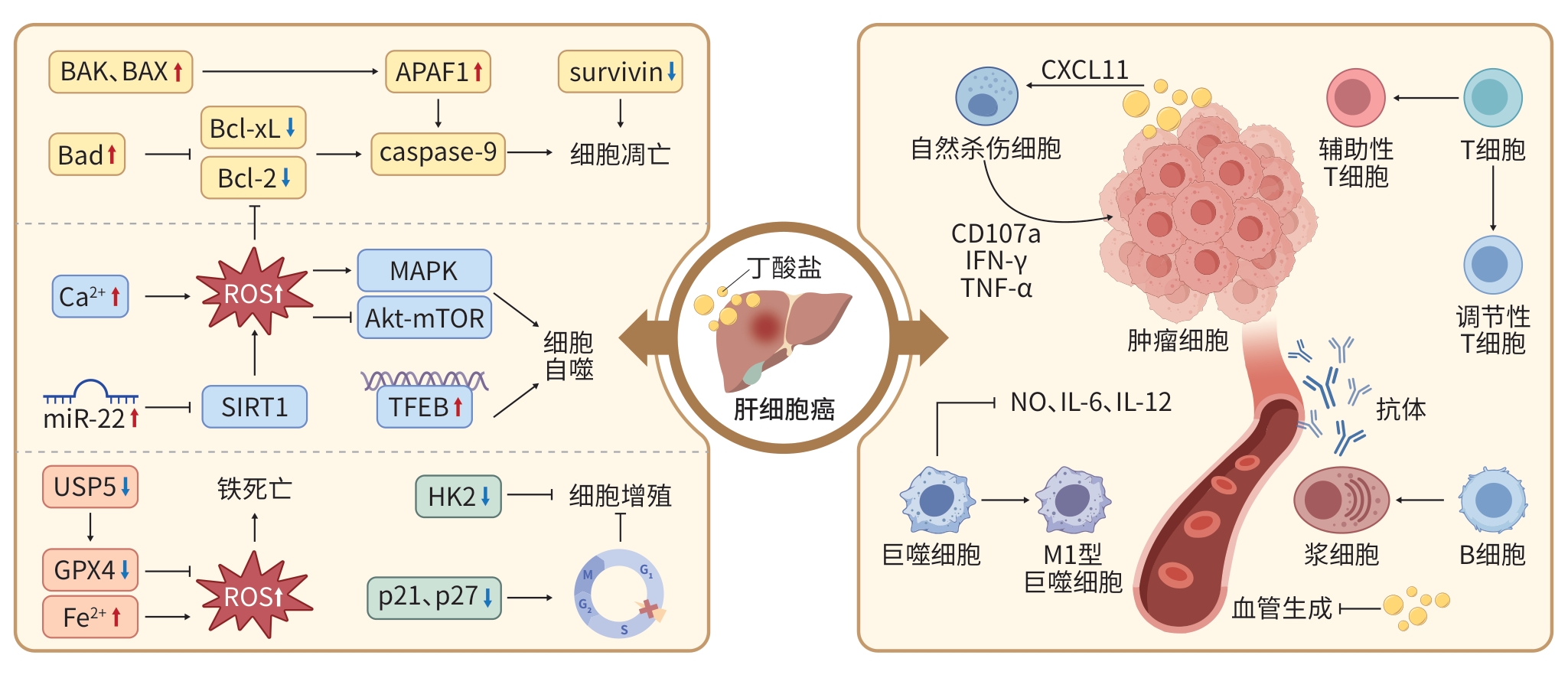
Hepatocellular carcinoma (HCC) is a hepatic malignancy with a high mortality rate, and the development and progression of HCC is closely associated with gut microbiota and their metabolites. Butyrate is a kind of short-chain fatty acid produced by gut microbiota through metabolism, and it plays an important role in various aspects such as protecting intestinal barrier, regulating immune response, and exerting an antitumor effect. Notably, there is a reduction in the abundance of butyrogenic microbes and dysregulation of butyrate metabolism in patients with HCC, which provides new ideas for the treatment of HCC based on microbes and their metabolites. Current studies have preliminarily shown that butyrogenic microbes and butyrate exhibit both predictive and synergistic effects in the treatment of HCC and thus have broad prospects for clinical application. This article systematically elaborates on their characteristics in the progression of HCC, summarizes related research advances in their combination with systemic treatment strategies, and provides new insights for future research directions, in order to promote their clinical application.
Metabolomic features of energy metabolic dysregulation and related targeted therapeutic strategies in acute-on-chronic liver failure
Xinxin Chen, Juan Luo, Fengqin Ye, Zhengyuan Mo, Xiufeng Wang
2026, 42(7): 1710-1716. DOI: 10.12449/JCH260731
Abstract:
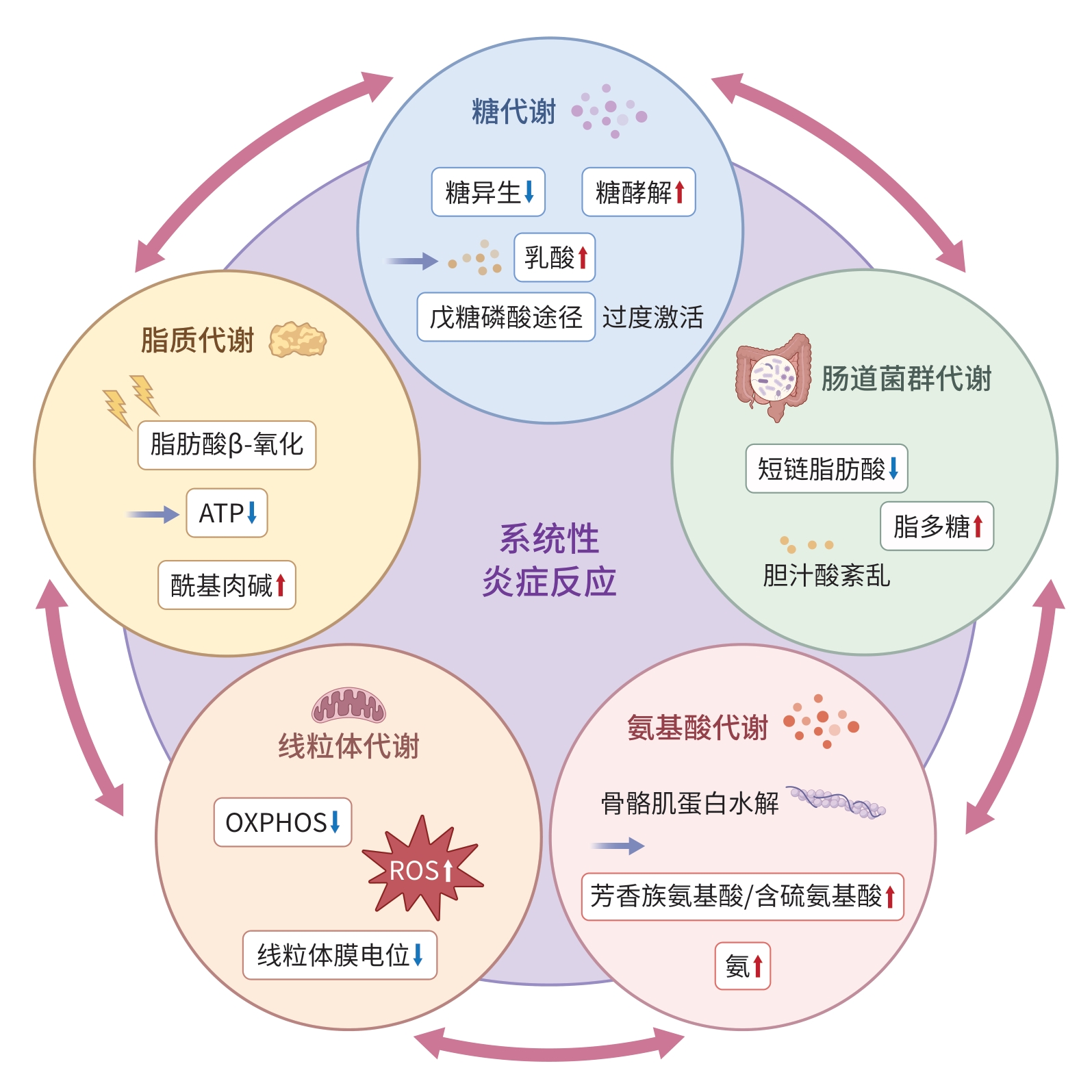
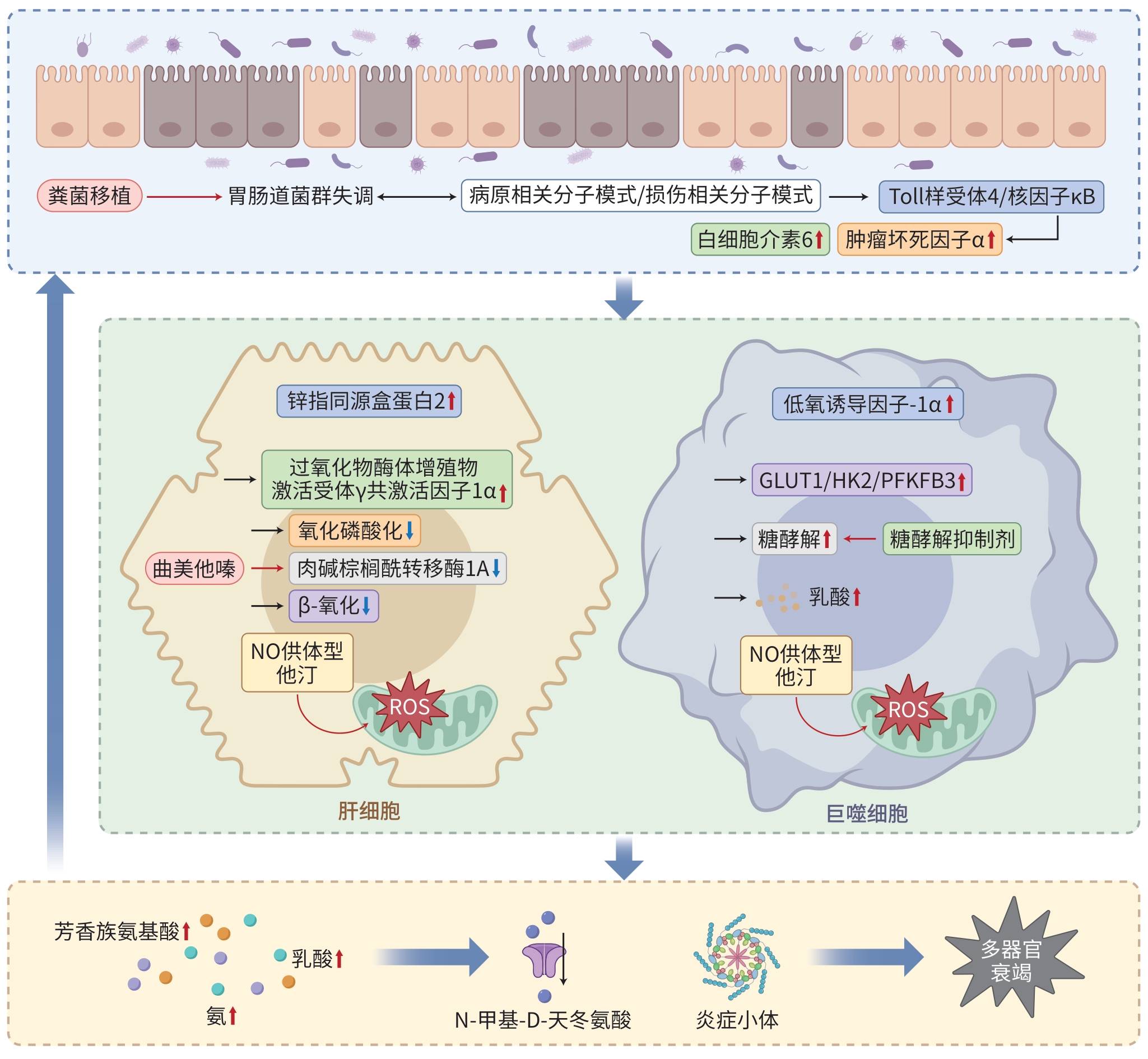
Acute-on-chronic liver failure is an acute decompensated syndrome that occurs on the basis of chronic liver disease and is characterized by a high short-term mortality rate. Metabolomics reveals the presence of significant energy metabolic reprogramming, manifesting as extensive dysregulation of glucose/lipid/amino acid metabolism, mitochondrial metabolism, and intestinal flora, and it closely interacts with systemic inflammation and immune imbalance, jointly promoting disease progression. The core metabolic phenotypes include suppressed gluconeogenesis, enhanced glycolysis, impaired β-oxidation, inhibited mitochondrial oxidative phosphorylation, ammonia metabolic imbalance, and gut microbiota dysbiosis. This article analyzes the latest studies on metabolomic and molecular mechanisms and systematically reviews the dysregulation characteristics of the five major metabolic networks. In terms of intervention for energy metabolism, this article summarizes the five strategies of glucose metabolism regulation, lipid metabolism intervention, mitochondria-targeted protection, gut microbiota rebalancing, and amino-acid optimization and assesses their application value and prospects for clinical translation, so as to provide a scientific basis for the treatment, alleviation, and even reversal of disease progression.
Mechanisms, risks, and management strategies of artificial liver support system in treating liver failure with thrombocytopenia
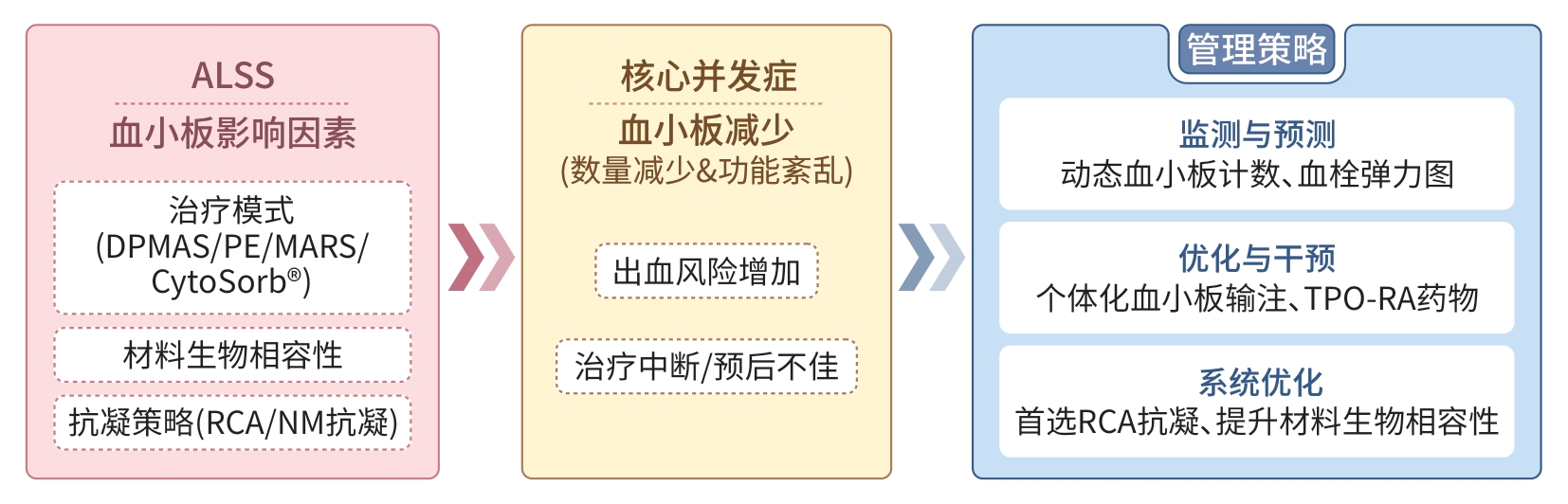
Ru Ma, Zhiwei Wang, Li Ma, Zihui Ding, Xingyu Li, Yan Wang
2026, 42(7): 1717-1722. DOI: 10.12449/JCH260732
Abstract(64) HTML (25) PDF (719KB)(13)
Abstract:
Artificial liver support therapy for liver failure is often complicated by thrombocytopenia, which increases the risk of bleeding. This article systematically elaborates on the pathophysiological role of platelets in liver disease, and systematically analyzes the differential effect of various artificial liver support modalities on platelets, with a focus on key factors such as biocompatibility and anticoagulation strategies. This article also summarizes the clinical management approaches including individualized platelet transfusion and the application of thrombopoietic agents and discusses the value of platelet count as a predictive indicator for treatment safety and efficacy, in order to provide a basis for precise clinical intervention.
Mechanism of action and clinical significance of altered intestinal permeability in liver diseases
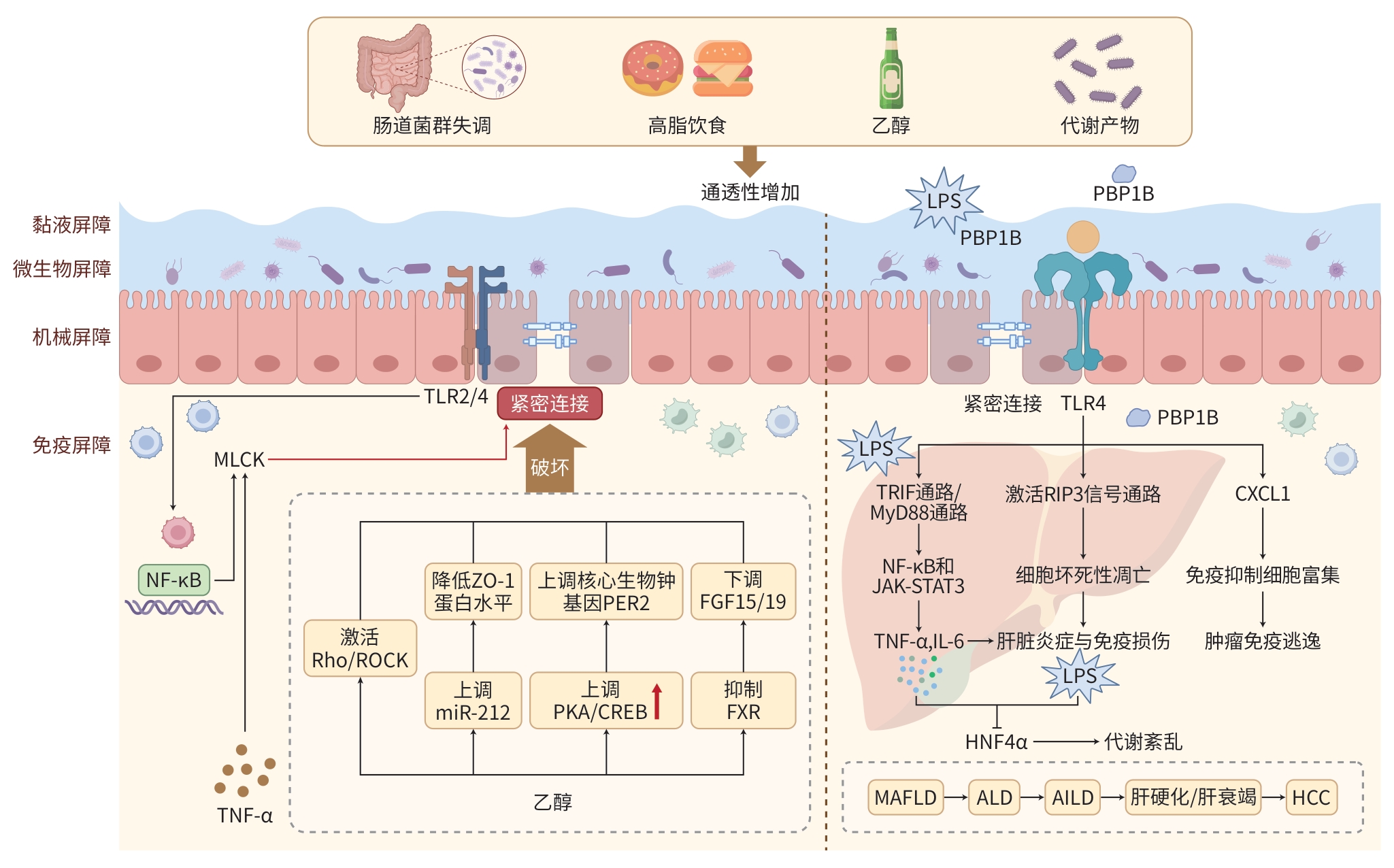
Jiasheng Du, Gang Chen, Huan He, Xinglong Yin, Xiaofan Yang
2026, 42(7): 1723-1729. DOI: 10.12449/JCH260733
Abstract(57) HTML (21) PDF (947KB)(12)
Abstract:
Intestinal permeability plays a pivotal role in the gut-liver axis and has emerged as a critical target for the prevention and treatment of liver diseases. Based on recent studies in China and globally, this article reviews the definitions and interrelationship of intestinal barrier function and intestinal permeability, the methods for assessing intestinal permeability, and the mechanism of action and clinical significance of intestinal permeability in the development and progression of various liver diseases. Studies have shown that increased intestinal permeability is a significant hallmark and an important driving factor for multiple liver diseases, and this state leads to the translocation of bacteria and harmful substances, trigger a systemic inflammatory response, and thus exacerbates liver injury, fibrosis, and metabolic dysregulation. Therefore, it is closely associated with the development and progression of metabolic associated fatty liver disease, alcoholic liver disease, autoimmune liver diseases, and their end-stage events, including liver cirrhosis, liver failure, and hepatocellular carcinoma. Future research should focus on the standardization of assessment methods, the exploration of underlying mechanisms, and the clinical translation of these findings.
Mechanism of action of adipose tissue-derived extracellular vesicles in liver diseases
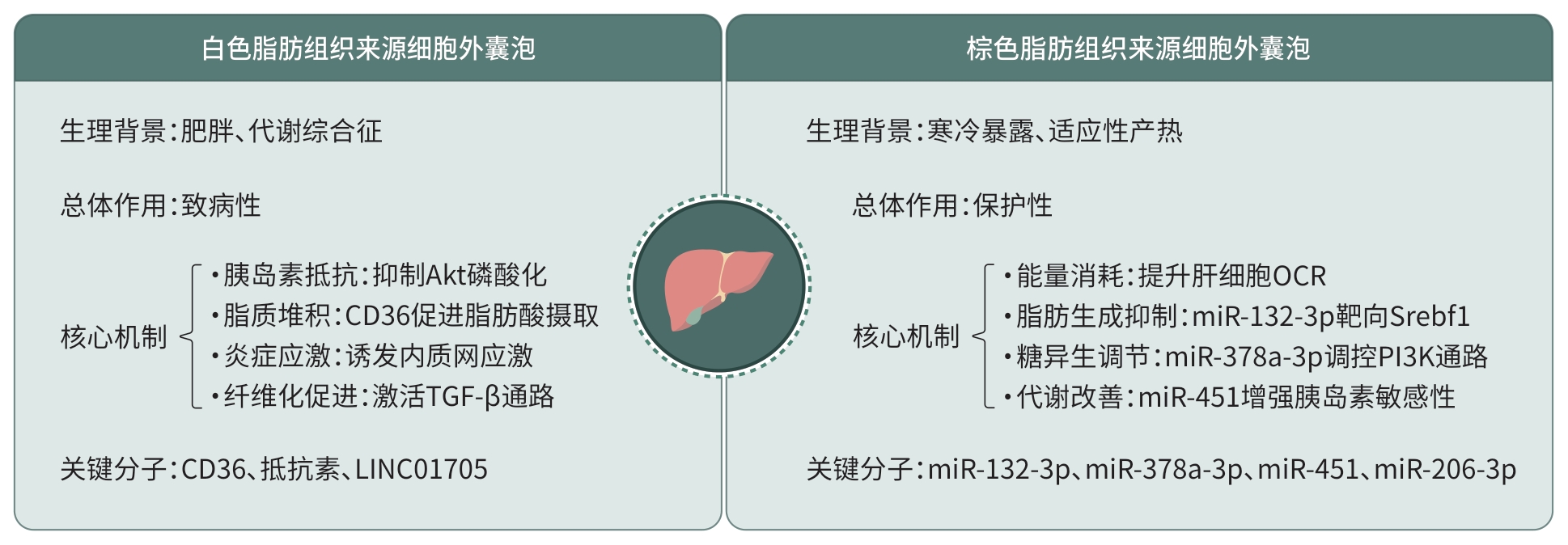
Xiaoyan Ao, Xiaoli Fan, Leyu Zhou
2026, 42(7): 1730-1737. DOI: 10.12449/JCH260734
Abstract(53) HTML (17) PDF (800KB)(13)
Abstract:
Adipose tissue is a crucial endocrine and immune organ, and its functional dysregulation is closely associated with the development and progression of various liver diseases. In addition to the secretion of classical adipokines, adipose tissue-derived extracellular vesicles (EVs) have emerged as key messengers in its regulation of distal organ function. This review systematically elaborates on the regulatory role of adipose tissue-derived EVs in liver diseases, in which white adipose tissue delivers pathogenic molecules such as miR-103 and CD36 via its EVs and thus drives hepatic insulin resistance, lipid accumulation, and fibrosis, while brown adipose tissue transmits protective signals such as miR-132-3p through its EVs to improve hepatic metabolic homeostasis. This article also summarizes the core mechanisms of action of these EVs and discusses their potential as diagnostic biomarkers and innovative therapeutic strategies.
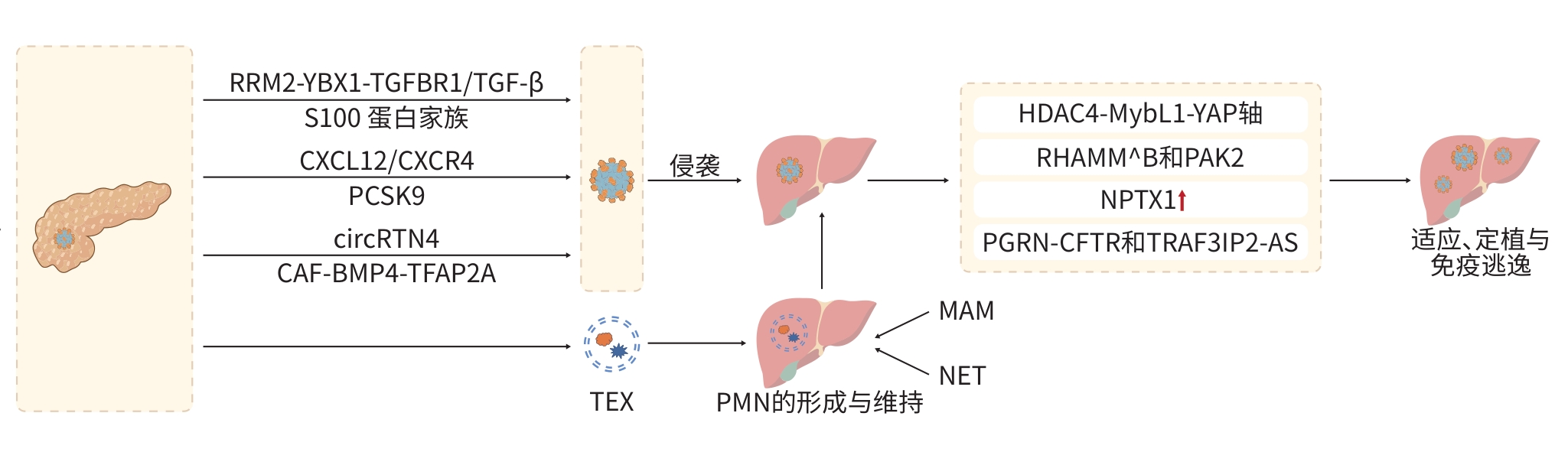
Risk factors for early postoperative liver metastasis in pancreatic ductal adenocarcinoma and related mechanisms
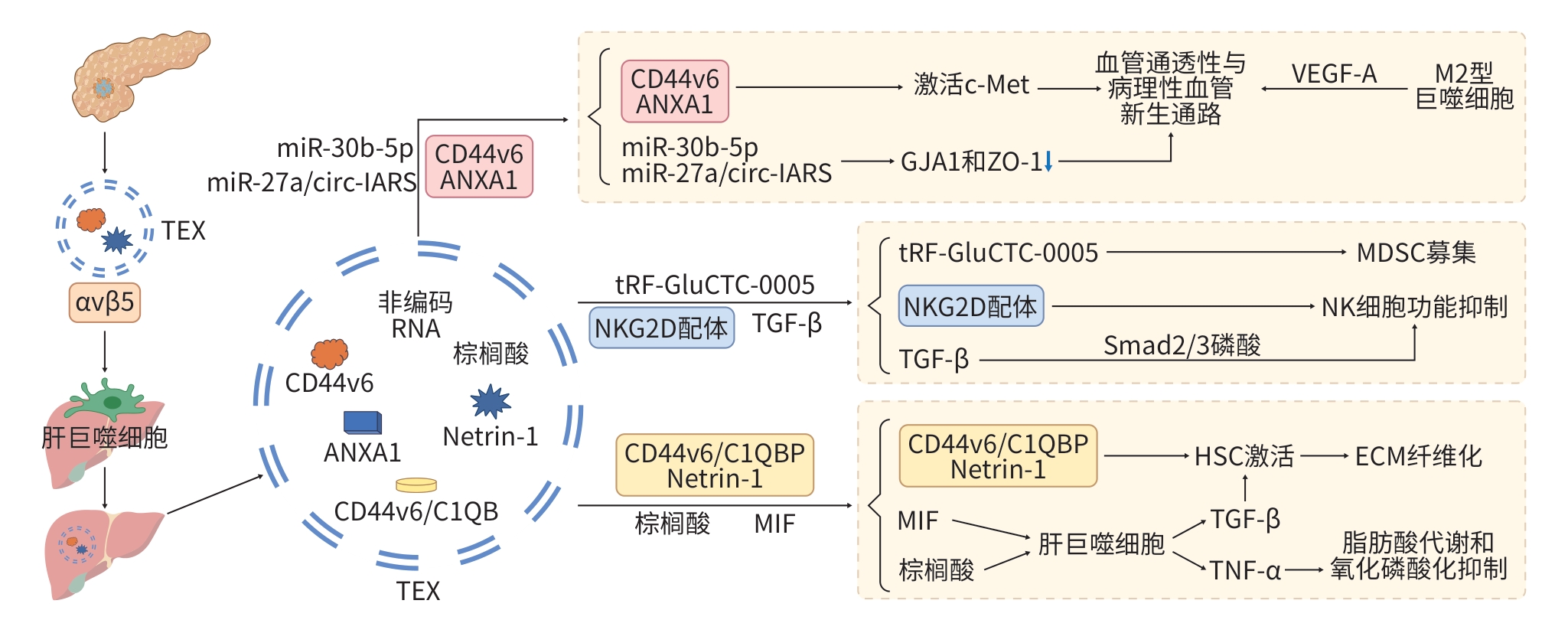
Chunhui Qi, Chujun Huang, Pengfei Lyu, Tingkai Yang, Bin Li, Xiaoliang Zhu
2026, 42(7): 1738-1744. DOI: 10.12449/JCH260735
Abstract:
Pancreatic ductal adenocarcinoma (PDAC) is highly malignant and often has an extremely poor prognosis, and early postoperative liver metastasis is one of the key influencing factors for prognosis. With reference to the clinical and experimental studies in recent years, this article reviews the clinical risk factors for early liver metastasis after PDAC and systematically elaborates on major molecular events underlying early postoperative liver metastasis from various aspects of construction of the pre-metastatic niche in the liver driven by tumor-derived exosomes, the pro-metastatic microenvironment maintained by metastasis-associated macrophages and neutrophil extracellular traps, the invasive phenotype and liver-tropic migration of tumor cells, intrahepatic immunometabolic adaptation, and fibrotic remodeling, in order to provide a theoretical basis for perioperative risk stratification and the development of intervention strategies.
Introduction of High - quality Articles in Foreign Journals
Signal Transduction and Targeted Therapy|Unraveling the HGF/MET axis in Mallory-Denk body pathogenesis associated with liver fibrosis through single-cell transcriptomics
2026, 42(7): 1631-1631. DOI: 10.12449/JCH2607.gwqkjpwzjj1
Abstract(46) HTML (16) PDF (891KB)(12)
Abstract:
Gut|Targeting NEK9 synergises with immunotherapy in hepatocellular carcinoma by remodelling the immunosuppressive microenvironment
2026, 42(7): 1676-1676. DOI: 10.12449/JCH2607.gwqkjpwzjj2
Abstract(43) HTML (19) PDF (906KB)(12)
Abstract:
Gut|Endothelial RAP1A attenuates sinusoidal capillarisation and liver fibrosis by inhibiting RAF1-mediated Notch activation
2026, 42(7): 1697-1697. DOI: 10.12449/JCH2607.gwqkjpwzjj3
Abstract(37) HTML (16) PDF (900KB)(11)
Abstract:
Acknowledgements
Current reviewers
2026, 42(7): 1729-1729. DOI: 10.12449/JCH2607.zhixie
Abstract(43) HTML (20) PDF (867KB)(10)
Abstract: