中文English
ISSN 1001-5256 (Print)
ISSN 2097-3497 (Online)
CN 22-1108/R

Vol.42 No.3 (305 in total) Feb. 2026

Theme Issue: Advances in the Diagnosis and Treatment of Wilson Disease

Executive Chief Editor: ZHENG Sujun

Beijing YouAn Hospital, Capital Medical University


Display Method:
Editorial
Advances and challenges in the diagnosis and treatment of Wilson disease
Wei HOU, Sujun ZHENG
2026, 42(3): 497-501. DOI: 10.12449/JCH260301
Abstract(36) HTML (14) PDF (652KB)(11)
Abstract:
Wilson disease (WD) is a disorder of copper metabolism caused by mutations in the ATP7B gene. Traditional diagnosis mainly relies on the Leipzig scoring system, while copper chelators and zinc preparations are mainly used for treatment. In recent years, the continuous emergence of various techniques has provided additional tools for the early detection and disease assessment of WD, such as novel assays targeting non-ceruloplasmin-bound copper, immunohistochemistry for metallothionein in liver tissue, and 64Cu positron emission tomography-computed tomography imaging. Meanwhile, the new formulation trientine tetrahydrochloride and the potential novel agent methanobactin provide new drugs for safe and efficient copper removal, and gene therapy has brought new hope for clinical cure of WD. This article systematically reviews the recent advances in the diagnosis and treatment of WD, discusses their advantages and limitations in a real-world setting, and proposes new ideas for future clinical practice and research.
Expert Forum
Similarities and differences in the diagnosis and treatment of Wilson disease across global consensus statements/guidelines: Retrospect and prospect
Xiaoping WANG
2026, 42(3): 502-508. DOI: 10.12449/JCH260302
Abstract(93) HTML (10) PDF (749KB)(16)
Abstract:
This article systematically reviews and compares the major international English consensus statements/guidelines on the diagnosis and treatment of Wilson disease published since 2022, with a focus on the recommendations from multidisciplinary expert consensus statements/guidelines. These consensus statements/guidelines mainly include the multidisciplinary treatment guidelines issued by the American Association for the Study of Liver Diseases in 2022, the clinical practice guidelines released by the European Union (European Association for the Study of the Liver/European Reference Network) in 2025, and the practice guidelines published by the British Association for Studies of the Liver in 2022, and comparative analysis and summarization were performed with reference to the 2025 edition of Chinese Multidisciplinary Expert Consensus on Orphan/Anticopper Drugs and Other Non-drug Management of Hepatolenticular Degeneration (CMEC-HLD). Overall, the core content remained basically consistent between the guidelines of the European Union, the US, and the UK and CMEC-HLD, while many details varied due to the differences in experiences and research advances across these countries. Globally, there is still a lack of truly meaningful medical guideline for Wilson disease driven by evidence-based medicine, which requires further research and international cooperation among peers in the future.
Dilemmas and challenges in the clinical diagnosis of Wilson disease
Yu ZHANG, Yongfeng YANG
2026, 42(3): 509-514. DOI: 10.12449/JCH260303
Abstract(28) HTML (13) PDF (686KB)(12)
Abstract:
Wilson disease (WD) is characterized by marked heterogeneity in clinical phenotype, and it often overlaps with liver diseases (such as cholestatic liver diseases and active hepatitis) and neuropsychiatric diseases, which may easily lead to misdiagnosis or missed diagnosis. This article focuses on the confusing scenarios in clinical practice, reviews the pathophysiological basis of ATPase copper transporting beta (ATP7B) gene dysfunction, and systematically elaborates on the key interpretation points and limitations of ceruloplasmin, total serum copper/non-ceruloplasmin-bound copper, 24-hour urinary copper excretion, D-penicillamine challenge test, hepatic copper quantification, and histopathological assessment across different clinical scenarios. This article also summarizes the potential application of emerging dynamic copper indicators, such as relative exchangeable copper, in diagnosis, family screening, and treatment monitoring. In addition, it discusses the role of ATP7B genetic testing in “gray-zone” cases, difficulties in interpreting variants of uncertain significance, and the features of mutation spectrum in Chinese population, as well as the potential decline in diagnostic performance of the Leipzig scoring system in the context of complex liver diseases. Overall, the diagnosis of WD should not rely on a single indicator, and it is recommended to adopt a multidimensional hierarchical decision-making pathway that integrates phenotype, biochemical tests, dynamic copper indices, tissue/genetic evidence, and scoring systems. Furthermore, key thresholds and workflows should be optimized using real-world data from China, so as to enhance the efficiency of early identification and familial management, thereby improving the long-term prognosis of patients.
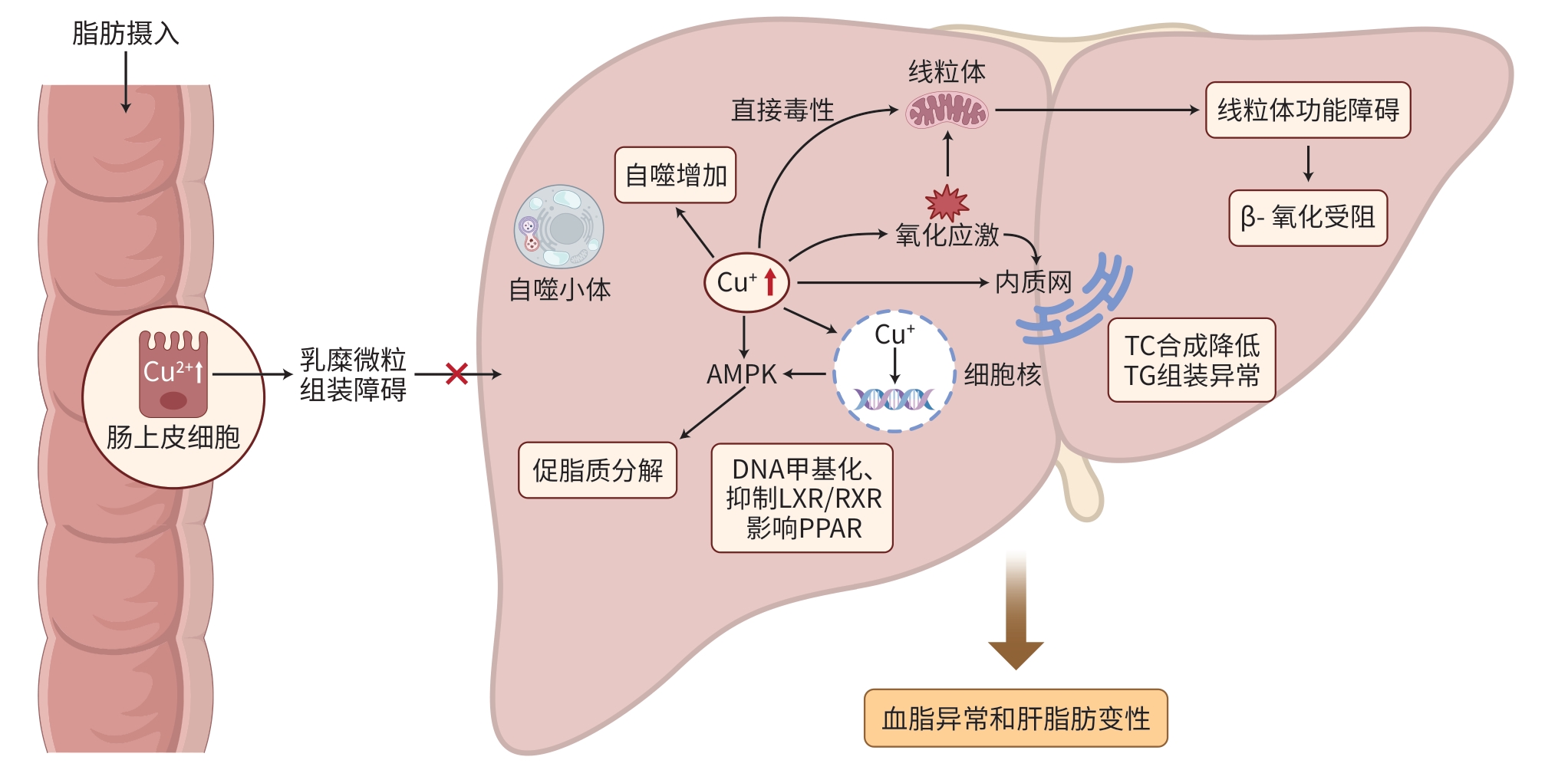
Clinical phenotypes and pathogenic mechanisms of Wilson disease with lipid metabolism disorders
Dongjing GAO, Ruixin WANG, Xinhua LI
2026, 42(3): 515-521. DOI: 10.12449/JCH260304
Abstract(21) HTML (10) PDF (814KB)(12)
Abstract:
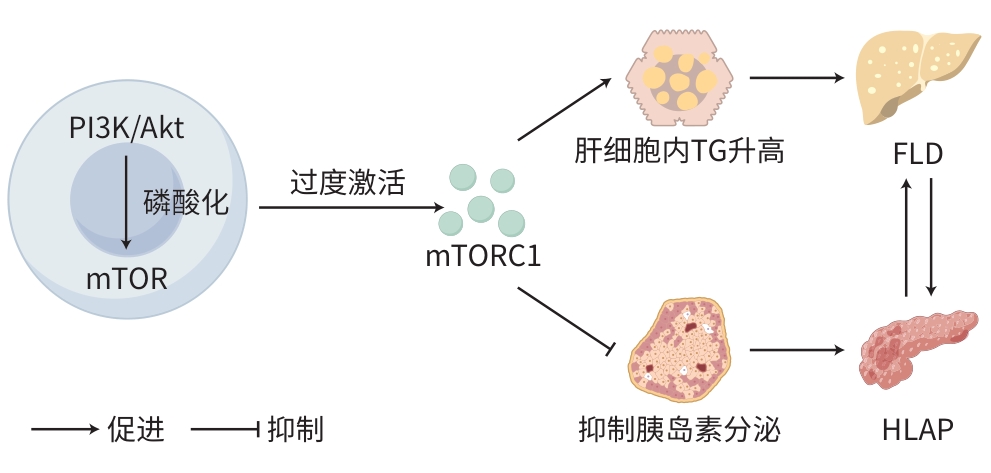
Wilson disease (WD) is a hereditary disorder of copper metabolism characterized by abnormal copper accumulation in tissues, including the liver and brain, which leads to severe hepatic and neurological damage. This disease is often accompanied by lipid metabolism abnormalities, and the exploration of related mechanisms has attracted increasing attention. This article introduces the clinical features of lipid metabolism disorders in WD patients, summarizes the research advances in the serum levels of lipids and hepatic steatosis, analyzes the potential mechanisms of the interaction between copper and lipid metabolism, and highlights the significance of lipid-related molecules in disease diagnosis and clinical evaluation. In clinical practice, the monitoring and assessment of lipid metabolism parameters should be taken seriously in patients with WD, in order to promote comprehensive disease management and improve the prognosis of patients.
Traditional Chinese medicine syndrome and syndrome differentiation-based treatment of Wilson disease
Wenjie HAO, Wenming YANG, Ting CHENG, Hailin JIANG, Han WANG, Meixia WANG
2026, 42(3): 522-528. DOI: 10.12449/JCH260305
Abstract:
Wilson disease (WD) is an autosomal recessive disorder of copper metabolism, and decoppering therapy and symptomatic treatment are the main Western medicine therapies for WD. This article systematically reviews the understanding of the etiology and pathogenesis of WD in traditional Chinese medicine (TCM) and points out that abnormal natural endowment is the core etiology and pathogenesis of WD, with internal accumulation of copper toxicity as the manifestation, liver/spleen/kidney dysfunction as the root cause, and intermingled “toxin, stasis, phlegm, and deficiency” as the key pathogenesis. Literature research and clinical observation are conducted to summarize the common TCM syndromes of WD, including stagnation of liver Qi, internal retention of damp-heat, phlegm-stasis-heat accumulation syndrome, liver-kidney Yin deficiency syndrome, spleen-kidney Yang deficiency, and syndrome of deficiency damage and phlegm stasis. This article proposes the corresponding therapies and representative prescriptions for each syndrome and discusses the advantages of treatment by stage and integrated traditional Chinese and Western medicine therapy. This article aims to provide a systematic reference for the syndrome differentiation-based treatment of WD in clinical practice of TCM, thereby giving full play to the advantages of TCM in the treatment of this disease.
Integrated traditional Chinese and Western medicine therapy for Wilson disease
Yumei GU, Yeqing HUANG, Bei ZHANG, Aiqun LIU, Zhongxing PENG, Mingfan HONG, Zhihua ZHOU
2026, 42(3): 529-534. DOI: 10.12449/JCH260306
Abstract(20) HTML (12) PDF (733KB)(10)
Abstract:
Wilson disease (WD) is one of the few treatable neurogenetic disorders. Currently, Western medicine remains the main treatment method for WD, while since the 1990s, multiple studies conducted by Professor Yang Renmin and his team have shown that traditional Chinese medicine (TCM) also has a favorable therapeutic effect. Based on the principle of low-copper diet for WD, this article systematically elaborates on the advantages, limitations, and key considerations of current Western medicine therapies (pharmacotherapy, liver transplantation, and splenectomy) and reviews the research findings of TCM in China, especially the wide application of Gandou Decoction in clinical practice. Studies have shown that Gandou Decoction can effectively improve neurological symptoms, protect hepatic and renal function, and avoid the adverse drug reactions associated with metal chelating agents, and therefore, it can be used an effective long-term adjuvant therapy for WD. It should be noted that symptoms and signs should be considered in integrated traditional Chinese and Western medicine therapy for WD, and high-copper TCM drugs should be avoided to prevent deterioration.
Hotspot·Perspective·Viewpoint
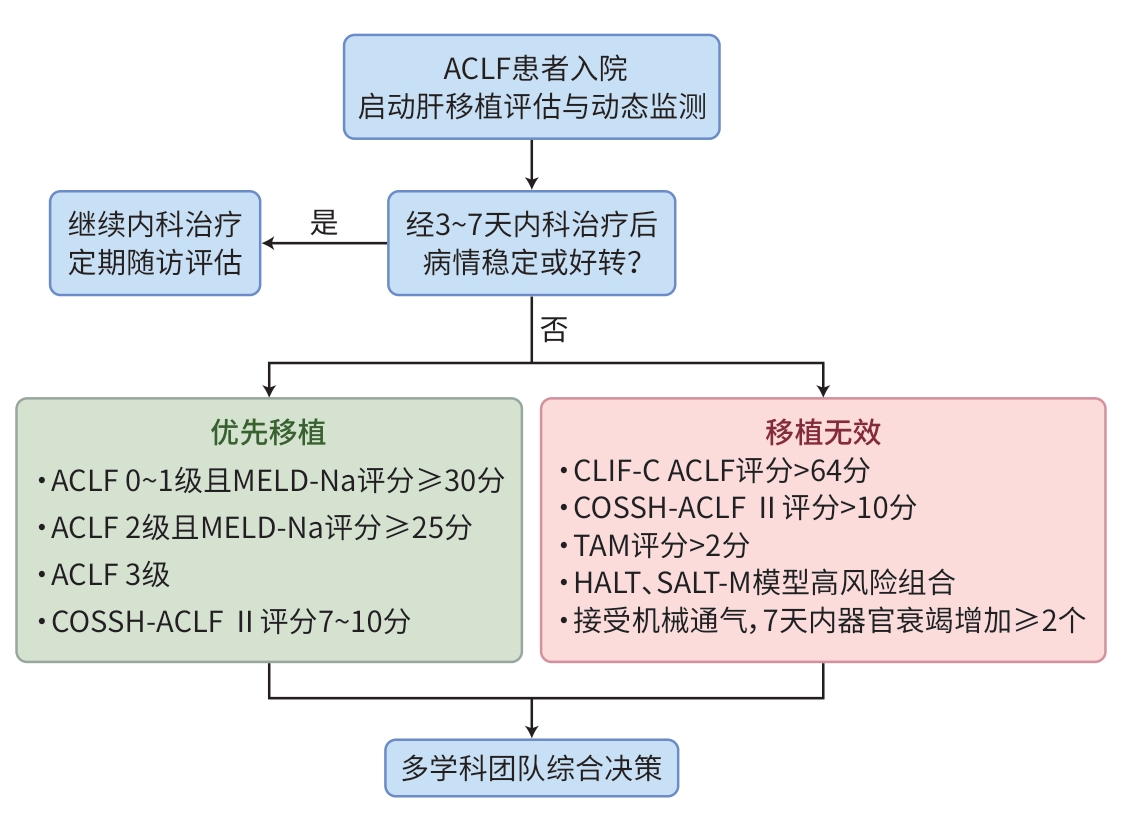
Evaluation and decision-making for liver transplantation in acute-on-chronic liver failure: Evolution, integration, and challenges
Yu WU, Manman XU, Yu CHEN
2026, 42(3): 535-540. DOI: 10.12449/JCH260307
Abstract(23) HTML (12) PDF (677KB)(11)
Abstract:
Acute-on-chronic liver failure (ACLF) is a syndrome of acute liver function decompensation in patients with chronic liver disease and is characterized by a high short-term mortality rate. Liver transplantation is an effective radical treatment method for ACLF and can significantly improve the survival rate of patients. However, in the context of a shortage of donor organs globally, how to achieve a balance between saving lives and avoiding futile transplantation while optimizing organ utilization is a critical challenge in clinical decision-making. This article systematically reviews the evolution of the evaluation and decision-making system for liver transplantation in ACLF patients and points out s that the core of this system has shifted from relying solely on the MELD score to a model based on multidimensional prognostic assessment, dynamic evaluation, and multidisciplinary collaboration. In the future, the integration of Eastern and Western criteria, the application of artificial intelligence for precise prediction, and the establishment of a more equitable priority and allocation system will be the key directions for development in this field.
Guideline
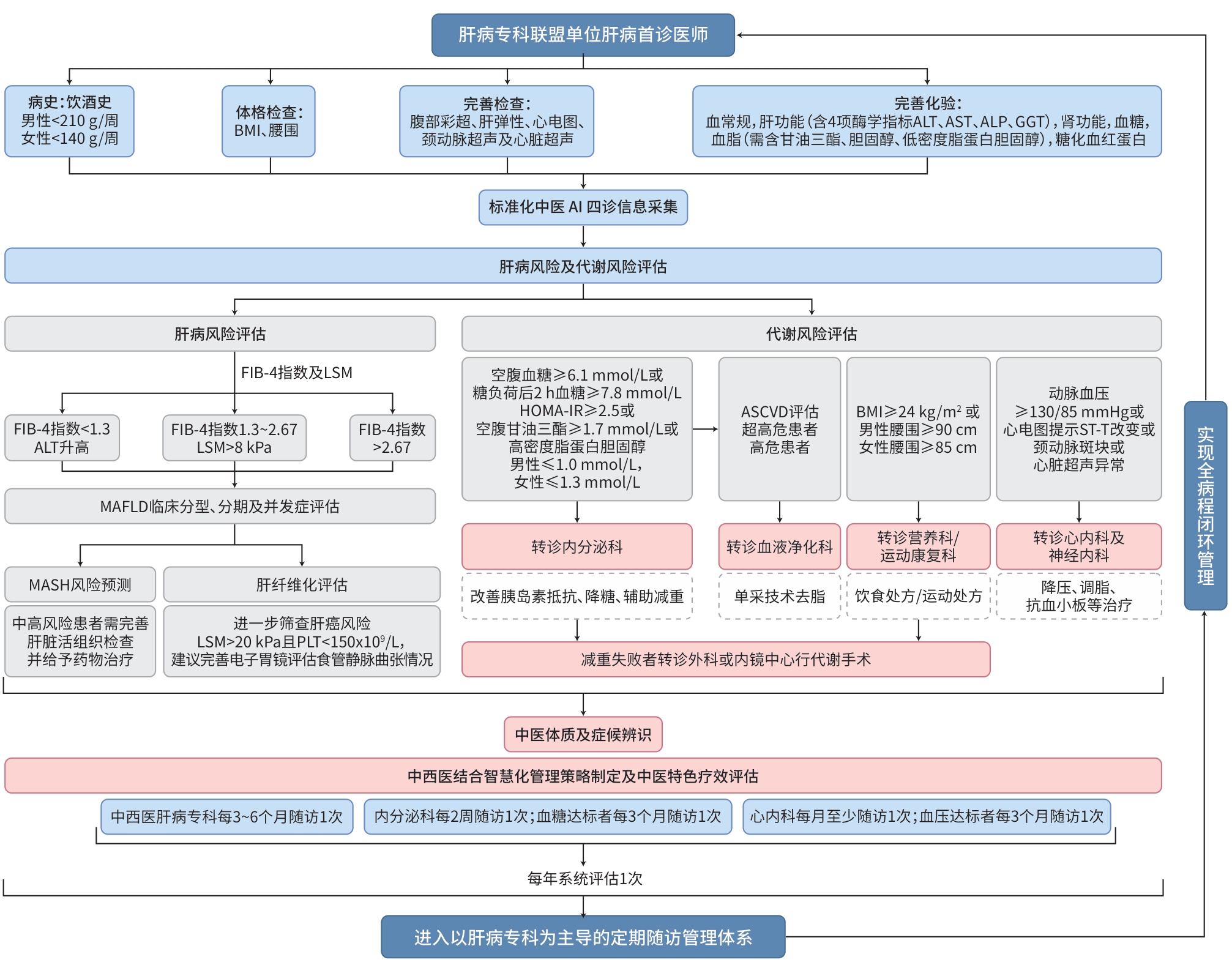
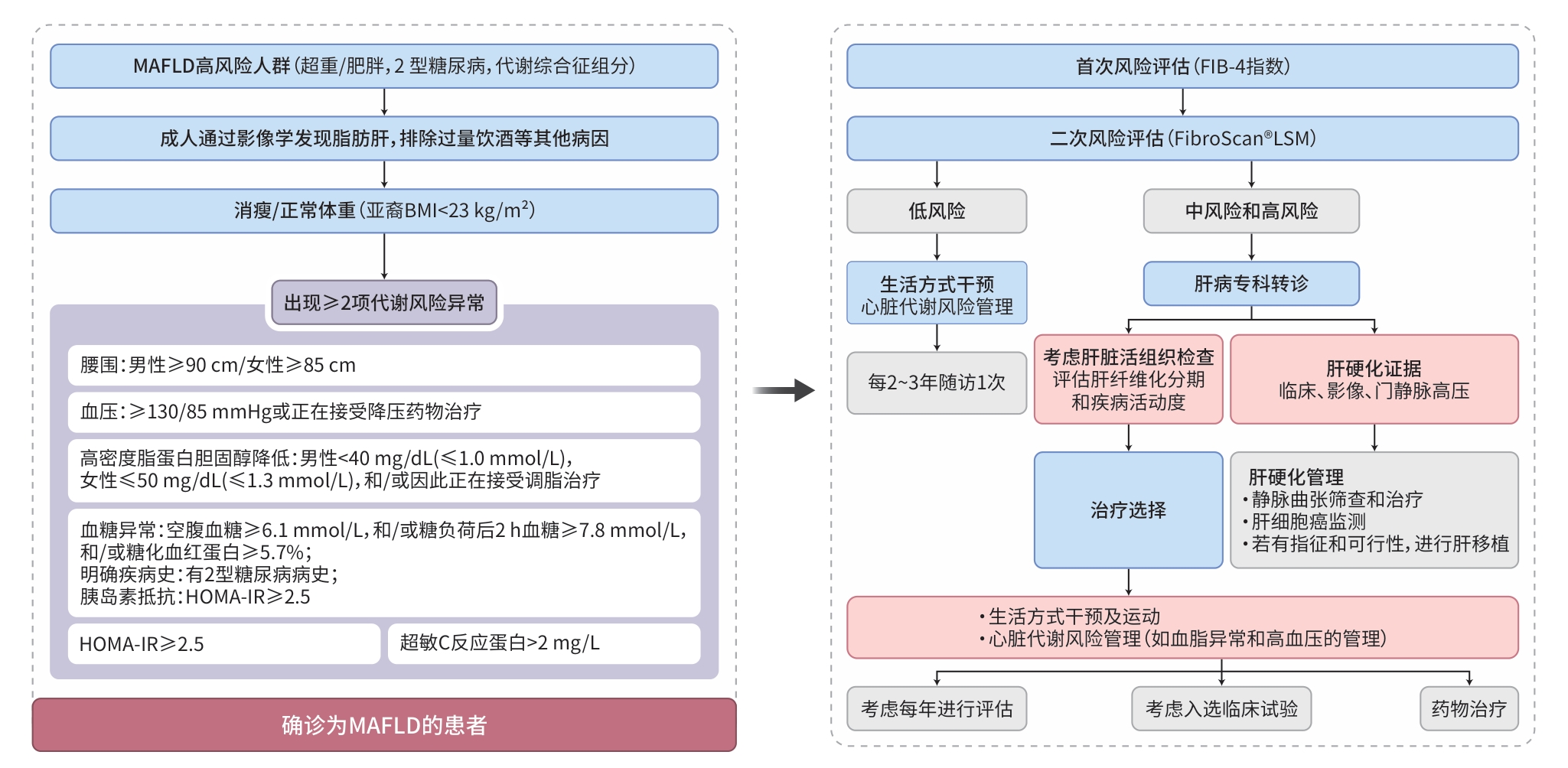
Hierarchical diagnosis and treatment pathway and multidisciplinary collaborative intelligent holistic management protocol for metabolic dysfunction-associated fatty liver disease within the Hepatology Specialty Alliance framework: An integrated traditional Chinese and Western medicine approach
Expert Consensus Compilation Committee of Hepatology Specialty Alliance
2026, 42(3): 541-555. DOI: 10.12449/JCH260308
Abstract:
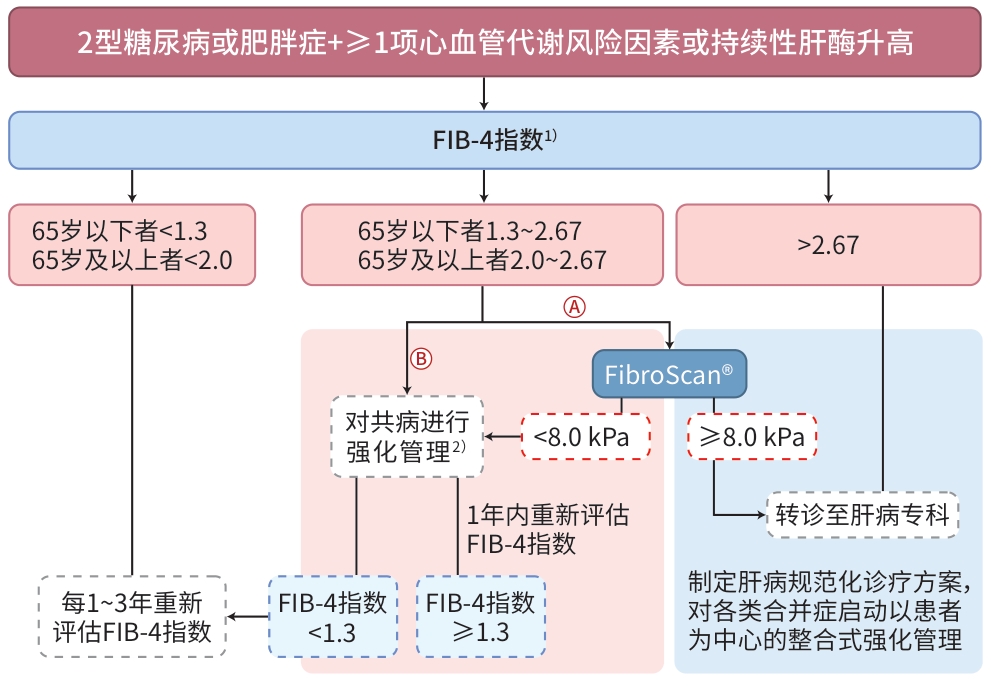
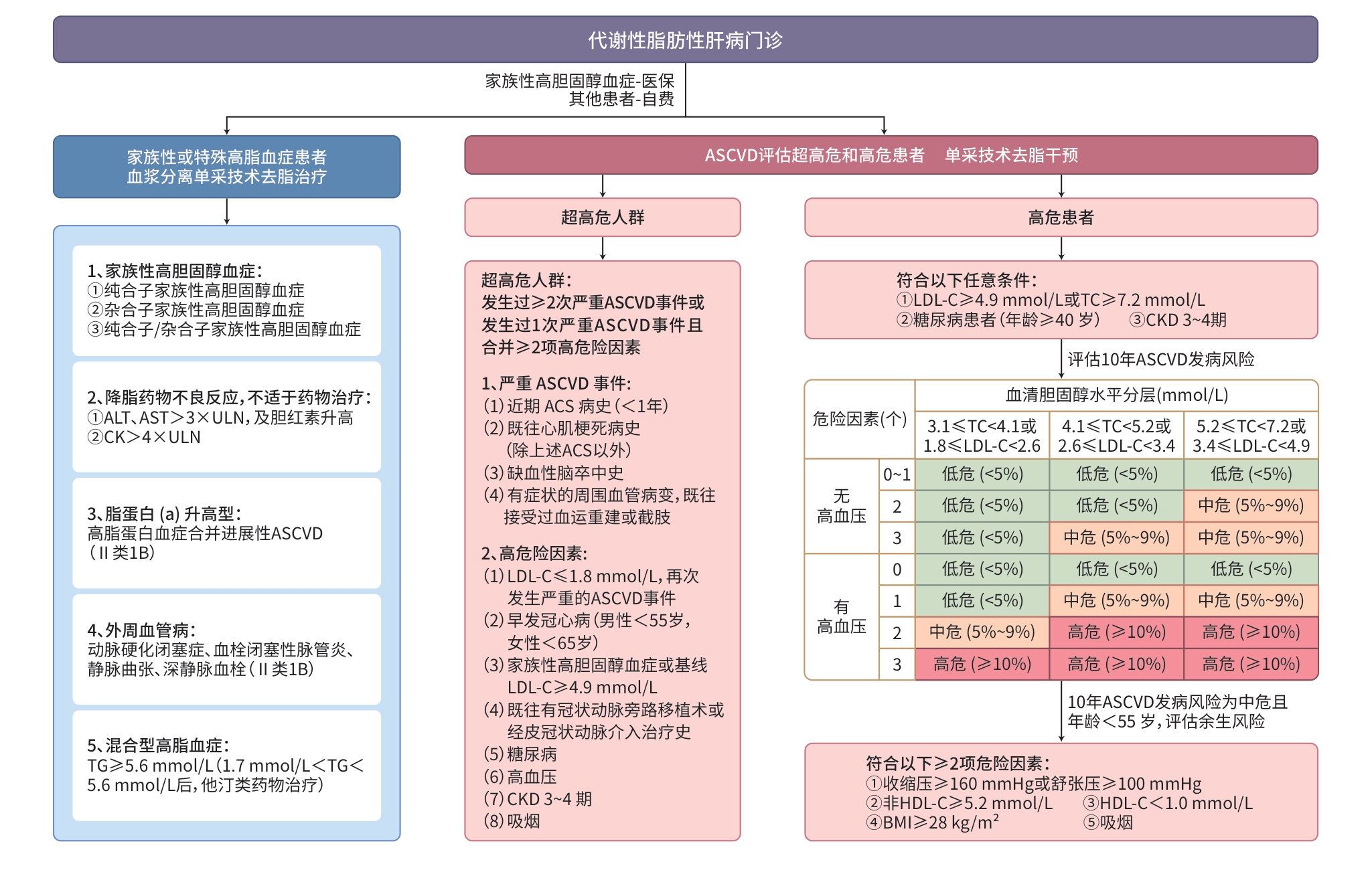
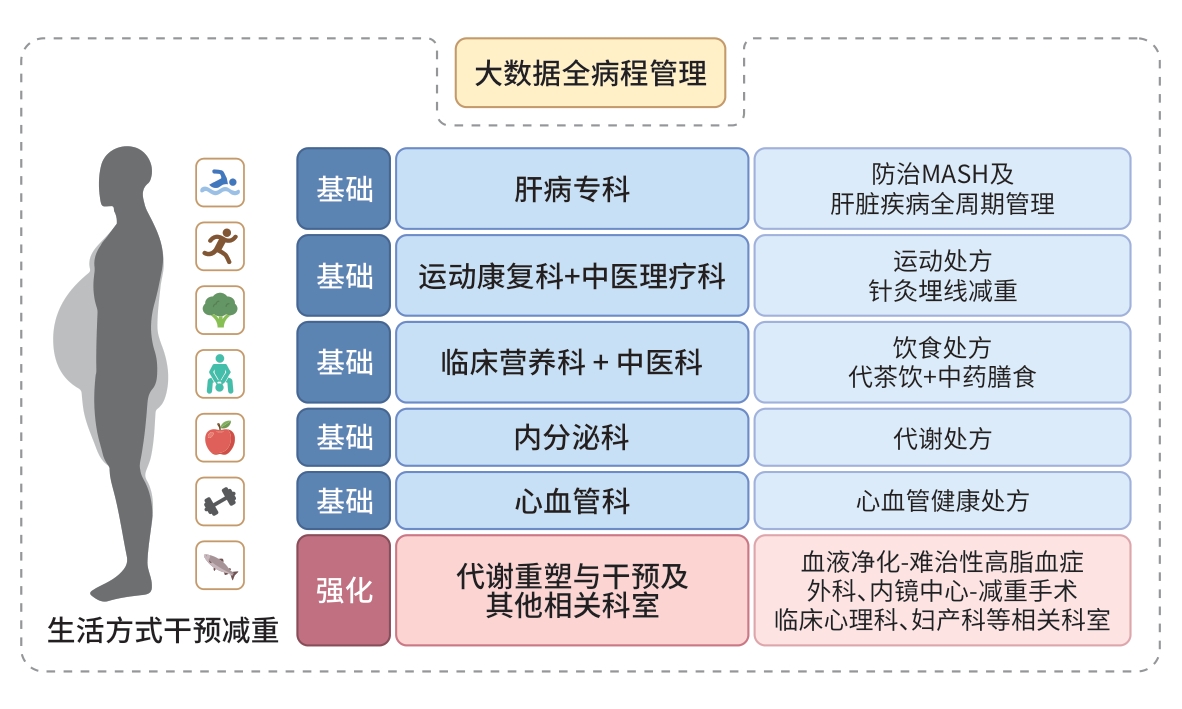
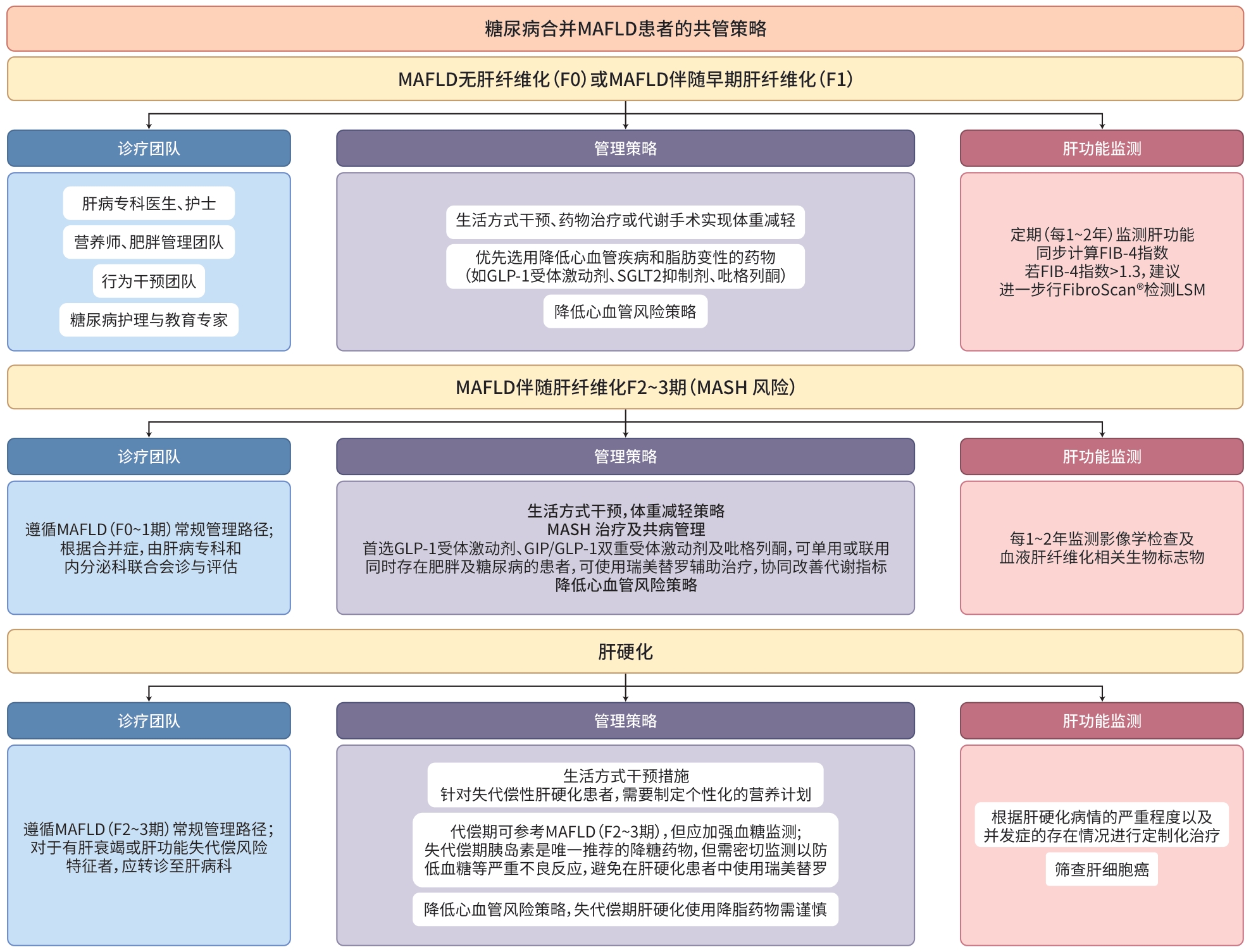
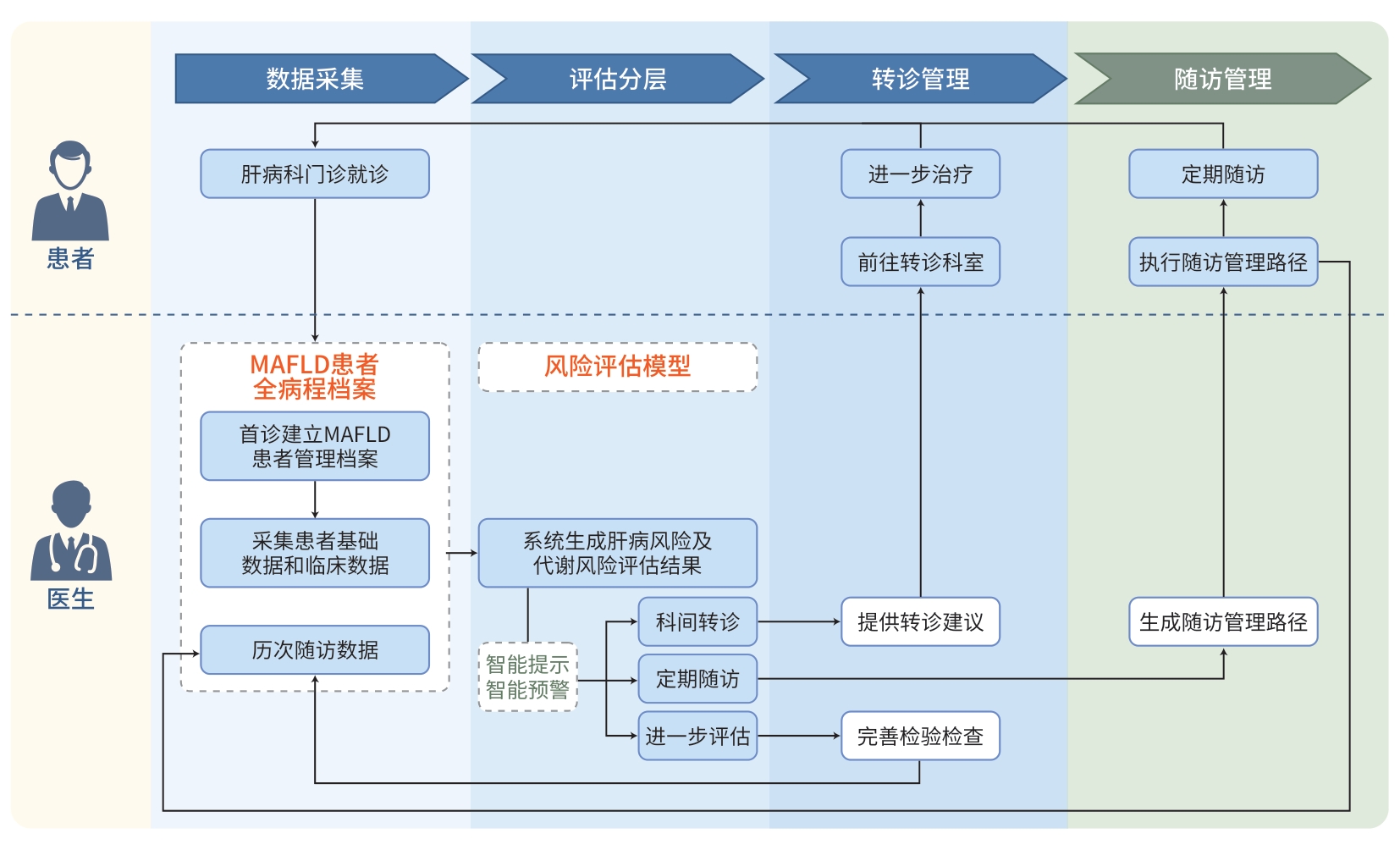
Metabolic dysfunction-associated fatty liver disease (MAFLD) has become the leading cause of chronic liver disease in China, and it is closely intertwined with various metabolic disorders such as cardiovascular diseases and type 2 diabetes, collectively constituting a complex systemic condition. Current clinical practice still faces the challenges including non-standardized application of screening and risk stratification tools, and a lack of multidisciplinary collaboration mechanisms, which lead to inefficient holistic management of MAFLD and significant variability in prognosis. To address these challenges, this study developed a scientific, systematic, and operable clinical pathway for hierarchical diagnosis and treatment and holistic management of MAFLD based on the Hepatology Specialty Alliance framework. The core components of this pathway include the following aspects: establishing dual-dimensional diagnostic criteria based on imaging and metabolic abnormalities; defining the non-invasive fibrosis-4 index as the key node for initial risk stratification within the alliance, combined with liver stiffness measurement for precise patient triage; systematically formulating bidirectional referral indications and collaborative workflows among hepatology, endocrinology, cardiology, and nutrition departments; integrating evidence-based pharmacological therapy and traditional Chinese medicine adjuvant strategies on the basis of intensified lifestyle intervention. Furthermore, this study prospectively proposes a framework for an intelligent management platform characterized by data-driven decision-making, smart early warning, and whole-course follow-up. This clinical pathway aims to provide standardized MAFLD management tools for healthcare institutions at all levels within the Hepatology Specialty Alliance system, and it seeks to promote a shift from the model of “diagnosis and treatment of a single liver disease” to a paradigm of “integrated management of multi-system comorbidities”, in order to reduce the risk of liver diseases and cardiovascular endpoint events and improve the long-term prognosis of patients.
An excerpt of EASL clinical practice guidelines on vascular diseases of the liver (2025 edition)
Yanzhi WANG, Qizhen HE, Xuefeng LUO, Xingshun QI
2026, 42(3): 556-567. DOI: 10.12449/JCH260309
Abstract:
In 2025, European Association for the Study of the Liver published the clinical practice guidelines on vascular diseases of the liver. The guidelines comprehensively elaborate on the vascular diseases of the liver from the aspects of risk factors, diagnosis, and treatment strategies, in order to provide guidance for the management of patients with these conditions based on the best evidence available. This article gives an excerpt of the recommendations and guidance statements in the clinical practice guidelines.
Guideline Interpretation
Interpretation of expert consensus on diagnosis and treatment of esophagogastric variceal bleeding in cirrhotic portal hypertension (2025 edition)
Zhongchen FAN, Kaixuan ZHANG, Yang ZHANG, Xuefeng CAO, Xingyuan ZHANG
2026, 42(3): 568-572. DOI: 10.12449/JCH260310
Abstract(38) HTML (18) PDF (607KB)(15)
Abstract:
Cirrhotic portal hypertension is a clinical syndrome caused by persistently elevated portal venous pressure due to liver cirrhosis and can lead to a series of complications, among which esophagogastric variceal bleeding has become one of the most severe complications due to sudden onset and a high mortality rate. Since the release of Expert consensus on diagnosis and treatment of esophagogastric variceal bleeding in cirrhotic portal hypertension (2019 edition), significant advances have been achieved in this field in China and globally. In order to formulate an expert consensus aligned with the situation of China, Chinese Society of Surgery, Chinese Medical Association organized and compiled Expert Consensus on diagnosis and treatment of esophagogastric variceal bleeding in cirrhotic portal hypertension (2025 edition). This article elaborates on the key updates in the new edition and explores the major differences between the old and new editions, in order to enhance the understanding of the new edition among clinicians and provide a reference for clinicians in clinical work.
Viral Hepatitis
Expression and clinical significance of HBV RNA in chronic hepatitis B patients with low-level viremia
Ya CHEN, Yihuai HE, Yinghua CHEN, Yawen LUO
2026, 42(3): 573-578. DOI: 10.12449/JCH260311
Abstract(32) HTML (13) PDF (787KB)(18)
Abstract:
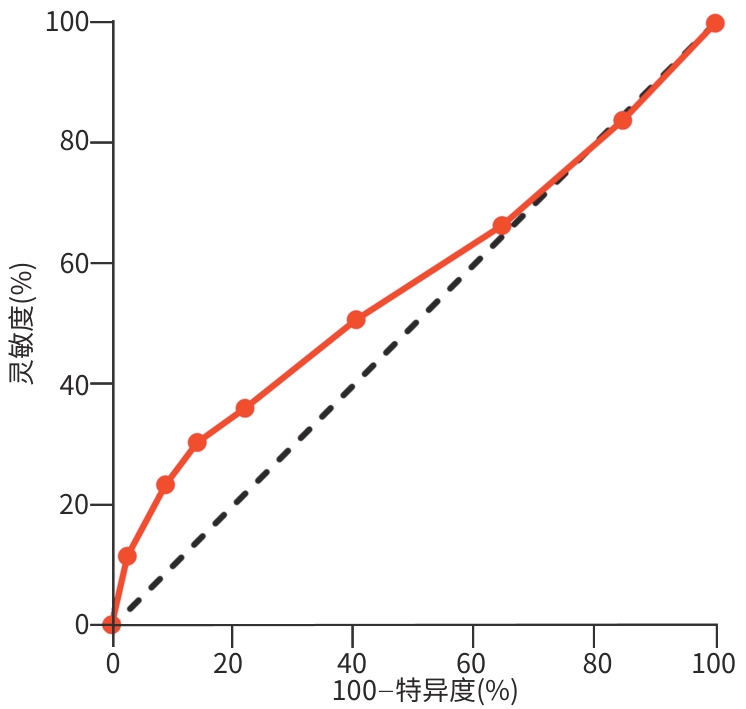
  Objective  To investigate the expression characteristics of serum HBV RNA in patients with low-level viremia (LLV) and its value in the diagnosis of LLV.  Methods  A total of 402 chronic hepatitis B (CHB) patients who attended Affiliated Hospital of Zunyi Medical University from December 2023 to May 2025 were enrolled, and according to their viral load, they were divided into complete virologic response (CVR) group (190 patients with HBV DNA <20 IU/mL) and LLV group (212 patients with an HBV DNA level of ≥20 IU/mL and <2 000 IU/mL). The two groups were analyzed in terms of age, sex, disease type, serum HBV RNA, HBeAg, alanine aminotransferase (ALT), aspartate aminotransferase (AST), and total bilirubin (TBil), and according to HBeAg status, the patients in the LLV group were further divided into HBeAg-negative group with 140 patients and HBeAg-positive group with 72 patients. The chi-square test was used for comparison of categorical data between two groups, and the Mann-Whitney U test was used for comparison of continuous data between two groups. A multivariate Logistic regression analysis was used to investigate the influencing factors for LLV in CHB patients, and a Spearman’s rank correlation analysis was used to analyze the correlation of HBV RNA with HBV DNA, ALT, AST, and TBil in the LLV group. The receiver operating characteristic (ROC) curve was plotted to evaluate the efficacy of HBV RNA in the diagnosis of LLV.  Results  Compared with the CVR group, the LLV group had a significantly higher serum level of HBV RNA [3 (1 — 5) log10 copies/mL vs 2 (1 — 3) log10 copies/mL, Z=-2.346, P=0.019] and a significantly higher proportion of patients with hepatitis B cirrhosis (31.13% vs 22.11%, χ2=4.155, P=0.042) or hepatocellular carcinoma (9.91% vs 4.74%, χ2=3.876, P=0.049). The multivariate Logistic regression analysis showed that HBV RNA (odds ratio=1.163, 95% confidence interval: 1.058 — 1.278, P=0.002) was an independent risk factor for the onset of LLV in CHB patients. Among the patients with LLV, HBeAg-positive patients had a significantly higher level of HBV RNA than HBeAg-negative patients [6 (4 — 7) log10 copies/mL vs 2 (1 — 3) log10 copies/mL, Z=-9.962, P<0.001]. The correlation analysis showed that HBV RNA level had no significant correlation with HBV DNA, ALT, AST, or TBil in the patients with LLV (all P>0.05). The ROC curve analysis showed that HBV RNA had an AUC of 0.567 for the diagnosis of LLV (P=0.021), with an optimal cut-off value of 4.5 log10 copies/mL, a sensitivity of 30.7%, and a specificity of 85.8%.  Conclusion  Serum HBV RNA level is an independent risk factor for the development of LLV in CHB patients, and there is a significant increase in the expression of HBV RNA in HBeAg-positive patients. Therefore, it may serve as a potential biomarker for clinical risk assessment.
Fatty Liver Disease
Association of liver fibrosis markers and inflammation markers with the risk of gallstones in patients with metabolic dysfunction-associated fatty liver disease
Shuai ZHANG, Shoulu JIN, Wanqing LI, Xijing SHI, Hao LIANG, Hao DONG, Dailong LU, Ying ZHU, Xiaoxing XIANG, Jun LIU
2026, 42(3): 579-585. DOI: 10.12449/JCH260312
Abstract:
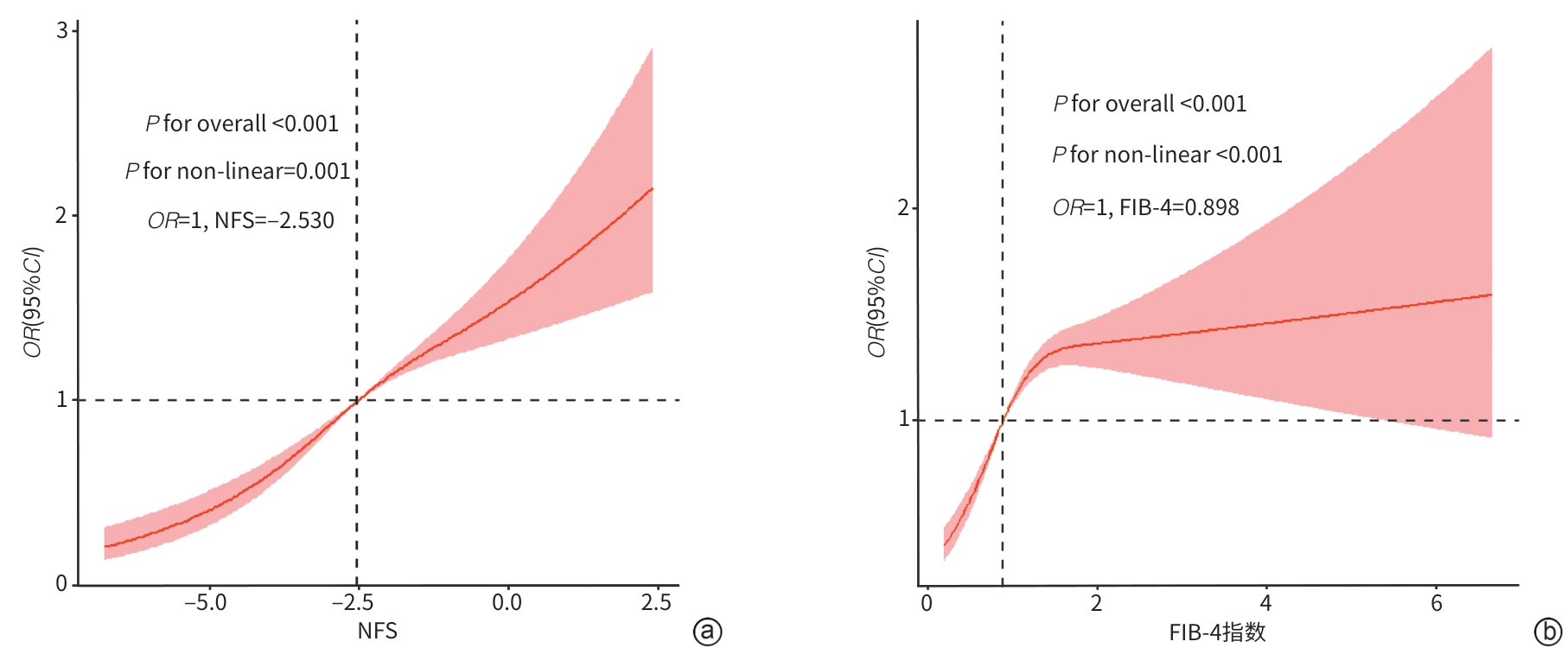
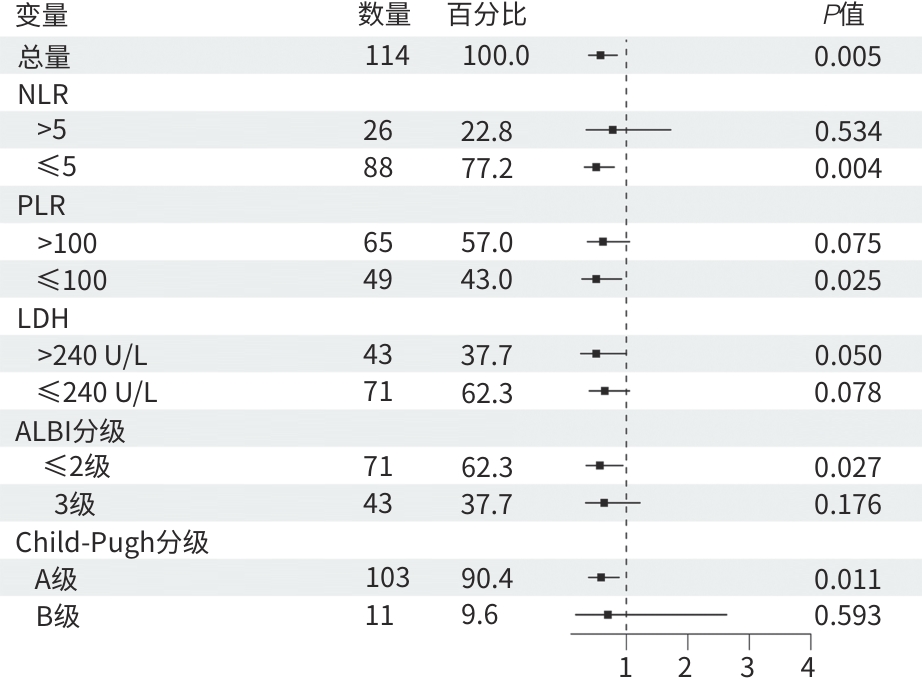
  Objective  To investigate the association of liver fibrosis scores and inflammation markers with gallstones in patients with metabolic dysfunction-associated fatty liver disease (MAFLD), as well as the mediating role of liver fibrosis scores in the relationship between inflammation markers and gallstones.  Methods  A total of 14 567 patients who received physical examination and were diagnosed with MAFLD in Subei People’s Hospital from January 2014 to June 2023 were enrolled in this study, and according to the results of abdominal color Doppler ultrasound, they were divided into gallstone group with 1 724 patients and non-gallstone group with 12 843 patients. Related clinical data were collected from all patients, including demographic data, medical history, family history, physical examination, Color Doppler ultrasound, and biochemical parameters. The biomarkers associated with metabolic disorders and insulin resistance included triglyceride-glucose index (TyG), TyG-body mass index (BMI) index, atherogenic index of plasma (AIP), and non-high-density lipoprotein cholesterol-to-high-density lipoprotein cholesterol ratio (NHHR); the biomarkers associated with inflammation and nutritional status included neutrophil-to-lymphocyte ratio (NLR), neutrophil percentage-to-albumin ratio (NPAR), and monocyte-to-lymphocyte ratio (MLR); the biomarkers for assessing liver fibrosis degree and liver function included albumin-bilirubin (ALBI) score, NAFLD fibrosis score (NFS), fibrosis-4 (FIB-4) index, and aspartate aminotransferase-to-platelet ratio index (APRI). The independent-samples t test was used for comparison of normally distributed continuous data between two groups, while the Mann-Whitney U test was used for comparison of non-normally distributed continuous data between two groups; the chi-square test was used for comparison of categorical data between two groups. Multivariate Logistic regression analysis, restricted cubic spline analysis, and mediating effect analysis were used to assess the association of liver fibrosis markers and inflammation markers with the risk of gallstones.  Results  The prevalence rate of gallstones was 11.8% among the MAFLD patients. There were significant differences between the gallstone group and the non-gallstone group in sex, age, smoking history, diabetes, hypertension, lymphocytes, platelets, glucose, albumin, serum uric acid, alanine aminotransferase, aspartate aminotransferase, red blood cell, NLR, NPAR, MLR, NFS, FIB-4 index, and ALBI score (all P<0.05). The multivariate Logistic regression analysis showed that NLR (odds ratio [OR]=1.091, 95% confidence interval [CI]: 1.028 — 1.160, P<0.05), NPAR (OR=1.073, 95%CI: 1.042 — 1.105, P<0.05), MLR (OR=1.142, 95%CI: 1.057 — 1.232, P<0.05), NFS (OR=1.239, 95%CI: 1.190 — 1.291, P<0.05), and FIB-4 index (OR=1.326, 95%CI: 1.241 — 1.417, P<0.05) were influencing factors for the prevalence rate of gallstones. The restricted cubic spline analysis showed a significant non-linear association between NFS/FIB-4 index and the risk of gallstone (non-linear P<0.05). The mediating effect analysis further showed that the association of NLR, MLR, and NPAR with gallstones was partially mediated by NFS or FIB-4 index, with a mediating effect accounting for 36.79%、28.09%、29.67% and 18.31%、17.70、11.57%, respectively.  Conclusion  NFS and FIB-4 index have a non-linear association with the prevalence rate of gallstones in MAFLD patients, and they also mediate the association of NLR, NPAR, and MLR with the risk of gallstone.
Liver Fibrosis and Liver Cirrhosis
Efficacy and safety of surgery-assisted transjugular intrahepatic portosystemic shunt in treatment of portal hypertension comorbid with complex portal vein thrombosis
Zhenhua FAN, Chengbin DONG, Qimei LI, Yu ZHANG, Yifan WU, Dongfang LIU, Guangzhong XU, Dezhong WANG, Jianfei CHEN, Zhendong YUE, Lei WANG
2026, 42(3): 586-592. DOI: 10.12449/JCH260313
Abstract:
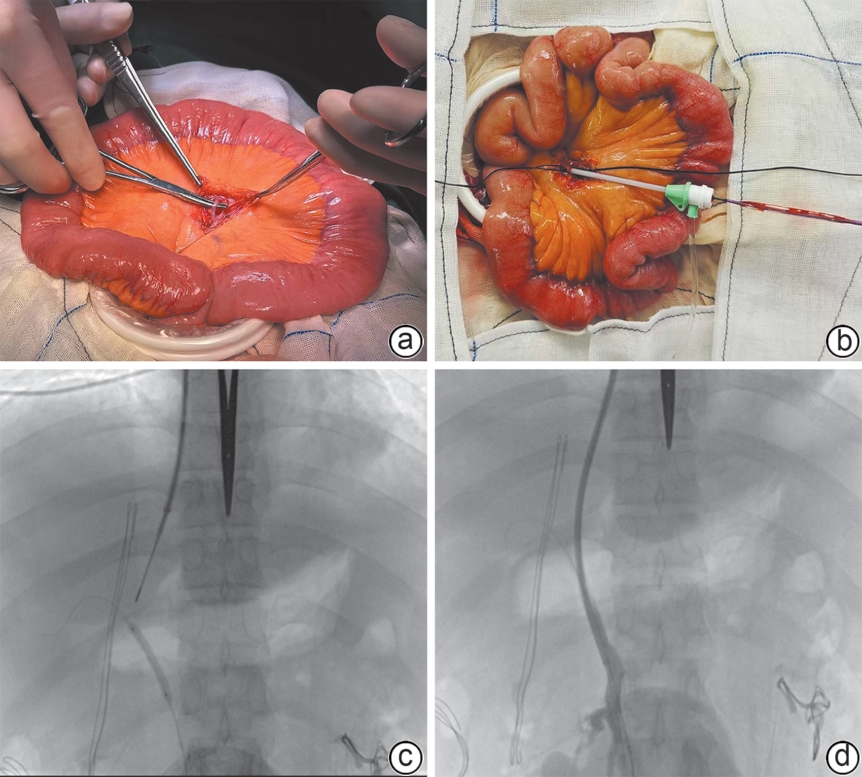
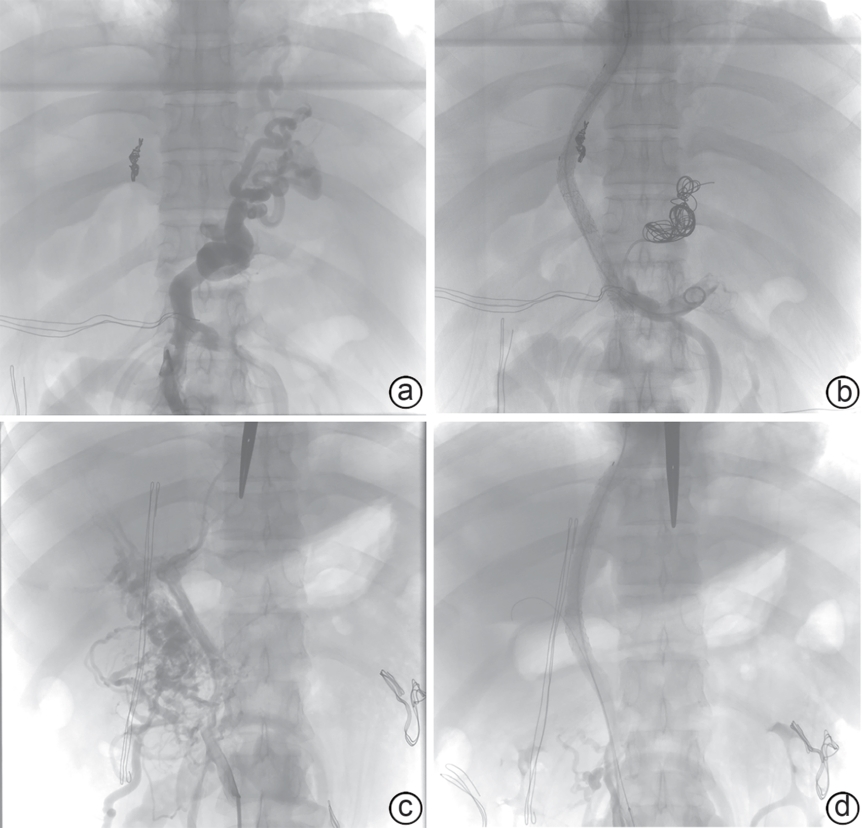
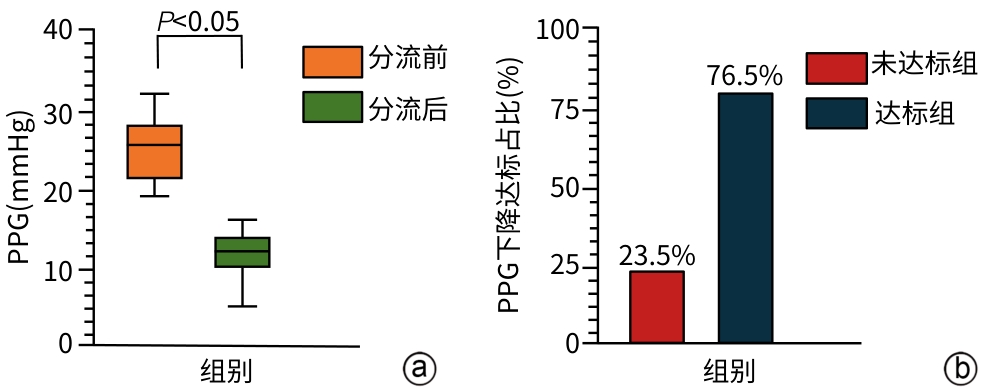
  Objective  To investigate the feasibility, safety, and efficacy of surgery-assisted transjugular intrahepatic portosystemic shunt (SA-TIPS) in the treatment of portal hypertension comorbid with complex portal vein thrombosis, including cavernous transformation of the portal vein (CTPV).  Methods  An analysis was performed for the data of 36 patients with portal hypertension and complex portal vein thrombosis who underwent SA-TIPS in Beijing Shijitan Hospital, Capital Medical University, from November 2023 to January 2025, including general status, technical data of the surgical process (surgical success rate, puncture times, time of operation, the number of stents used, and the length of shunt), perioperative complications, and surgical recovery. The change in portal pressure gradient (PPG) after shunt was compared, and the rate of reaching the standard for PPG reduction was calculated, as well as stent patency rate within 1 week after surgery. The paired samples t-test was used for comparison of continuous data between two groups.  Results  Among the 36 patients, 34 (94.4%) underwent SA-TIPS successfully. The incidence rate of perioperative complications was 16.7% (6/36), including 3 cases of thoraco-abdominal hemorrhage, 2 cases of intraoperative arrhythmia, and 1 case of incision infection. There was a significant reduction in PPG after SA-TIPS (t=19.85, P<0.01), and the patients achieving a ≥50% reduction in PPG accounted for 76.5% (26/34). Imaging reexamination within 1 week showed a shunt patency rate of 100%.  Conclusion  SA-TIPS has a high technical success rate, a favorable safety profile, and good efficacy in the treatment of portal hypertension comorbid with complex portal vein thrombosis (including CTPV), and therefore, it holds promise for clinical application.
Effect of thymosin β4 on a mouse model of carbon tetrachloride-induced hepatic fibrosis and its mechanism
Yunhan ZHU, Siqi WANG, Dengya JING, Qinying FENG
2026, 42(3): 593-599. DOI: 10.12449/JCH260314
Abstract:
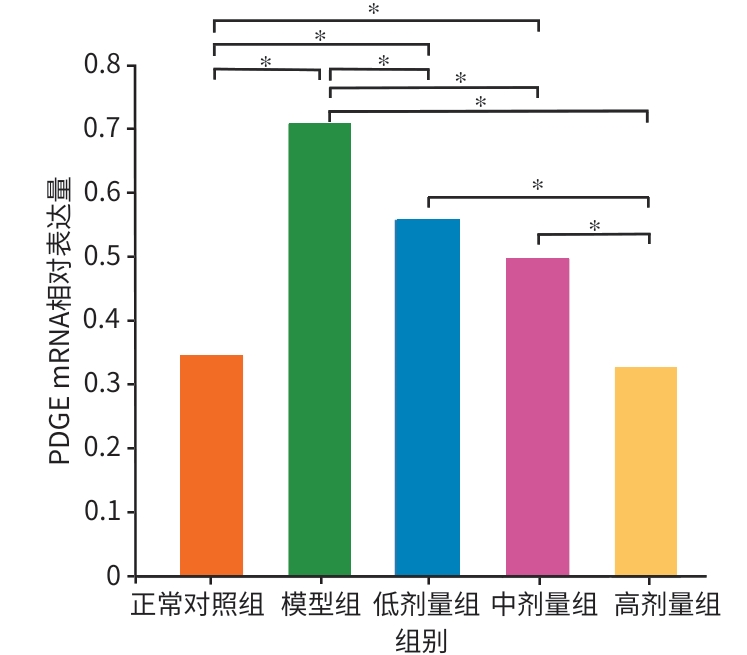
  Objective  To investigate the therapeutic effect and potential mechanism of thymosin β4 (Tβ4) on carbon tetrachloride (CCl4)-induced hepatic fibrosis by regulating the expression of platelet-derived growth factor (PDGF) and inducing the apoptosis of hepatic stellate cell (HSC), and to provide new experimental evidence for anti-hepatic fibrosis treatment in clinical practice.  Methods  A total of 30 male C57 mice were randomly divided into normal control group, model group, low-dose Tβ4 treatment group (3 mg/kg), middle-dose Tβ4 treatment group (6 mg/kg), and high-dose Tβ4 treatment group (12 mg/kg), with 6 mice in each group. The mice in the normal control group were fed with a normal diet ad libitum, and those in the other groups were given intraperitoneal injection of 50% CCl4 mixed with olive oil to establish a model of hepatic fibrosis. After successful modeling confirmed by ultrasound and histopathology, the mice in each treatment group were given subcutaneous injection of Tβ4 for 4 consecutive weeks. Liver tissue was collected at the end of the experiment, and HE staining and Masson staining were used to observe histopathological changes; quantitative real-time PCR was used to measure the mRNA expression level of PDGF; TUNEL assay was used to assess the apoptosis of HSC. A one-way analysis of variance was used for comparison of continuous data between multiple groups, and the least significant difference t-test was used for further comparison between two groups.  Results  Compared with the model group, the middle- and high-dose Tβ4 treatment groups had varying degrees of alleviation of hepatic fibrosis. Quantitative real-time PCR showed that Tβ4 could significantly downregulate the mRNA expression level of PDGF in liver tissue, with a significant difference between the treatment groups (P>0.05), and there was no significant difference in the mRNA expression level of PDGF between the high-dose Tβ4 treatment group and the normal control group (P>0.05). TUNEL assay showed that the middle- and high-dose Tβ4 treatment groups had a significantly higher number of apoptotic HSCs than the model group.  Conclusion  Tβ4 may improve CCl4-induced hepatic fibrosis in mice by downregulating the expression of PDGF and promoting the apoptosis of HSC, suggesting that it has a potential application value in the treatment of hepatic fibrosis.
Effect of sitravatinib on a mouse model of carbon tetrachloride-induced liver fibrosis and its mechanism
Huan ZHANG, Xiangyu WU, Qianwen ZHAO, Fajuan RUI, Nan GENG, Rui JIN, Jie LI
2026, 42(3): 600-607. DOI: 10.12449/JCH260315
Abstract:
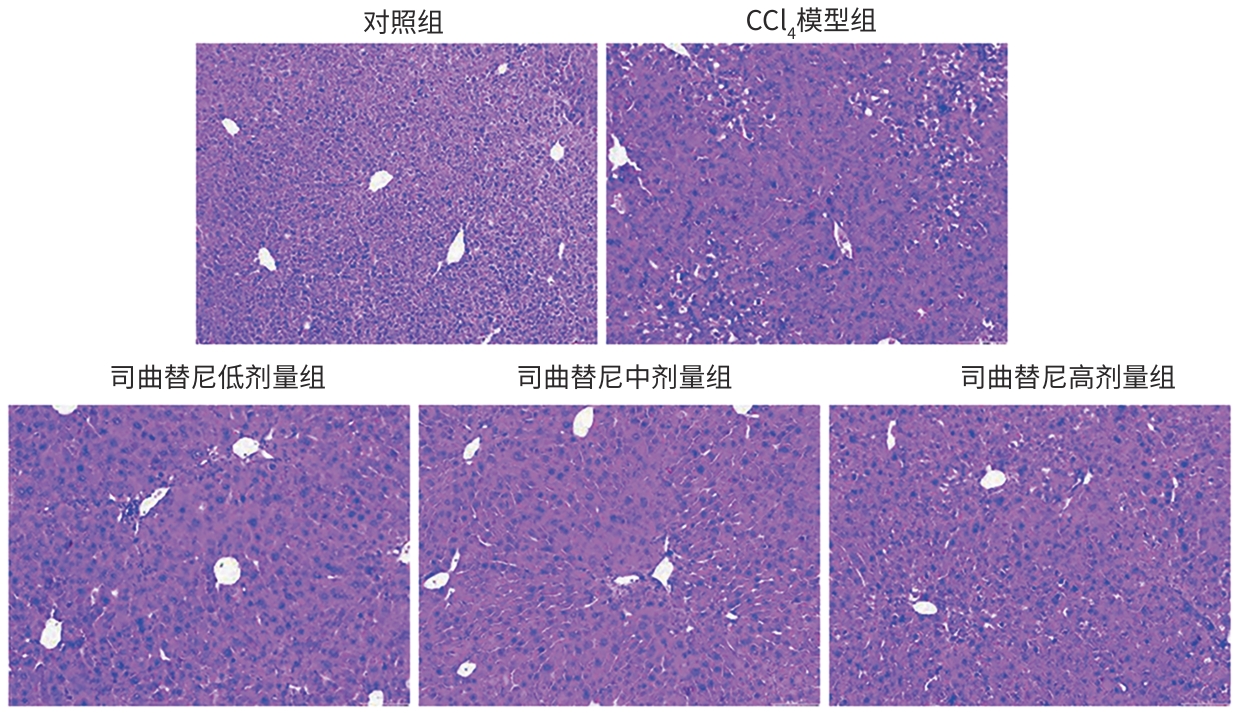
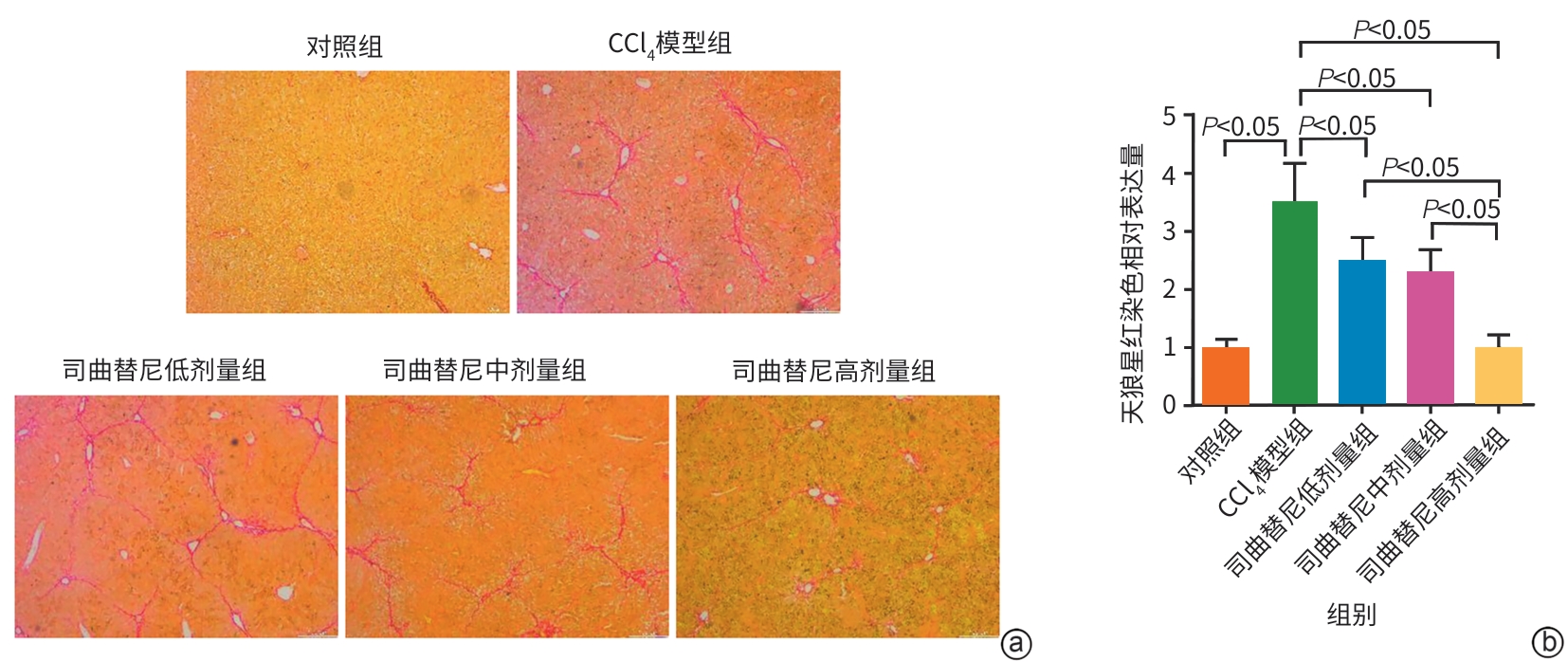
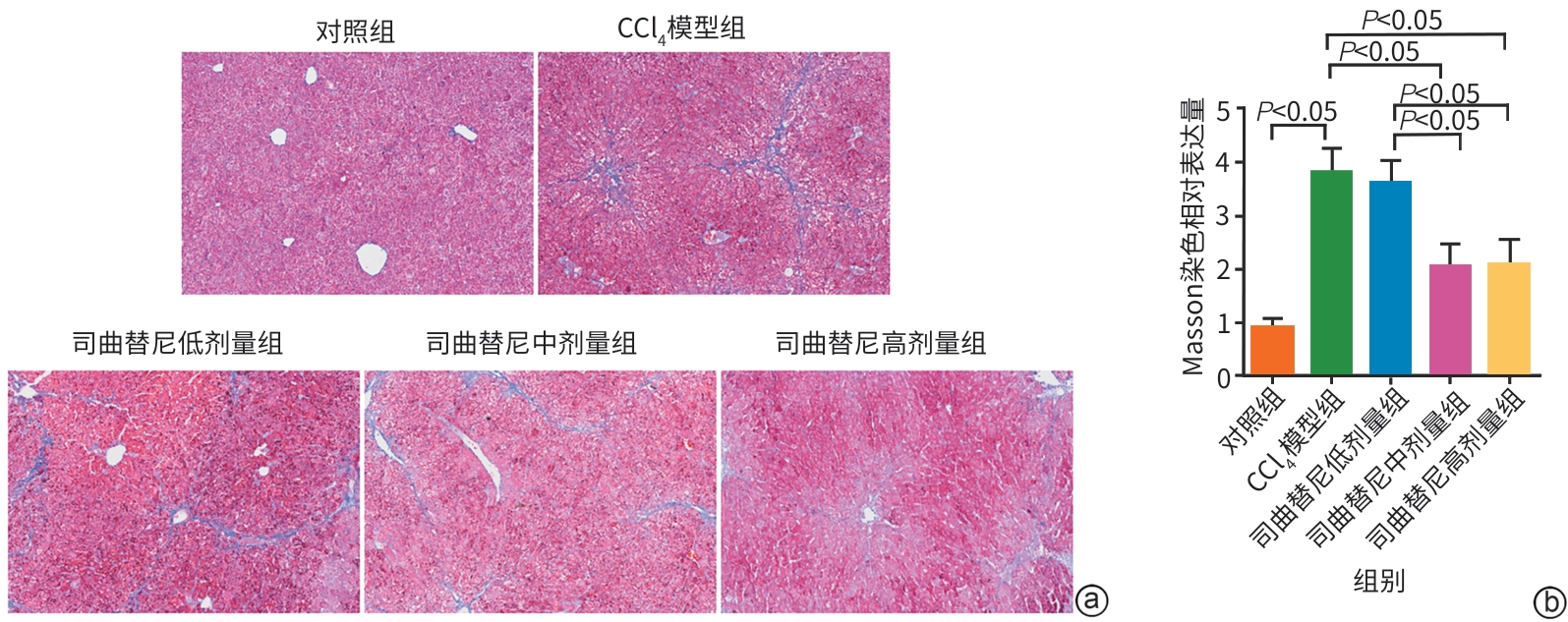
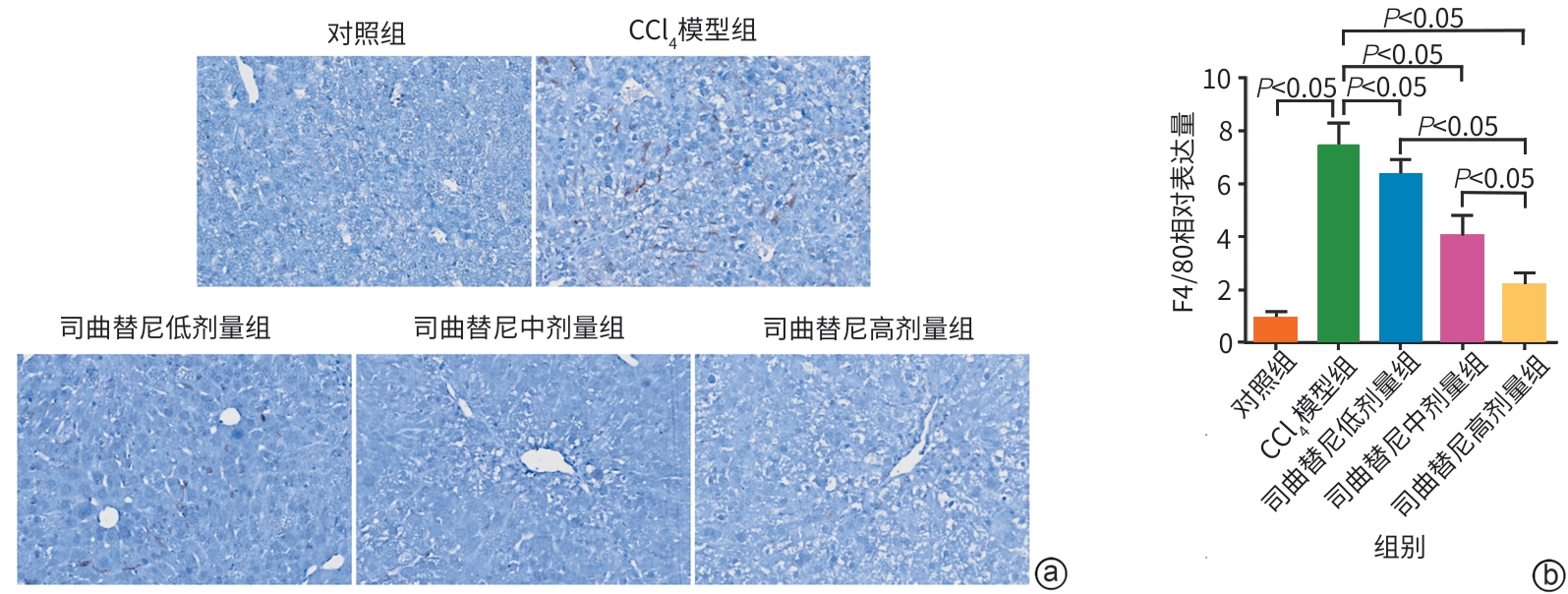
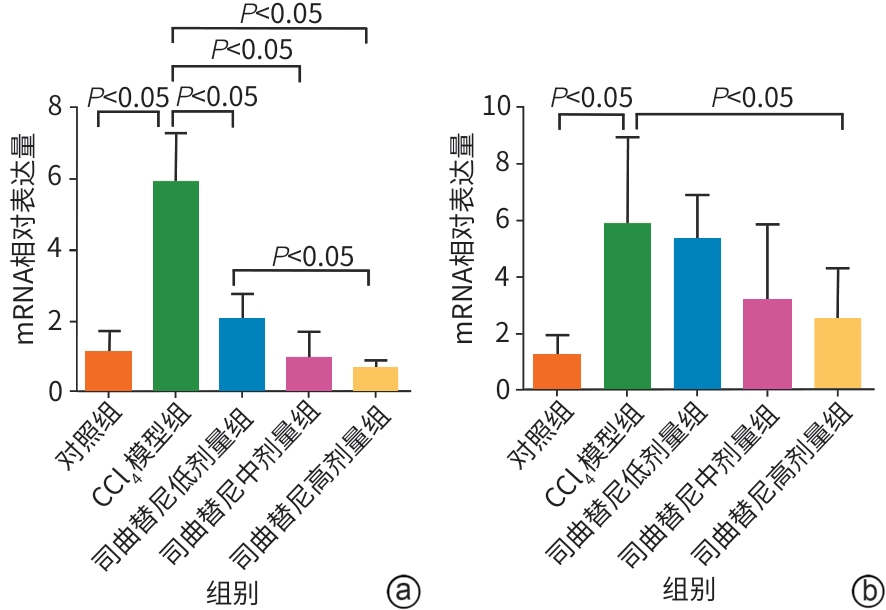
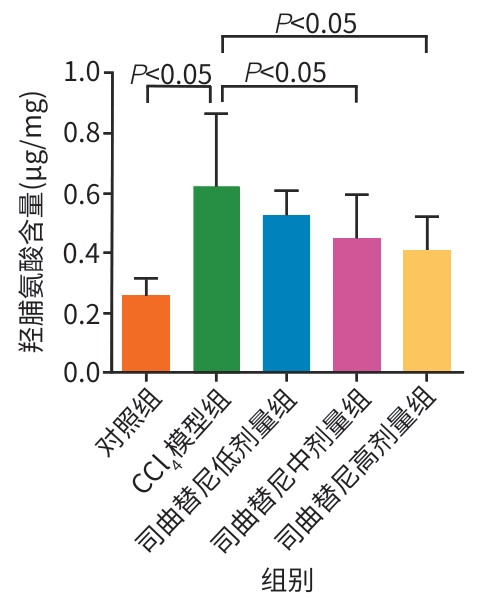
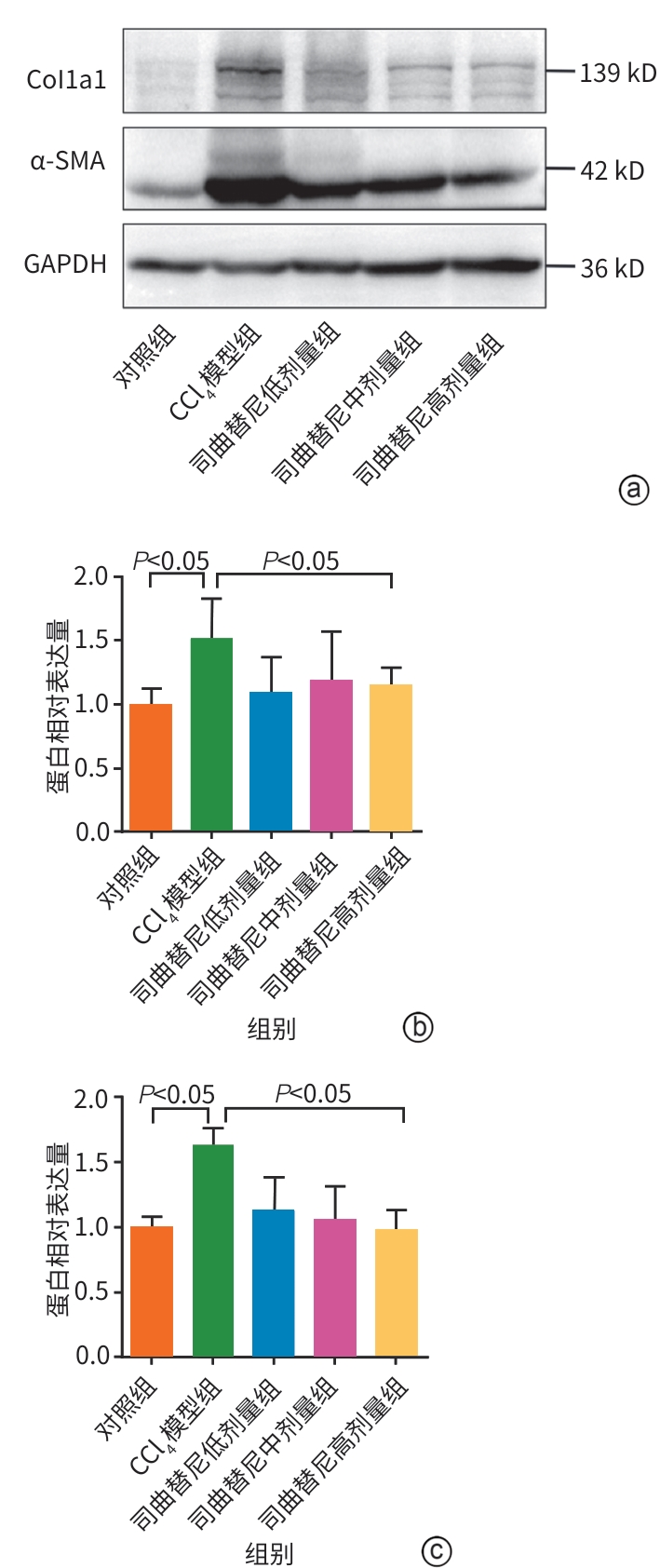
  Objective  To investigate the therapeutic effect of sitravatinib on carbon tetrachloride (CCl4)-induced liver fibrosis in mice.  Methods  A total of 30 male C57BL/6J mice, aged 8 weeks, were randomly divided into control group, CCl4 model group, and low- (5 mg/kg), middle- (10 mg/kg), and high-dose (20 mg/kg) sitravatinib groups. All mice except those in the control group were given intraperitoneal injection of CCl4 for 4 consecutive weeks to induce liver fibrosis, and since the first day of modeling, the mice in the low-, middle-, and high-dose sitravatinib groups were given sitravatinib at the corresponding dose by gavage every day. The serum levels of total cholesterol (TC), triglyceride (TG), and alanine aminotransferase (ALT) were measured for the mice in each group; hepatic hydroxyproline content was measured; HE staining, Masson staining, and Sirius Red staining were used to observe liver histopathological changes; quantitative real-time PCR and Western blot were used to measure the mRNA and protein expression levels of α-smooth muscle actin (α-SMA) and collagen type I alpha 1 (Col1a1) in liver tissue. The therapeutic effect of sitravatinib was assessed based on the above results. A one-way analysis of variance was used for comparison of continuous data between multiple groups, and the least significant difference t-test was used for further comparison between two groups.  Results  Compared with the control group, the model group had significant increases in the levels of TC, TG, and ALT (all P<0.05), and there were no significant differences in the levels of TC, TG, and ALT between the model group and the low-, middle-, and high-dose sitravatinib groups (all P>0.05). Hepatic hydroxyproline content decreased after sitravatinib intervention, with a significant difference between the middle-/high-dose sitravatinib groups and the CCl4 model group (both P<0.05). Histopathological staining showed that the sitravatinib treatment groups had a reduction in collagen deposition, along with thinning and fragmentation of fibrous septa, and in the high-dose sitravatinib group, 4 mice had a fibrosis stage of S0—S1 and 2 mice had a fibrosis stage of S2—S3, suggesting a certain degree of alleviation of liver fibrosis degree compared with the CCl4 model group (mainly S3—S4). The measurement of related molecules showed that sitravatinib downregulated the mRNA and protein expression levels of α-SMA and Col1a1 (all P<0.05).  Conclusion  Sitravatinib can effectively alleviate CCl4-induced liver fibrosis in mice, possibly by inhibiting hepatic stellate cell activation and collagen synthesis.
Effect of astragaloside Ⅳ on a mouse model of carbon tetrachloride-induced liver fibrosis and its mechanism
Wanchun ZHU, Jiahao QIU, Yu CUI, Yijing ZHANG, Zhi SHANG, Yueqiu GAO, Lingying HUANG
2026, 42(3): 608-617. DOI: 10.12449/JCH260316
Abstract:
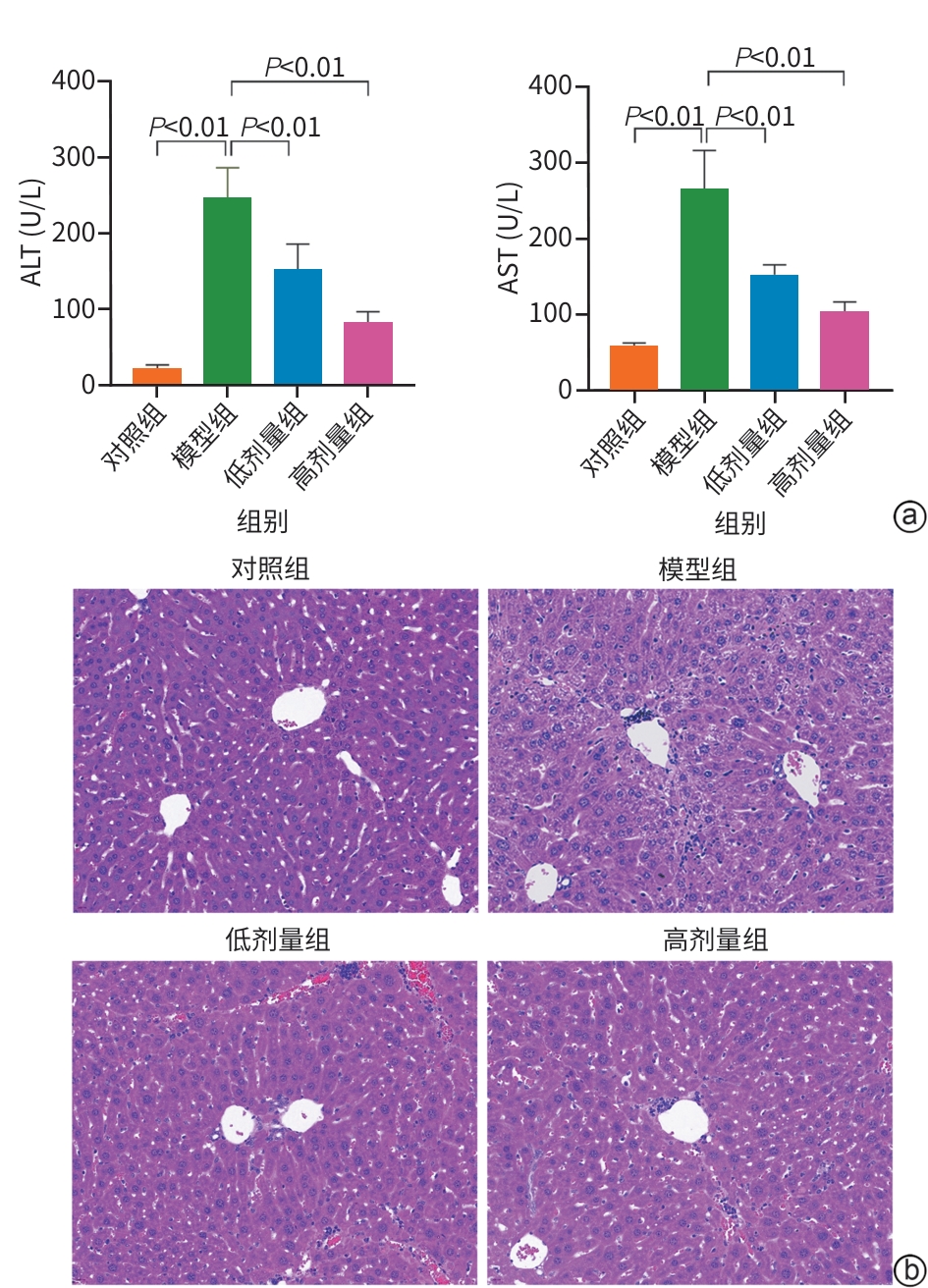
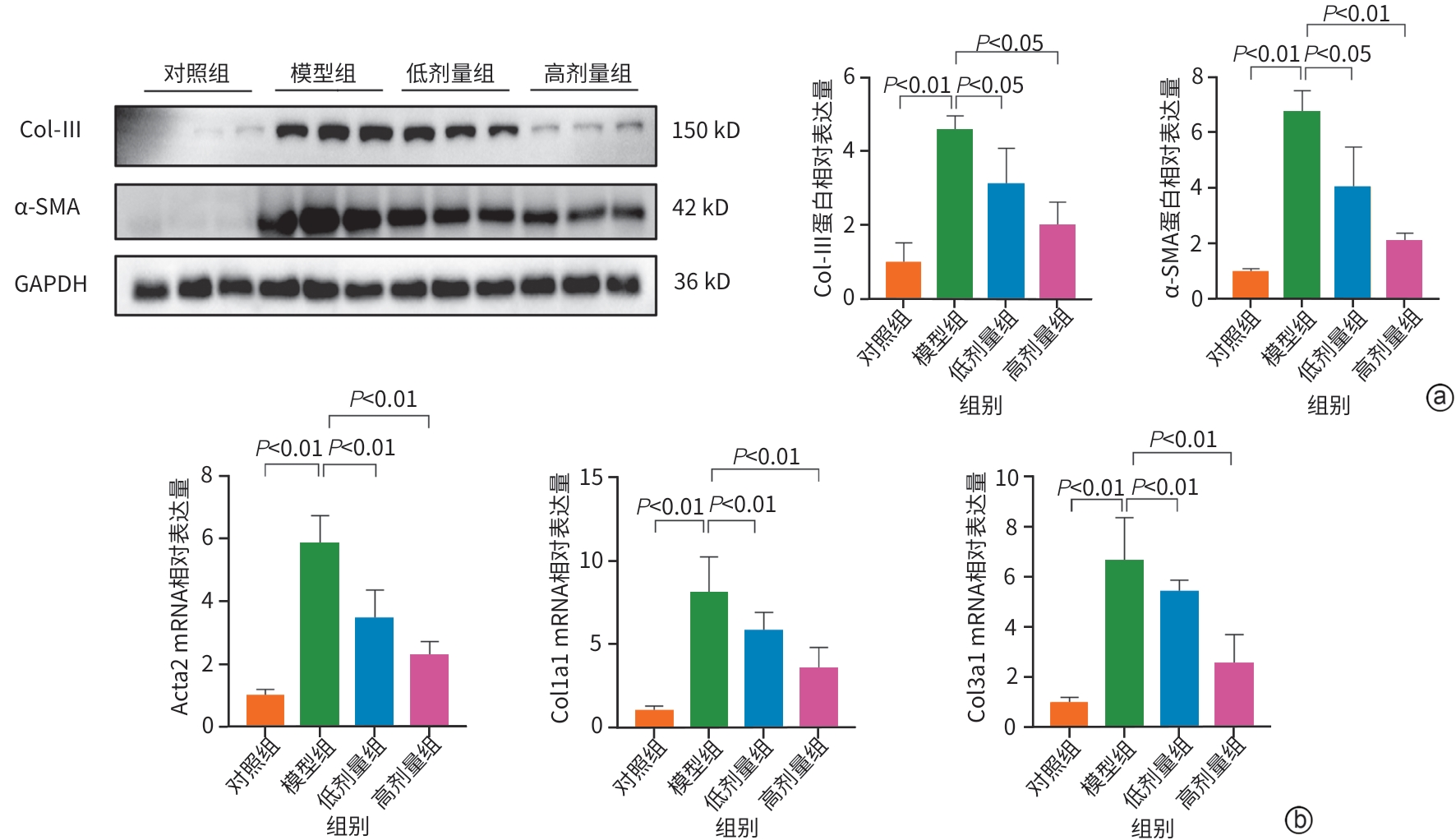
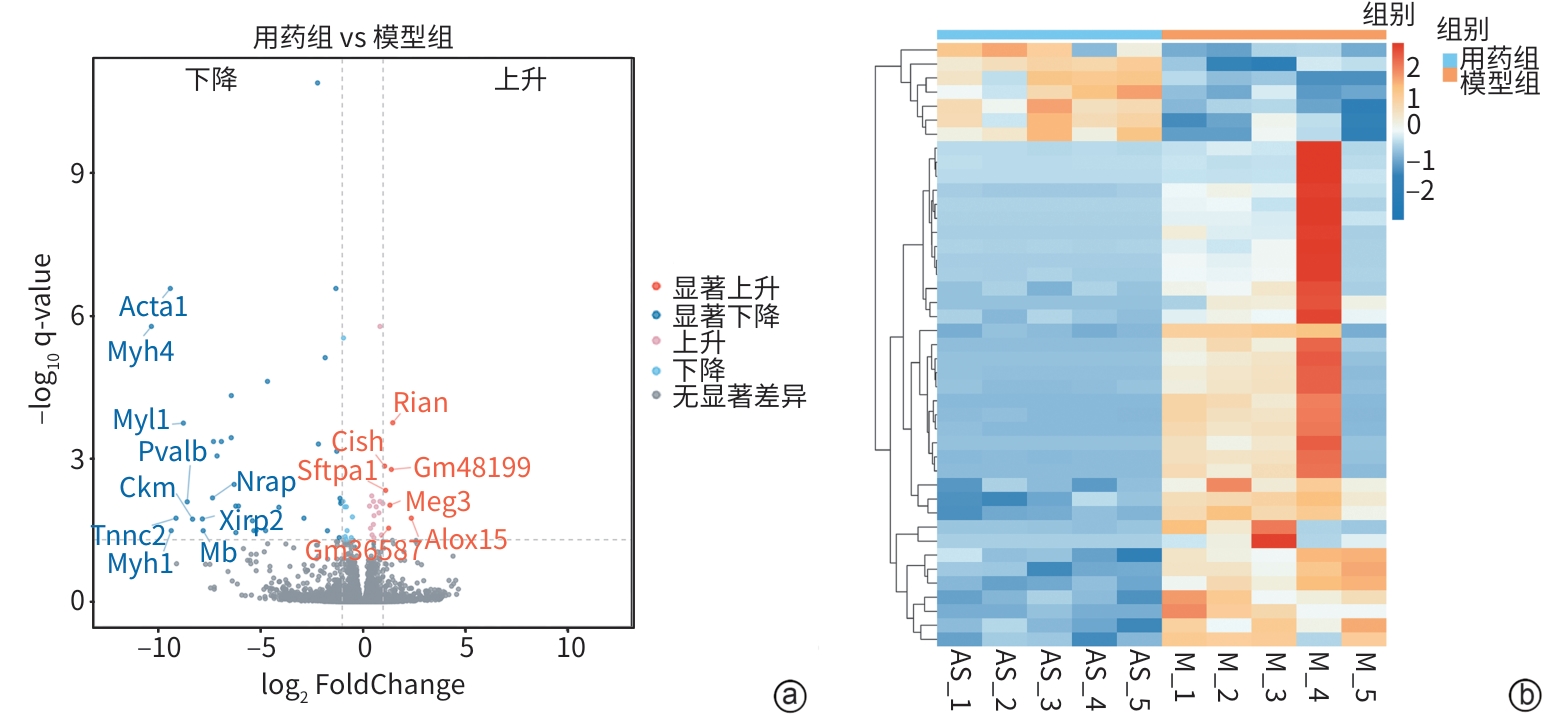
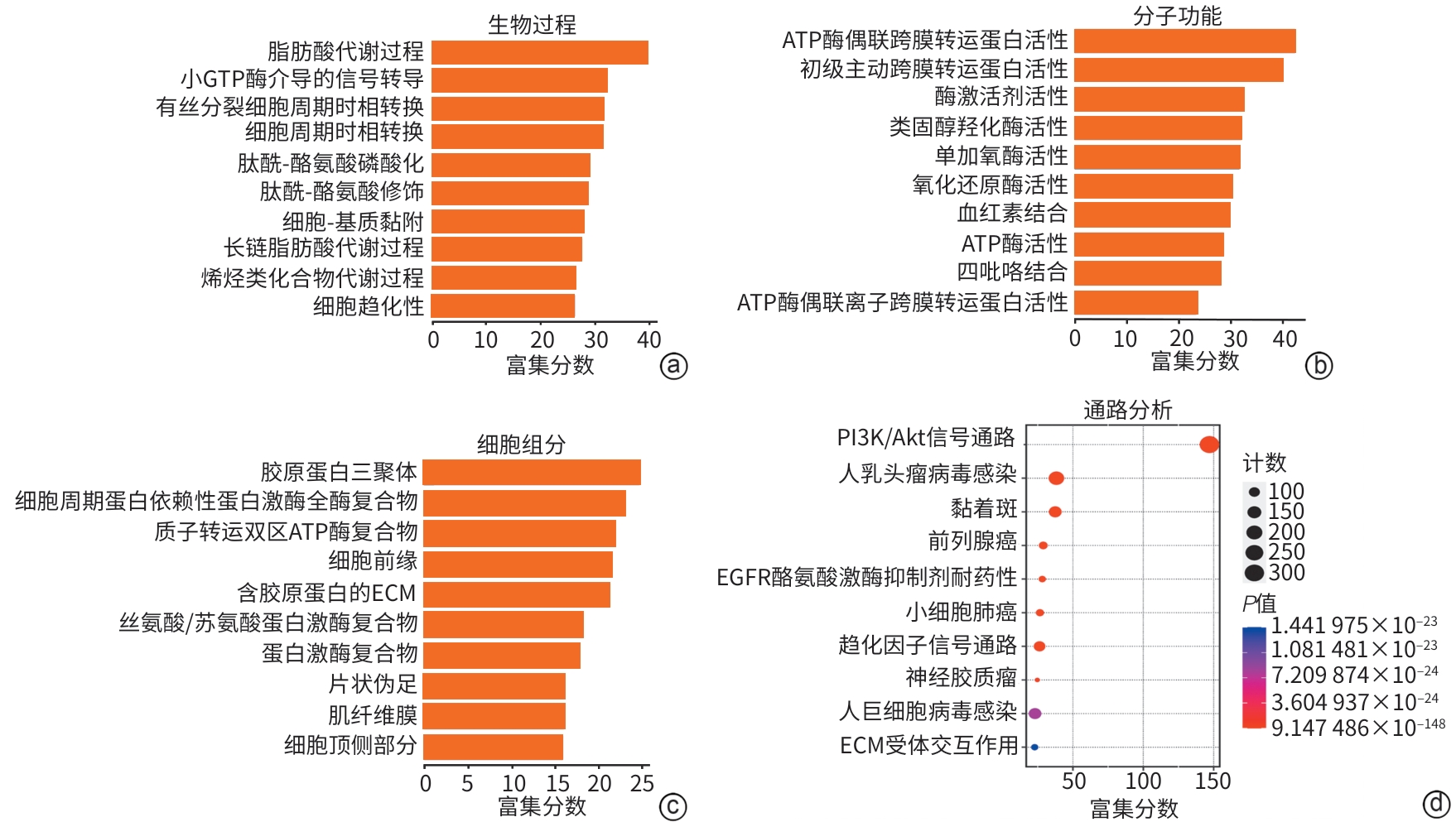
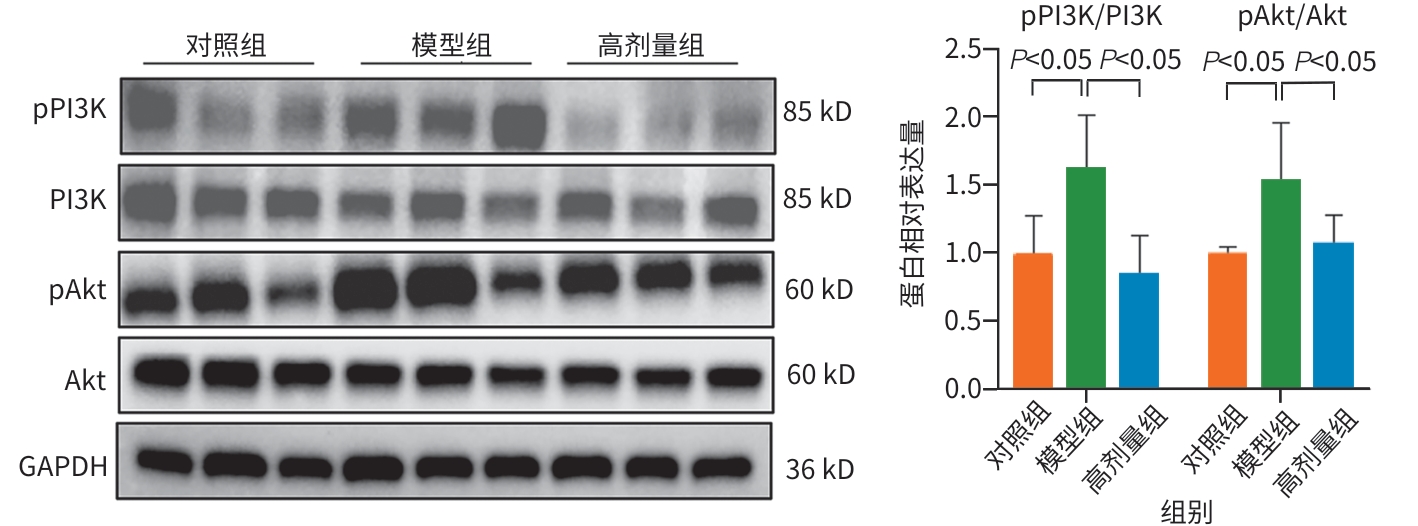
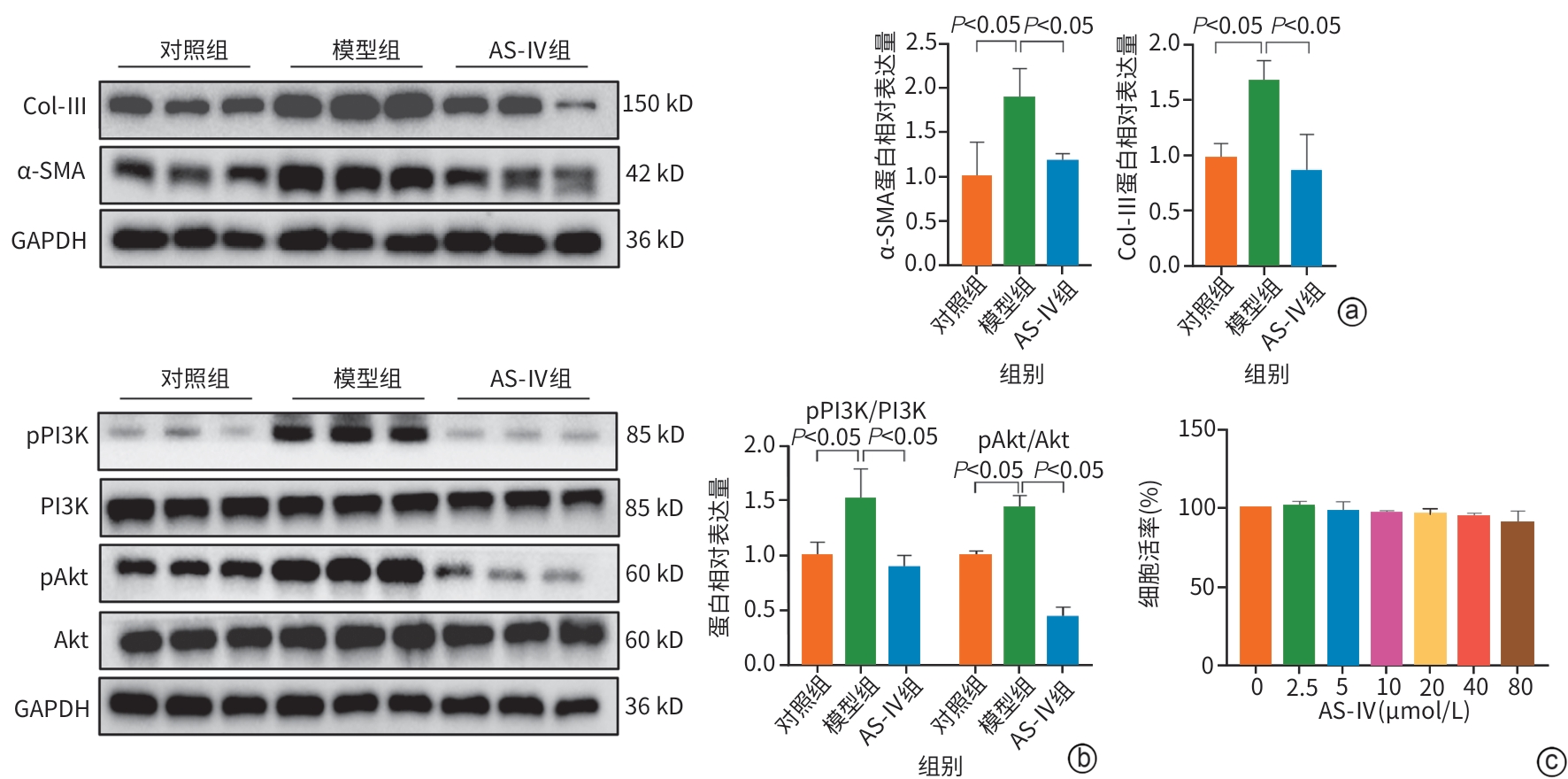
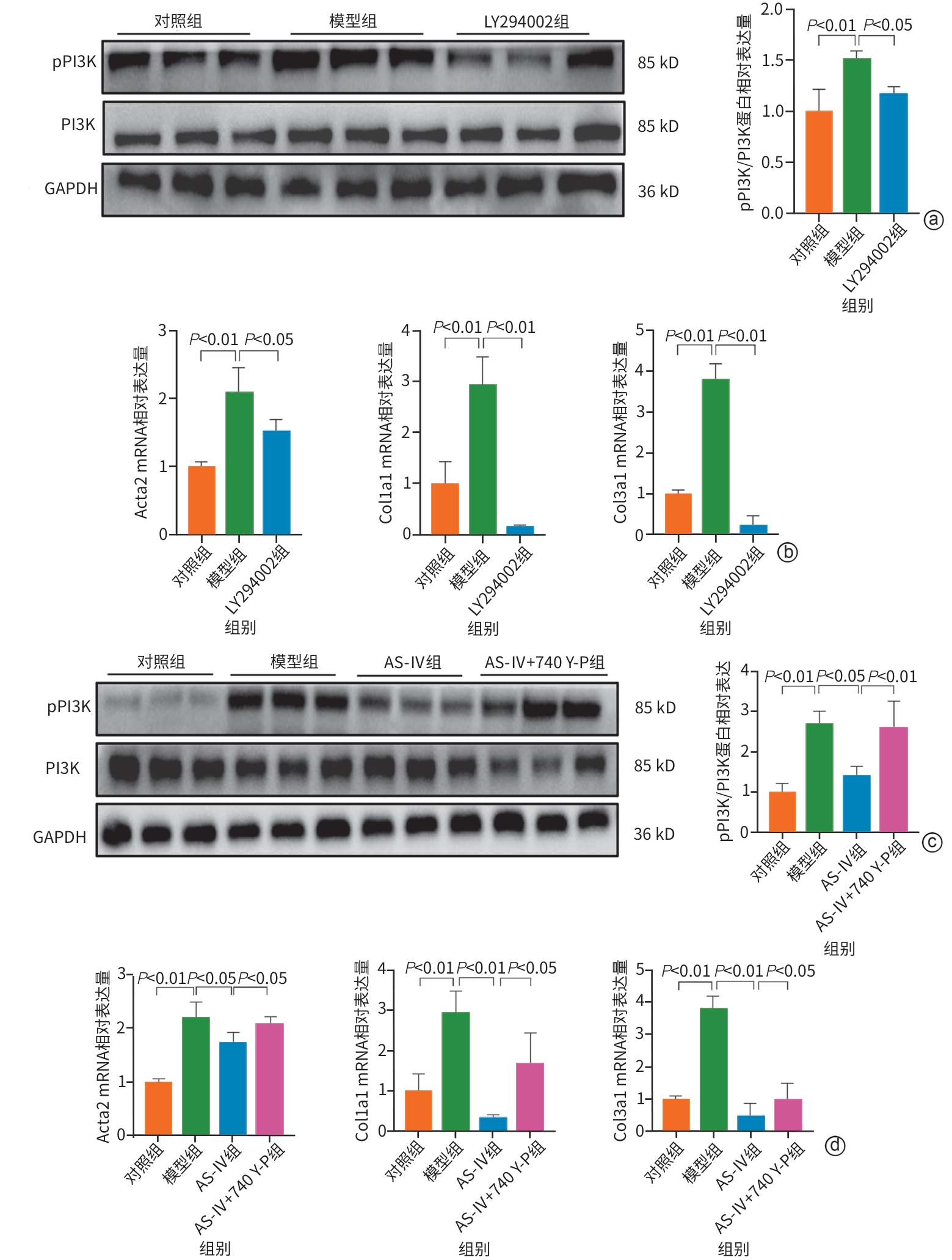
  Objective  To investigate the liver-protecting and anti-liver fibrosis effects of astragaloside Ⅳ (AS-Ⅳ) in vitro and in vivo, as well as its mechanism of action in intervention against liver fibrosis.  Methods  In the animal experiment, C57BL/6J mice were divided into control group, model group, low-dose AS-Ⅳ (20 mg/kg) group, and high-dose AS-Ⅳ (80 mg/kg) group. The mice were given intraperitoneal injection of carbon tetrachloride for 6 weeks to induce liver fibrosis, and since week 3 of injection, the mice in the low-dose AS-Ⅳ group and the high-dose AS-Ⅳ group were given AS-Ⅳ by gavage at a dose of 20 mg/kg and 80 mg/kg, respectively. The serum levels of alanine aminotransferase (ALT) and aspartate aminotransferase (AST) were measured after 4 weeks of administration, as well as the serum levels of hyaluronic acid (HA), laminin (LN), procollagen Ⅲ N-terminal peptide (PⅢNP), and collagen type Ⅳ (Col-Ⅳ). HE staining, picrosirius red staining, and Masson staining were used to observe liver histopathology and collagen deposition; RT-qPCR was used to measure the mRNA expression levels of Acta2, Col1a1, and Col3a1 in liver tissue, and Western blot was used to measure the protein expression levels of α-smooth muscle actin (α-SMA), collagen type Ⅲ (Col-Ⅲ), phosphatidylinositol 3-kinase (PI3K), phosphorylated PI3K (pPI3K), protein kinase B (Akt), and phosphorylated AKT (p-Akt) in liver tissue; transcriptome sequencing was performed for liver tissue to identify differentially expressed genes and perform a bioinformatics analysis. In the cell experiment, transforming growth factor-β (TGF-β) was used to induce the activation of LX-2 cells, and the PI3K inhibitor LY294002 and the PI3K activator 740 Y-P were used for intervention. The cells were divided into control group, model group, AS-Ⅳ group, LY294002 group, and AS-Ⅳ+740 Y-P group, and the cells were harvested after 36 hours of intervention. Changes in the protein expression levels of α-SMA, Col-Ⅲ, pPI3K/PI3K, and pAkt/Akt in LX-2 cells were measured, as well as changes in the relative mRNA expression levels of Acta2, Col1a1, and Col3a1. A one-way analysis of variance was used for comparison of continuous data between multiple groups, and the least significant difference t-test was used for further comparison between two groups.  Results  In the animal experiment, compared with the model group, the AS-Ⅳ treatment group had significant reductions in the serum levels of ALT, AST, HA, LN, PⅢNP, and Col-Ⅳ (all P<0.01), the mRNA expression levels of Acta2, Col1a1, and Col3a1 in liver tissue (all P<0.05), and the protein expression levels of α-SMA, Col-Ⅲ, pPI3K, and pAkt (Ser473) in liver tissue (all P<0.05). In the cell experiment, compared with the control group, the model group had significant increases in the protein expression levels of α-SMA, Col-Ⅲ, pPI3K, and pAkt (Ser473) after TGF-β induction (all P<0.05); compared with the model group, the AS-Ⅳ group had significant reductions in the protein expression levels of α-SMA, Col-Ⅲ, pPI3K, and pAkt (Ser473) (all P<0.05), and both the AS-Ⅳ group and the LY294002 group had significant reductions in the protein expression level of pPI3K and the relative mRNA expression levels of Acta2, Col1a1, and Col3a1 (all P<0.05). Compared with the AS-Ⅳ group, there were significant increases in the protein expression level of pPI3K and the relative mRNA expression levels of Acta2, col1a1, and Col3a1 after 740 Y-P intervention (all P<0.05).  Conclusion  AS-Ⅳ can inhibit hepatic stellate cell activation and improve liver fibrosis, possibly by inhibiting the PI3K/Akt signaling pathway.
Effect and mechanism of Wnt5a knockdown on the efficacy of M1 bone marrow-derived macrophage in treatment of liver cirrhosis
Feifei XING, Danyang WANG, Xinrui ZHENG, Yannan XU, Shihao ZHANG, Junyi ZHAN, Wei LIU, Gaofeng CHEN, Jiamei CHEN, Ping LIU, Yongping MU
2026, 42(3): 618-628. DOI: 10.12449/JCH260317
Abstract:
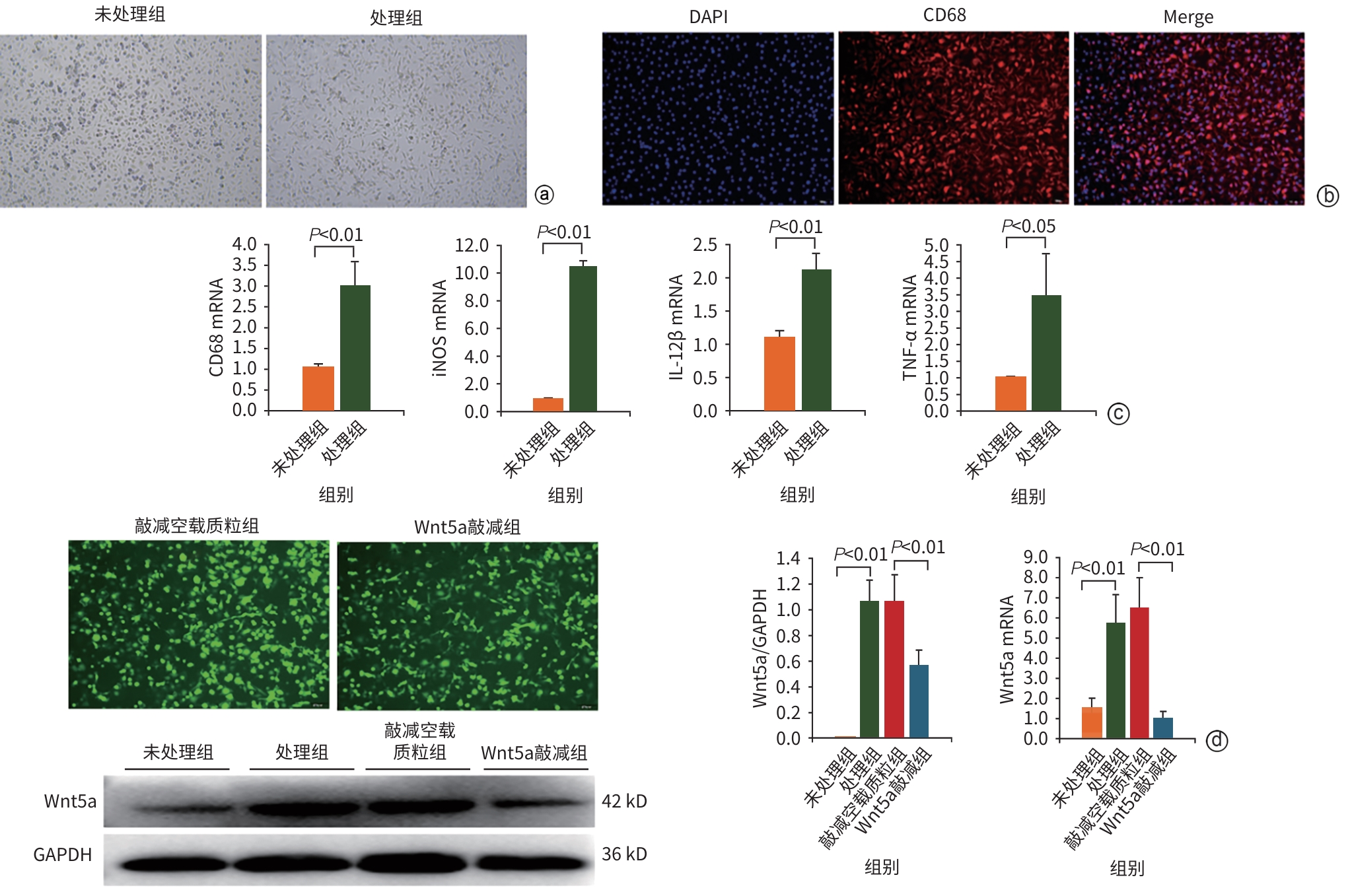
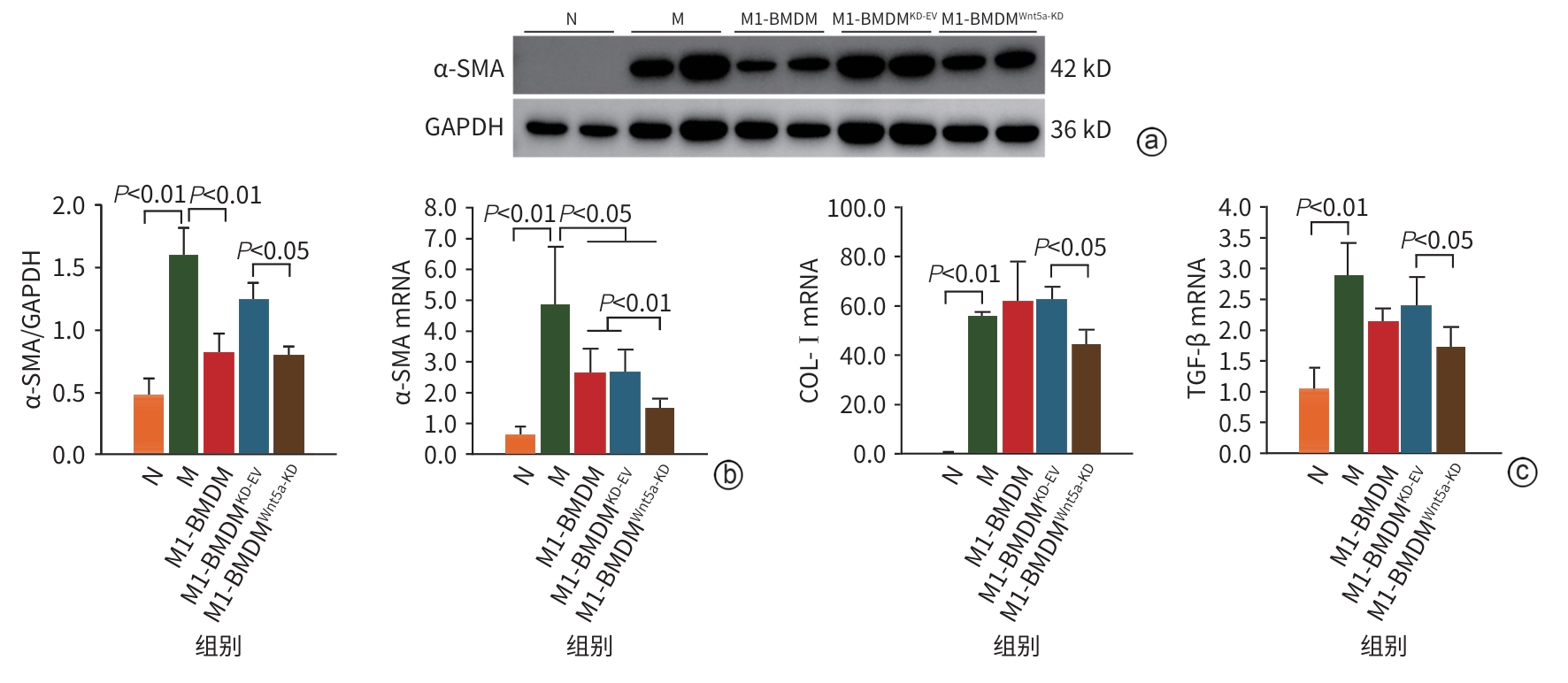
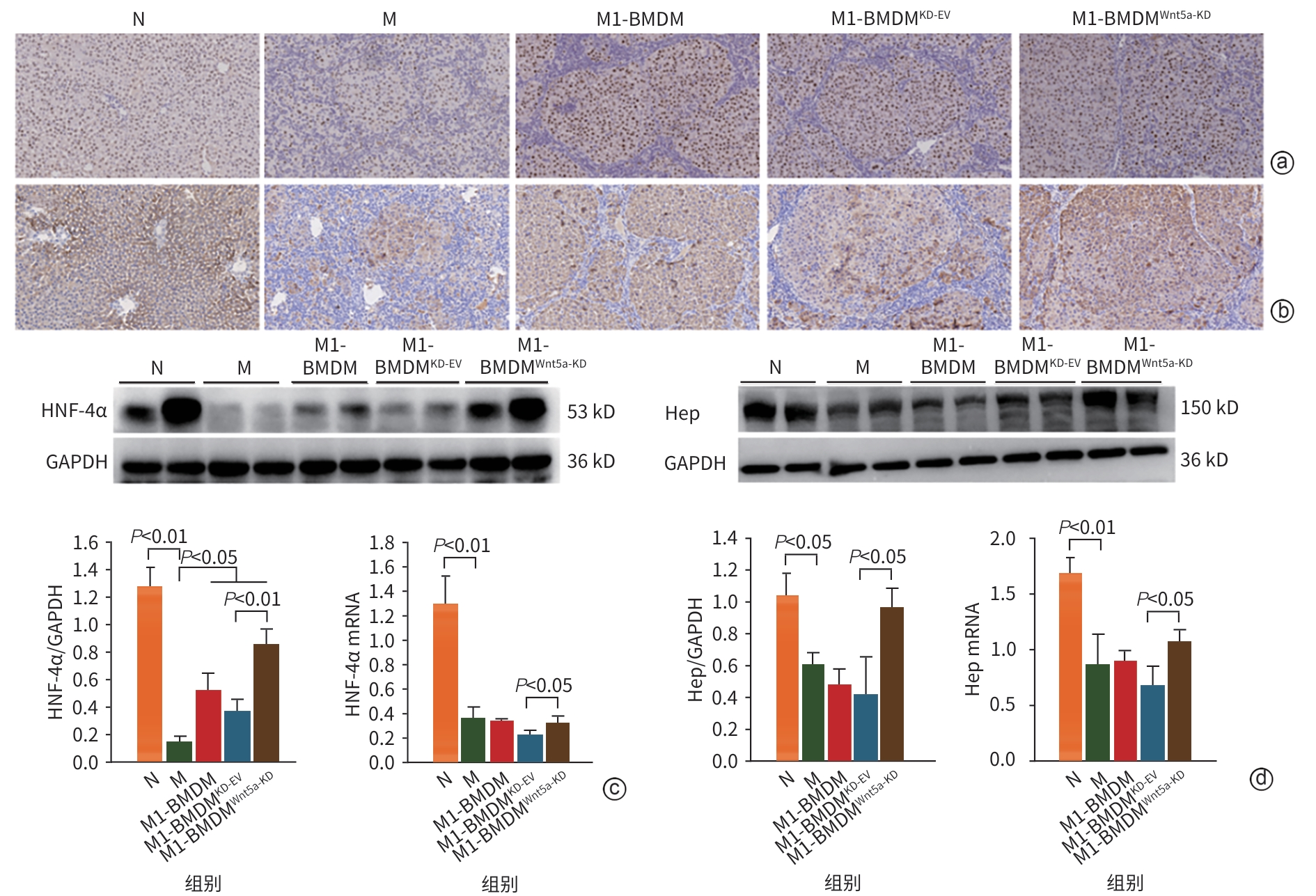
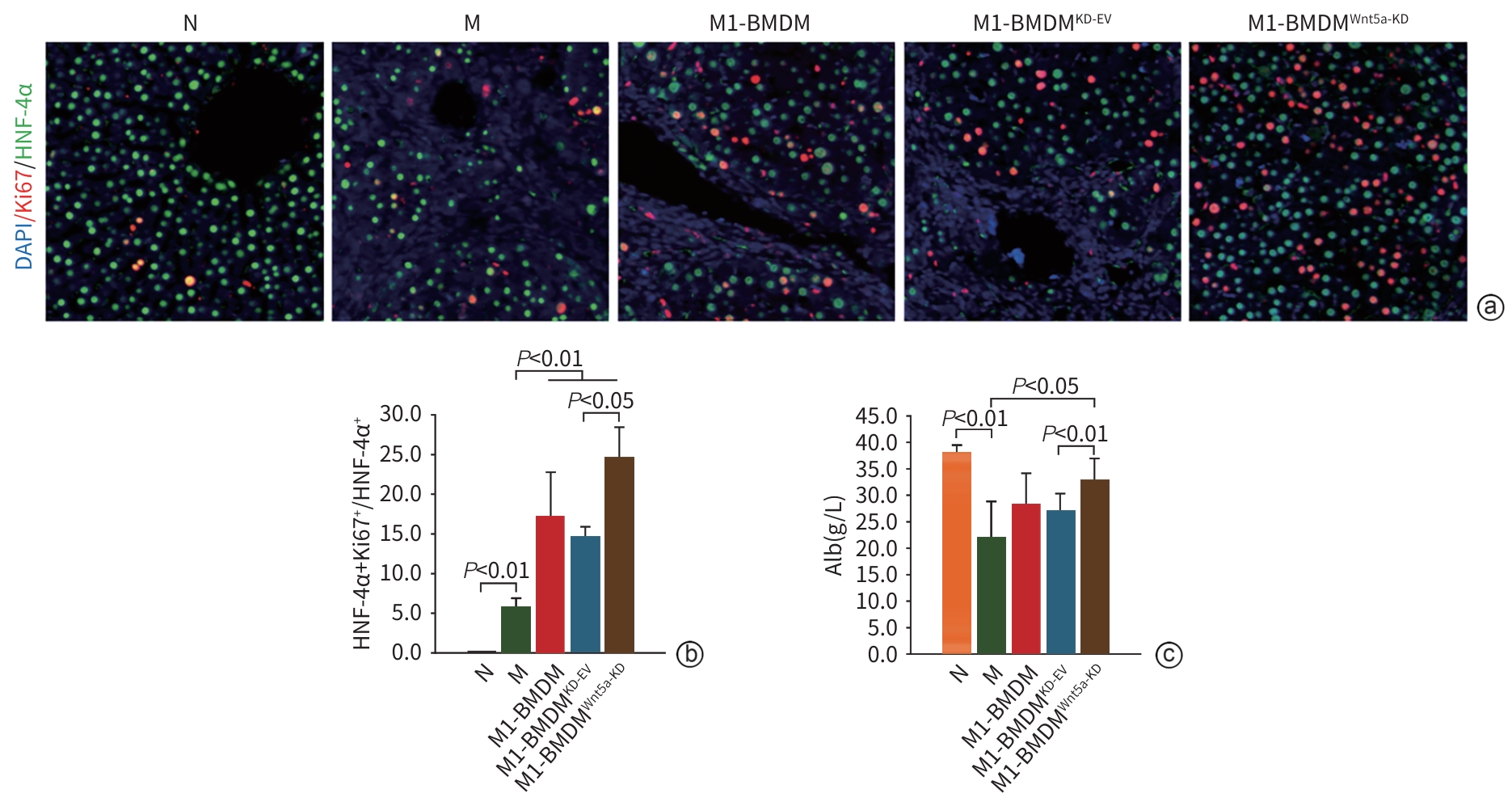
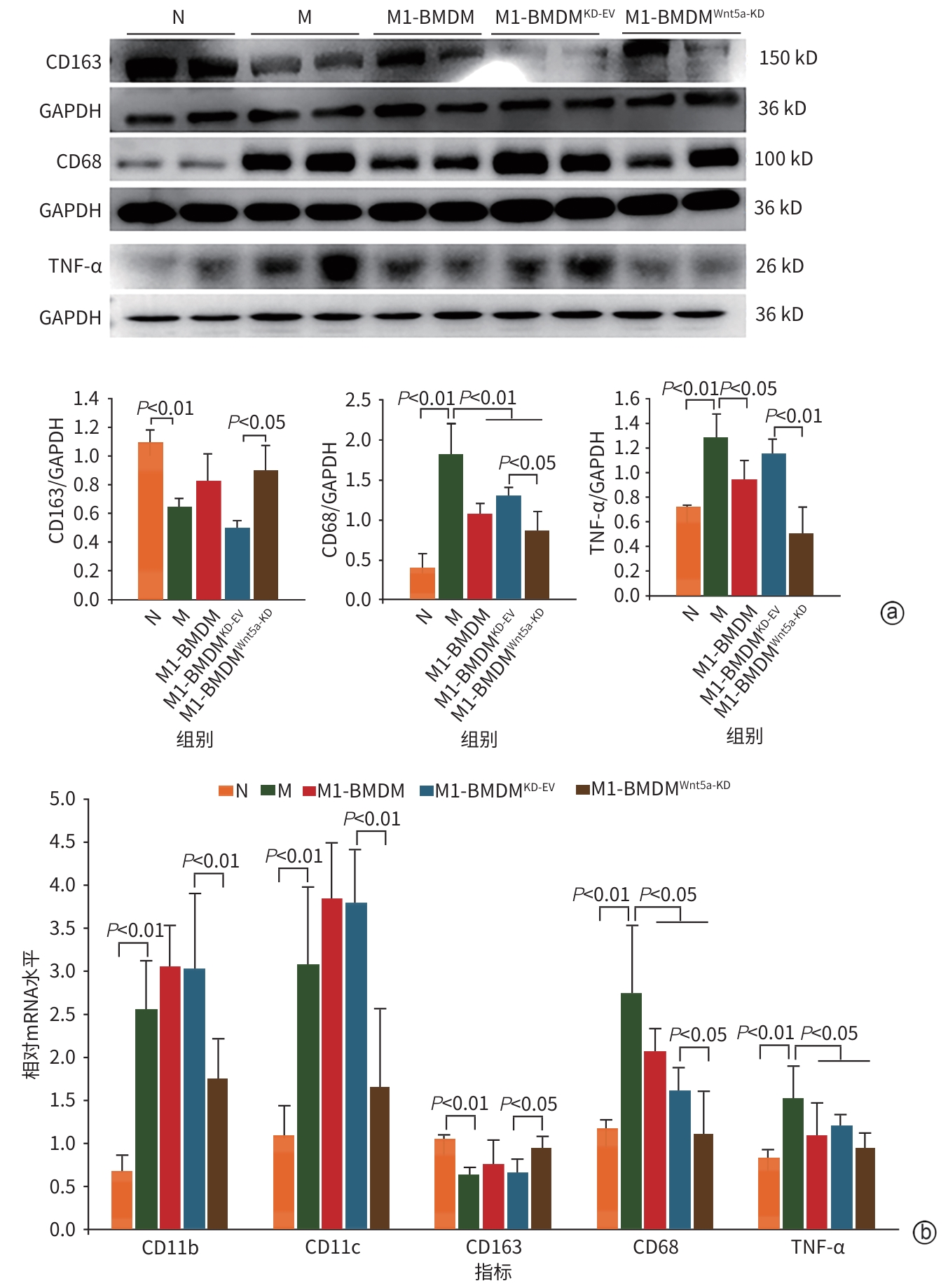
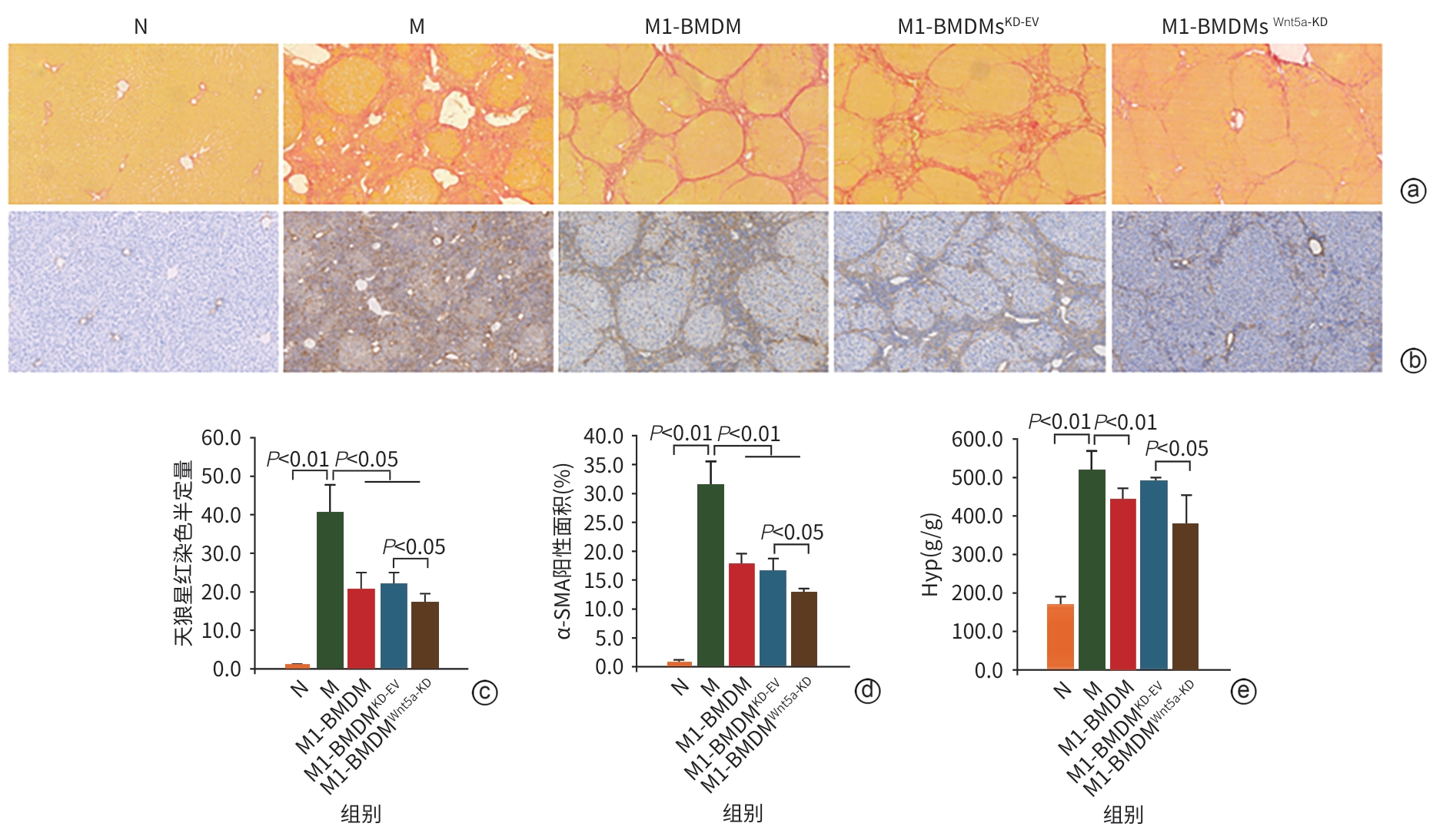
  Objective  To observe the effect of M1 bone marrow-derived macrophages (M1-BMDM) with Wnt5a knockdown on liver fibrosis and regeneration in a rat model of liver cirrhosis, and to investigate its gain-of-function effect compared with unmodified M1-BMDM.  Methods  Primary bone marrow-derived macrophages were isolated from rats and were polarized to M1 phenotype to construct M1-BMDMWnt5a-KD cells. A rat model of liver cirrhosis induced by CCl4/2-AAF was established, and at the end of week 8, rats were randomly divided into model group, M1-BMDM group, M1-BMDM Wnt5a-knockdown empty vector group (M1-BMDMKD-EV group), and M1-BMDM Wnt5a-knockdown group (M1-BMDMWnt5a-KD group), with 6 rats in each group. On the first day of week 9, the rats in each group were given a single injection of the corresponding cells via the caudal vein, along with an intraperitoneal injection of a CCR2 inhibitor. Six rats without any treatment were used as normal control group. Samples were collected at the end of week 12 to assess liver histopathology, serum liver function parameters, hepatic stellate cell activation, and the expression levels of mature hepatocyte markers. A one-way analysis of variance was used for comparison of continuous data between multiple groups, and the least significant difference t-test was used for further comparison between two groups.  Results  Compared with the model group, all cell treatment groups had significant alleviation of liver inflammatory response and significant reductions in the activities of alanine aminotransferase and aspartate aminotransferase (AST) in serum (all P<0.01), and the M1-BMDMWnt5a-KD group had a significantly lower serum level of AST than the M1-BMDM group (P<0.05). The semi-quantitative analysis based on immunohistochemical staining showed that compared with the model group, all cell treatment groups had a significant reduction in the percentage of CD68-positive area (all P<0.05), and compared with the M1-BMDMKD-EV group, the M1-BMDMWnt5a-KD group had a significant reduction in the percentage of CD68-positive area and a significant increase in the percentage of CD163-positive area (both P<0.05). Compared with the model group, all cell treatment groups had significant reductions in the mRNA expression levels of CD68 and tumor necrosis factor-α (all P<0.05) and the protein expression level of CD68 (all P<0.01); compared with the M1-BMDMKD-EV group, the M1-BMDMWnt5a-KD group had significant increases in the protein and mRNA expression levels of CD163 (both P<0.05), significant reductions in the protein and mRNA expression levels of CD68 (both P<0.05), and a significant reduction in the protein expression level of tumor necrosis factor-α (P<0.01). Sirius Red collagen staining and alpha-smooth muscle actin (α-SMA) immunohistochemical staining showed that compared with the model group, all cell treatment groups had significant alleviation of liver collagen deposition and α-SMA-positive area, with the most significant changes in the M1-BMDMWnt5a-KD group, and compared with the M1-BMDMKD-EV group, the M1-BMDMWnt5a-KD group had significantly smaller Sirius Red-positive area and α-SMA-positive area and a significantly lower content of hydroxyproline in liver tissue (all P<0.05). Compared with the M1-BMDMKD-EV group, the M1-BMDMWnt5a-KD group had significant reductions in the protein and mRNA expression levels of α-SMA and the mRNA expression level of COL-I and TGF-β (all P<0.05). Compared with the model group, all cell treatment groups had a significant increase in the protein expression level of HNF-4α in liver tissue (all P<0.05), and the M1-BMDMWnt5a-KD group had significantly higher protein and mRNA expression levels of HNF-4α and hepatocyte specific antigen than the M1-BMDMKD-EV group (both P<0.05). The M1-BMDMWnt5a-KD group had a significantly higher serum level of albumin than the M1-BMDMKD-EV group (P<0.01). Immunofluorescence co-staining showed that compared with the model group, all cell treatment groups had a significant increase in the number of cells stained positive for HNF and HNF-4α and Ki67 (all P<0.01), and the M1-BMDMWnt5a-KD group had a significantly higher number of such cells than the M1-BMDMKD-EV group (P<0.05).  Conclusion  Inhibition ofWnt5aexpression enhances the therapeutic effect of M1-BMDM on rats with liver cirrhosis induced by CCl4/2-AAF, which provides new ideas for enhancing the anti-cirrhotic effect of M1-BMDM through genetic modification.
Liver Neoplasm
Safety and efficacy of argon-helium cryoablation combined with targeted therapy and anti-programmed death-1 monoclonal antibody in treatment of patients with unresectable hepatocellular carcinoma aged 60 years or older
Shujuan GONG, Xiujuan CHANG, Yan LIU, Dong JI, Yan CHEN, Quanwei HE, Yongping YANG
2026, 42(3): 629-638. DOI: 10.12449/JCH260318
Abstract:
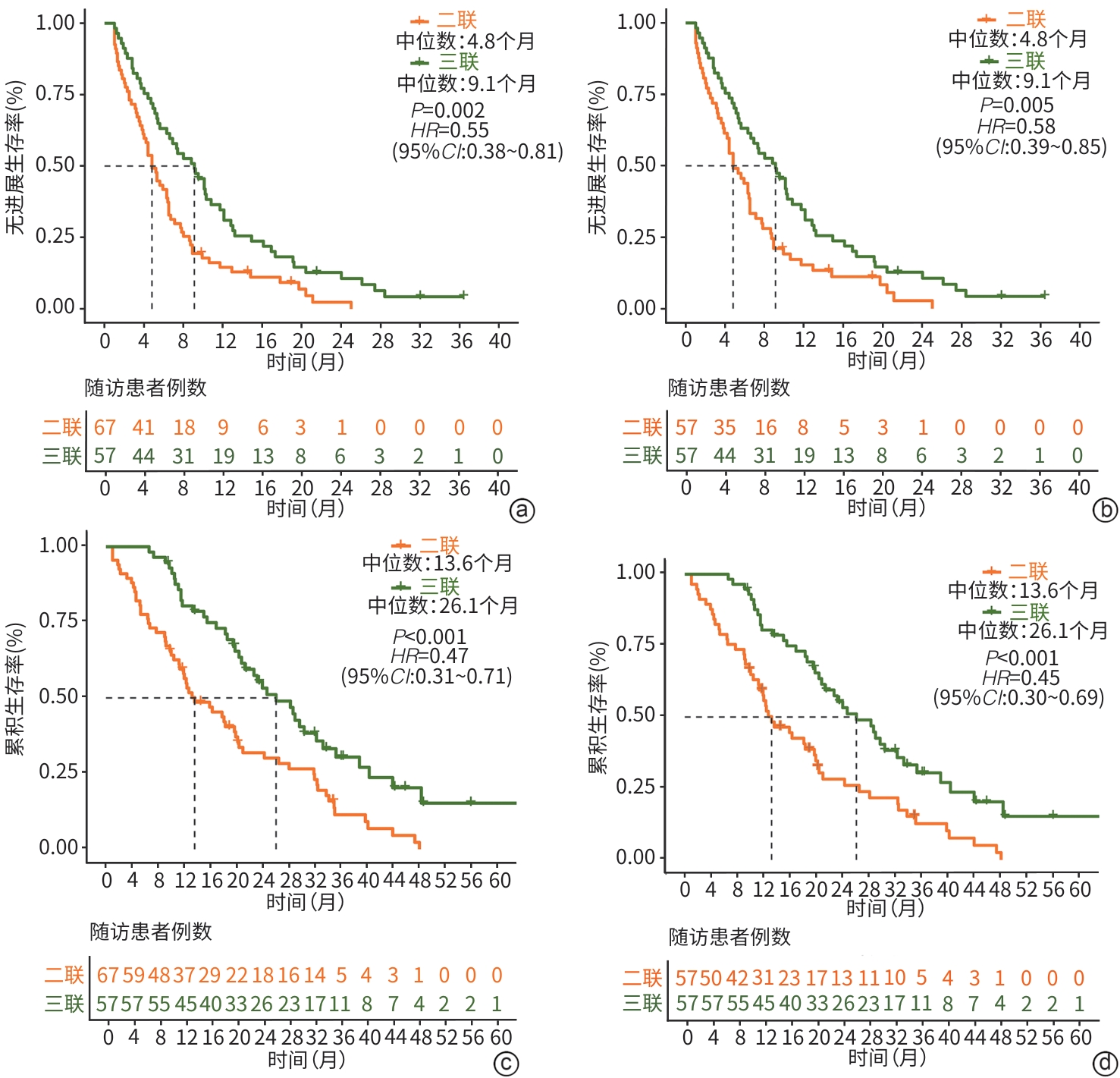
  Objective  To investigate whether anti-programmed death-1 (PD-1) monoclonal antibody can enhance the efficacy and safety of argon-helium cryoablation combined with targeted therapy in patients with unresectable hepatocellular carcinoma (uHCC) aged 60 years or older.  Methods  A retrospective analysis was performed for the clinical data of 124 patients with advanced uHCC aged 60 years or older who were treated at The Fifth Medical Center of Chinese PLA General Hospital from January 2013 to September 2024. After propensity score matching, 57 patients received cryoablation combined with targeted therapy (double combination group), while 57 received cryoablation combined with targeted therapy and anti-PD-1 monoclonal antibody (triple combination group). The indicators for efficacy assessment included objective response rate (ORR), disease control rate (DCR), progression-free survival (PFS), overall survival (OS), and the incidence rate of adverse events. The Mann-Whitney U test was used for comparison of continuous data between two groups, and the chi-square test or the Fisher’s exact test was used for comparison of categorical data between two groups. The Kaplan-Meier method was used to plot survival curves, and the Log-rank test was used for comparison between groups. A Cox proportional-hazards regression model analysis was used to investigate the influencing factors for survival prognosis.  Results  The triple combination group had a significantly higher ORR than the double combination group (59.6% vs 29.8%, χ2=9.083, P=0.003), while there was no significant difference in DCR between the two groups (87.7% vs 77.2%, χ2=1.516, P=0.218), and compared with the double combination group, the triple combination group had significantly longer median PFS (9.1 months vs 4.8 months, χ2=7.813, P=0.005) and median OS (26.1 months vs 13.6 months, χ2=14.199, P<0.001). The multivariateCox proportional-hazards regression model analysis showed that triple combination treatment was an independent influencing factor for PFS (hazard ratio [HR]=0.52, 95% confidence interval [CI]: 0.35 — 0.78, P=0.001) and OS (HR=0.32, 95%CI: 0.20 — 0.51, P<0.001). There was no significant difference in the incidence rate of adverse events between the two groups (P>0.05).  Conclusion  Triple combination treatment with argon-helium cryoablation, targeted therapy, and anti-PD-1 monoclonal antibody can significantly improve survival benefits in uHCC patients aged 60 years or older, with a controllable safety profile.
Other Liver Disease
Clinical features of muscle changes and related risk factors in patients with porto-sinusoidal vascular disorder
Ruijia LI, Yuxiang GONG, Yu ZHANG, Shasha LI, Yongfeng YANG
2026, 42(3): 639-646. DOI: 10.12449/JCH260319
Abstract(24) HTML (11) PDF (737KB)(11)
Abstract:
  Objective  To investigate the prevalence of muscle changes (including sarcopenia and myosteatosis) and related influencing factors in patients with porto-sinusoidal vascular disorder (PSVD), and to provide a theoretical basis for the early identification, prevention, and intervention of muscle changes in PSVD patients.  Methods  A total of 132 PSVD patients who were diagnosed in Nanjing Second Hospital from July 2017 to July 2024 were enrolled as case group, and the hospital staff who underwent physical examination in 2025 were enrolled as healthy control group. Propensity score matching was performed based on age and sex at a ratio of 1∶1. According to muscle status assessed by abdominal CT, the subjects were divided into non-muscle change group, mild muscle change group (myosteatosis alone), and severe muscle change group (sarcopenia alone or sarcopenia comorbid with myosteatosis), with the type and severity of muscle change as the exposure factors. General information, laboratory tests, L3-level CT images, and liver biopsy data were collected for the patients in the case group, and general information and CT images were collected for the individuals in the healthy control group. Sarcopenia was diagnosed by measuring skeletal muscle index at the L3 level (<44.77 cm2/m2 for men and <32.50 cm2/m2 for women), and myosteatosis was defined by mean muscle attenuation combined with BMI (BMI <24.9 kg/m2 with attenuation <41 HU or BMI ≥25 kg/m2 with attenuation <33 HU). Demographic, laboratory, and clinical parameters were compared between the case group and the healthy control group. The independent-samples t test was used for comparison of normally distributed continuous data between groups, and the Mann-Whitney U test was used for comparison of non-normally distributed continuous data between groups; the chi-square test or the Fisher’s exact test was used for comparison of categorical data between groups. The univariate and multivariate Logistic regression analyses were used to identify the factors associated with sarcopenia in PSVD.  Results  Among the 132 patients with PSVD, there were 83 patients with portal hypertension (PH) and 49 patients without PH, and there were significant differences between these two groups in age, albumin, albumin/globulin ratio, leukocyte count, neutrophil count, red blood cell count, platelet count, direct bilirubin, indirect bilirubin, hemoglobin, blood calcium, cholinesterase, total bile acid, triglyceride, total cholesterol, prothrombin time, international normalized ratio, activated partial thromboplastin time, decompensation, gastroesophageal or ectopic varices, bleeding and ascites (all P<0.05). The analyses after matching showed that compared with the healthy control group, the case group had significantly higher prevalence rates of abnormal muscle structure (43.18% vs 18.94%, P<0.001), mild muscle changes (22.73% vs 7.58%, P<0.001), and severe muscle changes (20.45% vs 11.36%, P<0.001). Further comparison showed that there was no significant difference in the proportion of patients with muscle changes between the PSVD patients with PH and those without PH (42.17% vs 44.90%, P=0.760). The binary Logistic regression analysis with the presence or absence of muscle changes as the dependent variable showed that age (odds ratio [OR]=1.05, 95% confidence interval [CI]: 1.02 — 1.09, P<0.05), subcutaneous fat index (OR=1.03, 95%CI: 1.01 — 1.06, P<0.05), hemoglobin (OR=0.97, 95%CI: 0.95 — 0.99, P<0.05), and thrombin time (OR=1.26, 95%CI: 1.06 — 1.49, P<0.05) were independent influencing factors for muscle changes in PSVD patients. The multivariate ordinal Logistic regression analysis with the severity of muscle changes as the dependent variable showed that age (OR=1.04, 95%CI: 1.01 — 1.07, P<0.05) and thrombin time (OR=1.17, 95%CI: 1.01 — 1.36, P<0.05) were independent risk factors for the grading of muscle changes.  Conclusion  Muscle changes are common in PSVD patients, and these changes may be caused by PSVD itself rather than PH. Age, fat distribution, thrombin time, and hemoglobin are important influencing factors for muscle changes.
Pancreatic Disease
Risk factors for lower extremity deep vein thrombosis in patients with acute necrotizing pancreatitis and effectiveness of risk assessment models
Liu YANG, Gang ZHU, Longfei ZENG, Benjian GAO, Bo LI
2026, 42(3): 647-654. DOI: 10.12449/JCH260320
Abstract:
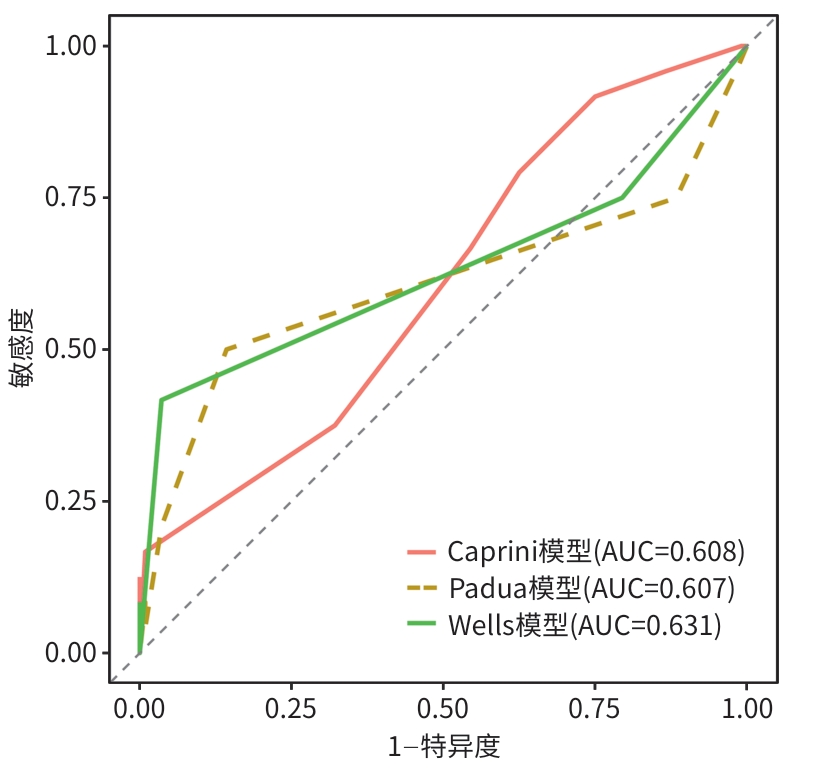
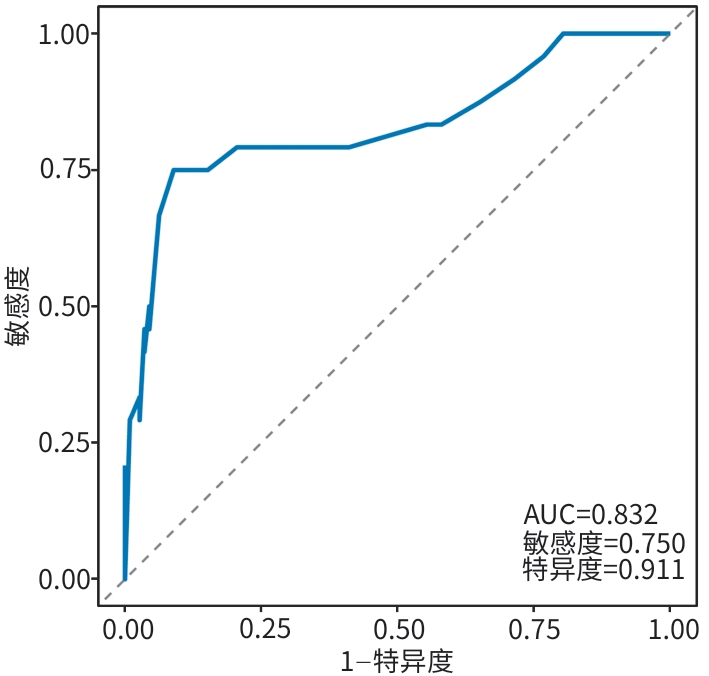
  Objective  To investigate the influencing factors and independent risk factors for lower extremity deep vein thrombosis (DVT) in patients with acute necrotizing pancreatitis (ANP), to analyze the effectiveness of three commonly used risk assessment models for thrombosis (Caprini score, Padua score, and Wells score), and to provide a reference for clinical identification of high-risk individuals and optimization of prevention and treatment strategies.  Methods  A retrospective analysis was performed for the clinical data of 320 patients with ANP who were admitted to Luzhou People’s Hospital and The Affiliated Hospital of Southwest Medical University from April 2013 to April 2024, and according to the presence or absence of DVT during hospitalization, the patients were divided into thrombosis group with 25 patients and control group with 295 patients. After propensity score matching, the two groups were compared in terms of past history and various examination results during hospitalization. The risk factors for lower extremity DVT in ANP patients during hospitalization were analyzed through univariate and multivariate Logistic regression, and a DVT risk prediction model was established based on independent influencing factors. The receiver operating characteristic (ROC) curve was used to assess the performance of models, and the DeLong test was used for comparison of the area under the ROC curve (AUC), sensitivity, and specificity. The independent-samples t test or the Mann-Whitney U test was used for comparison of continuous data between two groups; the chi-square test was used for comparison of categorical data between groups.  Results  After matching, the patients were divided into thrombosis group with 24 patients and control group with 112 patients. The clinical characteristics analysis showed that compared with the control group, the thrombosis group had significantly higher degree of pancreatic necrosis, D-dimer level, Bedside Index for Severity in Acute Pancreatitis (BISAP) score, and proportion of patients undergoing dialysis (all P<0.05). The multivariable Logistic regression analysis showed that BISAP score, degree of pancreatic necrosis, and D-dimer level were independent risk factors for lower extremity DVT in ANP patients during hospitalization (all P<0.05). The BISAP-Caprini score model had an AUC of 0.832 (95% confidence interval: 0.722 — 0.942, P<0.001) in predicting the risk of lower extremity DVT, with a Youden index of 1.661, an optimal cut-off value of 0.26, a sensitivity of 75.0%, and a specificity of 91.1%.  Conclusion  D-dimer, BISAP score, and the degree of pancreatic necrosis are independent risk factors for lower extremity DVT in patients with ANP during hospitalization, and the BISAP-Caprini score model can effectively predict the risk of DVT in ANP patients.
Case Report
Rotor syndrome in pregnancy: A case report
Lijie GAO, Yanbo MO, Xiaonan LIANG, Xiaolan ZHANG
2026, 42(3): 655-660. DOI: 10.12449/JCH260321
Abstract:
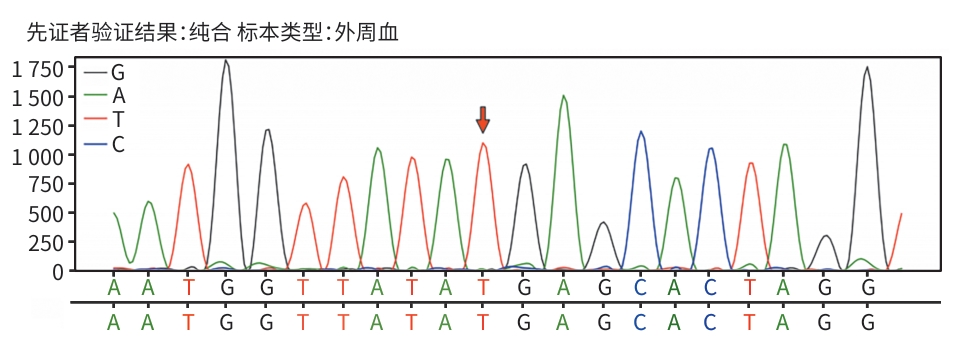
Rotor syndrome is an autosomal recessive disorder of bilirubin metabolism, and it is difficult to diagnose and differentiate due to its extreme rarity and a lack of specific clinical manifestations. In recent years, the development of genetic testing technology has enabled the early diagnosis of atypical patients. Literature search shows that only 19 cases with detailed clinical and genetic data have been reported. This article reports a case of a pregnant woman with an increase in direct bilirubin during pregnancy who was diagnosed with Rotor syndrome based on a bi-allelic mutation in the SLCO1B1 and SLCO1B3 genes and delivered successfully at last, and a retrospective analysis was performed for related articles, in order to facilitate the early accurate diagnosis of patients with Rotor syndrome and guide medications from the perspective of genetic mechanisms.
Review
Application of statins in the treatment of metabolic dysfunction-associated fatty liver disease
Dandan SUN, Ruisi LI, Xiaoyu HU
2026, 42(3): 661-667. DOI: 10.12449/JCH260322
Abstract:
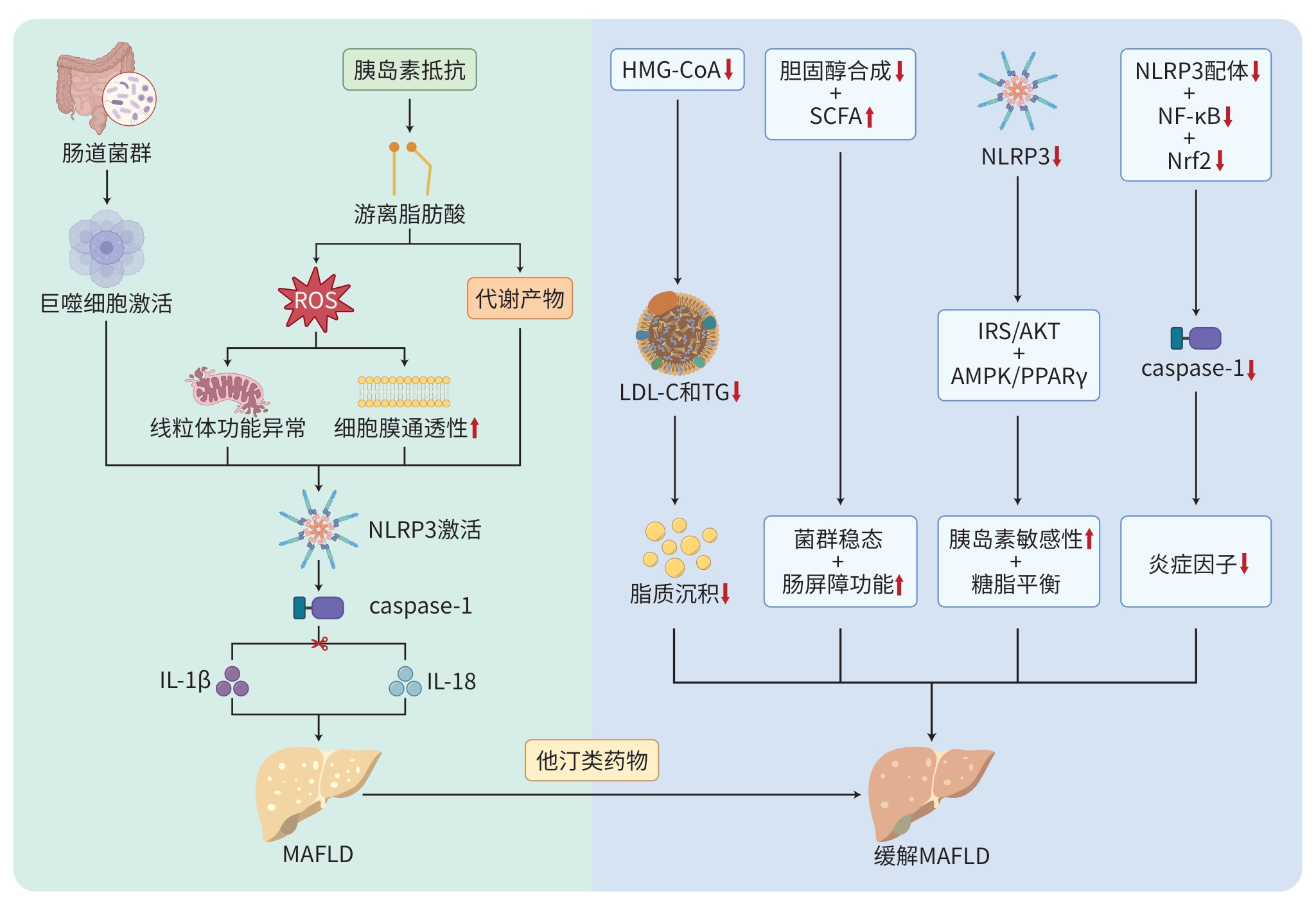
Metabolic dysfunction-associated fatty liver disease (MAFLD) and its progressive form metabolic dysfunction-associated steatohepatitis (MASH) have become the leading causes of chronic liver diseases worldwide, and the incidence rate of MAFLD continues to rise, which is closely associated with metabolic disorders such as obesity and type 2 diabetes. The core pathogenesis of MAFLD involves insulin resistance, abnormal lipid metabolism, and chronic inflammation, which can progress to MASH and lead to liver fibrosis, liver cirrhosis, and even hepatocellular carcinoma (HCC). At present, there are still limited effective pharmacotherapies for MAFLD. Based on the PRISMA guidelines, this article systematically reviews the role of statins in MAFLD. Studies have shown that statins not only improve blood lipid profiles and the levels of liver enzyme, but also bring good benefits to patients comorbid with cardiovascular disease or type 2 diabetes, and long-term use can also reduce the risk of HCC. However, the potential risks of hepatotoxicity and myopathy should be taken seriously, which, therefore, requires individualized medication and regular monitoring of liver function in clinical practice.
Regulatory role and mechanism of intrahepatic macrophages in metabolic dysfunction-associated fatty liver disease
Chuanwang QI, Ying ZHU
2026, 42(3): 668-675. DOI: 10.12449/JCH260323
Abstract:
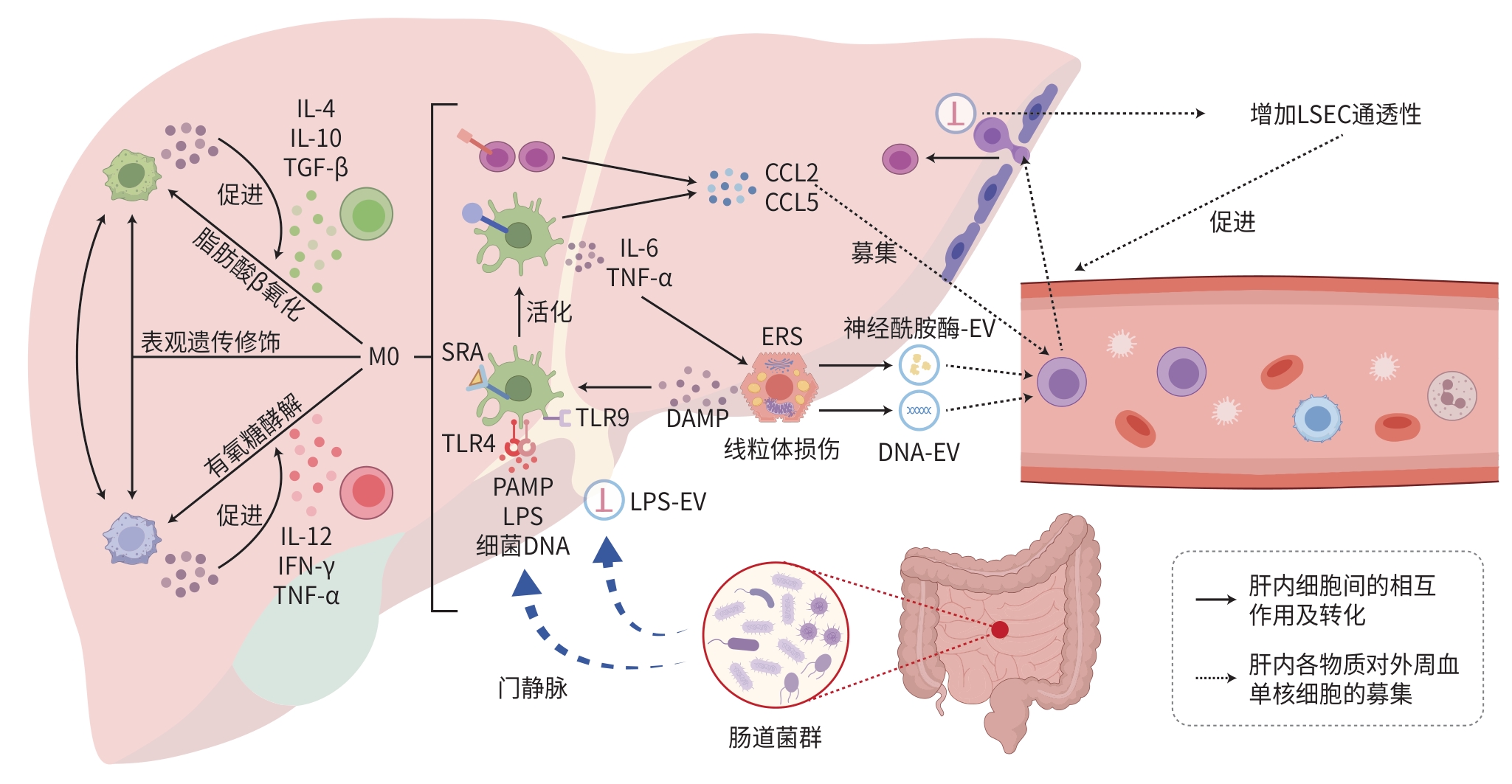
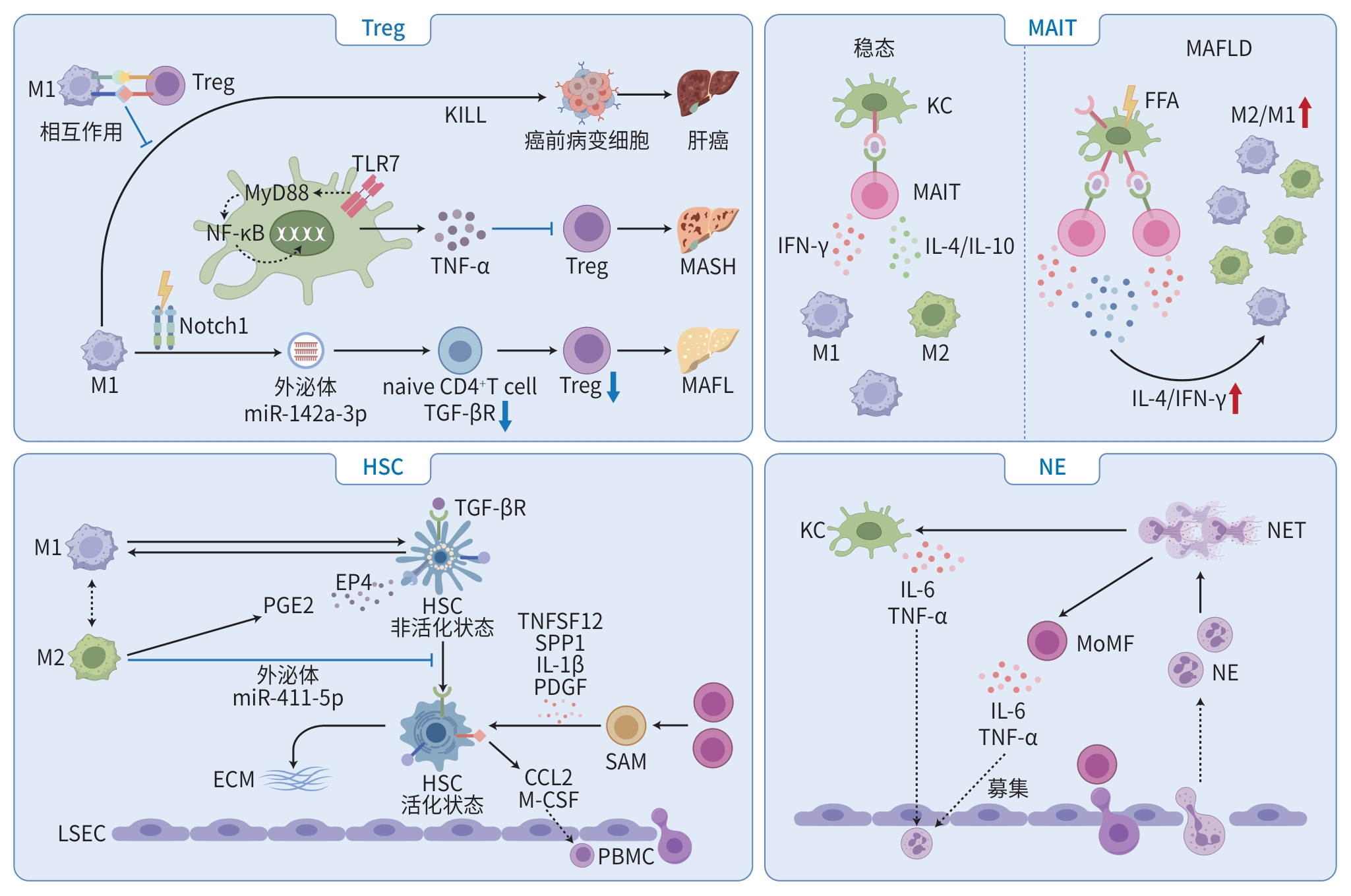
With the improvement of living standards, the incidence rate of metabolic dysfunction-associated fatty liver disease (MAFLD) is gradually increasing with a younger age of onset, and MAFLD has become a global health problem, while its specific pathogenesis remains unclear. Macrophages, as one of the important cells involved in the pathogenesis of MAFLD, have the ability to present antigens, eliminate pathogenic microorganisms, and promote liver inflammatory responses, thereby attracting wide attention for a long time. The latest studies have shown that macrophages may become a new therapeutic target for MAFLD. This article systematically reviews the role of intrahepatic macrophages in liver inflammation caused by MAFLD, including their activation, polarization, recruitment mechanisms, and interactions with other cells, in order to provide new ideas and perspectives for the clinical prevention and treatment of MAFLD.
Regulatory mechanism of bacteriophages in metabolic dysfunction-associated fatty liver disease and their application prospects in treatment
Yongshan LUO, Huiting CHEN
2026, 42(3): 676-682. DOI: 10.12449/JCH260324
Abstract:
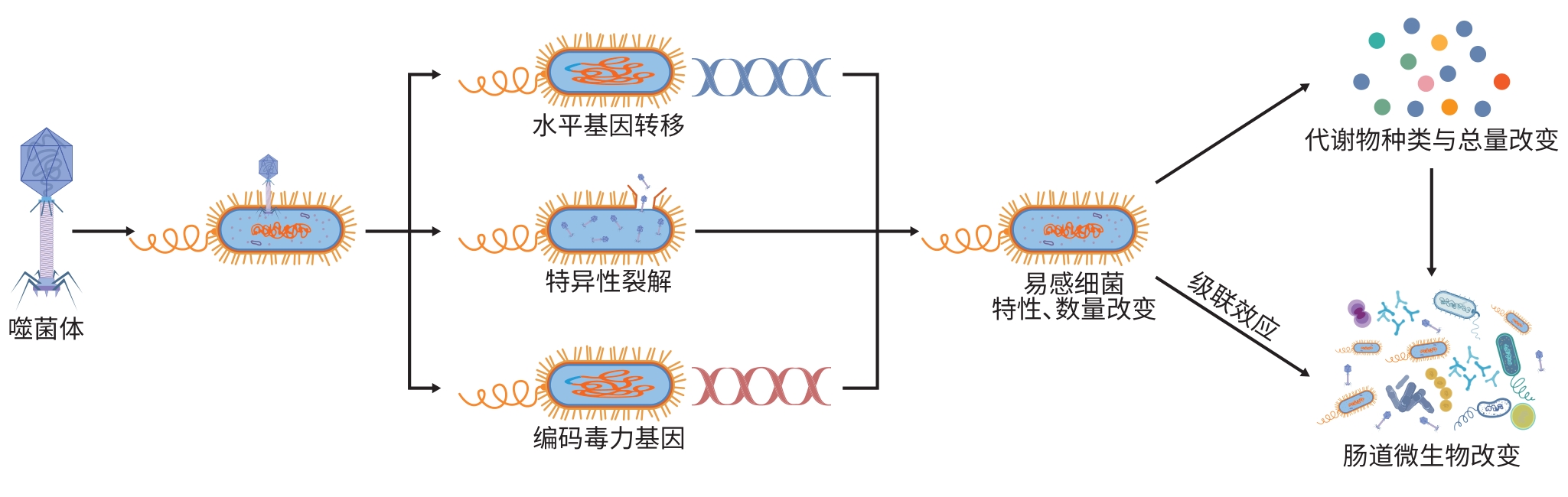
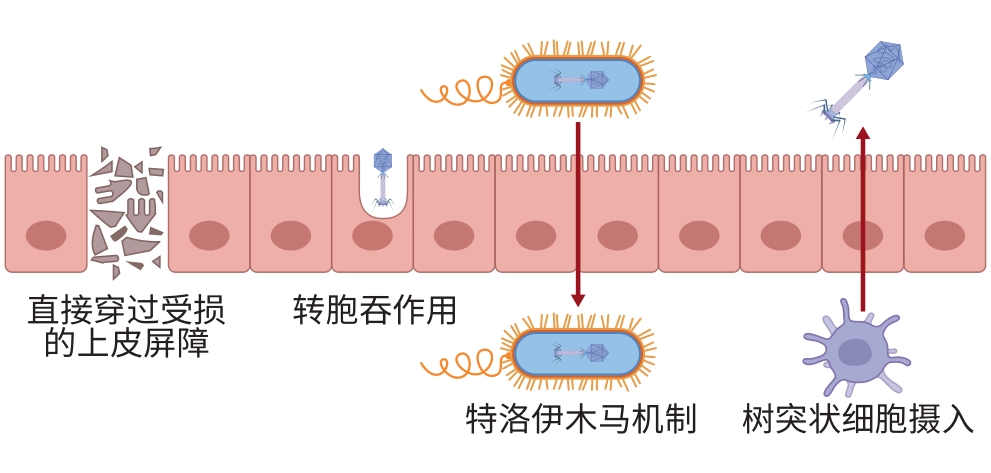
Metabolic dysfunction-associated fatty liver disease (MAFLD) is one of the most prevalent chronic liver diseases worldwide, and currently there is still a lack of effective therapies. Bacteriophages are an important component of gut microbiota, and recent studies have shown that bacteriophages play a pivotal role in the pathological progression of MAFLD by reshaping microbiota structure, modulating intestinal barrier function, and regulating gut-liver axis signaling. Studies have also shown that there is a reduction in the diversity of bacteriophages in MAFLD patients, and the abundance of specific bacteriophages is closely associated with disease severity. The underlying mechanisms of bacteriophages involve the regulation of intestinal barrier, targeted clearance of pathogenic bacteria, promotion of the colonization of probiotic bacteria, and modulation of immune responses and the release of inflammatory cytokines. Animal models and preclinical trials have shown that targeted bacteriophage intervention strategies are expected to alleviate liver inflammation, improve steatosis, and ameliorate metabolic disorders. However, there are still challenges such as drug resistance of bacteriophage, the complexity of host-bacteriophage interactions, and safety issues in clinical translation. This article systematically elaborates on the regulatory mechanisms of bacteriophages in MAFLD and their application prospects in treatment, in order to provide a theoretical reference for future research and the development of bacteriophage-based therapies in this field.
Application of magnetic resonance elastography in assessment of liver fibrosis in metabolic dysfunction-associated fatty liver disease
Ziyi ZHANG, Hong YOU, Xiaofei TONG
2026, 42(3): 683-689. DOI: 10.12449/JCH260325
Abstract(27) HTML (12) PDF (675KB)(13)
Abstract:
Magnetic resonance elastography (MRE) has become an important tool for the diagnosis and staging of fibrosis in metabolic dysfunction-associated fatty liver disease (MAFLD), and its high diagnostic accuracy can help to effectively evaluate the dynamic changes and long-term prognosis of fibrosis in patients with MAFLD. In addition, MRE also shows wide potential in patient screening and outcome assessment in new drug development for metabolic-associated steatohepatitis. This article comprehensively analyzes the potential value of MRE in evaluating liver fibrosis in MAFLD patients, as well as its advantages in clinical practice and future development directions.
Pathogenesis, clinical assessment, and intervention of fatigue in patients with primary biliary cholangitis
Weirui REN, Chuang ZHANG, Wenjuan ZHAO, Junmin WANG
2026, 42(3): 690-696. DOI: 10.12449/JCH260326
Abstract:
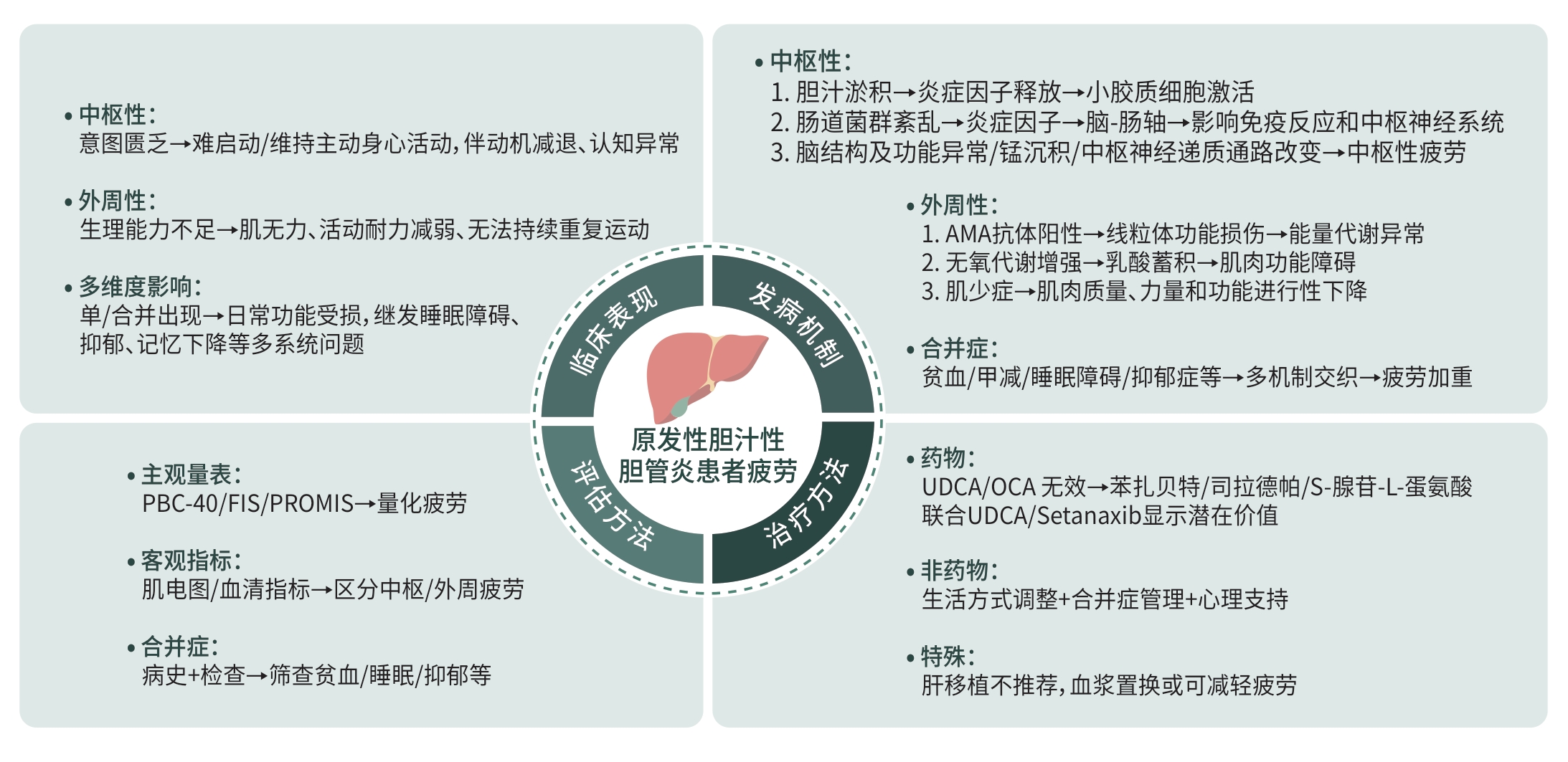
Primary biliary cholangitis (PBC) is an autoimmune liver disease characterized by intrahepatic cholestasis, while fatigue is a common symptom of PBC that significantly affects the quality of life of patients. The pathogenesis of fatigue is complex and may be associated with the factors such as cholestasis-induced inflammation, gut microbiota dysbiosis, brain structural and functional abnormalities, and mitochondrial dysfunction. At present, first-line therapies and liver transplantation have a limited effect in alleviating fatigue, and there is still a lack of standardized comprehensive assessment system. Emerging drugs and non-pharmaceutical interventions, including lifestyle modifications, have shown potential application prospects. This article systematically reviews the research advances in the clinical manifestations, pathogenesis, clinical assessment, and intervention of fatigue in PBC patients, in order to provide a reference for optimizing treatment strategies and promoting the research and development of new therapies.
Regulatory effect of ten-eleven translocation 2-mediated epigenetics and the interaction between gut microbiota and immunity on autoimmune hepatitis
Lifen WANG, Ling LI, Guangwei LIU
2026, 42(3): 697-703. DOI: 10.12449/JCH260327
Abstract:
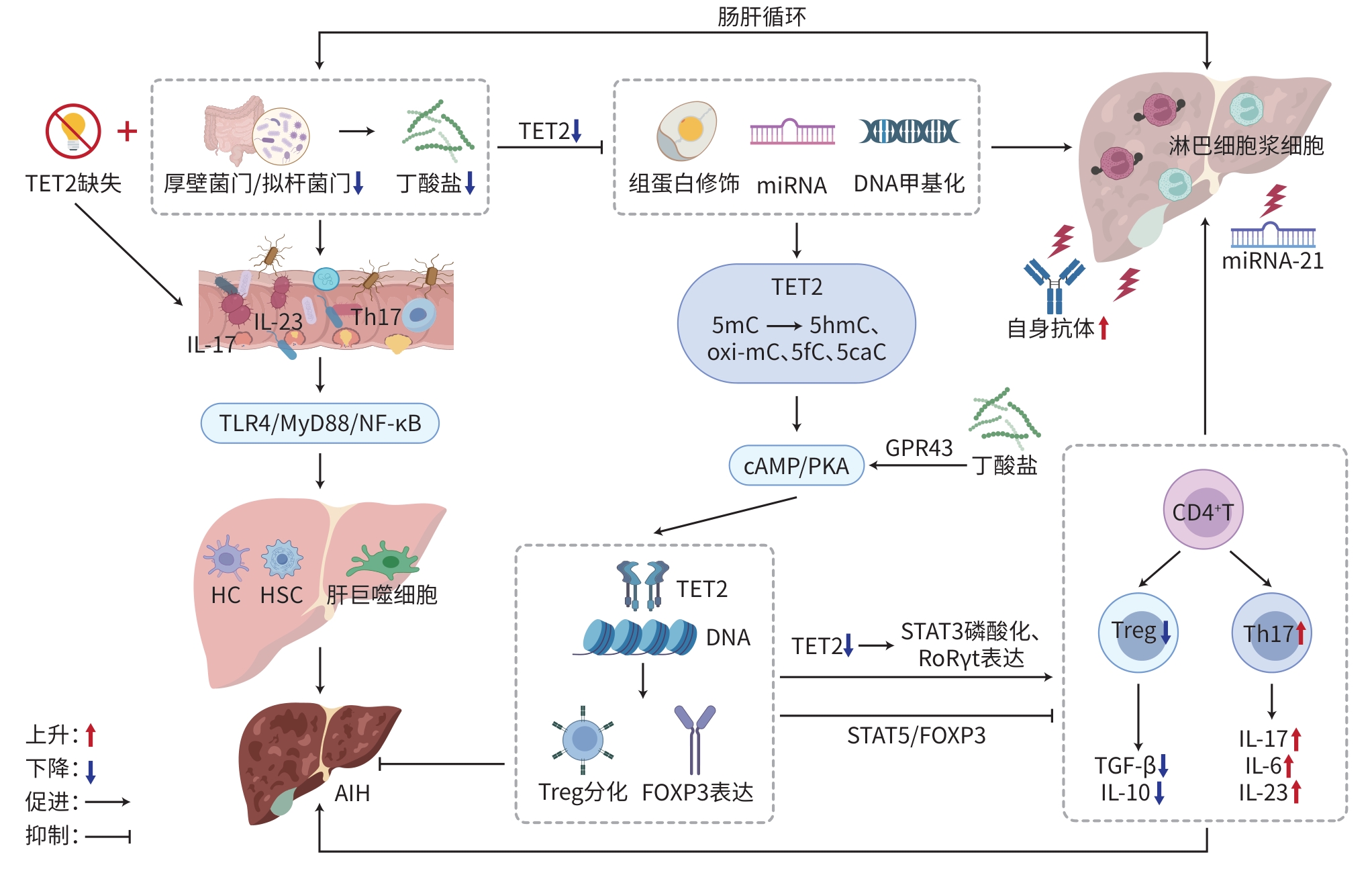
Ten-eleven translocation 2 (TET2), as a core enzyme in epigenetic regulation, dynamically regulates the differentiation and function of CD4+ T cells by mediating DNA demethylation. Recent studies have shown that TET2 deficiency can promote the progression of autoimmune hepatitis (AIH) by disrupting the Th17/Treg balance and activating inflammatory signals along the gut-liver axis. This article systematically reviews the bridging role of TET2 between CD4+ T cells and gut microbiota, explores the molecular mechanisms by which it drives AIH through the gut microbiota-epigenetics-immunity network, and discusses the potential intervention strategies targeting the TET2-microbiota axis.
Regulatory effect of histone lactylation modification in hepatic fibrosis
Weichu ZENG, Xing LYU, Fengfan LI, Zhenni LIU, Jungang LI, Weilin ZHANG, Peiting LIU, Bingchu LI, Ruohong CHEN, Zhiyang CHEN, Min HU
2026, 42(3): 704-710. DOI: 10.12449/JCH260328
Abstract:
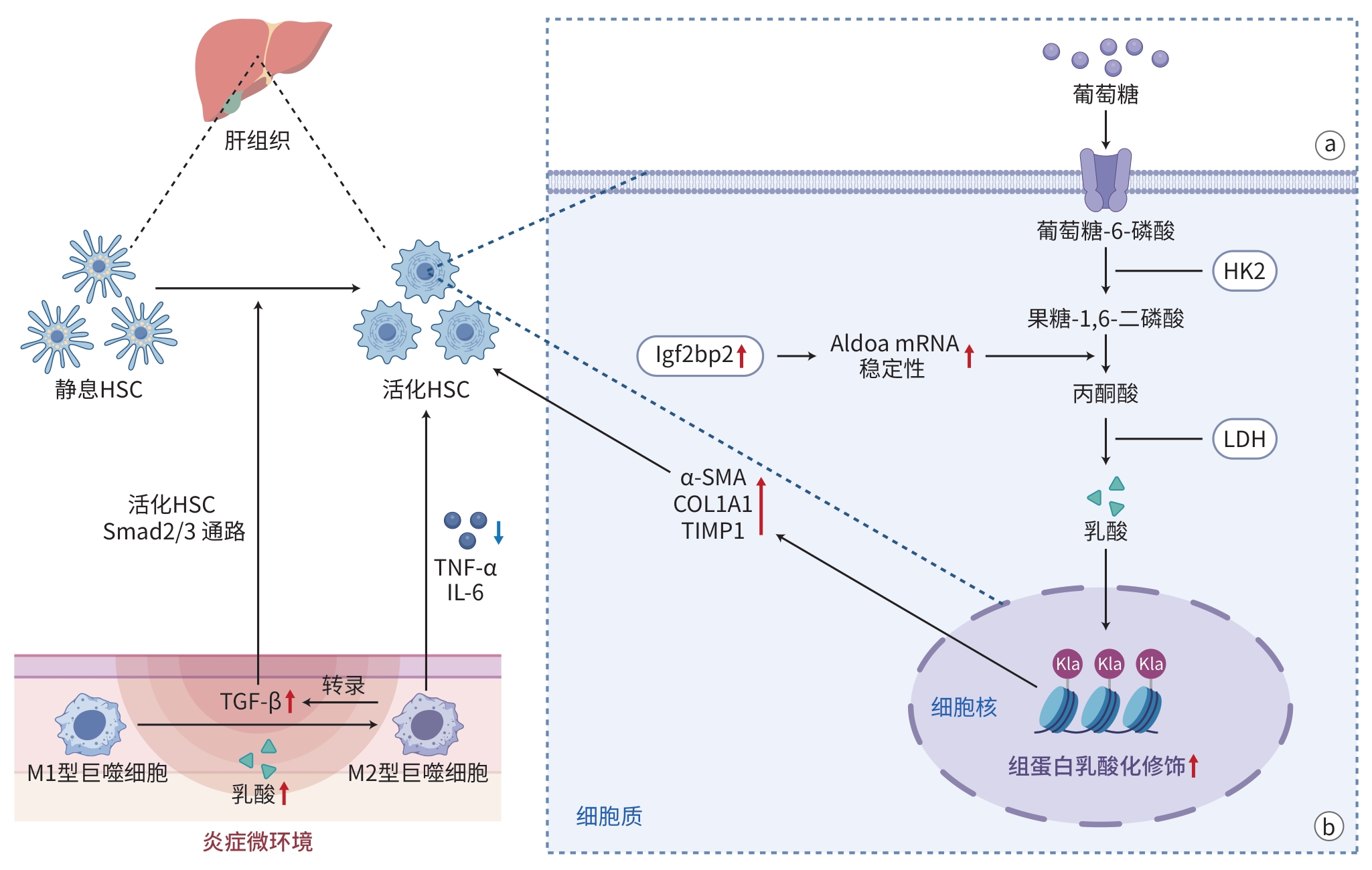
Hepatic fibrosis is a reversible pathological process in various chronic liver diseases and is closely associated with the development and progression of severe liver diseases such as liver cirrhosis and hepatocellular carcinoma, and it has emerged as a significant global health challenge. In recent years, studies have shown that histone lactylation, a newly discovered epigenetic modification, actively participates in regulating the progression of hepatic fibrosis. This article systematically reviews the core regulatory effect of histone lactylation modification in the interaction between inflammatory microenvironment and hepatic fibrosis, in order to clarify the cascade regulatory mechanism of “inflammation-hepatic fibrosis” and provide new insights for early diagnosis, targeted intervention, and prevention of malignant transformation in hepatic fibrosis.
Mechanism of action of organelle interactions in the progression of liver fibrosis and traditional Chinese medicine prevention and treatment strategies
Yuanyuan ZHENG, Chenlu ZHAO, Lihui ZHANG, Sutong LIU, Wenxia ZHAO
2026, 42(3): 711-717. DOI: 10.12449/JCH260329
Abstract:
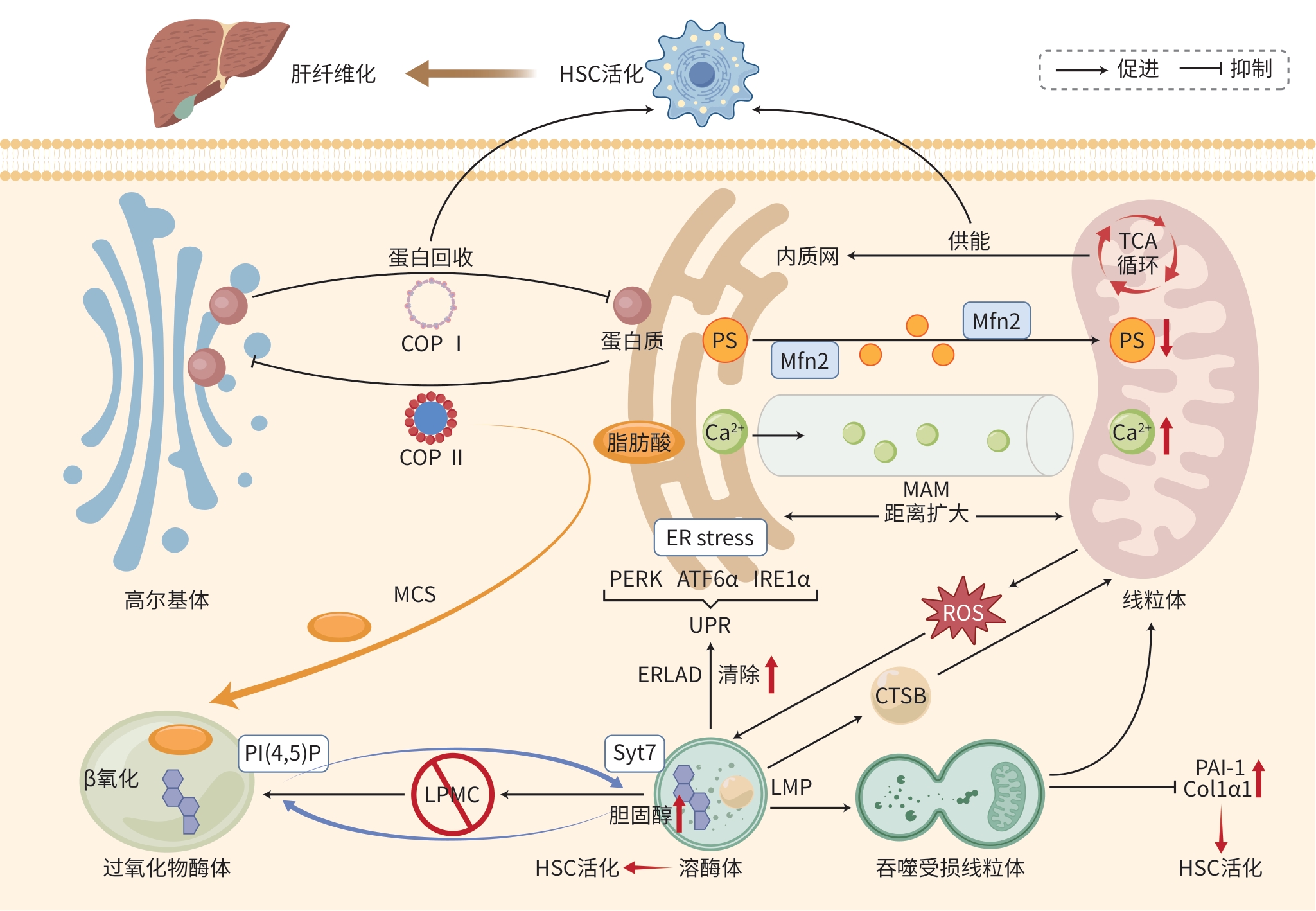
Liver fibrosis is the core pathological stage of the progression of various chronic liver diseases to liver cirrhosis, and hepatic stellate cell (HSC) activation and the abnormal accumulation of collagen fibers are important processes for the development and progression of liver fibrosis. In recent years, studies have shown that HSC activation is regulated by the complex interactions between various organelles (including mitochondria, endoplasmic reticulum, Golgi apparatus, lysosome, and peroxisomes), and such interactions affect the key cellular processes such as energy metabolism, protein synthesis and folding, reactive oxygen species balance, and autophagy, thereby participating in the progression of liver fibrosis. Meanwhile, traditional Chinese medicine and its active ingredients with multi-target synergistic effects have attracted wide attention. From the perspective of the interaction between organelles, this article systematically elaborates on the specific mechanism of such interactions in the progression of liver fibrosis and reviews how traditional Chinese medicine inhibits HSC activation and collagen production by regulating the function of these organelle and their interaction networks, thereby exerting an anti-liver fibrosis effect, in order to provide a theoretical basis for in-depth understanding of the pathological mechanism of liver fibrosis and the development of new traditional Chinese medicine intervention strategies.
Novel pathogenesis and intervention strategies for liver cirrhosis based on the gut microbiota-bile acid axis
Ningning LIU, Wenting CUI, Shuli MU, Xiuzhen MA, Ping MAI
2026, 42(3): 718-725. DOI: 10.12449/JCH260330
Abstract:
Liver cirrhosis is the final stage of the progression of various chronic liver diseases, often accompanied by serious complications and high mortality rates. Recent studies have shown that the interaction between gut microbiota and bile acid metabolism (the gut microbiota-bile acid axis) is closely associated with liver cirrhosis. This article systematically reviews the mechanism of action of the gut microbiota-bile acid axis in the progression of liver cirrhosis, elaborates on the pathological features of liver cirrhosis and its harm to the body, and summarizes the association of the gut microbiota-bile acid axis with the development and progression of liver cirrhosis. It also analyzes the key regulatory role of this axis in the progression of liver cirrhosis and explores its potential application value as a therapeutic target for liver cirrhosis, in order to provide a theoretical basis for exploring more effective clinical intervention methods.
Dual ferroptosis suppressor protein 1-coenzyme Q10 and dihydroorotate dehydrogenase pathways in ferroptosis of hepatocellular carcinoma: Mechanisms and its clinical significance
Jinghan YANG, Zhongfeng WANG, Yuehui WANG
2026, 42(3): 726-732. DOI: 10.12449/JCH260331
Abstract:
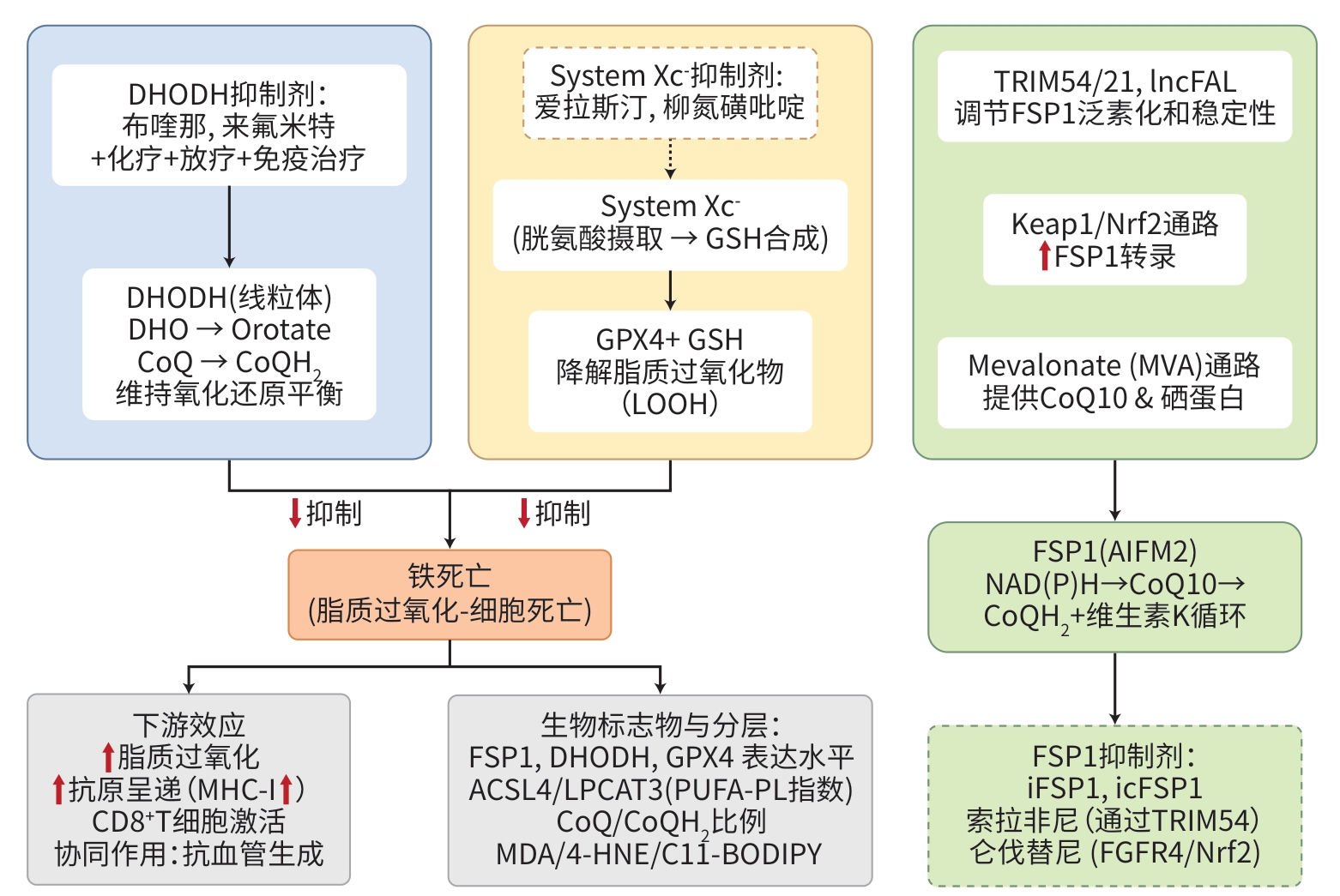
Hepatocellular carcinoma (HCC) is a common malignant tumor with a high fatality rate worldwide, with limited overall survival benefits and pronounced drug resistance issues, highlighting the urgent need for novel sensitization strategies and patient stratification systems. Ferroptosis, as an iron-dependent form of lipid peroxidation-driven cell death, is closely associated with tumor treatment responses. In addition to the classic glutathione peroxidase 4 (GPX4)/glutathione (GSH) pathway, the ferroptosis suppressor protein 1 (FSP1)-coenzyme Q10 (CoQ10) pathways and the dihydroorotate dehydrogenase (DHODH) pathway are two newly identified anti-ferroptosis pathways that function at the plasma membrane and mitochondria, respectively, and determine cellular sensitivity to ferroptosis in synergy with GPX4. This article systematically reviews the mechanism of action of the FSP1-CoQ10 and DHODH pathways in HCC and related research advances, proposes related therapeutic strategies, and look forward to its clinical translation and application prospects.
Mechanism of ductular reaction and related treatment strategies
Jiayan SHAN, Huaqian XU, Chengzhi BAI, Liang ZHANG, Chao DU, Yong ZHANG, Shanhong TANG
2026, 42(3): 733-738. DOI: 10.12449/JCH260332
Abstract(25) HTML (11) PDF (676KB)(10)
Abstract:
Ductular reaction (DR) refers to the adaptive pathological changes that occur after hepatobiliary injury, and it is essentially a repair response involving the proliferation, fibrosis, and inflammation of biliary epithelial cell (BEC). With the understanding of the biological function of BEC, the potential value of DR in disease prognosis and treatment has gradually become a research hotspot. This article systematically reviews the molecular mechanism of DR, its potential as a therapeutic target, and future development directions, as well as novel therapies suggested by targeting these molecular mechanisms, in order to provide a new direction for overcoming current bottlenecks in the treatment of bile duct diseases.
Molecular mechanisms of hyperlipidemic acute pancreatitis comorbid with fatty liver disease
Shuo DONG, Ying WANG, Xiwang WANG, Jingjing JIN, Kai WEI, Xiao WANG
2026, 42(3): 739-744. DOI: 10.12449/JCH260333
Abstract(25) HTML (10) PDF (829KB)(10)
Abstract:
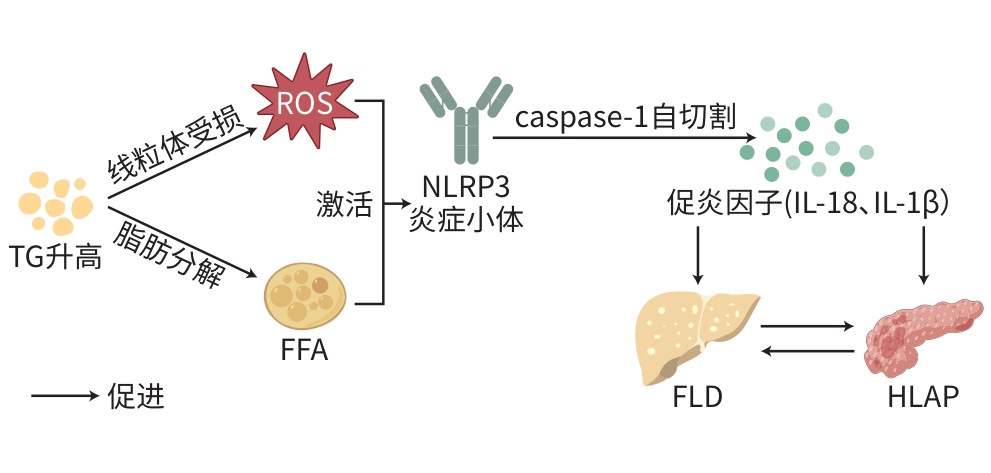
Both hyperlipidemic acute pancreatitis and fatty liver disease are associated with lipid metabolism disorders and are commonly comorbid with each other in clinical practice. The pathogenesis of such comorbidity involves the interaction between multiple factors such as hypertriglyceridemia, metabolic syndrome, obesity, and insulin resistance, and these factors may form a vicious cycle and jointly promote disease progression. In clinical practice, hyperlipidemic acute pancreatitis is characterized by severe disease conditions, a high incidence rate of complications, a high mortality rate, and a tendency for recurrence, and it can easily lead to multi-organ damage and even multiple organ failure without timely treatment, posing a serious threat to the life of patients. Starting from the various signaling pathways associated with hyperlipidemic acute pancreatitis comorbid with fatty liver disease, this article discusses the potential molecular mechanisms of synergistic pathogenesis between hyperlipidemic acute pancreatitis and fatty liver disease, so as to provide a reference for the early prevention and treatment of such comorbidity.
Introduction of High - quality Articles in Foreign Journals
Alimentary Pharmacology & Therapeutics|HBsAg quantification-based models for predicting hepatocellular carcinoma risk in nucleos(t)ide analogs-experienced patients with chronic hepatitis B: The HBsAg-HCC Score
2026, 42(3): 508-508. DOI: 10.12449/JCH2603.gwqkjpwzjj1
Abstract:
Lancet Gastroenterology & Hepatology|Linerixibat in patients with primary biliary cholangitis and cholestatic pruritus (GLISTEN): A randomised, multicentre, double-blind, placebo-controlled, phase 3 trial
2026, 42(3): 628-628. DOI: 10.12449/JCH2603.gwqkjpwzjj2
Abstract:
Liver International|IGFBP4 is a metric for primary biliary cholangitis and attenuates biliary epithelial cell injury
2026, 42(3): 646-646. DOI: 10.12449/JCH2603.gwqkjpwzjj3
Abstract:
Acknowledgements
Current reviewers
2026, 42(3): 703-703. DOI: 10.12449/JCH2603.zhixie
Abstract: