中文|English
ISSN 1001-5256 (Print)
ISSN 2097-3497 (Online)
CN 22-1108/R
Vol.42 No.10 (312 in total) Oct. 2026

Theme Issue: Drug-Induced Liver Injury: Clinical Challenges and Research Advances

Executive Chief Editor: Chen Jun

The Third People's Hospital of Shenzhen


Display Method:
Editorial
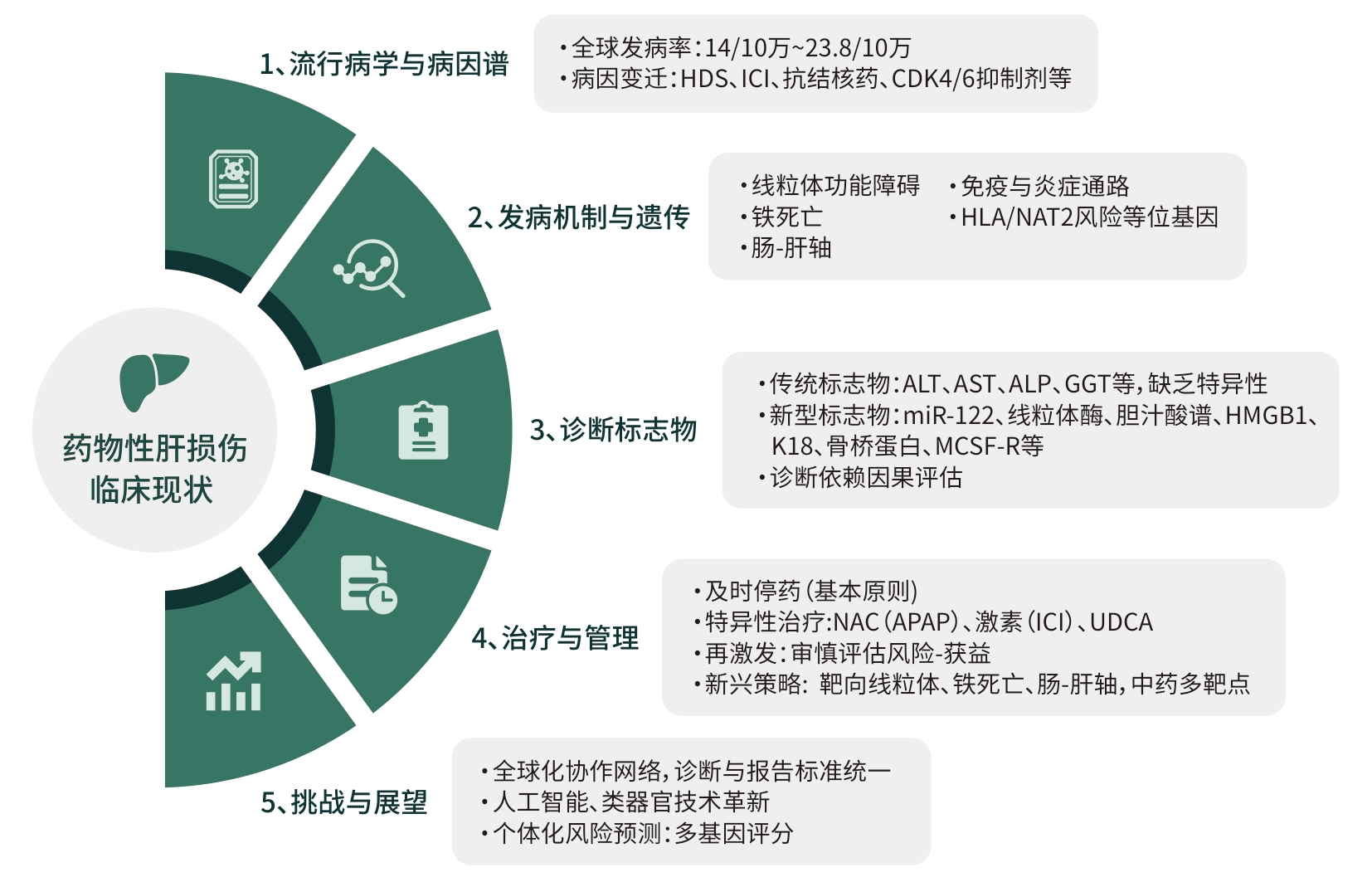
Drug-induced liver injury: Current status, research advances, and challenges in clinical practice
Deliang Huang, Zhibin Zhu, Jun Chen
2026, 42(10): 2257-2261. DOI: 10.12449/JCH261001
Abstract:
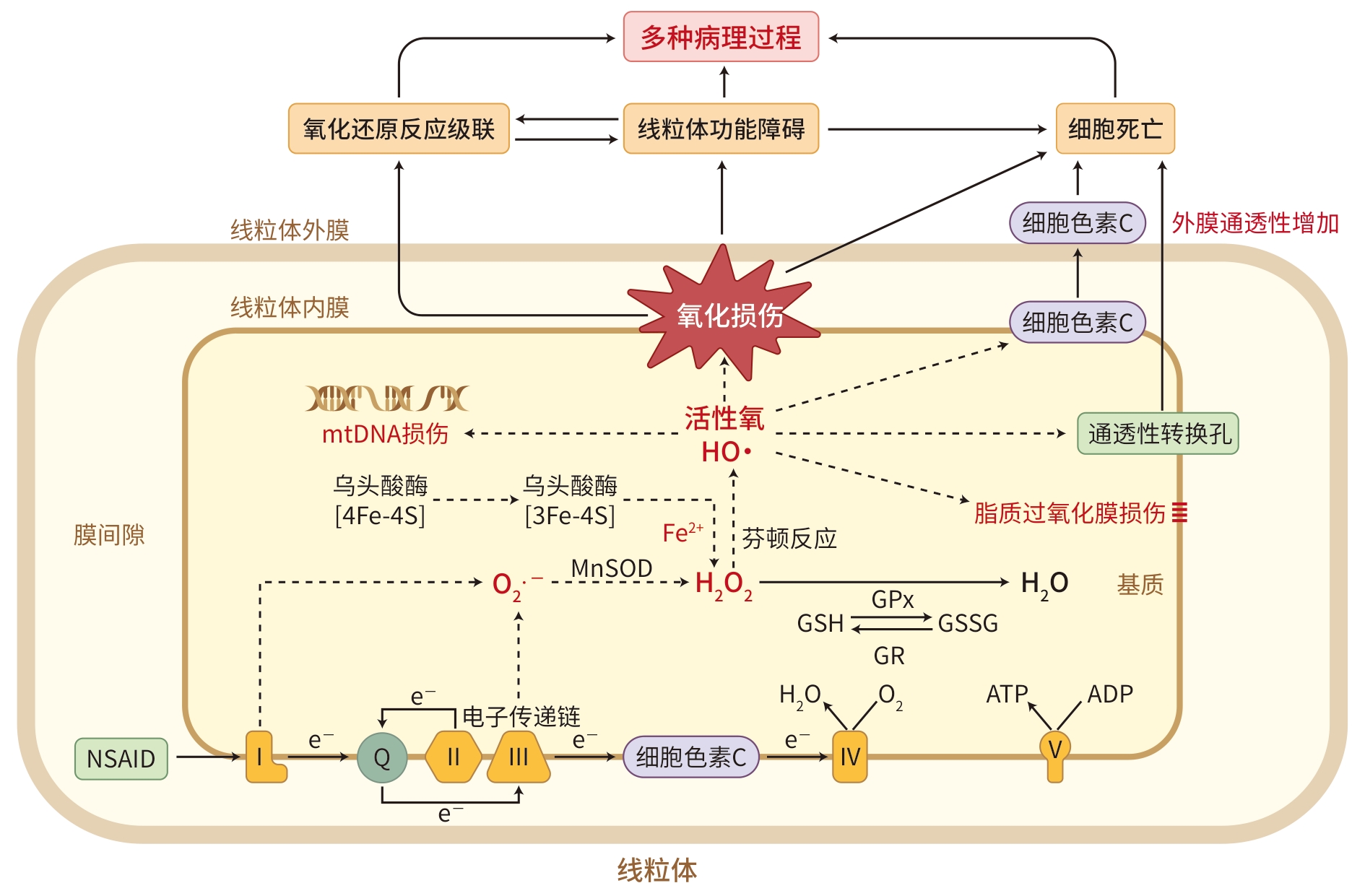
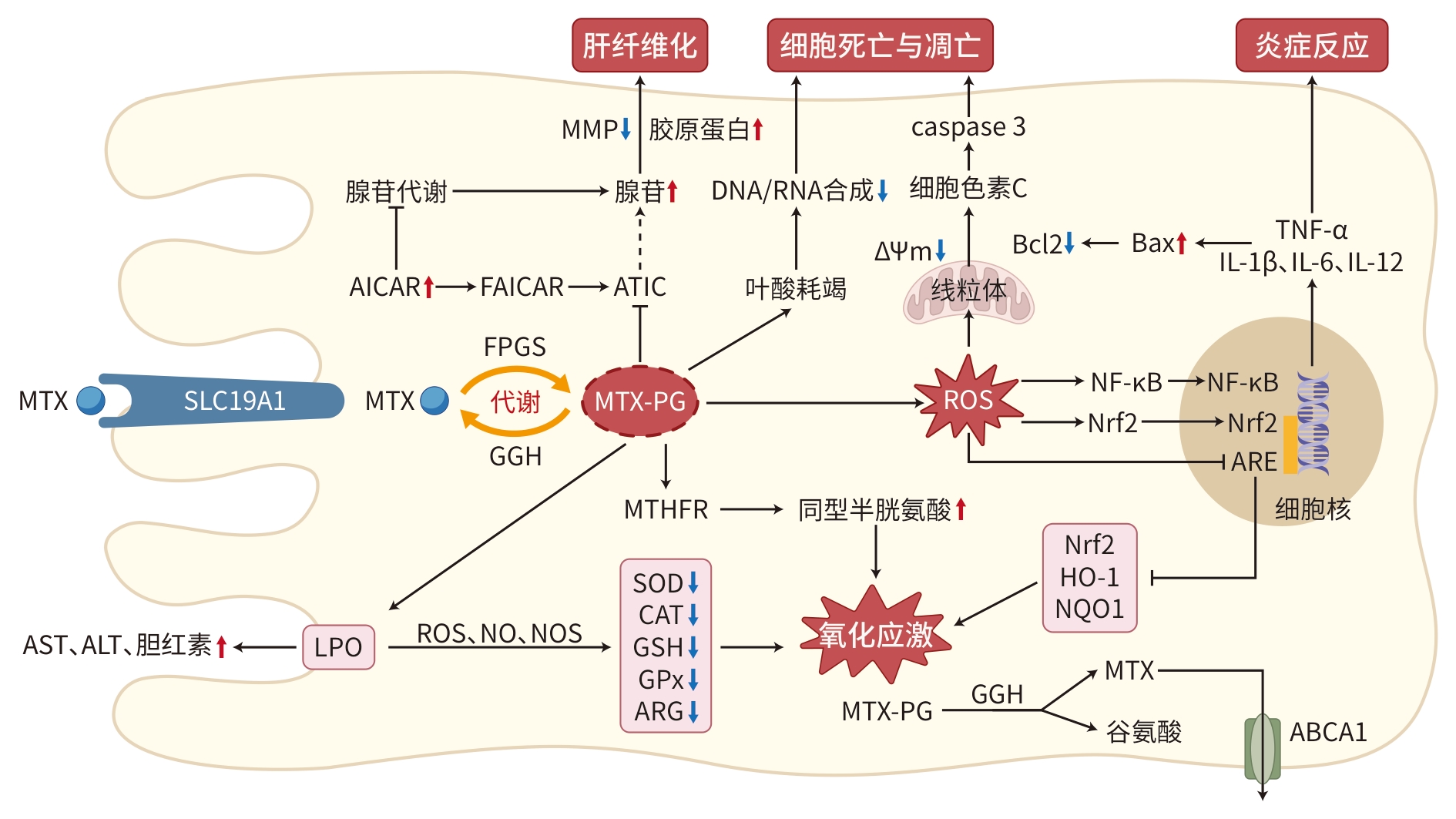
Drug-induced liver injury (DILI) is a common and severe adverse drug reaction in clinical practice and a major cause of new drug development failures and post‑marketing withdrawals. In recent years, the widespread use of novel anti-neoplastic agents, especially immune checkpoint inhibitors, the continuous use of antibiotics and anti‑tuberculosis drugs, and the increasing prevalence of dietary supplements and herbal products have profoundly reshaped the etiological spectrum and clinical phenotypes of DILI. Based on the latest evidence, this article systematically reviews the global epidemiology, etiological shifts, genetic susceptibility, pathogenesis, diagnostic tools, emerging biomarkers, and therapeutic strategies for DILI and outlines the future directions.
Expert Forum
Research advances in herbal and dietary supplement-induced liver injury
Tingting He, Ruilin Wang, Zhaofang Bai, Xiaohe Xiao, Jiabo Wang
2026, 42(10): 2262-2269. DOI: 10.12449/JCH261002
Abstract(98) HTML (31) PDF (844KB)(36)
Abstract:
In order to better ensure the safe use of herbal and dietary supplements (HDS) and promote the healthy development of the traditional Chinese medicine industry, it is particularly necessary to deepen the research on HDS-induced liver injury (HDS-DILI). This article systematically reviews the differences in the definition and scope of HDS in China and globally and provides a comparative analysis of the sections on HDS in major guidelines for drug-induced liver injury. Subsequently, regarding the broad concept of HDS-DILI, this article reviews common herbal medicines and common dietary supplements, with a focus on the types of commonly used HDS inducing liver injury, the clinical phenotypes of liver injury, and hepatotoxicity patterns, and it also discusses the safety management of HDS under the guidance of the new safety perspective of traditional Chinese medicine, so as to effectively reduce the occurrence of HDS-induced liver injury while leveraging the advantages of traditional Chinese medicine.
Clinical phenotypes, diagnosis, and treatment of antitumor drug-induced liver injury
Yuting Ma, Xue Wang, Yuecheng Yu
2026, 42(10): 2270-2276. DOI: 10.12449/JCH261003
Abstract:
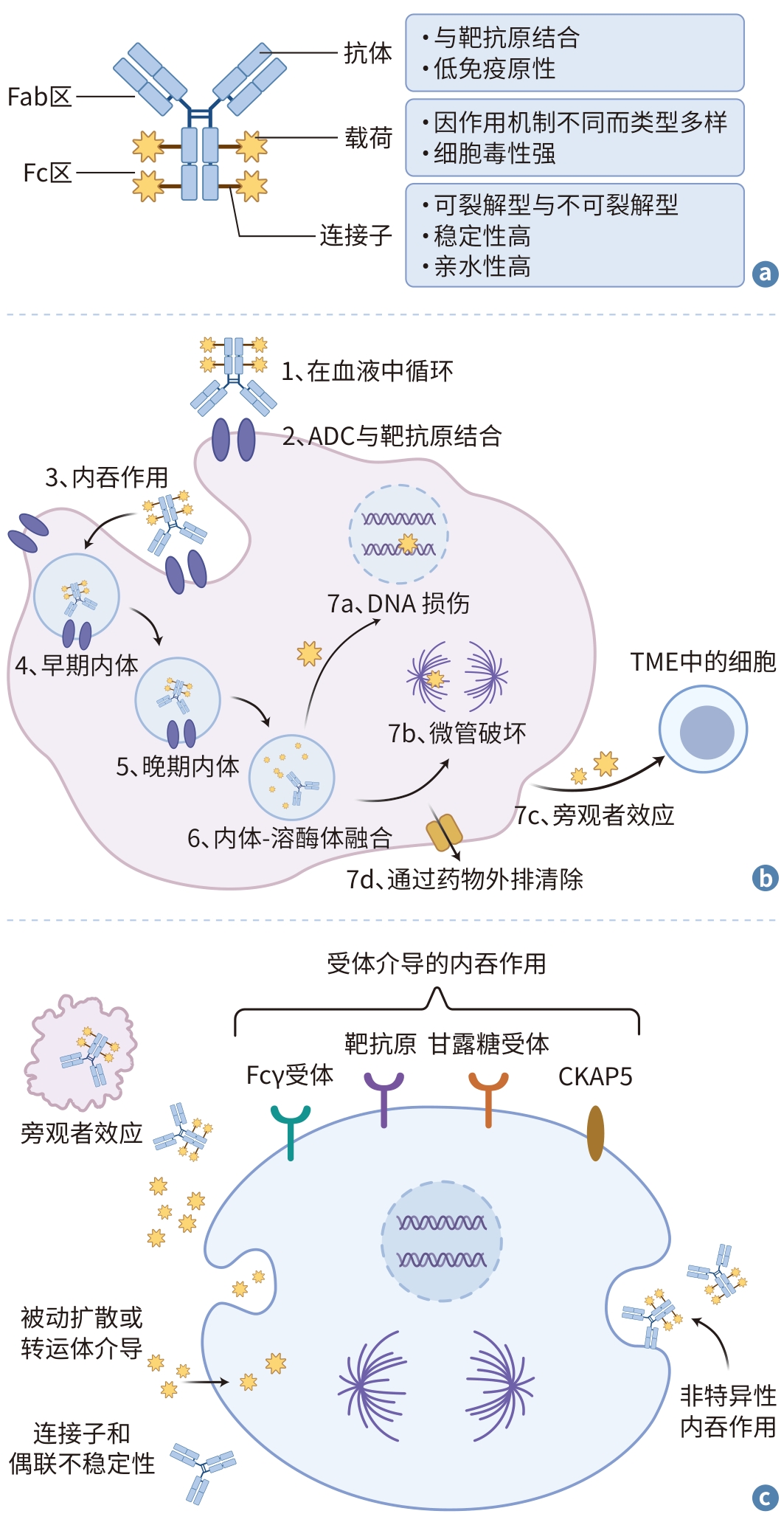
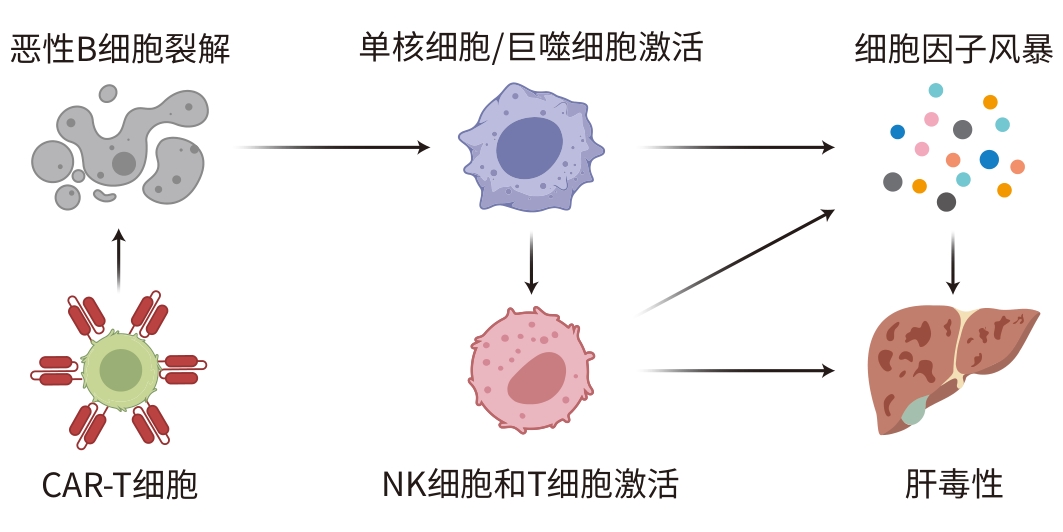
Antitumor drug-induced liver injury (ATU-DILI) is one of the most common types of drug-induced liver injury (DILI) in clinical practice, often characterized by combined medication, tumor-related liver involvement, and clinical necessity to avoid arbitrary discontinuation of antitumor therapy, and some patients may have complex conditions such as the presence of underlying liver diseases. With the increasing availability of immunotherapy drugs, molecular-targeted drugs, and new combined treatment regimens, the traditional safety evaluation system based on elevated liver enzymes and bilirubin levels is no longer sufficient to cover the complex phenotypes of ATU-DILI. In recent years, in addition to the focus on general risk factors and adverse reactions of single drugs, the studies in this field have been paying more attention to causality and prevention and treatment measures at the overall level of antitumor treatment regimens. This article gives a comprehensive review of ATU-DILI from the aspects of causative drugs, key mechanisms, clinical phenotypes, severity assessment, key diagnostic points, and management principles, in order to provide a reference for the clinical prevention and treatment of ATU-DILI.
Clinical phenotypes, diagnosis, and treatment of anti-tuberculosis drug-induced liver injury
Yuting Ma, Xue Wang, Yuecheng Yu
2026, 42(10): 2277-2281. DOI: 10.12449/JCH261004
Abstract:
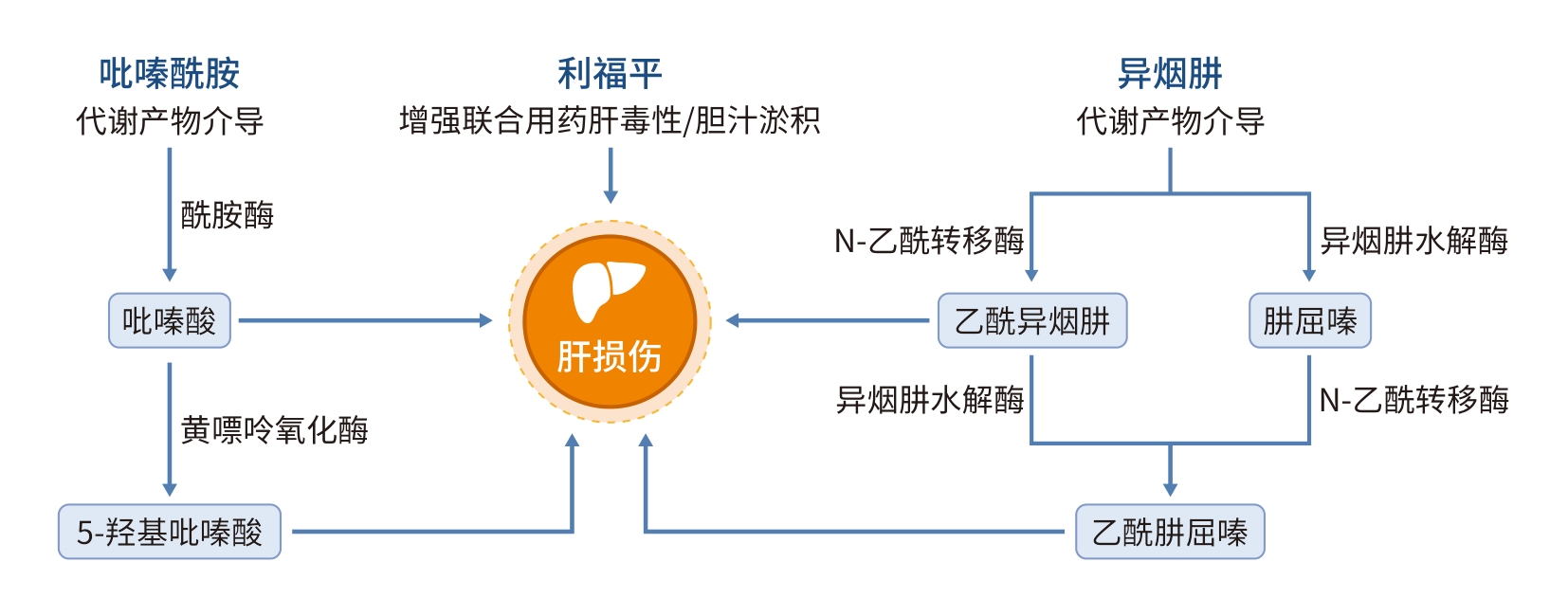
Anti-tuberculosis drug-induced liver injury (ATB-DILI) is the most common cause for the interruption of anti-tuberculosis treatment, and its management requires a careful balance between the aggravation of liver injury and the progression of tuberculosis. From the overall perspective of the combined anti-tuberculosis therapies, this article systematically and concisely elaborates on the advances in ATB-DILI in terms of causative drugs, risk factors, pathogenic mechanisms, clinical phenotypes, and prevention and treatment principles, so as to provide an important reference for the rational clinical management of ATB-DILI.
Research advances in anti-rheumatic drug-induced liver injury
Xue Wang, Yuting Ma, Yuecheng Yu
2026, 42(10): 2282-2286. DOI: 10.12449/JCH261005
Abstract:
Rheumatic diseases often require long-term combination therapy to control disease progression, and anti-rheumatic drug-induced liver injury (AR-DILI) is one of the key factors hindering the successful implementation of anti-rheumatic treatment. This article elaborates on the causative drugs, risk factors, key mechanisms, clinical phenotypes, and key diagnostic and treatment strategies for AR-DILI, in order to provide an important reference for the clinical prevention and management of AR-DILI.
Advances in immune checkpoint inhibitor-related liver injury
Weiwei Lou, Rongtao Lai
2026, 42(10): 2287-2294. DOI: 10.12449/JCH261006
Abstract(105) HTML (18) PDF (1473KB)(18)
Abstract:
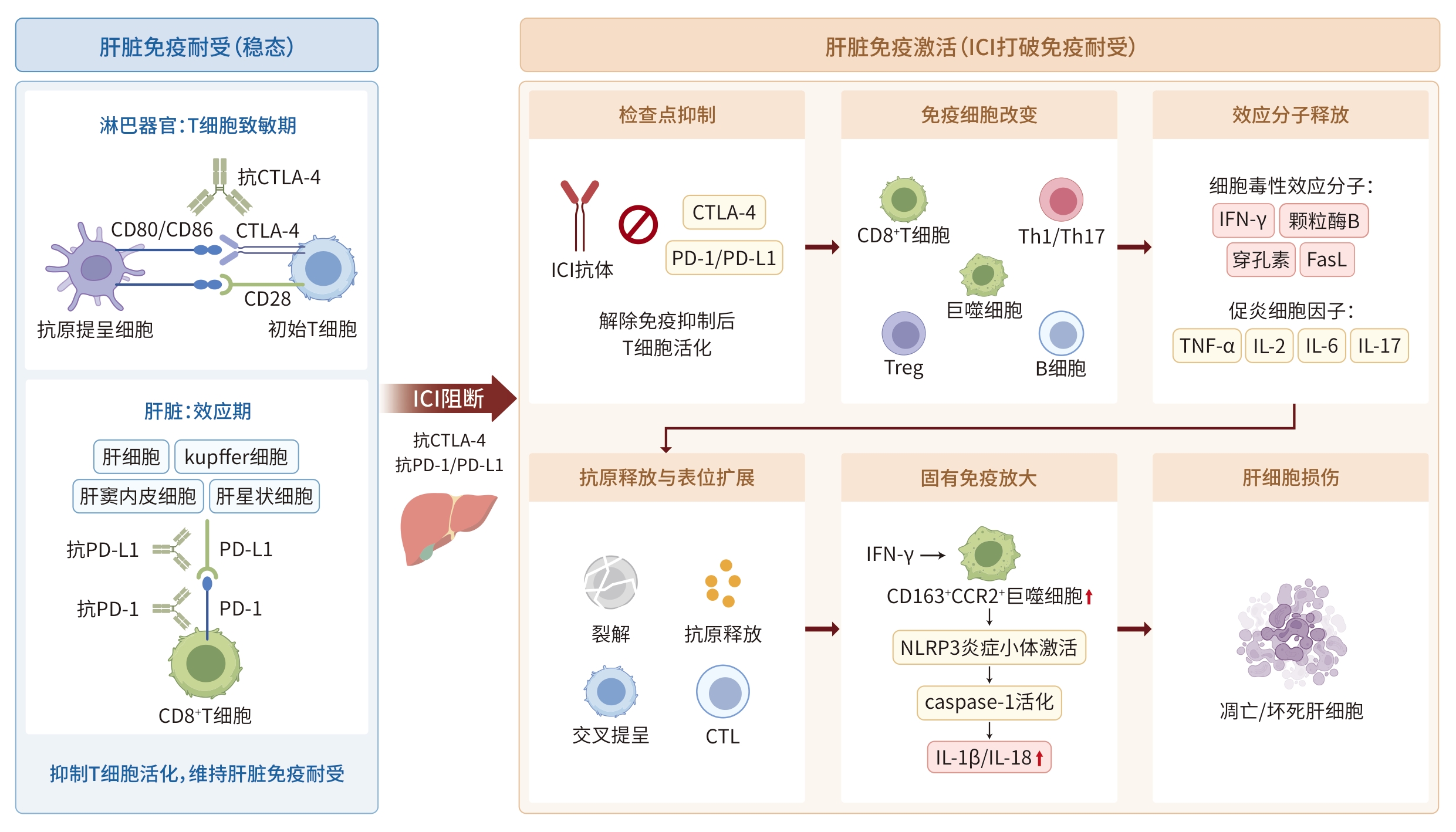
Immune checkpoint inhibitor (ICI)-related liver injury is a common hepatic immune-related adverse event in cancer immunotherapy. During ICI treatment, the possibility of ICI-related liver injury can be considered only after careful exclusion of etiologies causing abnormal liver function, such as the progression of primary diseases, infection, biliary disorders, and concomitant exposure to suspected hepatotoxic agents. This article systematically summarizes the nomenclature and disease spectrum, epidemiology, risk factors, pathogenesis, clinical phenotypes, diagnostic paths, and stratified treatment of ICI-related liver injury and emphasizes the urgent need for real-world studies of drug-induced liver injury in China, so as to improve the grading criteria for ICI-related liver injury and optimize individualized precise management.
Advances in drug-induced hepatic vascular injury
Hao Pan, Jinzhao Wang, Chenghai Liu
2026, 42(10): 2295-2300. DOI: 10.12449/JCH261007
Abstract:
Drug-induced hepatic vascular injury is a special phenotype of drug-induced liver injury and can occur at any site of hepatic vessels, with complex etiologies, largely unclear pathogeneses, and diverse clinical manifestations, and it may lead to portal hypertension, hepatic injury, and other pathological changes, thereby seriously affecting the health of patients. This article reviews drug-induced hepatic vascular injury from the aspects of common pathological types, diagnostic methods, common drugs inducing this disease, clinical phenotypes, and major preventive and therapeutic strategies and highlights the unmet clinical needs in this field, so as to improve the understanding of drug-induced hepatic vascular injury and promote further research into its diagnosis and treatment.
Recognition and treatment of drug-induced liver injury in the setting of chronic liver disease
Zherui Liu, Ying Sun, Zhengsheng Zou
2026, 42(10): 2301-2307. DOI: 10.12449/JCH261008
Abstract:
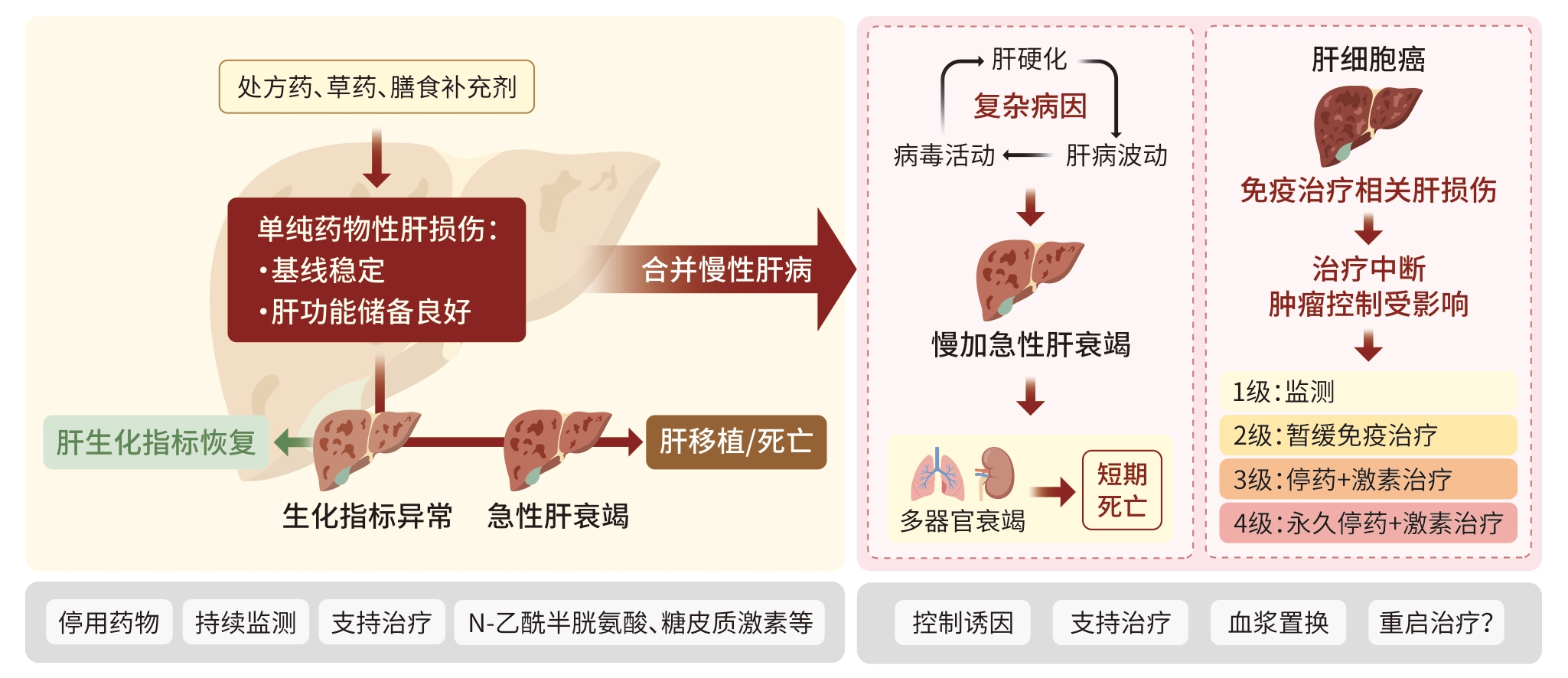
Drug-induced liver injury (DILI) refers to liver injury caused by medications, herbal products, or dietary supplements, with clinical manifestations ranging from abnormalities in liver biochemistry to liver failure. Since there is a lack of specific markers for the diagnosis of DILI, it is necessary to combine various factors such as drug exposure, the change in liver function after drug withdrawal, and competing etiologies to make a judgment. When DILI occurs in patients with chronic liver diseases such as liver cirrhosis, especially in those with decompensation or markedly impaired hepatic reserve or during systemic therapy for hepatocellular carcinoma, abnormalities at baseline, complex etiologies, and limited hepatic reserve can further increase the difficulties in identification and treatment. In recent years, studies on DILI in the context of chronic liver disease have gradually focused on the etiological differentiation, diagnostic criteria, and the applicability of risk models and intervention evidence. With reference to major clinical studies in recent years, this article summarizes and reviews the identification and attribution of DILI, risk prediction, and treatment advances in the setting of chronic liver disease.
Precision diagnosis and treatment strategies for drug-induced liver injury
Yu Wang, Xinyan Zhao
2026, 42(10): 2308-2313. DOI: 10.12449/JCH261009
Abstract:
Drug-induced liver injury (DILI) arises from the interactions between drug exposure, host susceptibility, and immune and metabolic responses and can involve hepatocytes, biliary epithelium, and hepatic vascular endothelium. There is a relatively heavy disease burden of DILI in China, with herbal and dietary supplements, antitubercular agents, and antitumor drugs as important pathogenic factors. Due to a lack of specific diagnostic biomarkers, the diagnosis of DILI still relies on the temporal relationship between drug exposure and liver injury, dechallenge response, differential diagnosis, and causality assessment. In recent years, the research on electronic causality assessment tools (such as the revised electronic causality assessment method), injury target-based pathological classification, and characterization of immune checkpoint inhibitor-related liver injury and drug-induced cholangiopathy has promoted the diagnostic approach from biochemical classification alone towards multidimensional phenotyping. MELD score, comorbidities, imaging, bile acid profiles, and circulating biomarkers may assist in risk stratification, while genetic studies and human liver organoids can provide support for mechanistic investigation and drug screening. This article reviews the advances in the epidemiology, diagnosis and causality assessment, special phenotypes, stratified management, prognosis, and precise diagnosis and treatment of DILI and discusses the boundaries of clinical translation.
Guideline
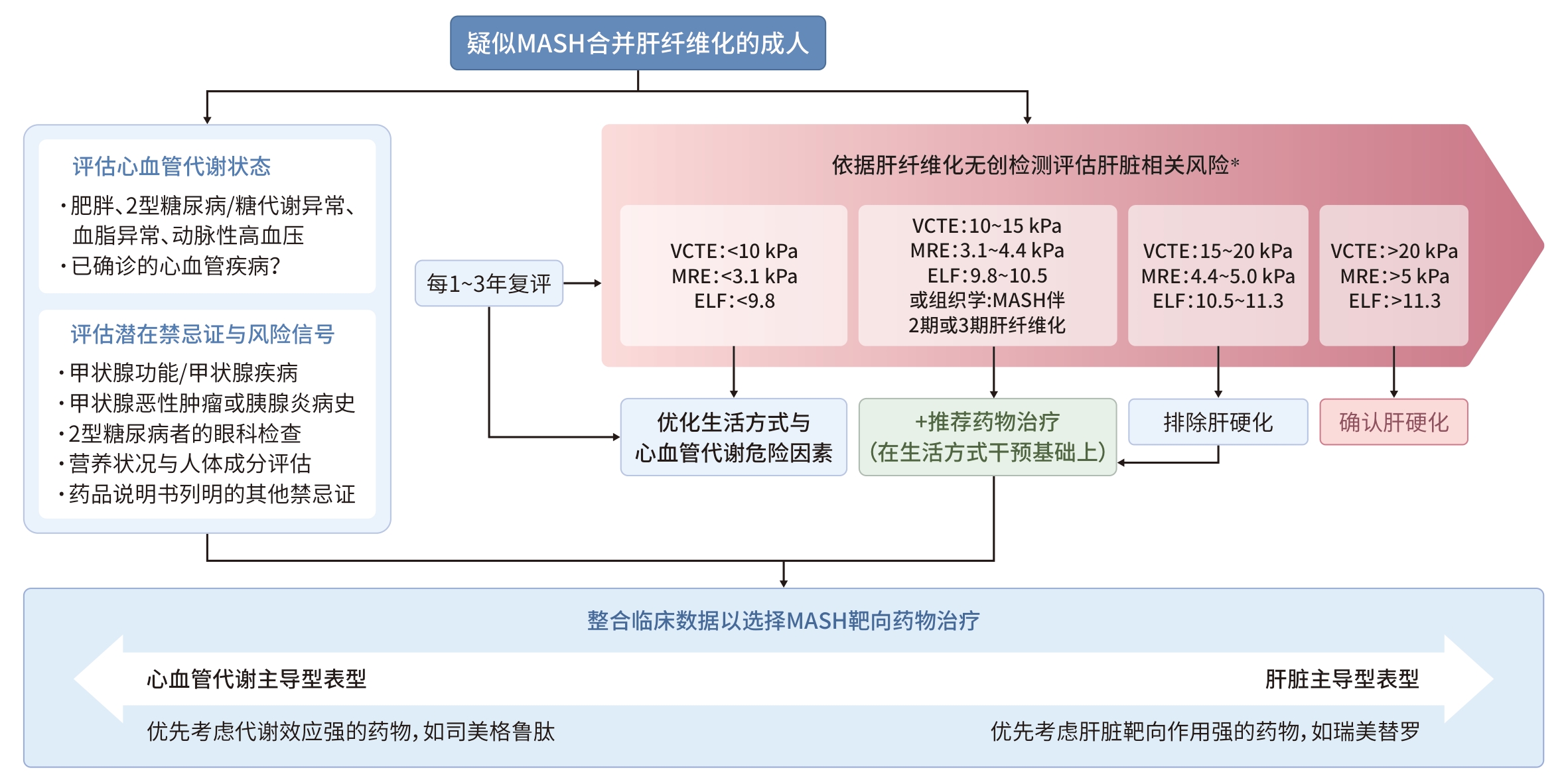
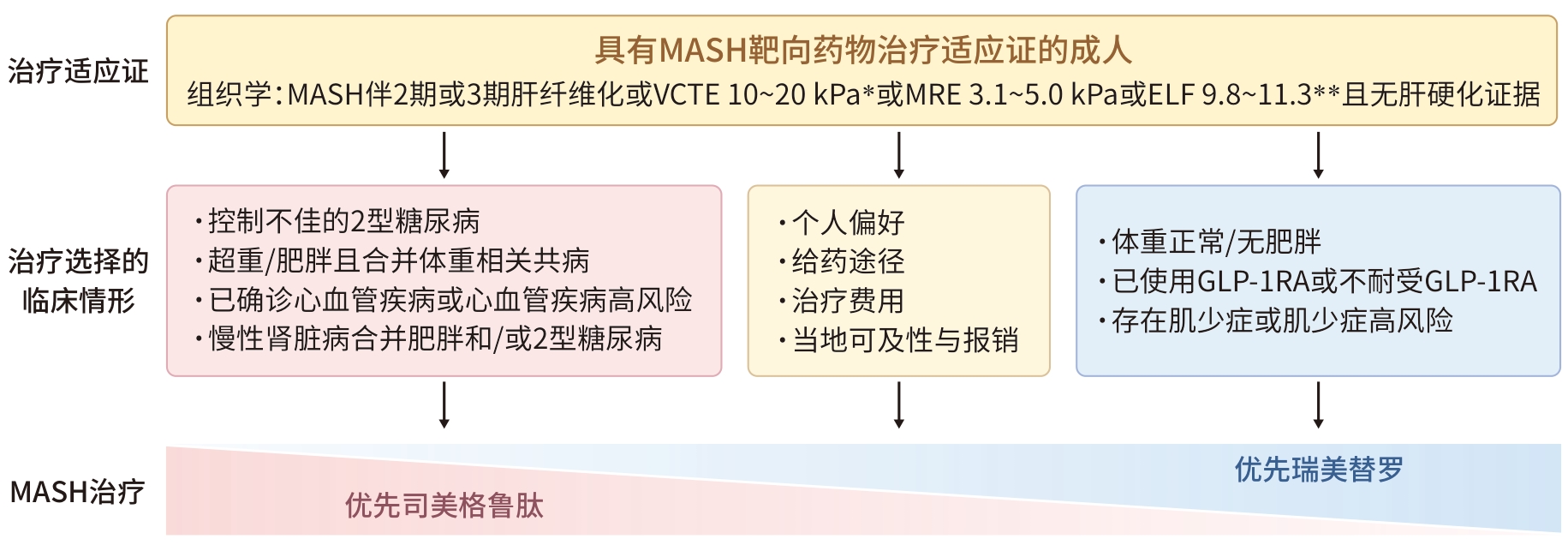
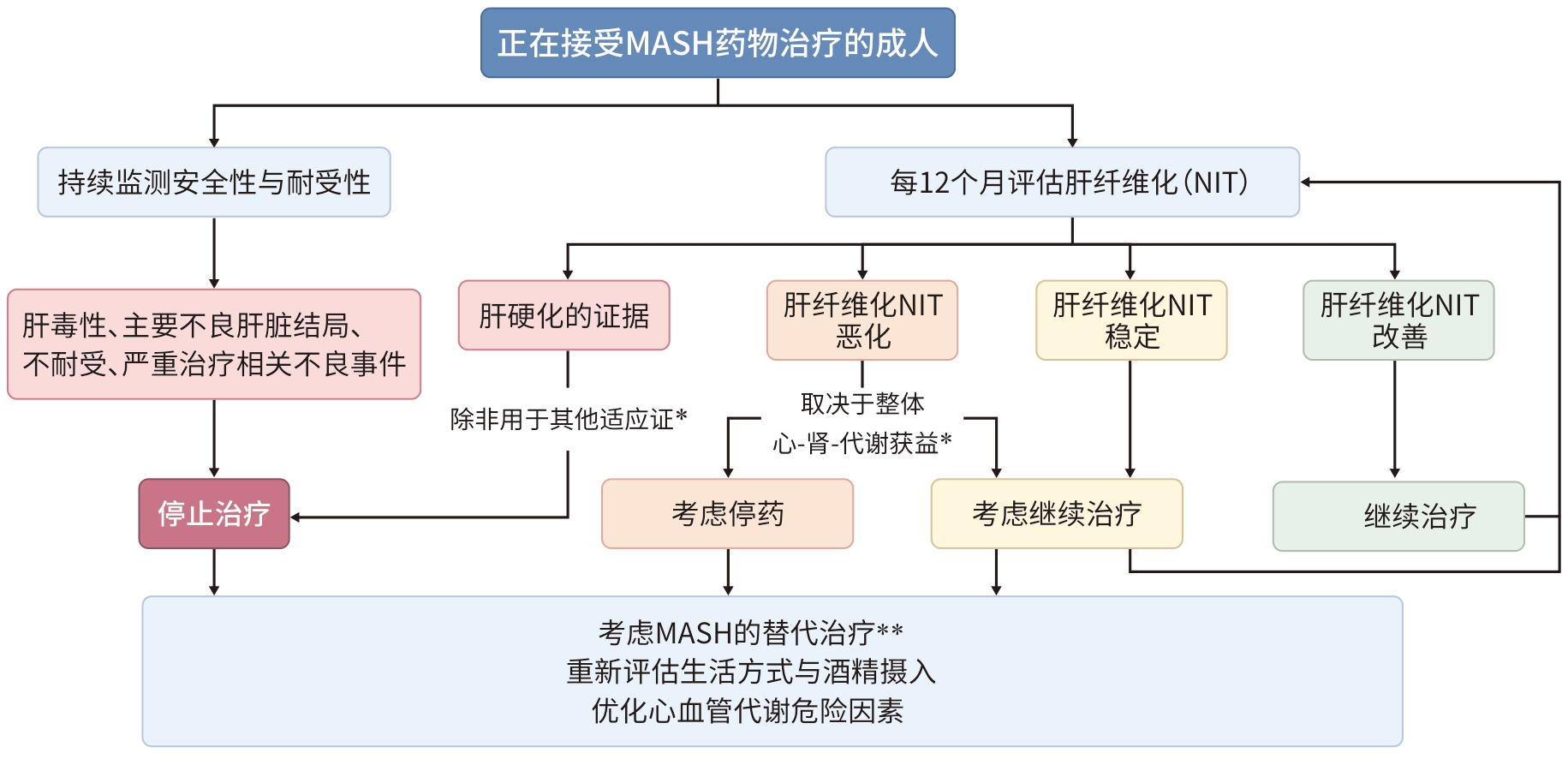
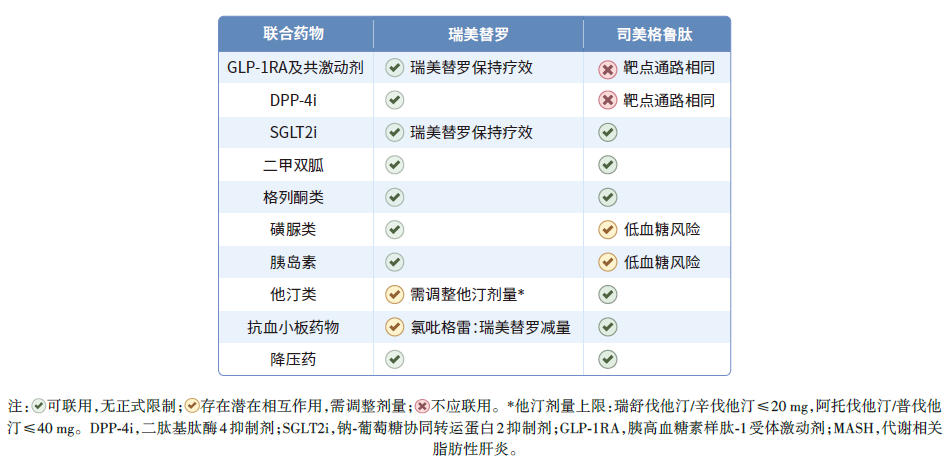
An excerpt of EASL-EASD-EASO guidance on the use of resmetirom and semaglutide as MASH-targeted therapy (2026 edition)
Qianqian Liu, Yanhang Gao
2026, 42(10): 2314-2320. DOI: 10.12449/JCH261010
Abstract:
In 2026, the European Association for the Study of the Liver (EASL), the European Association for the Study of Diabetes (EASD) and the European Association for the Study of Obesity (EASO) jointly issued the guidance on the use of resmetirom and semaglutide as metabolic dysfunction-associated steatohepatitis (MASH)-targeted therapy. Developed as an amendment to the 2024 EASL-EASD-EASO Clinical Practice Guidelines on the management of metabolic dysfunction-associated steatotic liver disease, this guidance responds to the clinical needs arising from the successive conditional approvals of both agents by the European Medicines Agency and the US Food and Drug Administration for the treatment of non-cirrhotic MASH with significant fibrosis. Structured around the noninvasive tests for liver fibrosis, the guidance proposes a systematic set of recommendations and statements covering the selection of treatment candidates, choice of pharmacotherapy, baseline assessment, monitoring, and treatment discontinuation, in order to provide an evidence-based framework for the standardized implementation of MASH-targeted therapy. This article gives an excerpt of the key points in the guidance.
An excerpt of the Japan Society of Gastroenterology and the Japan Society of Hepatology evidence-based clinical practice guideline: Metabolic dysfunction-associated steatotic liver disease (2026 edition)
Jiaheng Shi, Yuanwen Chen
2026, 42(10): 2321-2326. DOI: 10.12449/JCH261011
Abstract:
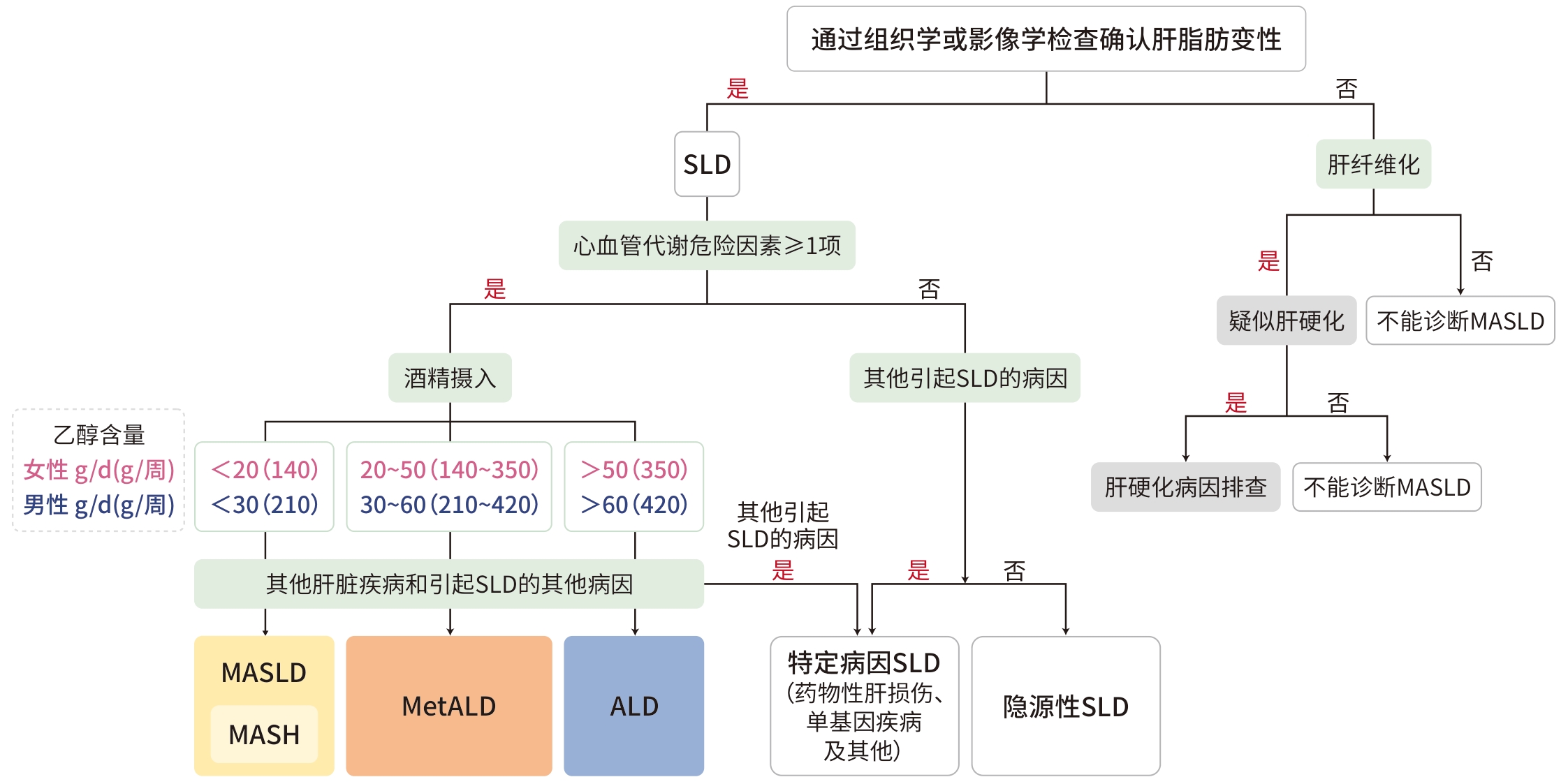
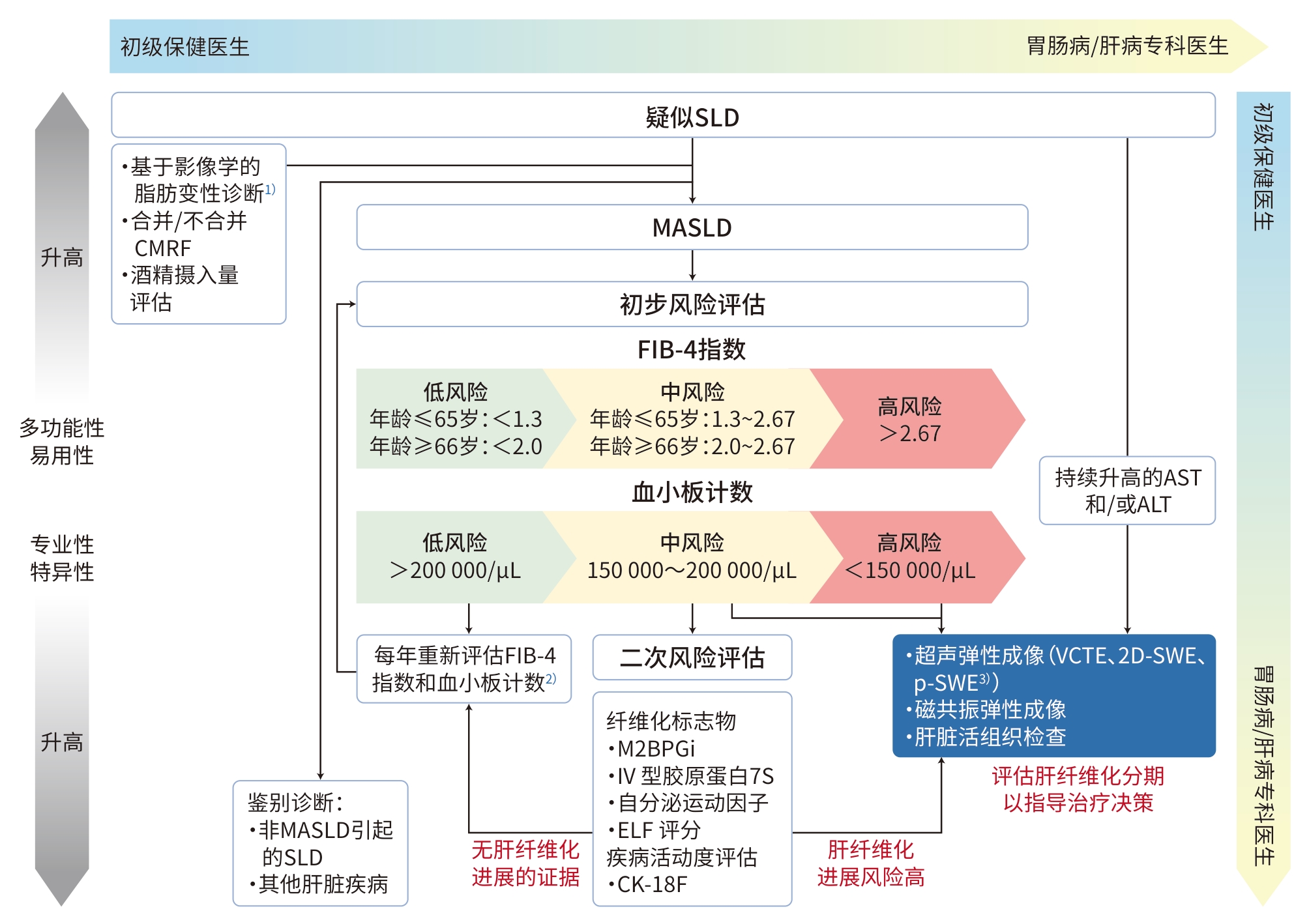
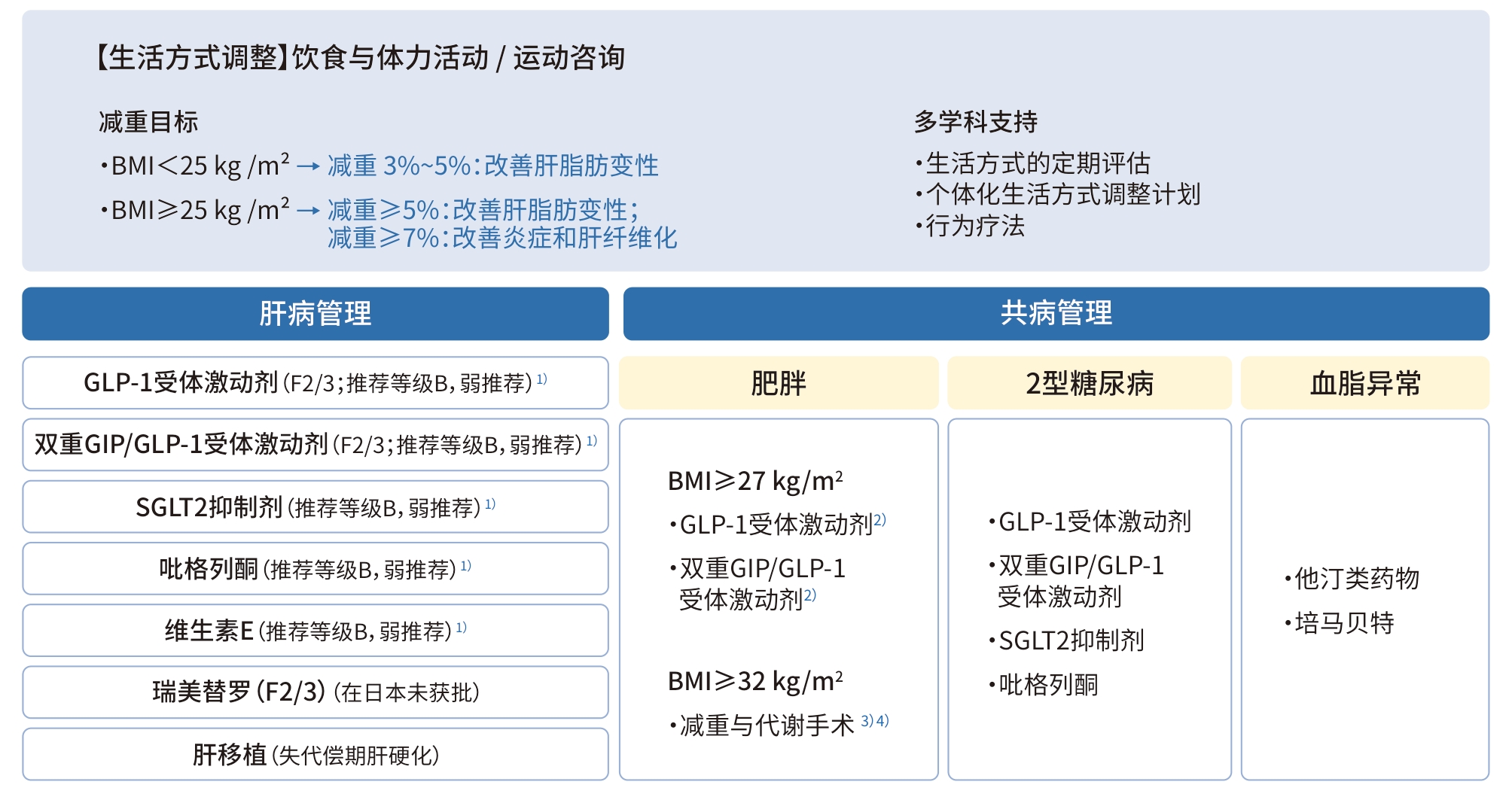
Recently, the Japanese Society of Gastroenterology and the Japan Society of Hepatology jointly released the recommendations on the diagnosis and management of metabolic dysfunction‑associated steatotic liver disease (MASLD). This guideline systematically elaborates on the definition, diagnosis, risk assessment, and clinical management of MASLD, in order to standardize clinical practice in Japan and provide support for evidence‑based management of the disease. This article provides an excerpt of the recommendations and related contents from the guideline.
An excerpt of Baveno Ⅷ-advancing consensus in portal hypertension (2026 edition)
Chengjian Wu, Xuefeng Luo
2026, 42(10): 2327-2340. DOI: 10.12449/JCH261012
Abstract:
Since the first Baveno consensus meeting, this series of meetings, convened at five-year intervals, has constantly promoted the development in the field of liver cirrhosis and portal hypertension, and its focus has gradually shifted from variceal bleeding toward a pathophysiology-driven approach that emphasizes risk stratification, identification of clinically significant portal hypertension, and prevention of hepatic decompensation. On this basis, the Baveno Cooperation partnered with the Vascular Liver Disease Interest Group to assemble an expert group, systematically evaluate the evidence published after Baveno Ⅶ, and update the clinical guidance for patients with advanced chronic liver disease, portal hypertension, and vascular liver disorders. The Baveno Ⅷ consensus meeting was held in Italy in March 2026, and the meeting adopted a structured consensus process and established nine expert panels to examine the major aspects of advanced chronic liver disease, vascular liver disease, and complications associated with portal hypertension. This article gives an excerpt of its key points.
An excerpt of conceptual framework and expert guidance on intrapancreatic fat deposition: The Melbourne consensus (2026 edition)
Mingjie Wang, Xiaowu Dong, Guotao Lu
2026, 42(10): 2341-2347. DOI: 10.12449/JCH261013
Abstract:
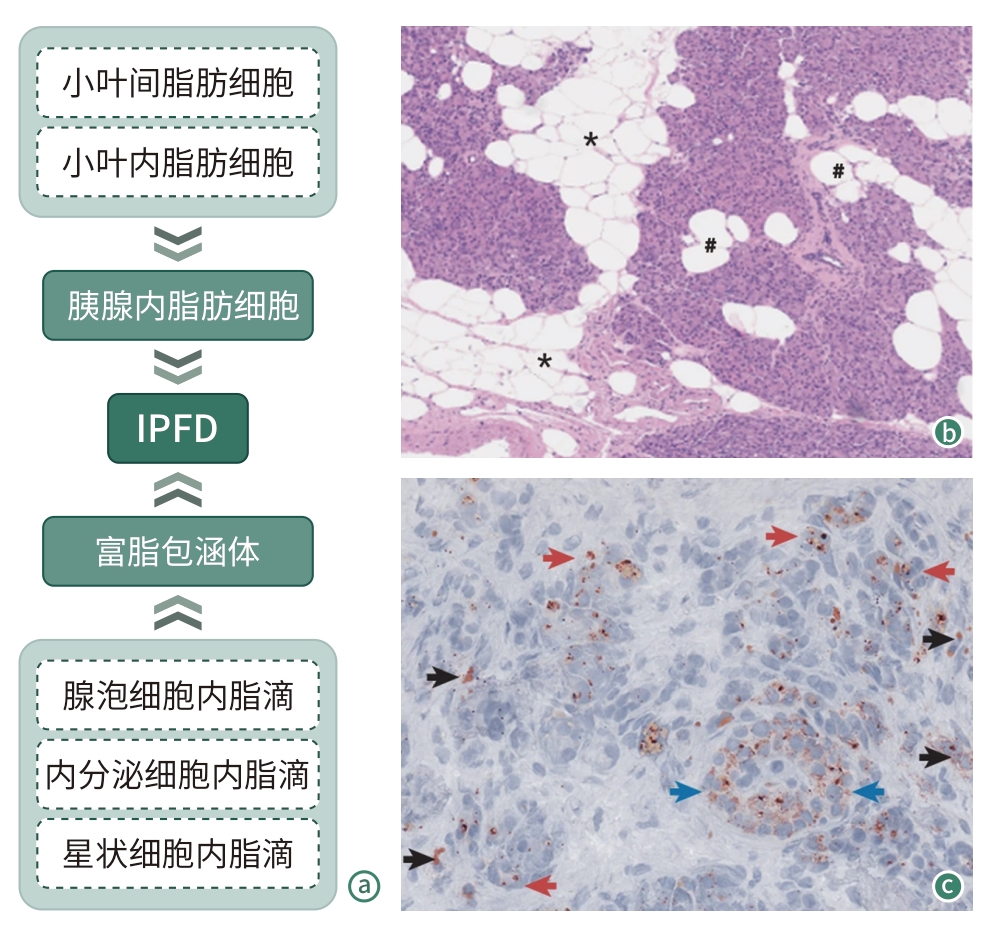
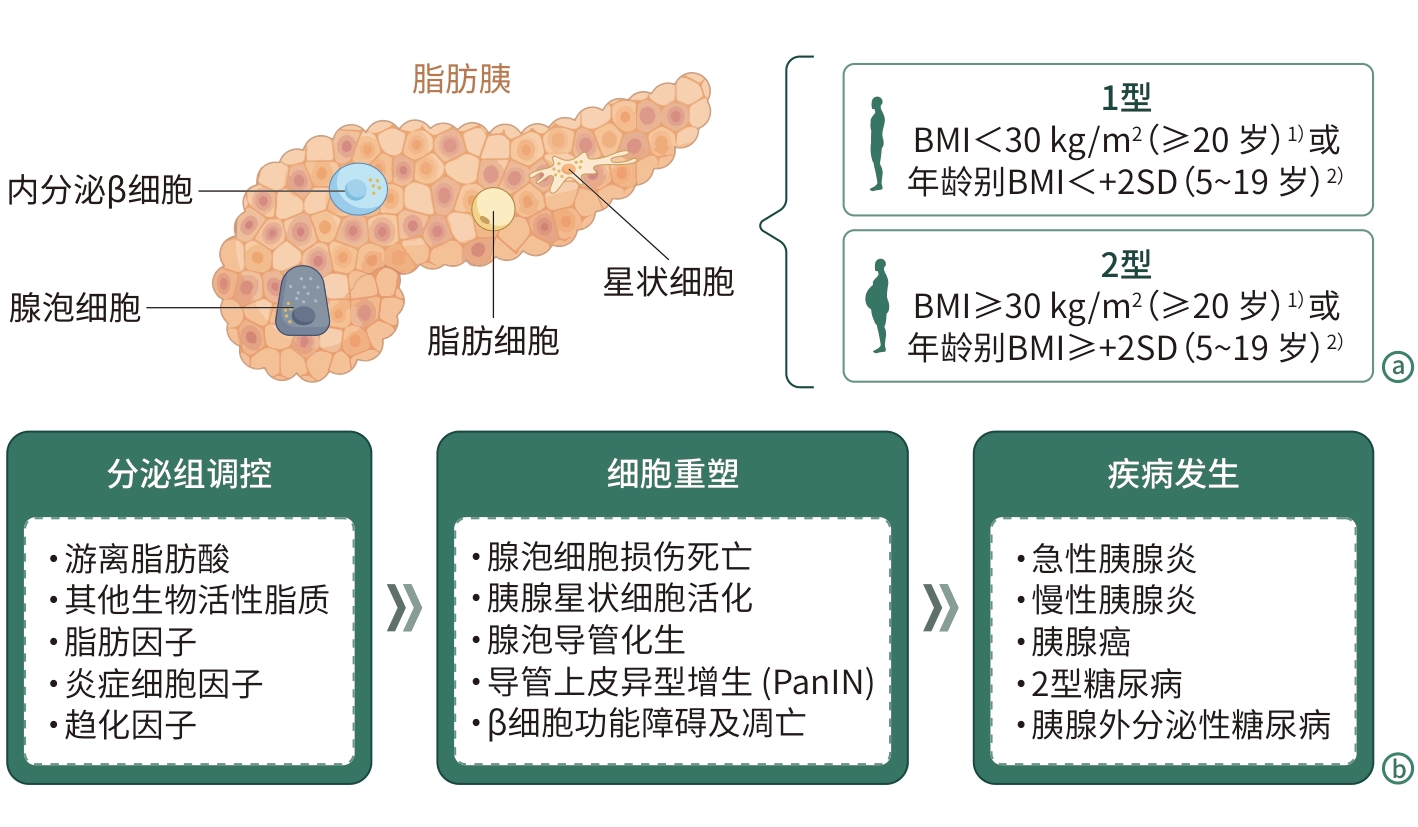
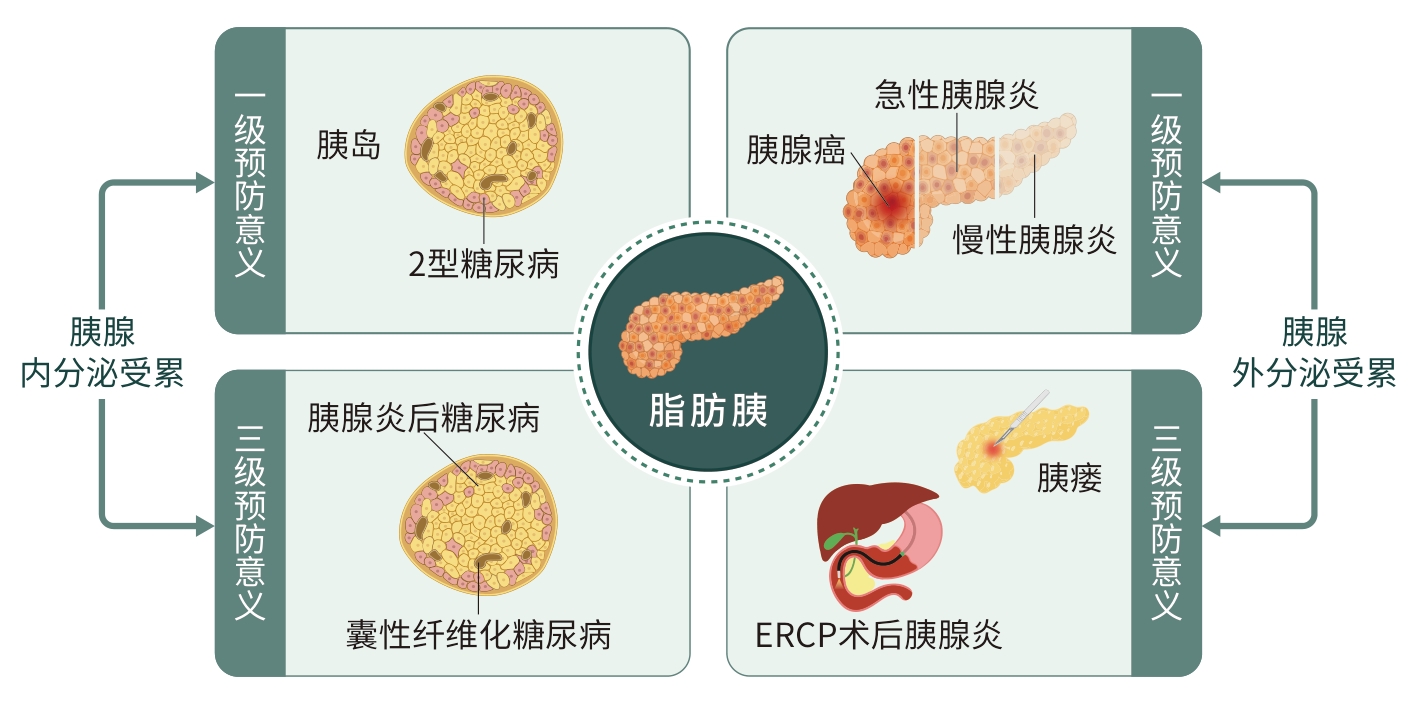
Intrapancreatic fat deposition (IPFD) has gained considerable attention in recent years, yet there is still a lack of a unified conceptual framework and standardized terminology in this field. Based on a Delphi anonymous voting process, the Global Intrapancreatic Fat Alliance formulated the Melbourne consensus, generating 58 recommendations across six core domains of IPFD: conceptual framework, characteristics, pathophysiological mechanisms, principles of assessment, health risks, and modifiability. This article gives an excerpt of the core contents of this consensus, in order to provide a reference for clinicians and researchers in China.
An excerpt of the international multidisciplinary consensus report on definitions, diagnostic criteria, and management of fatty pancreas (2026 edition)
Hanchuan Li, Qiwen Wang, Zhuan Liao
2026, 42(10): 2348-2354. DOI: 10.12449/JCH261014
Abstract:
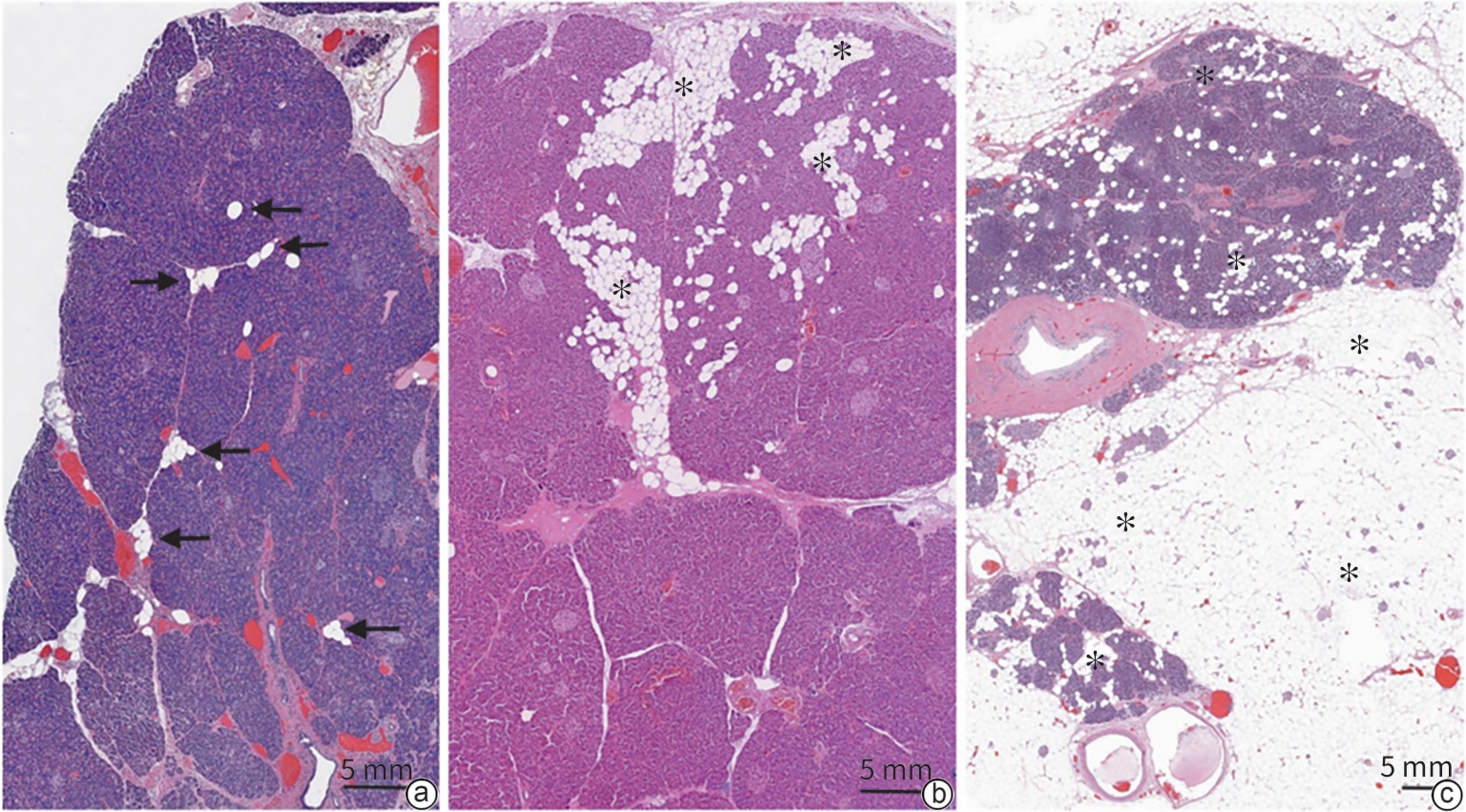
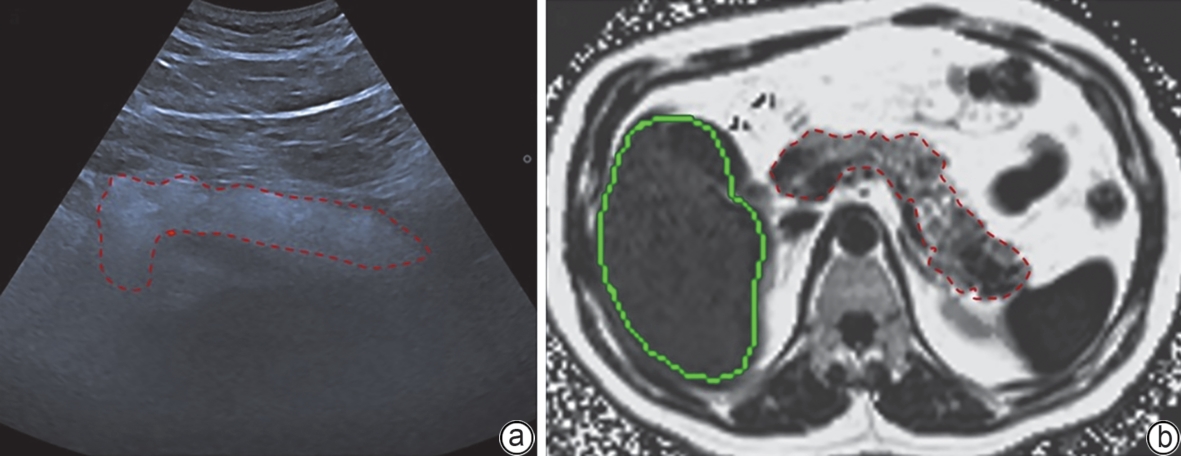
In February 2026, European Pancreatic Club issued the first international multidisciplinary consensus report on fatty pancreas in collaboration with American Pancreatic Association, European Association for the Study of Diabetes, European Association for the Study of the Liver, and several professional organizations on radiology, endoscopy, pathology, nutrition, and pediatrics. This report establishes “fatty pancreas” as the standardized and universal term for pancreatic fat accumulation and forms 31 statements covering its etiology, epidemiology, histopathology, radiological and endoscopic ultrasound diagnosis, clinical disease and metabolic associations, treatment, and follow-up. This article provides an excerpt of the major statements from the consensus report.
Guideline Interpretation
Differences and similarities in recommendations and clinical practice across the 2026 consensuses on fatty pancreas published in China and globally
Boxing Zhang, Wenhua He
2026, 42(10): 2355-2360. DOI: 10.12449/JCH261015
Abstract:
In 2026, three consensuses on fatty pancreas were successively published: International multidisciplinary consensus report on definitions, diagnostic criteria, and management of fatty pancreas formulated by 15 international organizations including the European Pancreatic Club; Conceptual framework and expert guidance on intra-pancreatic fat deposition: The Melbourne consensus, developed by a core expert panel of 25 members from six continents; Multidisciplinary expert consensus on the diagnosis and treatment of fatty pancreas disorder (2026 edition) formulated by multidisciplinary experts in China. All three consensuses recognize fatty pancreas as a disease entity requiring systematic evaluation and management, but with different focuses on conceptual framework, diagnostic criteria and imaging assessment, clinical risks, and management strategies. This article provides a comparative interpretation of the recommendations from the three consensuses and analyzes their similarities, differences, and applicable scenarios, in order to provide a reference for the standardized identification, evaluation, and management of fatty pancreas in clinical practice.
Interpretation of the European interdisciplinary guidelines on pain management in acute pancreatitis (2026 edition)
Guanghe Xing, Xiaolong Xu, Xuerui Wang, Yajing Li, Jinghui Wang, Qingquan Liu
2026, 42(10): 2361-2366. DOI: 10.12449/JCH261016
Abstract:
Pain is a major symptom in patients with acute pancreatitis (AP) when they attend the hospital, and inadequate pain control may impair eating, mobilization, and overall recovery. In 2026, United European Gastroenterology and several professional organizations issued the European interdisciplinary guidelines on pain management in acute pancreatitis, which provide systematic recommendations for pain management from admission through discharge. This guideline emphasizes standardized pain assessment and dynamic reassessment. Adequate analgesia should not be delayed in hospitalized patients with AP due to concerns regarding opioid safety, and patient-controlled analgesia should be used with caution, whereas unconventional analgesic agents are not recommended for routine use. Given the limited direct evidence for several key clinical issues, this article interprets the core recommendations and evidence boundaries of the European guideline with reference to related Chinese guidelines and discusses its application in clinical practice in China, in order to provide a reference for pain management in AP.
Viral Hepatitis
Value of dynamic total cholesterol level in assessing the prognosis of patients with hepatitis B virus-related acute-on-chronic liver failure
Yunlai Fu, Yanfang Hu, Lin Jia, Juan Li, Qinghua Meng
2026, 42(10): 2367-2373. DOI: 10.12449/JCH261017
Abstract:
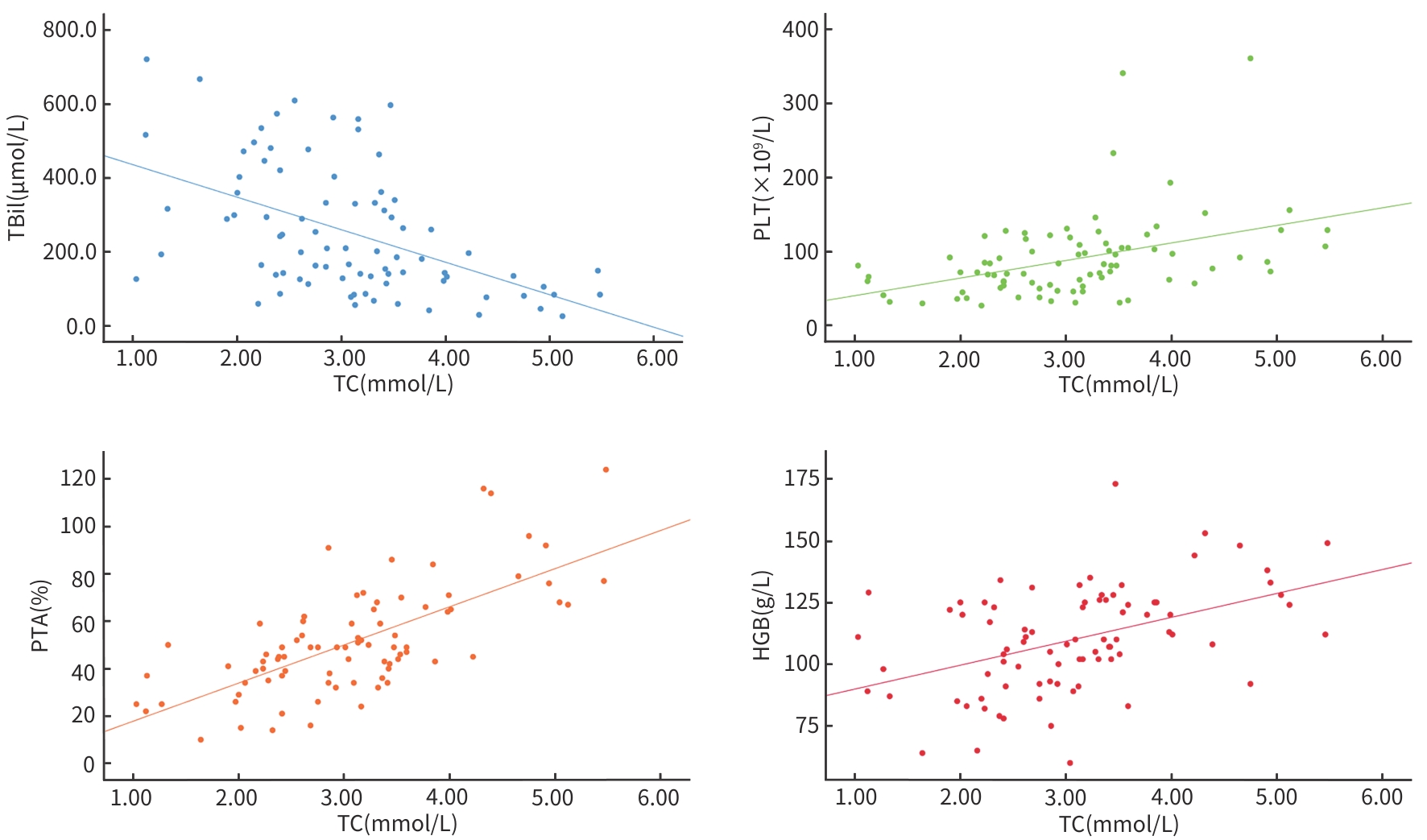
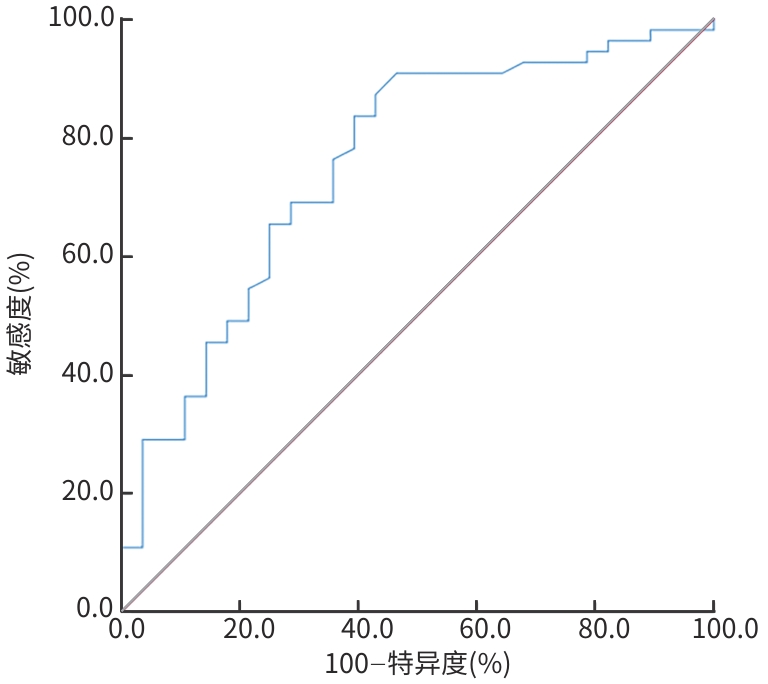
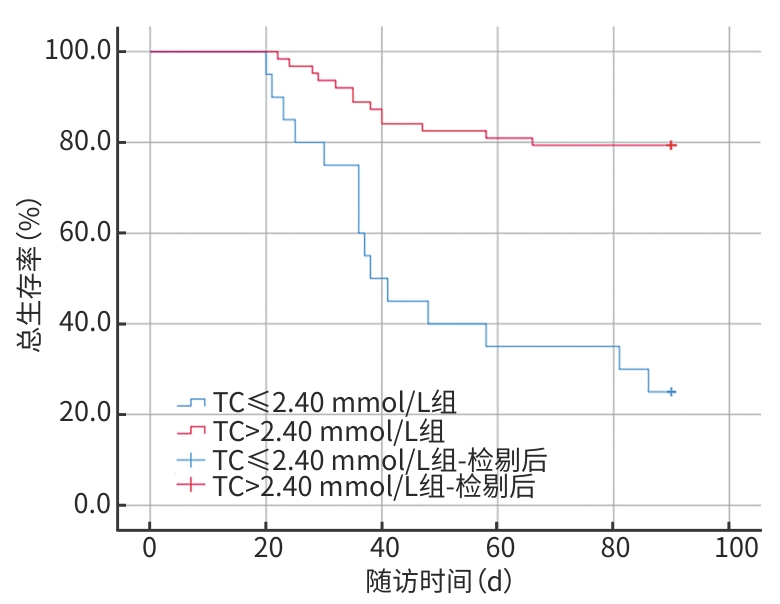
  Objective  To observe the dynamic change in total cholesterol (TC) level in patients with hepatitis B virus-related acute-on-chronic liver failure (HBV-ACLF), and investigate its association with prognosis.  Methods  A retrospective analysis was performed for the clinical data of 112 patients with HBV-ACLF who were admitted to Department of Hepatology, Beijing YouAn Hospital, Capital Medical University, from September 2012 to May 2021, and related data were collected, including TC, routine blood test results, blood biochemistry, and coagulation function. According to the 90-day prognosis of these patients, they were divided into a survival group and a death group. The dynamic changes of TC on days 1, 3, 7, 14, 21, and 28 were analyzed, and their association with prognosis was analyzed. The independent-samples t test was used for comparison of normally distributed measurement data between two groups; the Mann-Whitney U test was used for comparison of measurement data with skewed distribution between two groups; the chi-square test was used for comparison of categorical data between groups. The binary Logistic regression analysis was used to identify independent predictive factors. The Spearman correlation analysis was used to investigate the correlation between TC and each variable, and the repeated measures analysis of variance was used to compare the level of TC at different time points. The receiver operating characteristic (ROC) curve was used to assess the performance of TC in predicting the prognosis of HBV-ACLF, and Youden index was used to determine the optimal cut-off value. The Kaplan-Meier method was used to plot survival curves, and the Log-rank test was used for comparison between groups.  Results  The main effect of time on TC level in the 112 patients was statistically significant (F=7.424, P<0.001). There was a significant difference in TC level between the survival group and the death group (F=5.324, P=0.024). There was a significant interaction effect between time and group (F=9.865, P<0.001), suggesting that the dynamic evolution trajectory of TC presented different clinical trends in the two groups, with gradual improvement in the survival group and continuous deterioration or fluctuation in the death group. Among the 112 patients, 68 had a trend of increase in dynamic TC level, with a 28-day survival rate of 79.4% and a 90-day survival rate of 64.7%; 44 had a trend of reduction in dynamic TC level, with a 28-day survival rate of 52.3% and a 90-day survival rate of 25.0%; there was a significant difference in the survival rates between the two groups (χ2=9.158 and 16.852, both P<0.05). The multivariate Logistic regression analysis showed that TC level on day 21 (odds ratio=0.350, 95% confidence interval [CI]: 0.160 — 0.766, P=0.009) was an independent protective factor for the 90-day prognosis. TC level on day 21 was significantly positively correlated with prothrombin activity (r=0.647, P<0.01). The ROC curve analysis of TC level on day 21 for predicting prognosis showed an area under the ROC curve of 0.756 (95%CI: 0.643 — 0.868, P<0.001) and an optimal cut-off value of 2.40 mmol/L. Further analysis showed that the patients with TC>2.40 mmol/L on day 21 had a 28-day survival rate of 96.8%, and those with TC≤2.40 mmol/L had a 28-day survival rate of 80.0%; the patients with TC>2.40 mmol/L on day 21 had a 90-day survival rate of 79.4%, and those with TC≤2.40 mmol/L on day 21 had a 90-day survival rate of 25.0%, with a significant difference between these two groups of patients (χ2=4.145 and 20.071, both P<0.05).  Conclusion  TC level can be used as an assessment indicator for nutritional status in patients with HBV-ACLF, and dynamic monitoring of TC level has significant clinical significance for prognosis. Day 21 is a key time point for evaluating the prognosis of HBV-ACLF patients through TC monitoring, and TC>2.40 mmol/L can be used as an indicator for good prognosis in HBV-ACLF patients.
Fatty Liver Disease
FibroScan features of patients with metabolic dysfunction-associated steatotic liver disease and gastroesophageal reflux disease and related risk factors
Xiaoyan Yang, Chuanming Zhang, Wu Wen, Xiaocong Liu, Gengzhen Huang, Dehong Zou, Yu Zhang, Maojuan Ran, Yinjuan Su
2026, 42(10): 2374-2380. DOI: 10.12449/JCH261018
Abstract:
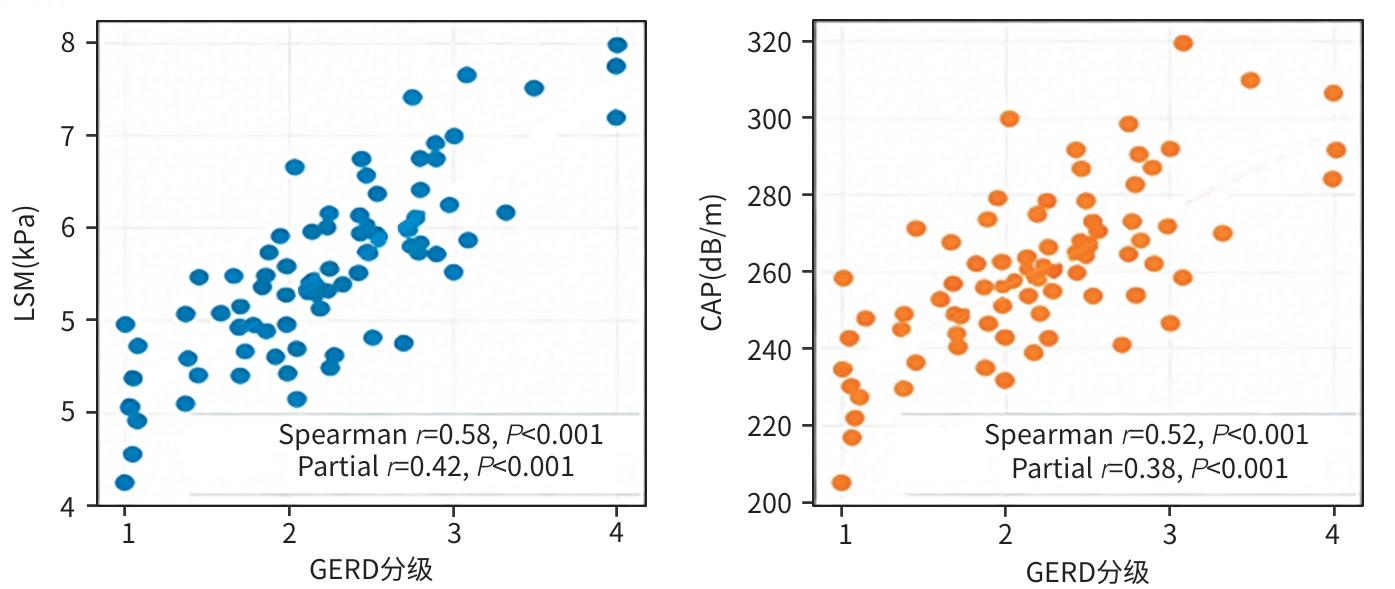
  Objective  To investigate the impact of gastroesophageal reflux disease (GERD) on FibroScan parameters in patients with metabolic dysfunction-associated steatotic liver disease (MASLD), and to identify the independent risk factors for MASLD comorbid with GERD.  Methods  This cross-sectional study was conducted among 1 683 patients with MASLD who attended Department of Gastroenterology, Chengdu Second People’s Hospital Affiliated to Sichuan University, from June 2019 to January 2021, and according to the presence or absence of GERD, they were divided into a MASLD+GERD group with 457 patients and a MASLD group with 1 226 patients. Clinical data and biochemical parameters were collected from all patients, and FibroScan testing was performed to obtain liver stiffness measurement (LSM) and controlled attenuation parameter (CAP). The independent-samples t test was used for comparison of normally distributed continuous data between two groups, and a one-way analysis of variance was used for comparison between multiple groups, while the least significant difference t-test was used for further comparison between two groups; the chi-square test or the Fisher’s exact test was used for comparison of categorical data between two groups, and the Mann-Whitney U test was used for comparison of ordinal ranked data between two groups; the Spearman’s rank correlation analysis was performed; a partial correlation analysis was performed after adjustment for body mass index, age, sex, and the history of PPI use, and a multivariate Logistic regression analysis was used to identify independent risk factors.  Results  Compared with the MASLD group, the MASLD+GERD group had significantly higher LSM (9.8±3.2 kPa vs 7.6±2.5 kPa, t=14.83, P<0.001) and CAP (305.2±41.5 dB/m vs 285.6±38.2 dB/m, t=9.14, P<0.001). Compared with the MASLD group, the MASLD+GERD group had a significantly higher proportion of patients with advanced liver fibrosis (LSM≥9.5 kPa) (25.8% vs 10.4%, Z=-8.09, P<0.001) and a significantly higher proportion of patients with severe steatosis (CAP≥293 dB/m) (38.1% vs 26.8%, Z=-4.79, P<0.001). The Spearman correlation analysis showed that the severity of GERD was significantly positively correlated with LSM (r=0.58, P<0.001) and CAP (r=0.52, P<0.001). The multivariate Logistic regression analysis showed that high body mass index (odds ratio [OR]=1.85, 95% confidence interval [CI]: 1.32 — 2.59, P<0.001), elevated triglycerides (OR=2.12, 95%CI: 1.46 — 3.08, P<0.001), elevated fasting plasma glucose (OR=1.76, 95%CI: 1.24 — 2.49, P=0.002), and elevated alanine aminotransferase (OR=1.92, 95%CI: 1.38 — 2.68, P<0.001) were independent risk factors for MASLD comorbid with GERD.  Conclusion  Patients with MASLD and comorbid GERD tend to have more severe hepatic fibrosis and steatosis, which are positively correlated with the severity of GERD, and obesity, dyslipidemia, abnormal glucose metabolism, and elevated liver enzymes are major risk factors for such comorbidity.
Autoimmune Liver Disease
Construction and validation of a visual model to aid the differentiation between autoimmune hepatitis and primary biliary cholangitis
Guoxu Fang, Jun Fu, Zongren Ding, Rui Huang, Jianhui Fan, Liyan Zhang, Shaoyan Huang, Xin Huang, Shunfeng Luo, Haitao Li, Qi Zheng, Yongyi Zeng
2026, 42(10): 2381-2391. DOI: 10.12449/JCH261019
Abstract:
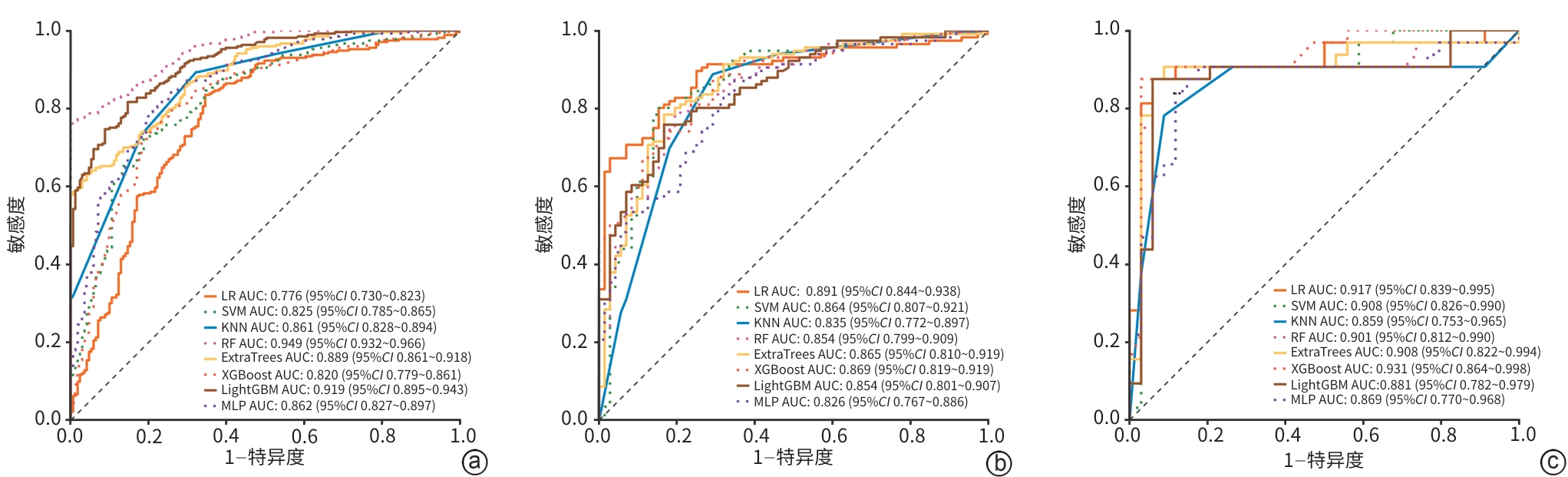
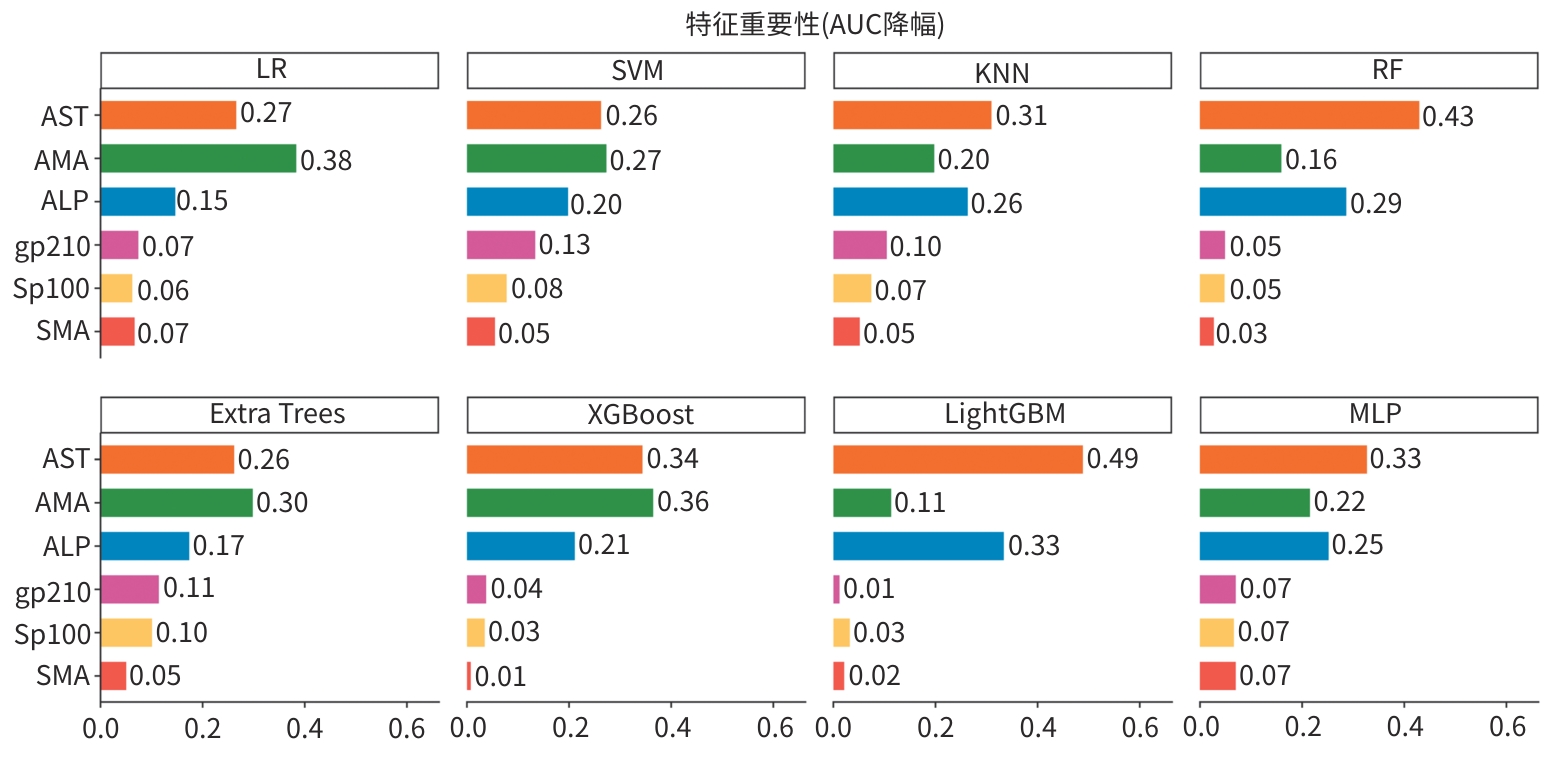
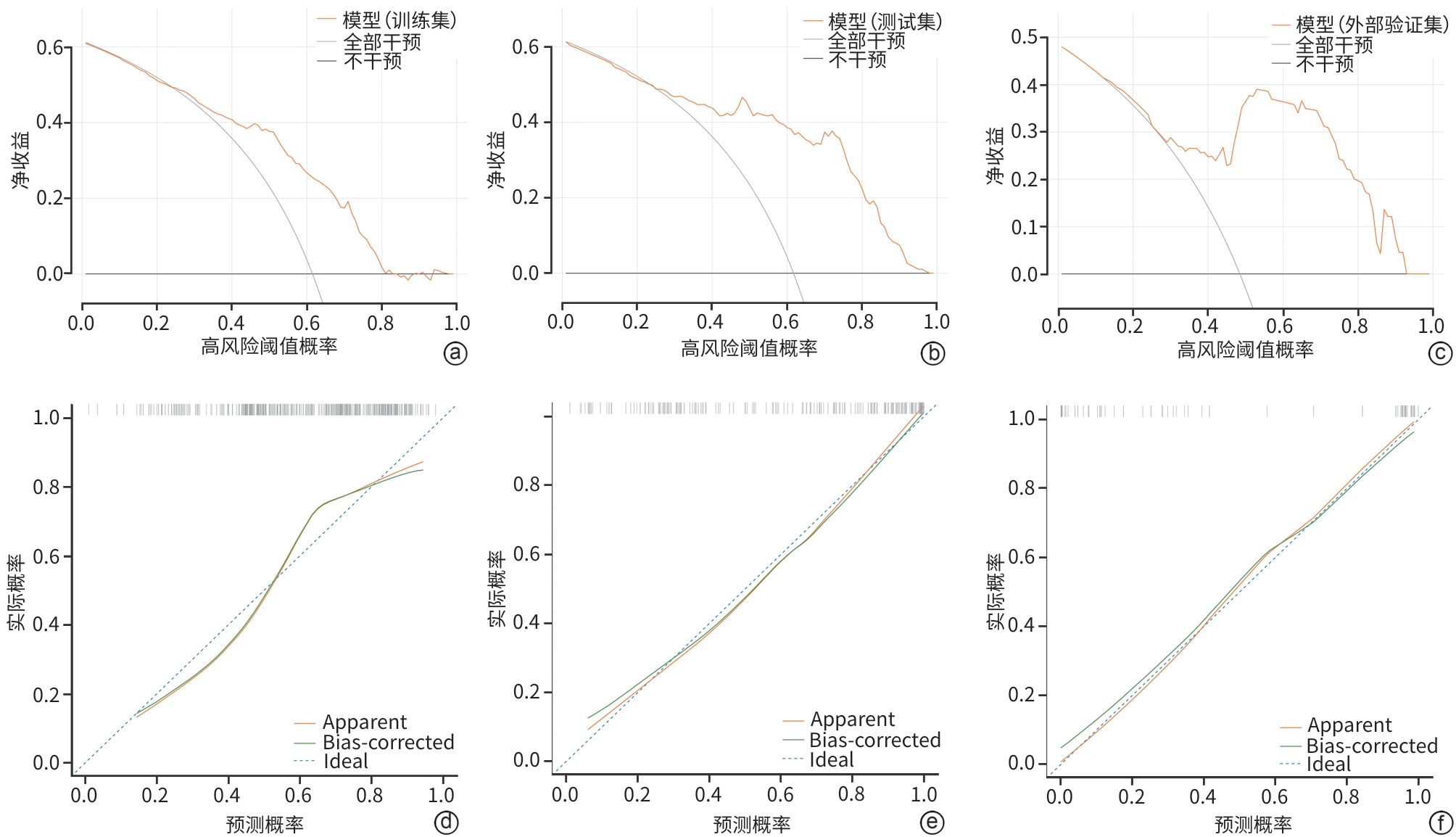
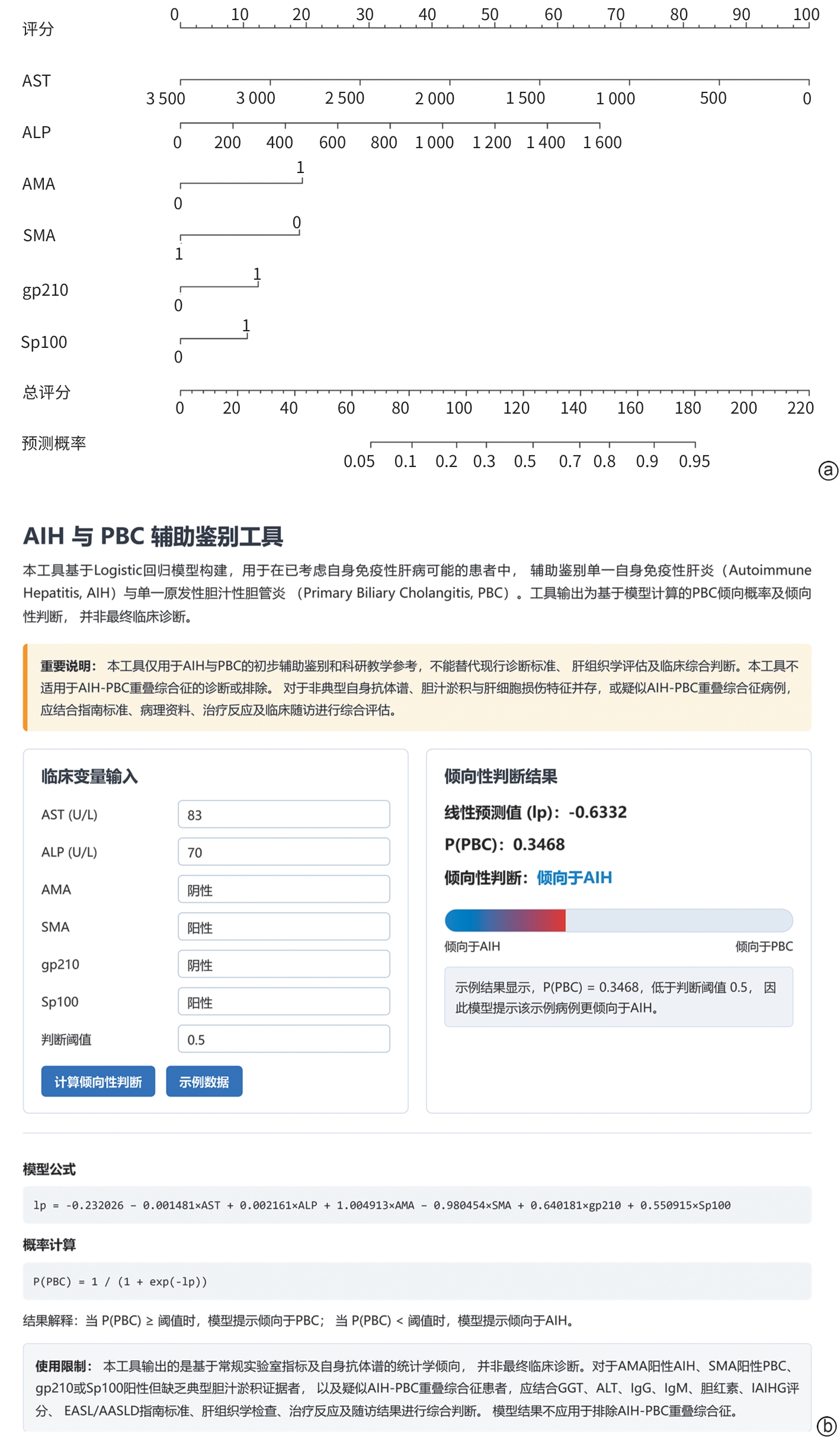
  Objective  To construct and investigate the performance of a model integrating routine laboratory parameters and autoantibody profiles in aiding the differentiation between autoimmune hepatitis (AIH) and primary biliary cholangitis (PBC), and to develop a visual tool based on this model.  Methods  This multicenter retrospective study was conducted among 632 patients who were diagnosed with AIH or PBC in Mengchao Hepatobiliary Hospital of Fujian Medical University from April 2017 to April 2024, among whom there were 243 patients with AIH and 389 patients with PBC. At a ratio of 7∶3 for stratified sampling, the patients were divided into a training set and a testing set. In addition, 66 patients who were diagnosed in The First Affiliated Hospital of Fujian Medical University during the same period of time were enrolled as the external validation set, among whom there were 33 patients with AIH and 33 patients with PBC. Routine laboratory parameters and autoantibody profiles were collected; with PBC as the outcome event, the univariate and multivariate Logistic regression analyses were performed in the training set to obtain the variables for model construction, and the odds ratio (OR) and its 95% confidence interval (CI) were reported. The selected variables were used to construct the Logistic regression, support vector machine, k-nearest neighbors, random forest, extremely randomized trees, extreme gradient boosting, light gradient boosting machine, and multilayer perceptron models, and the performance of these models was assessed in the testing set and the external validation set. The area under the receiver operating characteristic curve (AUC), calibration curve, and decision curve analysis were used to assess the discriminatory ability, calibration, and potential net clinical benefit of the models. A nomogram and a web-based tool for differentiation were developed based on the final model. The Wilcoxon rank-sum test was used for comparison of non-normally distributed continuous data between two groups, and the chi-square test or the Fisher’s exact test was used for comparison of categorical data between two groups.  Results  Compared with the PBC group, the AIH group had significantly higher levels of C-reactive protein, alanine aminotransferase, aspartate aminotransferase (AST), total bilirubin, direct bilirubin, immunoglobulin G, immunoglobulin A, and immunoglobulin G4, a significantly longer prothrombin time, a significantly higher international normalized ratio, and significantly lower levels of white blood cell count, platelet count, albumin, gamma-glutamyl transpeptidase, alkaline phosphatase (ALP), prothrombin activity, and immunoglobulin M (all P<0.05). There was a significant difference in the distribution of antinuclear antibody patterns between the two groups (P<0.001). Compared with the PBC group, the AIH group had significantly higher positive rates of smooth muscle antibody (SMA), anti-liver kidney microsomal type 1 antibody, and anti-soluble liver antigen antibody, and compared with the AIH group, the PBC group had significantly higher positive rates of antimitochondrial antibody (AMA), antimitochondrial M2 antibody, anti-gp210 antibody, and anti-Sp100 antibody (all P<0.05). The multivariate Logistic regression analysis showed that AST (OR=0.998, 95%CI: 0.997 — 1.000, P=0.017), ALP (OR=1.003, 95%CI: 1.001 — 1.005, P=0.018), AMA positivity (OR=2.431, 95%CI: 1.484 — 4.022, P<0.001), SMA positivity (OR=0.286, 95%CI: 0.121 — 0.625, P=0.003), anti-gp210 antibody positivity (OR=1.911, 95%CI: 1.062 — 3.576, P=0.036), and anti-Sp100 antibody positivity (OR=1.940, 95%CI: 1.111 — 3.500, P=0.023) were independent factors associated with disease classification. The Logistic regression model based on these variables achieved an AUC of 0.891 in the testing set and 0.917 in the external validation set. The calibration curve showed good consistency between predicted probabilities and observed outcomes, and the decision curve analysis showed that the model had potential clinical net benefit within a certain range of threshold probabilities. The nomogram and the web-based tool could display individualized predicted probability of PBC and indicate whether the model favored AIH or PBC.  Conclusion  The Logistic regression model based on AST, ALP, AMA, SMA, anti-gp210 antibody, and anti-Sp100 antibody shows good discriminatory ability in both the testing set and the external validation set, and therefore, it can provide quantitative support for the preliminary differentiation of AIH and PBC in clinical practice.
Clinical features and influencing factors of clinically significant portal hypertension in patients with histologically early-stage primary biliary cholangitis
Min Chang, Hongxiao Hao, Yao Lu, Lu Zhang, Yao Xie, Minghui Li
2026, 42(10): 2392-2399. DOI: 10.12449/JCH261020
Abstract:
  Objective  To investigate the clinical features of clinically significant portal hypertension (CSPH) in patients with histologically early-stage primary biliary cholangitis (PBC), as well as its association with baseline data, laboratory markers, and histological features.  Methods  A retrospective analysis was performed for the clinical data of 79 patients who were diagnosed with histologically early-stage PBC by liver biopsy in Beijing Ditan Hospital, Capital Medical University, from January 2019 to January 2024, and laboratory markers and clinical manifestations were compared between the patients with different stages (histological stage Ⅰ and Ⅱ) and between those with or without CSPH. The independent-samples t test was used for comparison of normally distributed continuous data between two groups, and the Mann-Whitney U test was used for comparison of non-normally distributed continuous data between two groups; the chi-square test was used for comparison of categorical data between two groups. The multivariate logistic regression analysis was used to identify independent influencing factors for the onset of CSPH or cytopenia in patients with histologically early-stage PBC.  Results  Among the 79 PBC patients, 40 were in histological stage Ⅰand 39 in stage Ⅱ. Compared with the patients with histological stage Ⅰ PBC, the patients with histological stage Ⅱ PBC had significantly higher levels of alanine aminotransferase, aspartate aminotransferase, gamma-glutamyl transferase, alkaline phosphatase, direct bilirubin, globulin, total bile acid, total cholesterol, high-density lipoprotein cholesterol, apolipoprotein A1, and liver stiffness measurement, as well as a significantly higher proportion of patients with an increase in immunoglobulin M (all P<0.05). In the histological stage I PBC group, the patients with CSPH had significantly lower levels of platelets and albumin than those without CSPH (all P<0.05). In the histological stage II PBC group, compared with the patients without CSPH, the patients with CSPH had significantly lower levels of white blood cells, lymphocytes, platelets, albumin, cholinesterase, high-density lipoprotein cholesterol, and apolipoprotein A1 and significantly higher levels of total bile acid, prothrombin time, and international normalized ratio (all P<0.05). The proportion of patients with a platelet count of <150×10⁹/L in patients tested positive for anti-Ro52 antibody or anticentromere antibody was significantly higher than that in patients tested negative for these antibodies (χ²=7.661 and 5.686, all P<0.05). The patients tested positive for anti-Ro52 antibody had significant increases in fibrosis-4 and aspartate aminotransferase-to-platelet ratio index compared with those tested negative for this antibody, and the patients tested positive for anticentromere antibody had a significantly higher aspartate aminotransferase-to-platelet ratio index than those tested negative for this antibody (all P<0.05). The multivariate logistic regression analysis showed that age≥55 years (odds ratio [OR]=28.117, 95% confidence interval [CI]: 1.666 — 474.392, P=0.021) was an independent risk factor for CSPH in patients with histological stage I PBC, whereas albumin-bilirubin grade (OR=5.750, 95%CI: 1.188 — 27.828, P=0.030) was an independent risk factor for CSPH in patients with histological stage Ⅱ PBC. Positive anti-Ro52 antibody was an independent risk factor for leukopenia (<3.5×10⁹/L) and thrombocytopenia (<150×109/L), with an OR value of 4.757 (95%CI: 1.245 — 18.168, P=0.023) and 5.731 (95%CI: 1.619 — 20.282, P=0.007), respectively.  Conclusion  Patients with early-stage PBC may have CSPH-related manifestations, and the manifestations of CSPH differ between patients with histological stage Ⅰ PBC and those with histological stage Ⅱ PBC. The risk of CSPH increases with advancing histological stage. The development of CSPH may be associated with anti-Ro52 antibody or anticentromere antibody.
Liver Fibrosis and Liver Cirrhosis
Effect and mechanism of Guizhi Fuling pill on a rat model with liver fibrosis
Yanyan Jing, Suguo Wu, Hanwei Mei, Ju Liu, Hongxia Yuan, Zhonglian Li, Junjian Liu
2026, 42(10): 2400-2410. DOI: 10.12449/JCH261021
Abstract:
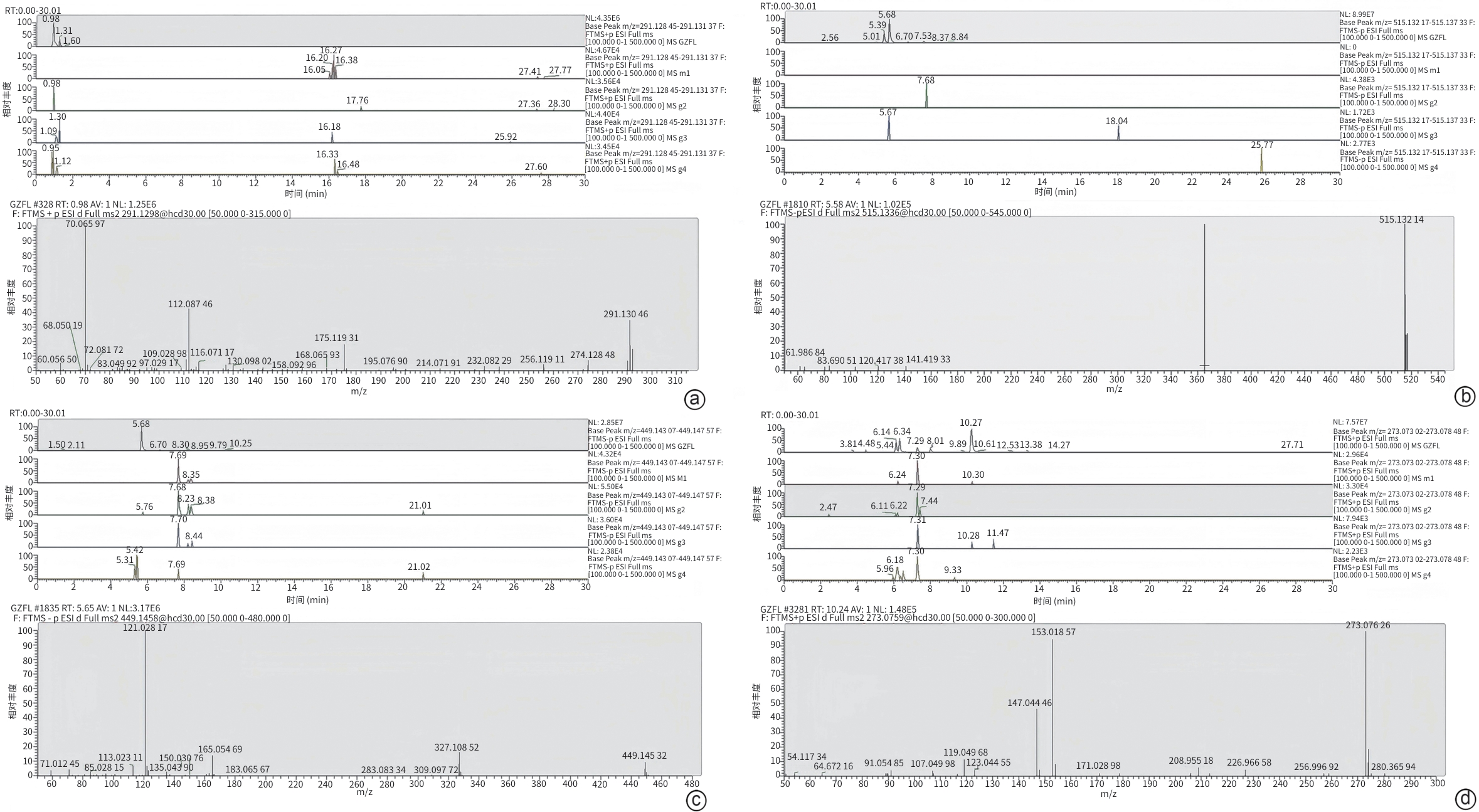
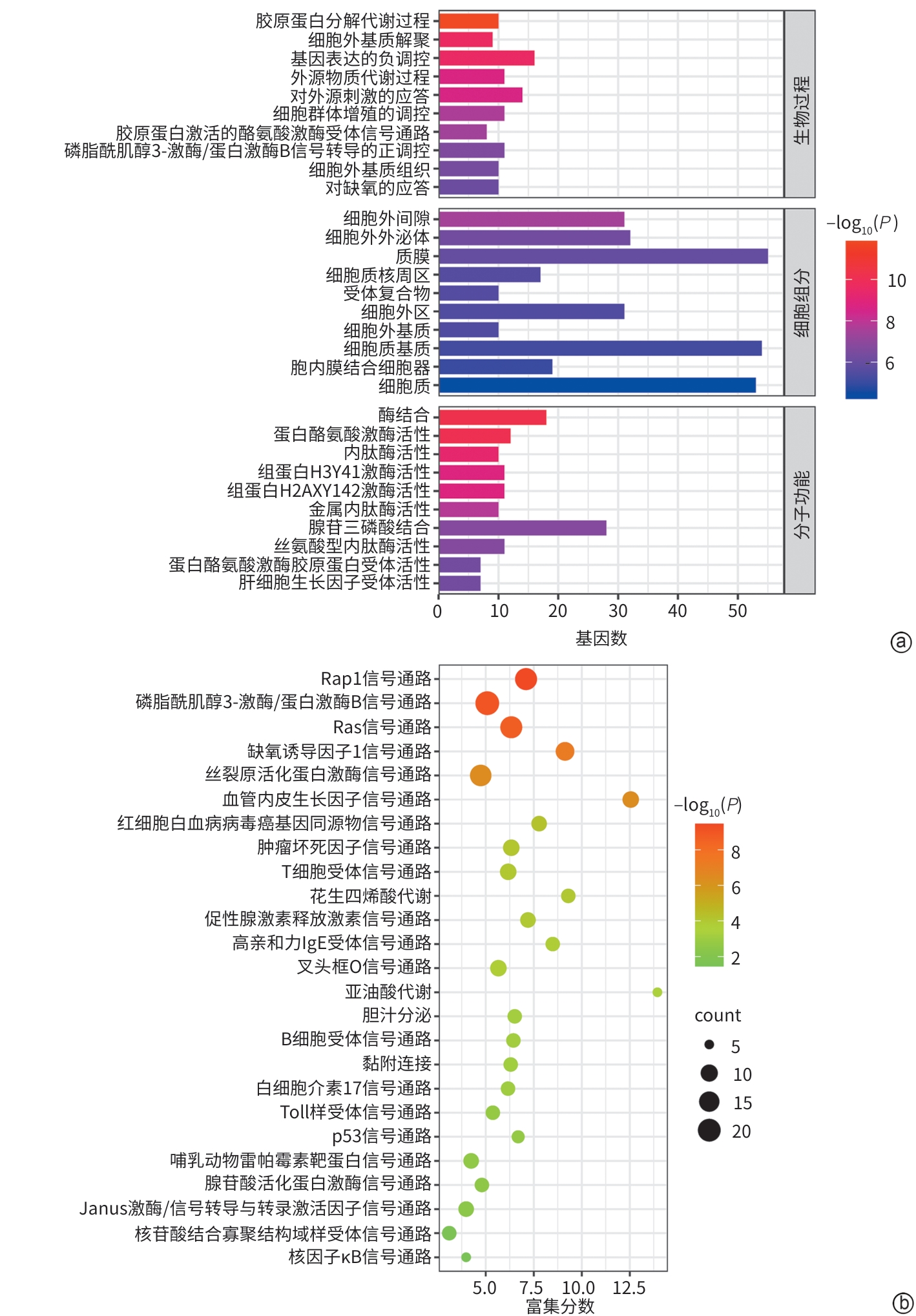
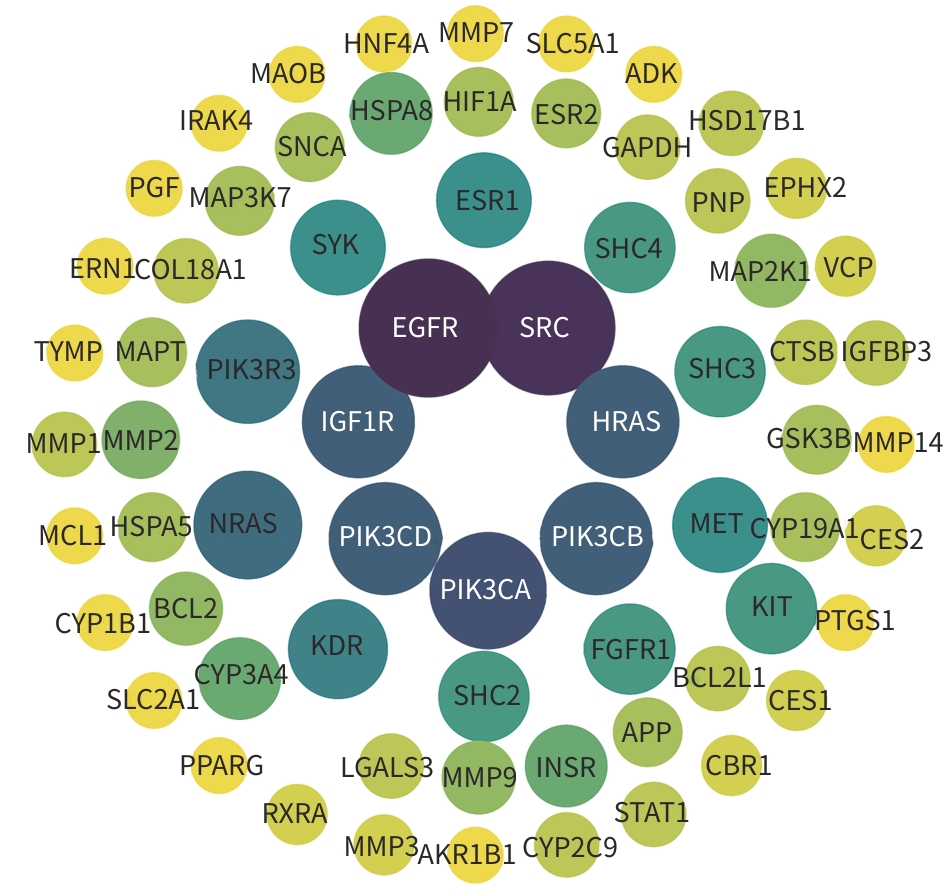
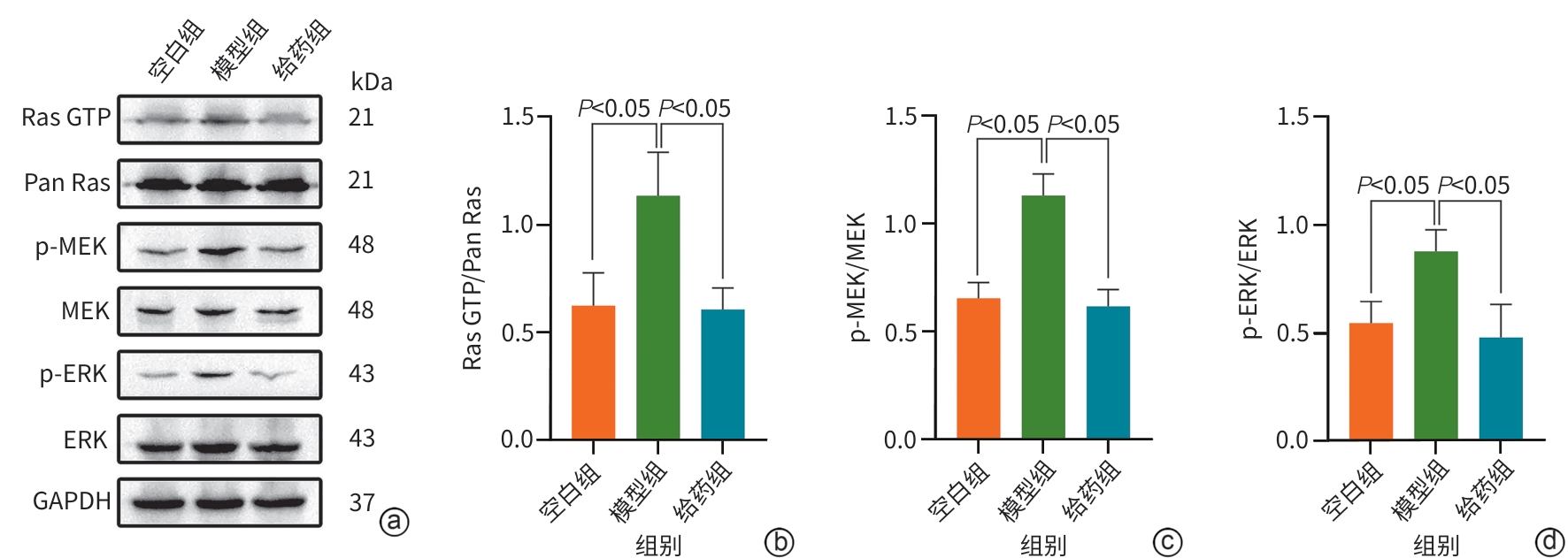
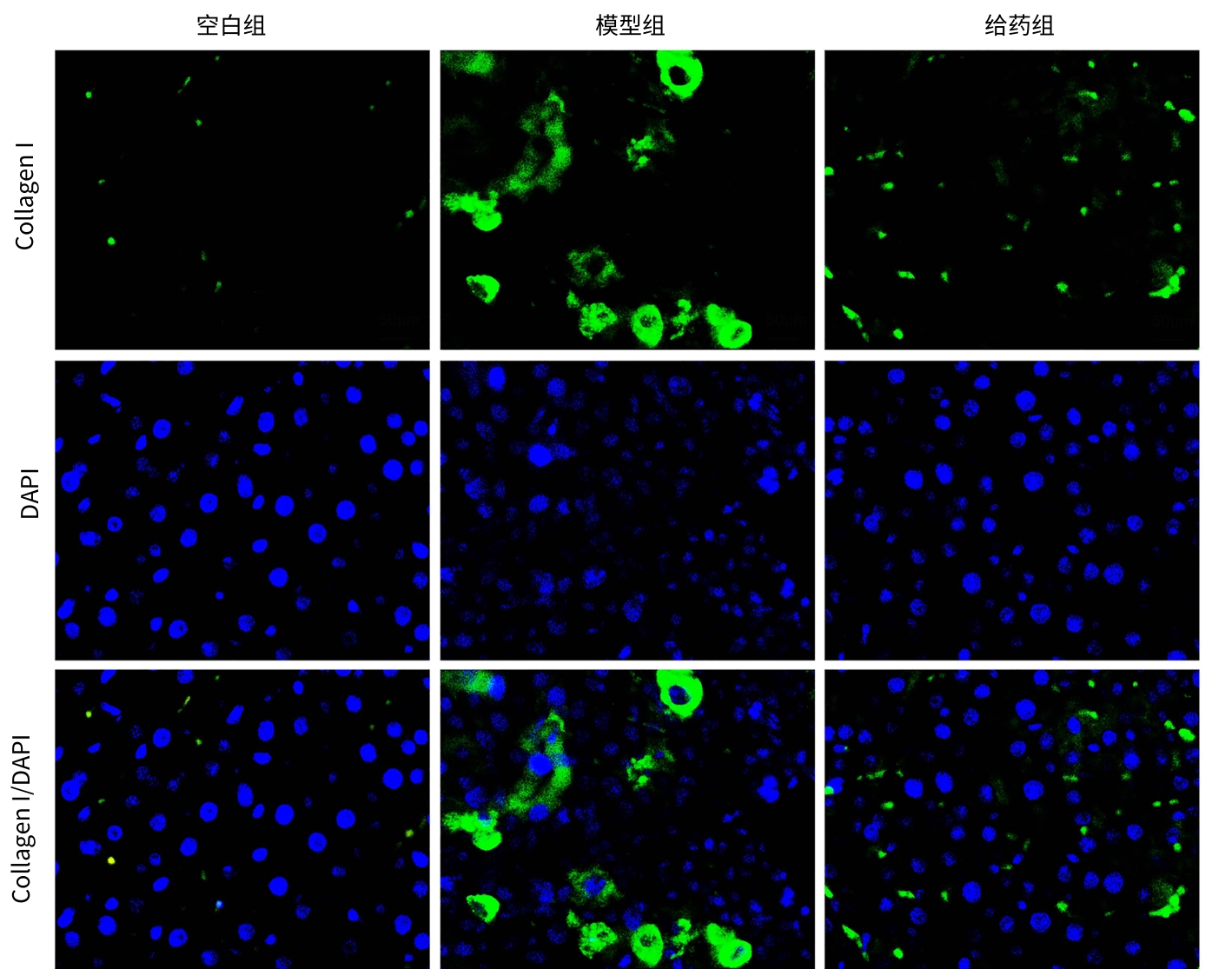
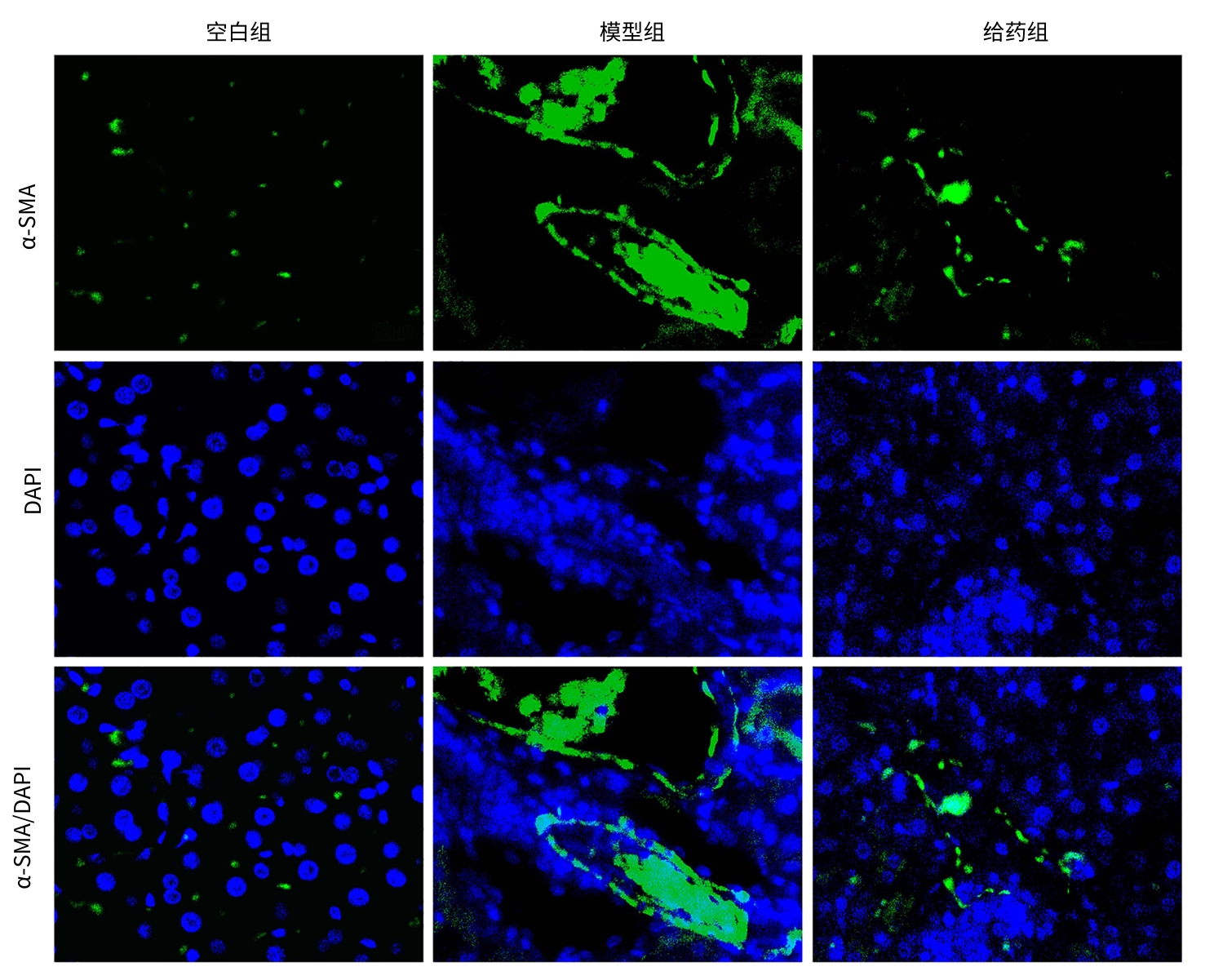
  Objective  To investigate the anti-liver fibrosis (LF) effect of Guizhi Fuling Pill (GFP) and its potential mechanism through a bioinformatics analysis of the blood-entry components of GFP.  Methods  A total of 6 Sprague-Dawley rats were randomly divided into normal group and GFP gavage group, with 3 rats in each group, and the rats in the GFP gavage group were given intragastric administration of GFP at a concentration of 0.9 g/mL. Plasma samples were collected from all rats after 3 days, and liquid chromatography-tandem mass spectrometry combined with chromatographic peak comparison was used to identify the blood-entry components of GFP. A bioinformatics analysis was performed to identify the intersecting targets between the blood-entry components of GFP and LF, and enrichment analyses and visualization were performed to predict the molecular mechanism of GFP against LF. A total of 18 Sprague-Dawley rats, aged 6 weeks, were randomly divided into blank group, model group, and treatment group, with 6 rats in each group. The rats in the model group and the treatment group were given intraperitoneal injection of CCl4 for 8 weeks to establish a model of LF, and since week 4, the rats in the treatment group were given GFP by gavage at a concentration of 0.9 g/mL for 4 consecutive weeks. Then all rats were sacrificed for sample collection. HE staining was used to observe the pathological morphology of rat liver tissue, and Masson staining was used to observe collagen deposition in rat liver tissue; ELISA was used to measure the serum levels of alanine aminotransferase (ALT), aspartate aminotransferase (AST) and hydroxyproline (HYP); immunofluorescent staining was used to measure the expression levels of collagen Ⅰ and α-smooth muscle actin (α-SMA) in liver tissue; Western blot was used to measure the expression levels of the proteins associated with the rat sarcoma(Ras)/mitogen-activated extracellular signal regulated kinase(MEK)/extracellular signal-regulated kinase(ERK) signaling pathway. A one-way analysis of variance was used for comparison of measurement data between multiple groups, and the least significant difference t-test was used for comparison between two groups.  Results  The blood-entry components of GFP were argininosuccinic acid, gericudranin A, 4-methoxyphlorizin, and naringenin, with 156 corresponding targets, and a total of 6 734 targets were associated with LF, resulting in 113 intersecting targets. The bioinformatics analysis showed that the blood-entry components of GFP might exert a therapeutic effect on LF by regulating the signaling pathways including Rap1, PI3K-Akt, and Ras. There were significant differences between the blank group, the model group, and the treatment group in liver weight (F=67.43, P<0.001), body weight (F=49.49, P<0.001), and liver coefficient (F=93.74, P<0.001), and compared with the model group, the treatment group had significant reductions in liver weight and body weight and a significant improvement in liver coefficient (all P<0.05). HE staining and Masson staining showed that GFP administration significantly alleviated liver histopathological damage and collagen deposition in liver tissue of LF rats. There were significant differences between the blank group, the model group, and the treatment group in the serum levels of ALT (F=36.16, P<0.001), AST (F=26.11, P<0.001), and HYP (F=66.06, P<0.001), and compared with the model group, the treatment group had significant reductions in the serum levels of ALT, AST, and HYP (all P<0.05). Immunofluorescent staining showed that GFP administration downregulated the fluorescent expression levels of collagen Ⅰ and α‑SMA in the liver tissue of LF model rats. Western blot showed that compared with the blank group, the model group had significant increases in the levels of Ras GTP, p-MEK, and p-ERK in liver tissue (all P<0.05), and after GFP intervention, there were significant reductions in the levels of Ras GTP, p-MEK, and p-ERK (all P<0.05).  Conclusion  GFP may exert liver-protecting and anti-LF effects by inhibiting the abnormal activation of the Ras/MEK/ERK signaling pathway, suppressing hepatic stellate cell activation, and reducing collagen deposition in liver tissue.
Liver Neoplasm
Value of high-density lipoprotein cholesterol in predicting the one-year prognosis of patients with hepatocellular carcinoma
Ke Shi, Yao Liu, Xiaojing Wang, Fangyuan Gao, Xianbo Wang, Ying Feng
2026, 42(10): 2411-2416. DOI: 10.12449/JCH261022
Abstract:
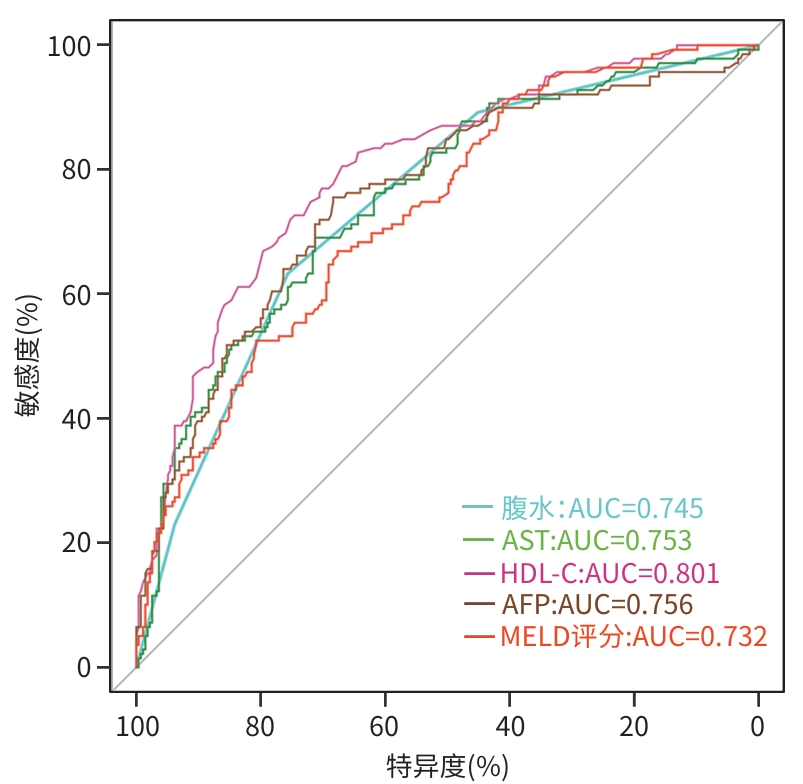
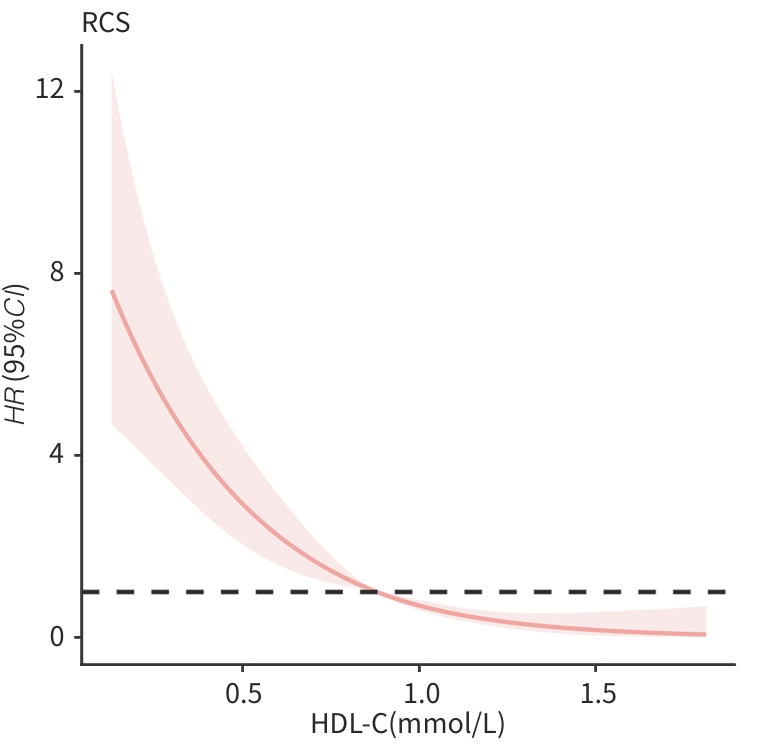
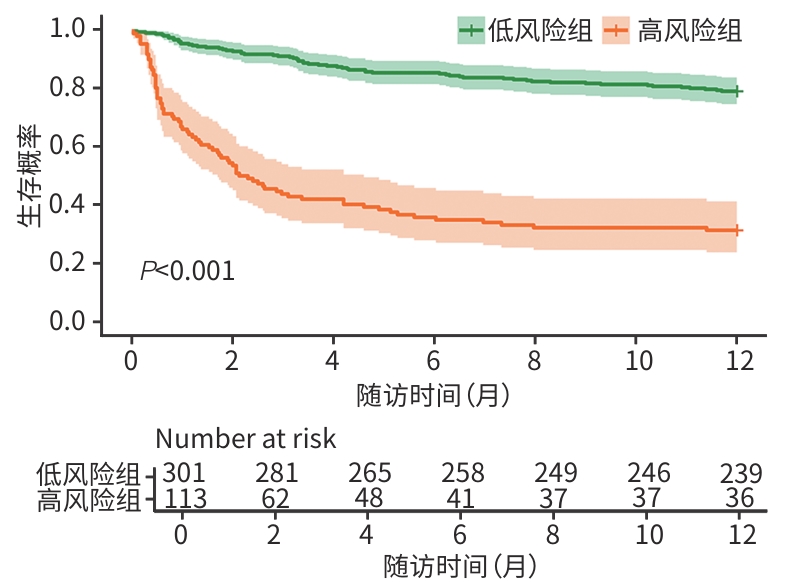
  Objective  To investigate the value of high-density lipoprotein cholesterol (HDL-C) in predicting the risk of mortality in patients with hepatocellular carcinoma (HCC).  Methods  A total of 414 patients with HCC who attended Beijing Ditan Hospital from January 2016 to July 2019 were retrospectively enrolled, and after follow-up for one year, the patients were divided into a survival group with 275 patients and a death group with 139 patients according to their survival outcomes. The clinical data and laboratory indicators of the patients were collected. The independent-samples t test or the Mann-Whitney U test was used for comparison of continuous data between groups, and the chi-square test was used for comparison of categorical data between groups. The Cox regression analysis was used to identify prognostic factors; the receiver operating characteristic (ROC) curve was used to assess the predictive performance of each indicator; the maximally selected rank statistic was used to determine the optimal cut-off value; the Kaplan-Meier method and Log-rank test were used for survival analysis.  Results  The multivariable Cox regression analysis showed that ascites (hazard ratio [HR]=1.652, 95% confidence interval [CI]: 1.148 — 2.376, P<0.05), aspartate aminotransferase (HR=1.011, 95%CI: 1.008 — 1.014, P<0.05), alpha-fetoprotein (HR=4.108, 95%CI: 2.306 — 6.319, P<0.05), and Model for End-Stage Liver Disease score (HR=1.161, 95%CI: 1.085 — 1.243, P<0.05) were independent risk factors for one-year mortality in HCC patients, while HDL-C was an independent protective factor (HR=0.386, 95%CI: 0.132 — 0.672, P=0.022). HDL-C achieved an area under the ROC curve of 0.801, suggesting that it had the highest predictive value. The optimal cut-off value of HDL-C was 0.61 mmol/L, and the high-risk group (HDL-C<0.61 mmol/L) had a significantly higher one-year mortality rate than the low-risk group (68.1% vs 20.5%, χ2=124.6, P<0.001).  Conclusion  HDL-C is a reliable predictive factor for the prognosis of patients with HCC, and HDL-C with a level of <0.61 mmol/L indicates a significant increase in the risk of one-year mortality.
Other Liver Disease
Clinical features of hepatic type of Wilson disease in different age groups
Liping Wang, Yuebo Ren, Ya Li, Wenyan Ma, Xuemei Gan, Tingting He, Zhongxia Wang, Yongqiang Sun, Simiao Yu, Jing Jing, Aozhe Zhang, Xin Wang, Fuchuan Wang, Ruilin Wang
2026, 42(10): 2417-2422. DOI: 10.12449/JCH261023
Abstract:
  Objective  To investigate the differences in clinical phenotypes, genotypes, and pathological features of patients with hepatic type of Wilson disease (HWD) across different age groups, and to provide a basis for precise stratified diagnosis.  Methods  A retrospective analysis was performed for 270 patients with HWD who were admitted to the Fifth Medical Center of Chinese PLA General Hospital from January 2017 to June 2024, and according to their age, they were divided into a minor group (148 patients aged <18 years) and an adult group (122 patients aged ≥18 years). Related data were collected, including demographic features, copper metabolism parameters, ATPase copper ion transporter β (ATP7B) genotype, liver pathology, and complications. The independent samples t-test or the Mann-Whitney U test was used for comparison of continuous data between groups, and the chi-square test and the Fisher’s exact test were used for comparison of categorical data between groups.  Results  The minor group had a higher proportion of male patients than the adult group (58.8% vs 46.7%, χ2=3.91, P=0.048), and the detection rate of ATP7B mutations reached 26.4%, with rare mutations accounting for a higher proportion; the patients with abnormal liver function as the initial manifestation accounted for 68.9%, and most patients had stage S0 — S2 liver fibrosis. In the adult group, the patients with the initial manifestation of fatigue or abdominal distension accounted for 54.1% and 41.8%, respectively, and the incidence rate of liver cirrhosis (stage S4) reached 50.0%; the detection rates of esophagogastric varices and infections reached 39.3% and 10.7%, and the detection rate of ATP7B mutations reached 36.1%, with hotspot mutations accounting for a higher proportion. The minor group had a significantly higher serum level of ceruloplasmin than the adult group (132.5±35.8 mg/L vs 108.3±32.6 mg/L, t=5.28, P<0.001).  Conclusion  There are significant differences in clinical phenotypes, genotypes, and pathological damage across HWD patients in different age groups. A stratified diagnostic strategy based on “noninvasive screening and dynamic monitoring for minors” and “severe disease warning and complication risk assessment for adults” can enhance the level of precise diagnosis in clinical practice.
Value of serum iron and serum creatinine/cystatin C ratio combined with model for end-stage liver disease score in predicting the 12-week prognosis of alcohol-related acute-on-chronic liver failure
Lu Wang, Hongmin Shen, Chengcheng Li, Anli Li, Hong Peng, Hong Li
2026, 42(10): 2423-2431. DOI: 10.12449/JCH261024
Abstract:
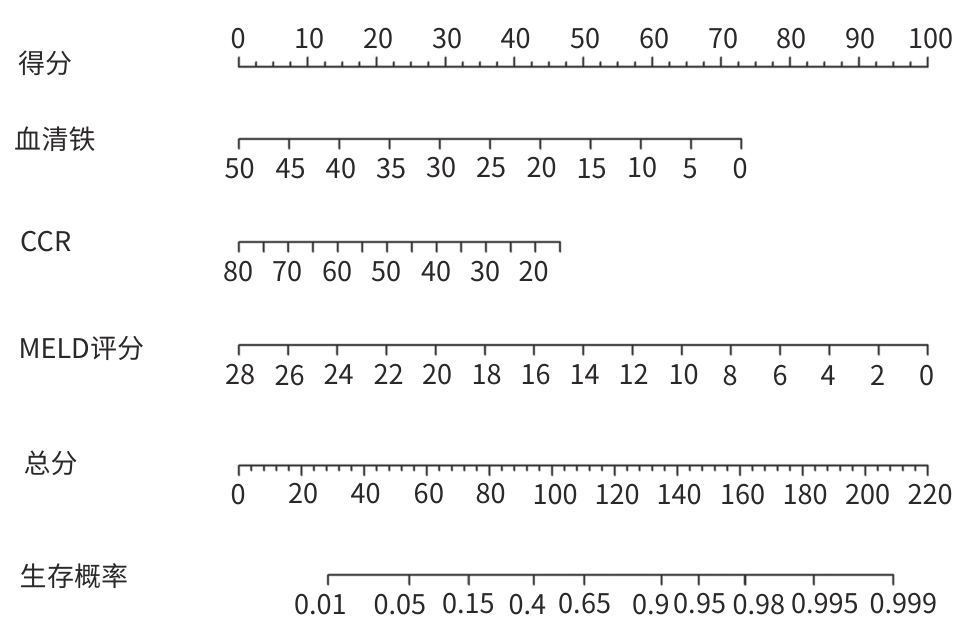
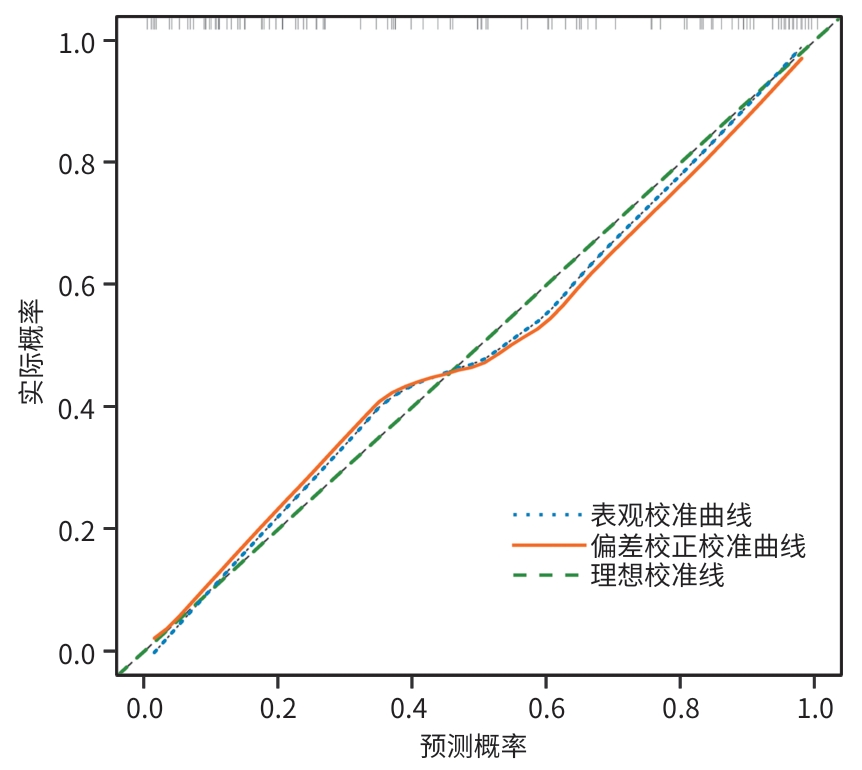
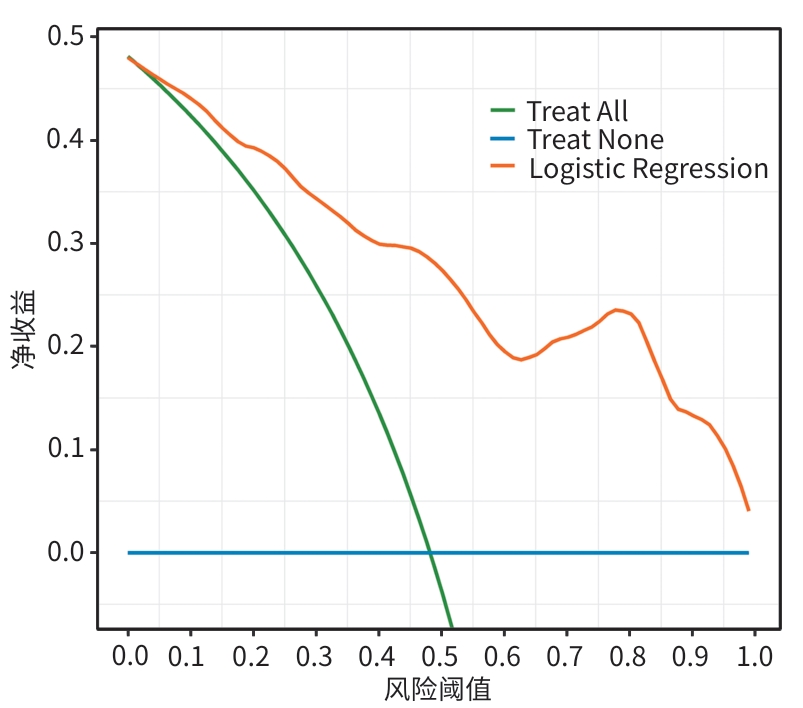
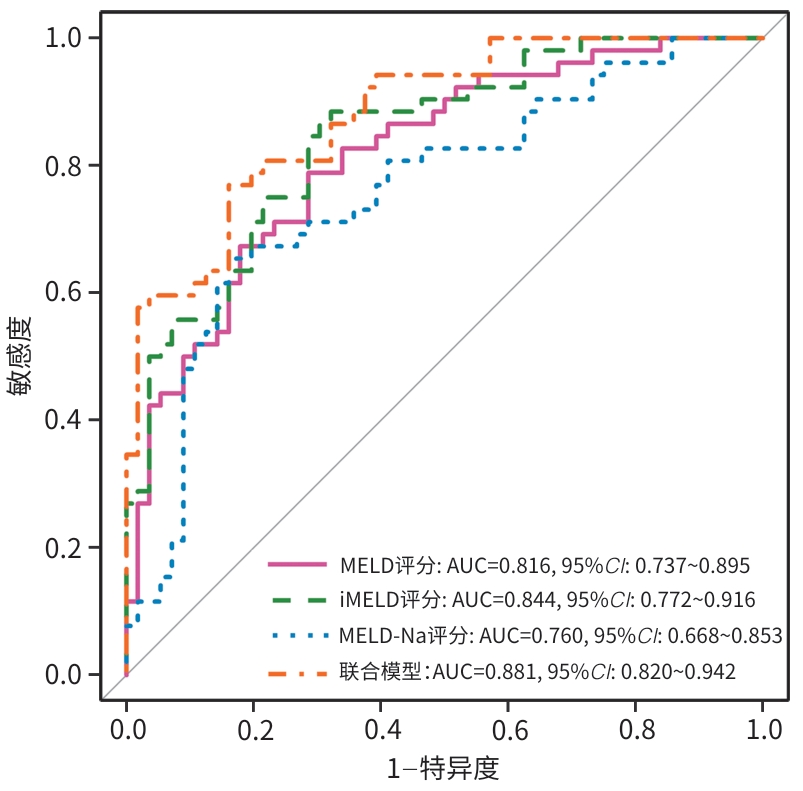
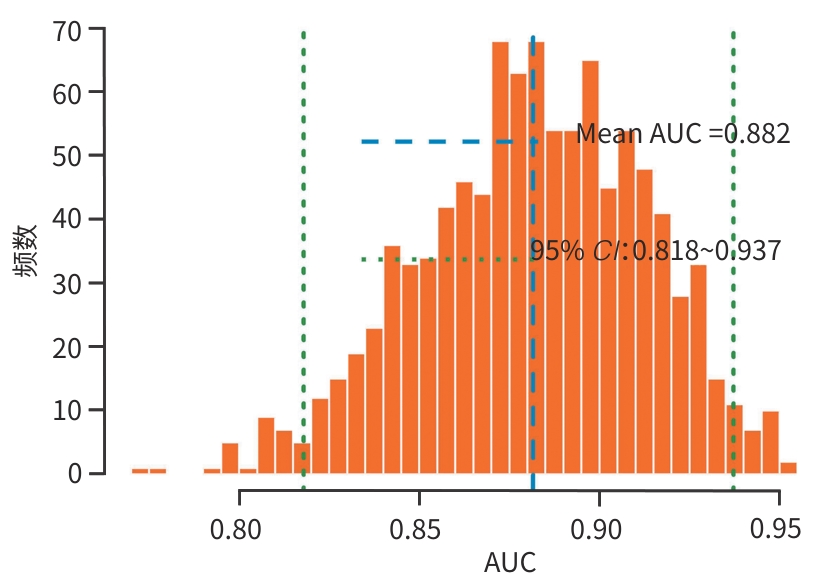
  Objective  To investigate the correlation of serum iron and serum creatinine/cystatin C ratio (CCR) with the 12-week prognosis of alcohol-related acute-on-chronic liver failure (ACLF), to construct a predictive model, and to improve the predictive accuracy for the prognosis of alcohol-related ACLF.  Methods  A total of 108 patients with alcohol-related ACLF and complete clinical data who were admitted to Department of Hepatology and Infectious Diseases, Guizhou Provincial People’s Hospital, from May 2020 to May 2024 were enrolled in this study. The patients were followed up for 12 weeks and were divided into survival group and death group according to their prognosis. Clinical data were collected from all patients to investigate the independent influencing factors for the 12-week prognosis of patients with alcohol-related ACLF. The independent-samples t test was used for comparison of normally distributed continuous data between two groups, and the Mann-Whitney U test was used for comparison of non-normally distributed continuous data between two groups; the chi-square test was used for comparison of categorical data between two groups. The logistic regression analysis was used to identify the risk factors for the 12-week prognosis of patients with alcohol-related ACLF, and a predictive model was constructed based on these factors. R language was used for model fitting, and a nomogram was plotted for visualization. The receiver operating characteristic (ROC) curve was used to assess the discriminatory ability of the model, and the area under the ROC curve (AUC) was calculated. The calibration curve and the Hosmer-Lemeshow goodness-of-fit test were used to assess the calibration of the model, and decision curve analysis (DCA) was used to assess the clinical applicability of the model. The internal validation method (the Bootstrap method) was used to assess the internal stability and generalization ability of the model.  Results  Among the 108 patients with alcohol-related ACLF, 52 patients survived and 56 patients died after follow-up for 12 weeks. Compared with the survival group, the death group had significantly higher age, international normalized ratio, total bilirubin, serum iron, CCR, Model for End-Stage Liver Disease (MELD) score, integrated MELD (iMELD) score, MELD combined with serum sodium concentration (MELD-Na) score and significantly lower albumin and prothrombin activity (all P<0.05). The multivariate logistic regression analysis showed that serum iron (odds ratio [OR]=1.103, P=0.001), CCR(OR=1.049, P=0.029), and MELD score (OR=1.272, P<0.001) were independent influencing factors for the 12-week prognosis of patients with alcohol-related ACLF, and a combined predictive model and a nomogram were constructed based on these factors. The ROC curve analysis showed that the model had an AUC of 0.881, a specificity of 0.839, and a sensitivity of 0.769, with a higher AUC than MELD score, iMELD score, and MELD-Na score. The calibration curve aligned closely with the reference diagonal, reflecting good consistency between the predicted and observed values. The DCA curve showed that the combined model achieved greater net benefit than the treat-all and treat-none strategies within the threshold range of 5% — 95%, suggesting that the model had good clinical practicability. Internal validation showed a mean AUC of 0.882, which was basically consistent with the AUC of the model in the ROC curve, suggesting that the model had good internal stability and generalization ability.  Conclusion  Compared with MELD score and its modified scoring systems, the model combining serum iron, CCR, and MELD score shows the best performance in predicting the 12-week prognosis of patients with alcohol-related ACLF.

Ameliorative effect of isopimaric acid in a mouse model of alcoholic liver disease and its mechanism
Ao Guo, Guoliang Liu, Ligang Jiang, Tiecheng Liu
2026, 42(10): 2431-2440. DOI: 10.12449/JCH261025
Abstract:
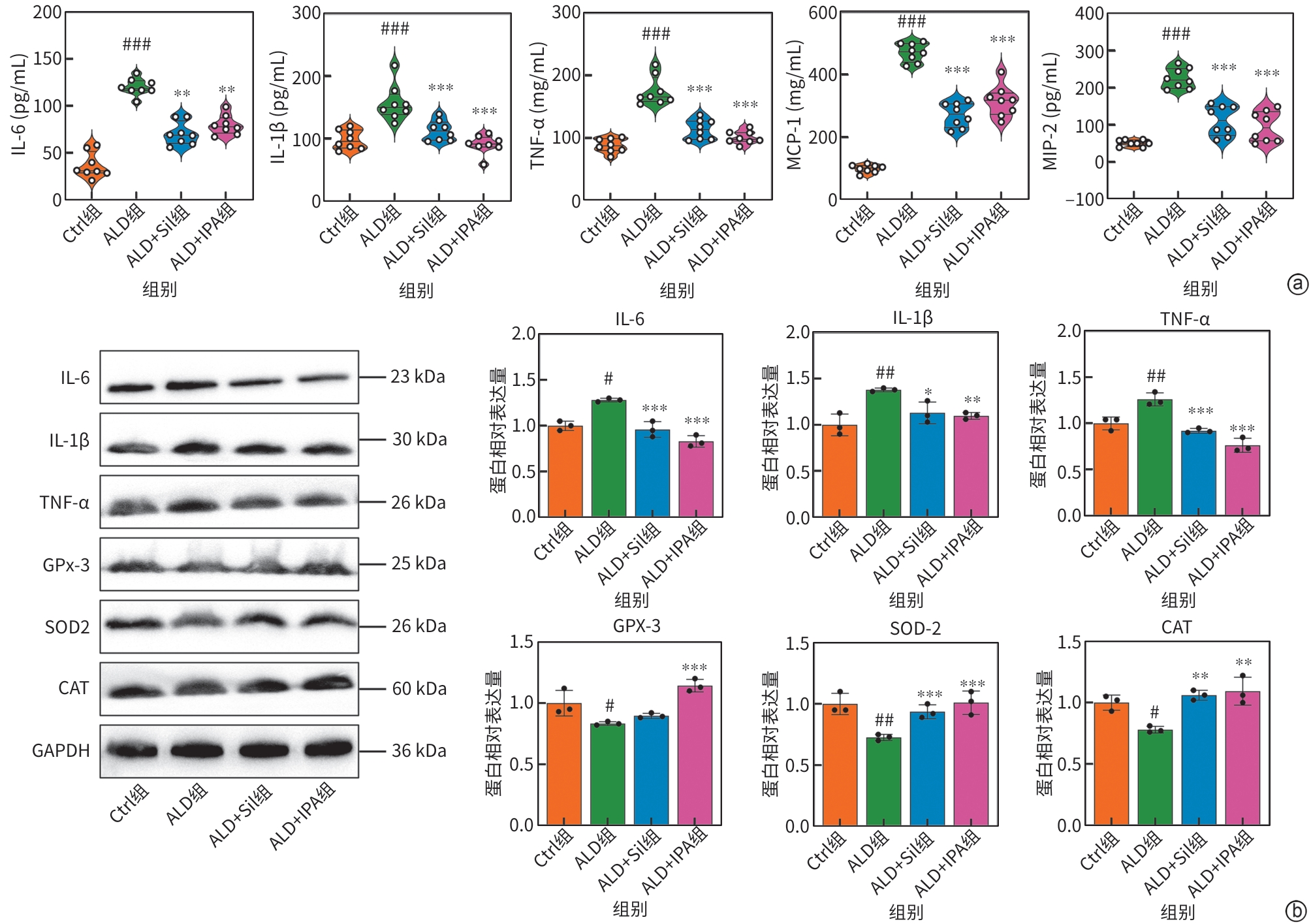
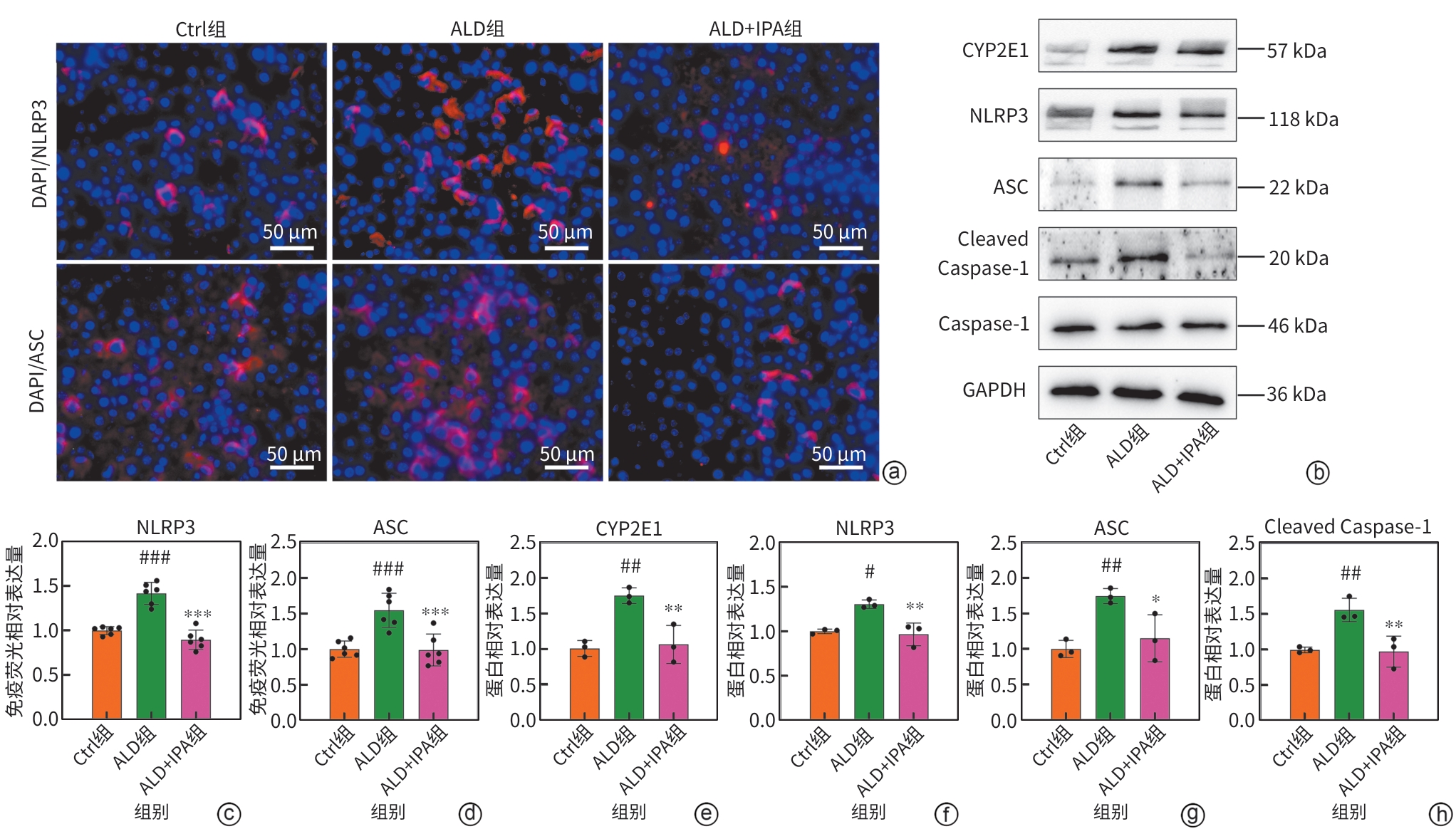
  Objective  To investigate the effect of isopimaric acid (IPA) in improving alcoholic liver disease (ALD) in mice and its mechanism, and to evaluate its safety in major organs.  Methods  A total of 48 male C57BL/6 mice were randomly divided into a control group, an ALD model group, a silymarin intervention group, and an IPA intervention group, with 12 mice in each group. Liver pathomorphology, the expression level of cytochrome P450 2E1 (CYP2E1), the activity of alcohol-metabolizing enzymes, and serum markers of liver injury were measured; the pathomorphological changes in heart, spleen, kidney, and lung tissues were observed; the serum levels of inflammatory factors and the protein expression levels of hepatic antioxidant enzymes and inflammatory factors were measured; 16S rRNA sequencing was used to analyze the structural characteristics of intestinal flora; immunofluorescence assay and Western blot were used to detect the activation of the NOD-like receptor protein 3 (NLRP3) inflammasome. A one-way analysis of variance was used for comparison of measurement data between multiple groups, and the least significant difference t-test was used for comparison between two groups.  Results  HE staining showed that the mice in the ALD group had macrovesicular steatosis in the liver and a large number of lipid droplet vacuoles in the cytoplasm of hepatocytes; IPA intervention alleviated the degree of hepatocyte steatosis and reduced the number and volume of lipid droplets, with a basically normal structure of hepatocytes. Immunofluorescence assay and quantitative analysis showed that there was a significant reduction in the expression of CYP2E1 after IPA intervention (P<0.001). IPA intervention significantly restored the activities of alcohol dehydrogenase, acetaldehyde dehydrogenase, and gamma-glutamyl transferase in liver tissue and significantly reduced the serum levels of aspartate aminotransferase and alanine aminotransferase and their ratio (all P<0.01). The measurement of inflammatory factors showed that IPA intervention significantly reduced the serum levels of interleukin-6, interleukin-1β, tumor necrosis factor-α, monocyte chemoattractant protein-1, and macrophage inflammatory protein-2 (all P<0.01), and the results of Western blot showed that after IPA intervention, there were significant reductions in the protein expression levels of interleukin-6, interleukin-1β, and tumor necrosis factor-α and significant increases in the protein expression levels of glutathione peroxidase 3, superoxide dismutase 2, and catalase in liver tissue (all P<0.01). Moreover, IPA significantly improved the diversity of intestinal flora and enriched the beneficial bacterial genera Allobaculum and Akkermansia (all P<0.01). Immunofluorescence staining showed significant reductions in the fluorescence intensities of NLRP3 and apoptosis-associated speck-like protein containing CARD in the liver tissue of ALD mice after IPA intervention (both P<0.001). Western blot and quantitative analysis showed significant reductions in the protein expression levels of CYP2E1, NLRP3, apoptosis-associated speck-like protein containing CARD, and cleaved caspase-1 in the liver tissue of ALD mice after IPA intervention (all P<0.05).  Conclusion  IPA alleviates ALD by suppressing oxidative stress, alleviating inflammatory responses, regulating intestinal flora, and inhibiting activation of the NLRP3 inflammasome, with a favorable safety profile in major organs, and therefore, it provides a new strategy for the prevention and treatment of ALD.
Biliary Disease
Construction of a nomogram model for acute kidney injury in elderly patients with acute obstructive suppurative cholangitis and liver injury based on human neutrophil lipocalin
Ci Wang, Yang Li, Dong Li, Ruijiao Du
2026, 42(10): 2441-2447. DOI: 10.12449/JCH261026
Abstract:
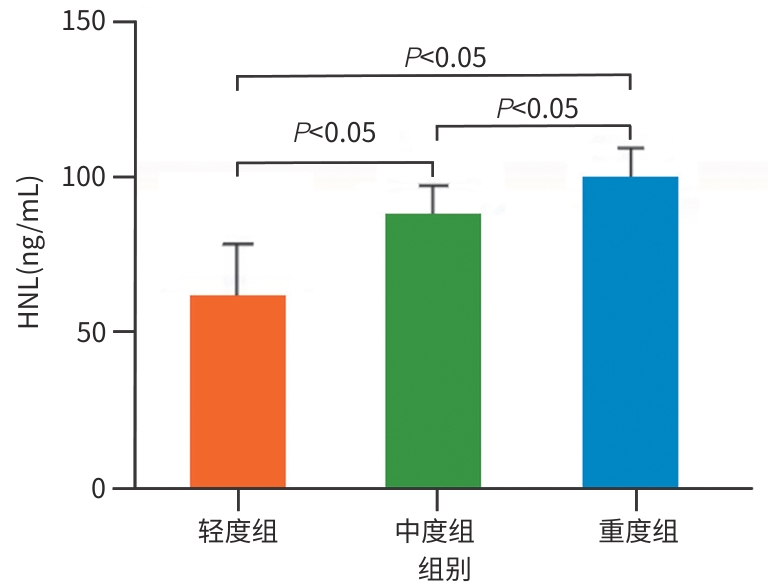
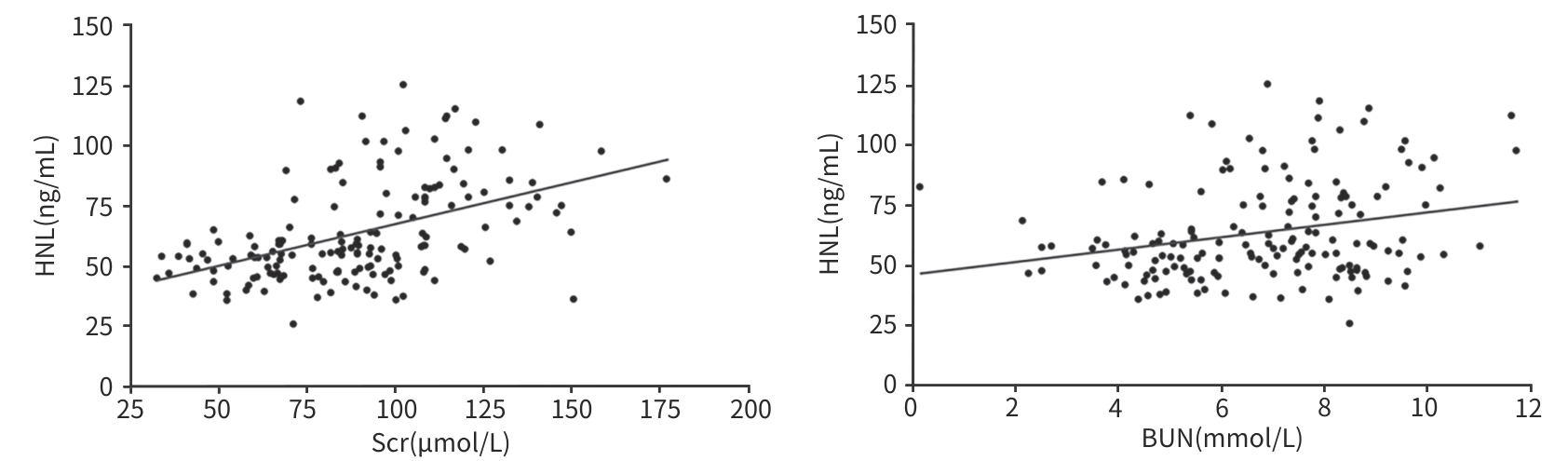
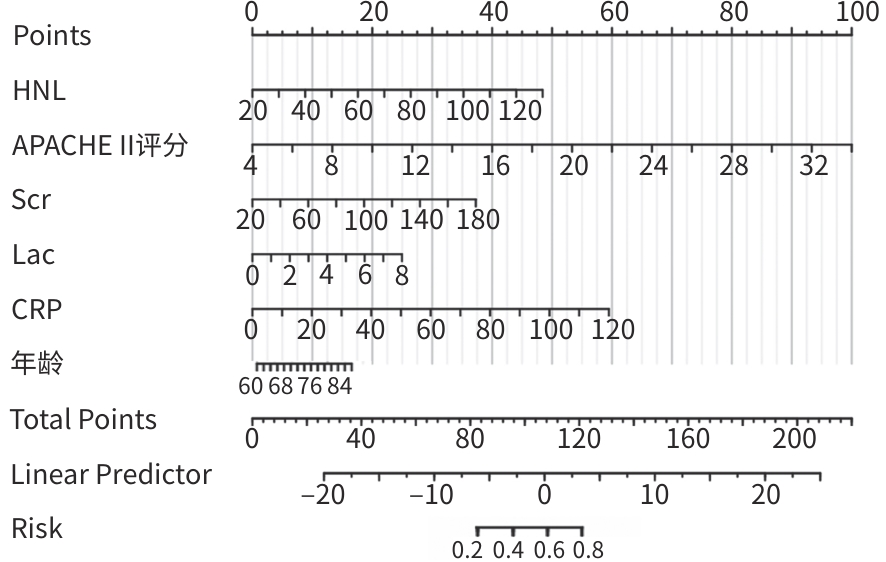
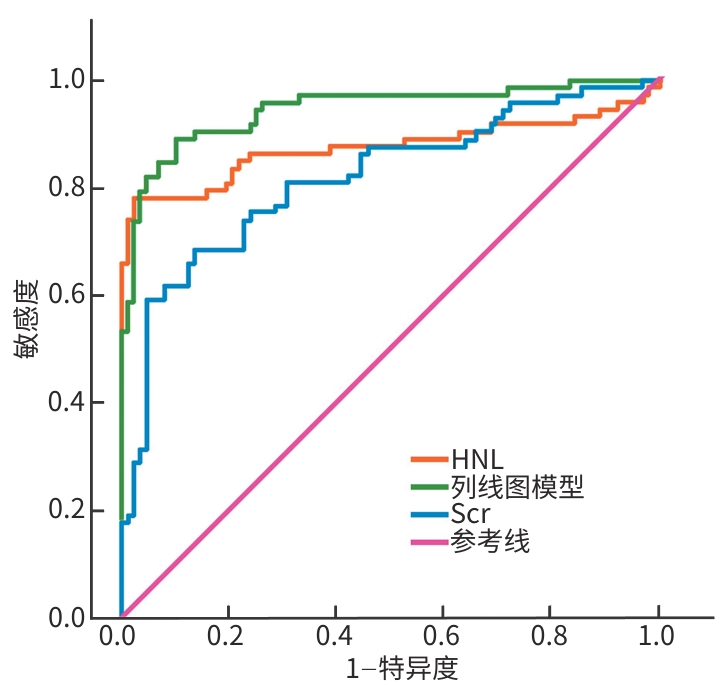
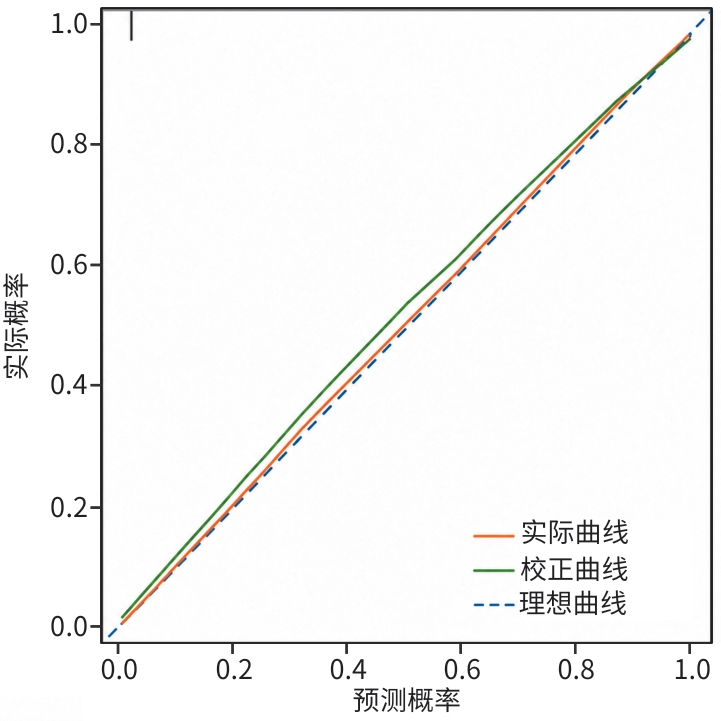
  Objective  To construct a clinical prediction model based on human neutrophil lipocalin (HNL) and other related indicators, and to investigate its application value in the early diagnosis of acute kidney injury (AKI) in elderly patients with acute obstructive suppurative cholangitis (AOSC) and liver injury.  Methods  A total of 161 elderly patients with AOSC and liver injury who were admitted to The 980th Hospital of Joint Logistic Support Force of Chinese People’s Liberation Army from April 2022 to June 2025 were enrolled, and according to the presence or absence of AKI, they were divided into AKI group with 73 patients and non-AKI group with 88 patients. According to the severity of AKI, the AKI group was further divided into mild group with 35 patients, moderate group with 25 patients, and severe group with 13 patients. ELISA was used to measure the serum level of HNL, and related clinical data and biochemical parameters were collected to analyze the influencing factors for AKI in patients with AOSC and liver injury. The independent samples t-test was used for comparison of normally distributed continuous data between two groups; the Kruskal-Wallis H test was used for comparison of ranked data between multiple groups; the chi-square test was used for comparison of categorical data between groups. The Pearson correlation analysis was used to investigate the correlation of serum HNL level with renal function parameters such as serum creatinine (Scr) and blood urea nitrogen (BUN). The multivariate Logistic regression analyses was used to identify independent influencing factors for AKI in the patients with AOSC and liver injury, and a nomogram was constructed based on the results of the multivariate Logistic regression analysis. The receiver operating characteristic (ROC) curve and the area under the ROC curve (AUC) were used to assess the predictive performance of the model, and the DeLong test was used to compare the AUC of different predictive indicators. C-index, calibration curve, and the Hosmer-Lemeshow goodness-of-fit test were used to assess the discriminatory ability and calibration of the nomogram model.  Results  The AKI group had a significantly higher serum level of HNL than the non-AKI group (t=11.087, P<0.001). There was a significant difference in the serum level of HNL across the patients with different severities of AKI (H=40.100, P<0.001); the moderate group and the severe group had a significantly higher serum level of HNL than the mild group, and the severe group had a significantly higher serum level of HNL than the moderate group (all P<0.05). The correlation analysis showed that the serum level of HNL was significantly positively correlated with Scr and BUN (r=0.473 and 0.258, both P<0.001). The multivariate Logistic regression analyses showed that HNL (odds ratio [OR]=4.362, 95% confidence interval [CI]: 1.526 — 12.473, P=0.006), Acute Physiology and Chronic Health Evaluation Ⅱ (APACHE Ⅱ) score (OR=4.595, 95%CI: 1.471 — 14.350, P=0.009), Scr (OR=4.894, 95%CI: 1.415 — 16.923, P=0.012), C-reactive protein (OR=4.141, 95%CI: 1.077 — 15.919, P=0.039), age (OR=4.958, 95%CI: 1.204 — 20.412, P=0.027), and lactate (OR=5.307, 95%CI: 1.264 — 22.281, P=0.023) were independent influencing factors for AKI in patients with AOSC and liver injury. A nomogram model was established based on the above results, and the ROC curve analysis showed that HNL, Scr, and the above nomogram model had an AUC of 0.875, 0.819, and 0.946, respectively, in predicting AKI in the patients with AOSC and liver injury, and the model had a significantly larger AUC than HNL and Scr (Z=-2.155 and -3.301, both P<0.05). The nomogram model had a C-index of 0.983 (P<0.05), and the goodness-of-fit test showed χ2=0.428 and P=0.895, suggesting that the model had relatively high accuracy and good fitness.  Conclusion  The nomogram model constructed based on HNL, APACHE Ⅱ score, Scr, C-reactive protein, age, and lactate can more comprehensively and accurately identify patients at a high risk of AKI and provides clinicians with a simple and intuitive risk assessment tool, so as to help with the early warning and individualized intervention of AKI in elderly patients with AOSC and liver injury.
Case Report
Clinical cure of a patient with HBeAg-negative chronic hepatitis B: A case report
Liu Yang, Min Liu, Jiawei Geng, An Xiao
2026, 42(10): 2448-2451. DOI: 10.12449/JCH261027
Abstract:
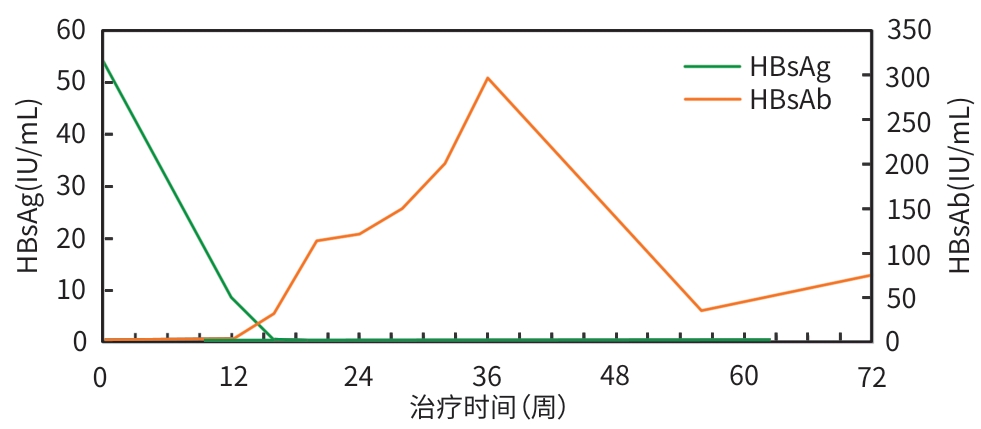
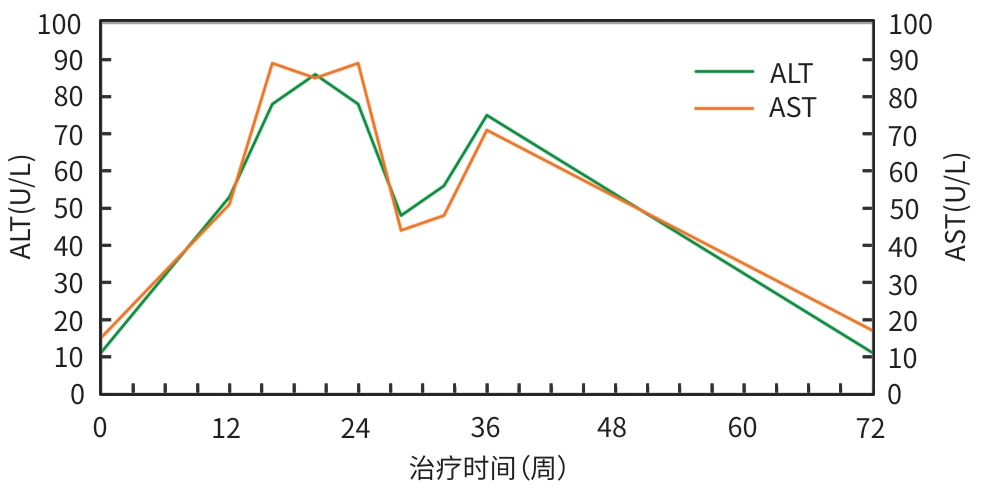
Pegylated interferon-α is a first-line therapeutic agent for chronic hepatitis B, and regimen optimization can help some patients achieve clinical cure. This article reports a 28-year-old treatment-naïve female patient with HBeAg-negative chronic hepatitis B who achieved hepatitis B surface antigen seroconversion after 24 weeks of combination therapy with pegylated interferon-α and nucleos(t)ide analogues; however, low-level hepatitis B virus replication persisted, and optimization of the treatment regimen finally helped to achieve clinical cure. High-quality clinical studies are needed to further validate and support the efficacy of this therapeutic strategy.
Review
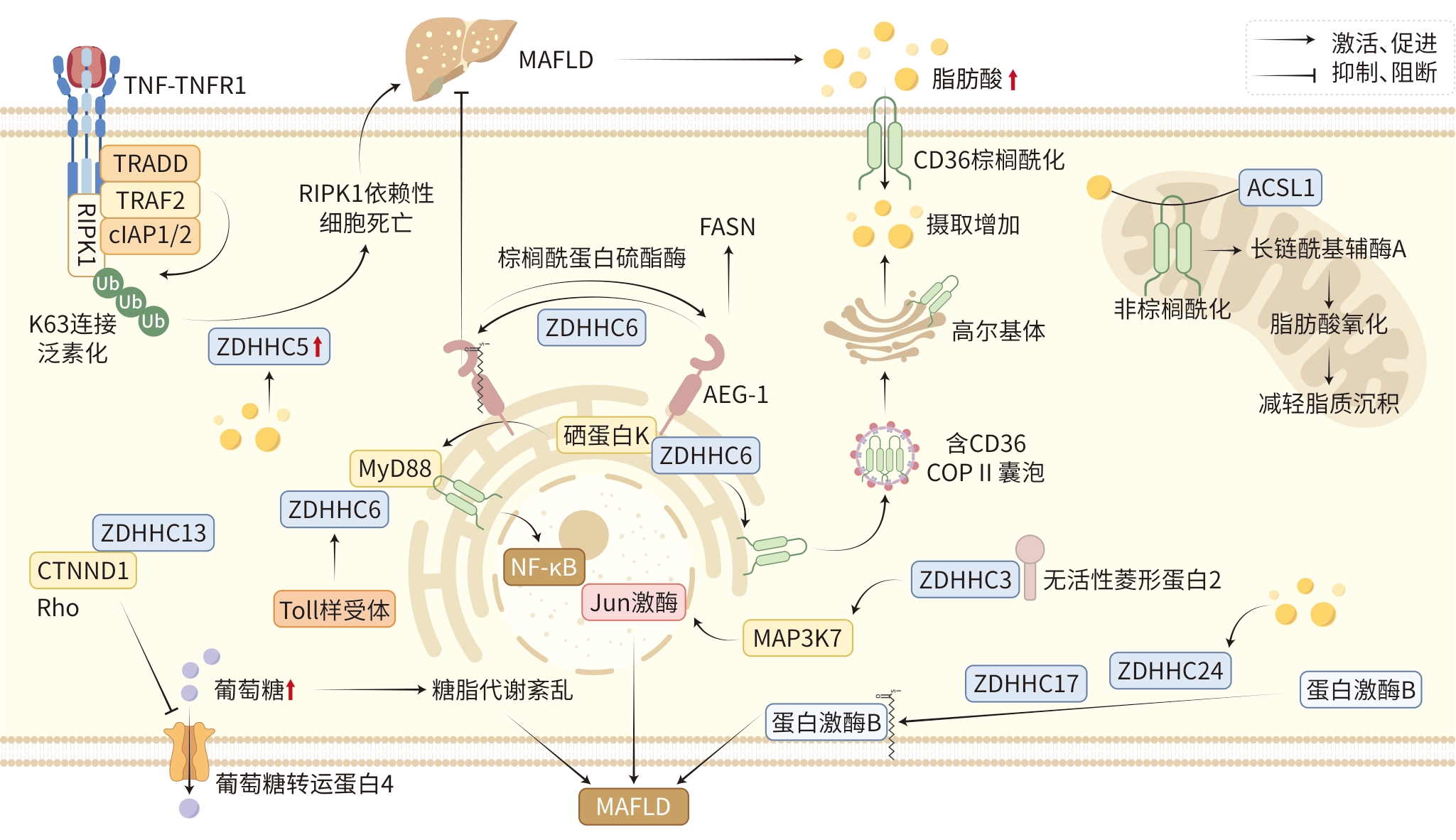
Mechanism of action of palmitoylation in metabolic dysfunction-associated fatty liver disease
Yuanyuan Zheng, Lihui Zhang, Sutong Liu, Chenlu Zhao, Wenxia Zhao
2026, 42(10): 2452-2458. DOI: 10.12449/JCH261028
Abstract:
Metabolic dysfunction-associated fatty liver disease (MAFLD) has the pathological feature of excessive fat accumulation caused by abnormal lipid metabolism in the liver. Palmitoylation is a post-translational protein modification involved in the development and progression of various diseases, and it is gradually recognized as a key regulator of lipid metabolism and inflammatory signaling. Palmitoylation influences signaling pathway transmission by dynamically regulating the stability, activity, and membrane localization of proteins associated with lipid metabolism, such as cluster of differentiation 36 and myeloid differentiation factor 88, thereby directly or indirectly participating in the pathological process of MAFLD. This article summarizes the role of palmitoylation in MAFLD and the regulatory mechanism of related signaling pathways, so as to provide a reference for clarification of the pathogenesis of MAFLD and clinical practice.
Mechanism of action of liver sinusoidal endothelial cells in mediating liver fibrosis regression
Rui Zeng, Zhengxin Li, Chenghai Liu
2026, 42(10): 2459-2464. DOI: 10.12449/JCH261029
Abstract:
Liver sinusoidal endothelial cells (LSECs) are core regulatory cells in the hepatic microenvironment, and the reversal of LSEC dedifferentiation is a key step in liver fibrosis regression. During the process of liver fibrosis regression, LSECs synergistically promote extracellular matrix degradation, hepatic structural repair, and vascular remodeling by restoring pore architecture, reducing capillarization, and inhibiting pathological angiogenesis, and they can also reestablish benign crosstalk with hepatocytes, hepatic stellate cells, and Kupffer cells. This article systematically reviews the pivotal role of LSEC-targeting therapy in liver fibrosis regression and outlines future research directions, in order to provide theoretical support for mechanistic studies and clinical interventions for liver fibrosis regression.
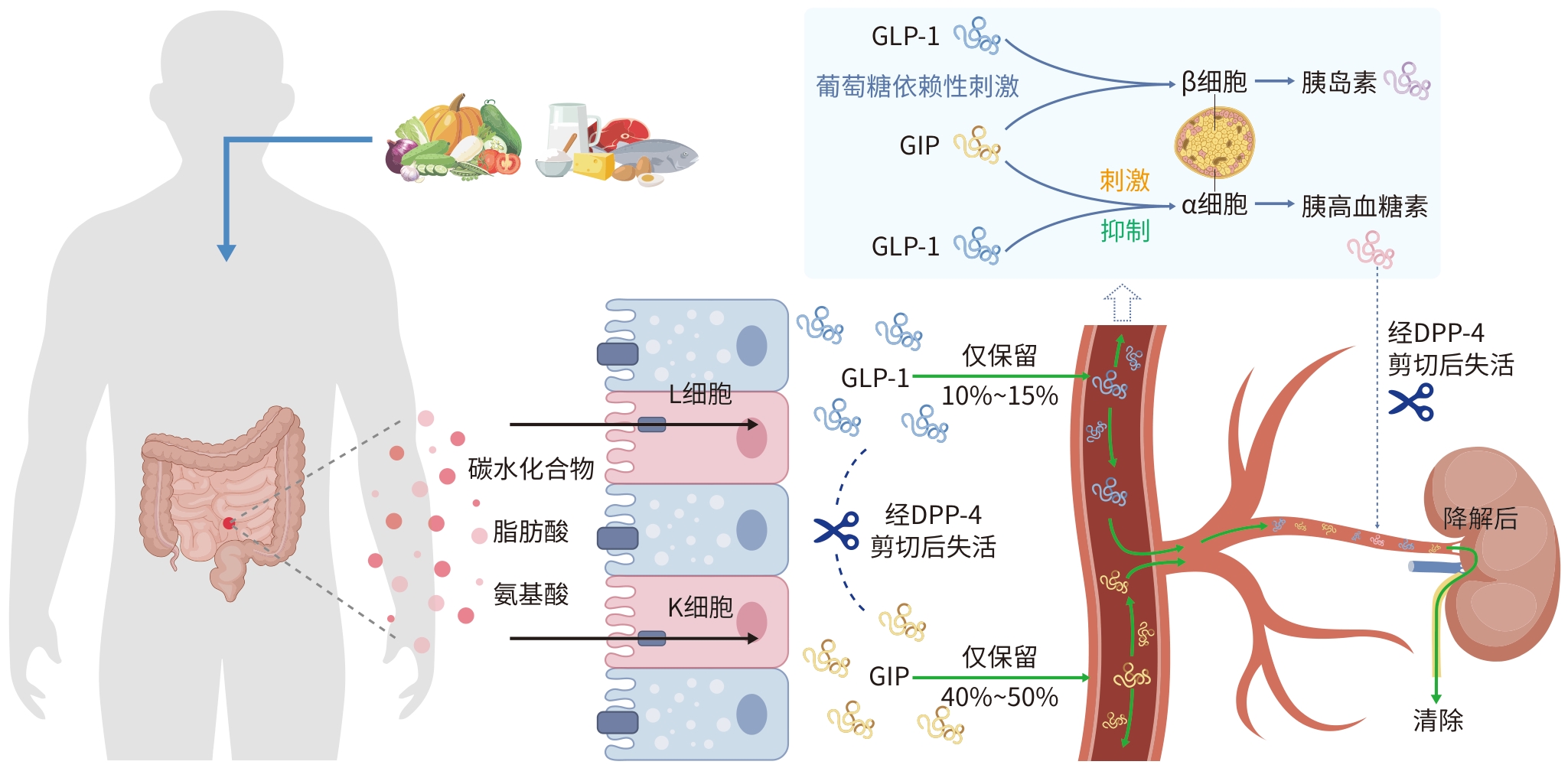
Role of glucagon-like peptide-1 in the development of liver cirrhosis-associated diabetes and targeted therapeutic strategies
Meichuan Li, Yujuan Liu, Han Hu, Shide Lin
2026, 42(10): 2465-2470. DOI: 10.12449/JCH261030
Abstract:
Disorder of glucose metabolism is a common complication in patients with liver cirrhosis, and its underlying mechanism has not been fully elucidated. Incretin hormones, especially glucagon-like peptide-1 (GLP-1), play an important role in postprandial blood glucose regulation and the development and progression of type 2 diabetes mellitus. Currently, there is still a lack of consistent findings regarding the changes in circulating GLP-1 level in patients with liver cirrhosis. In contrast, the evidence for an attenuated incretin effect in patients with liver cirrhosis is relatively consistent, which may be mainly associated with a reduced insulinotropic response of pancreatic β-cells to endogenous GLP-1. In addition, clinical evidence suggests that GLP-1 receptor agonists may delay disease progression and improve prognosis in liver cirrhosis of different etiologies. The above evidence suggests that abnormalities in GLP-1 level and the incretin effect may be involved in disorder of glucose metabolism and disease progression in liver cirrhosis. This article reviews the multiple roles of GLP-1 in the development of liver cirrhosis-associated diabetes and the progression of liver disease.
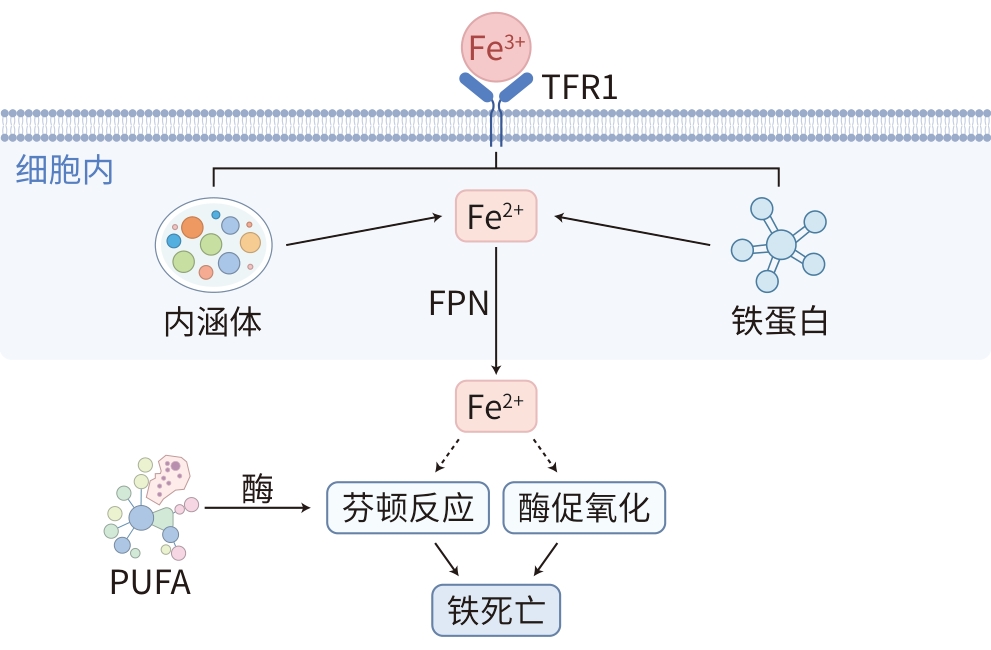
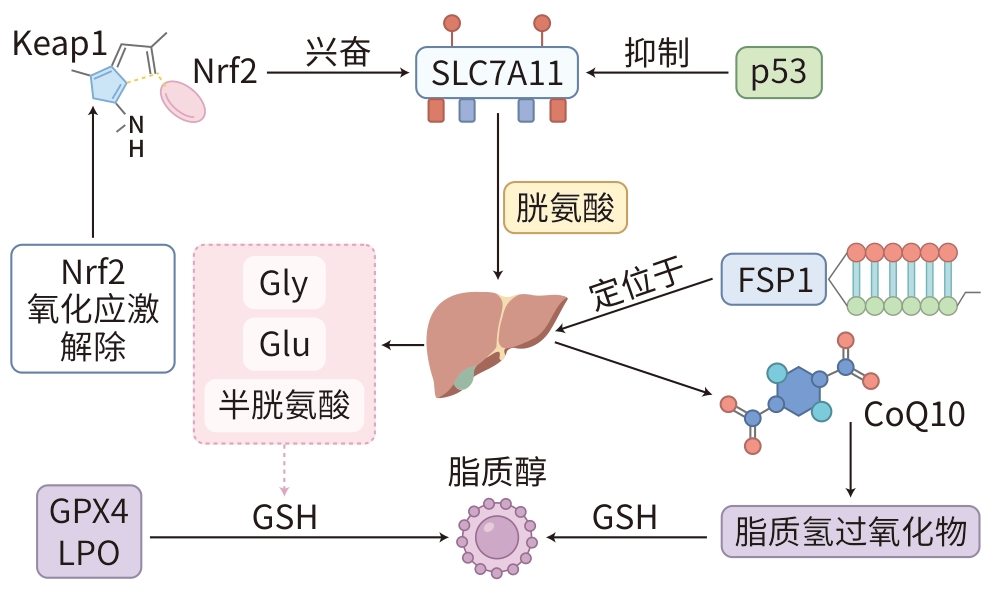
Mechanism of action of the active components of traditional Chinese medicine in the intervention of hepatocellular carcinoma based on ferroptosis
Jiayan Shen, Yueqiao Chen, Liyi Pan, Bin Wang, Jiamei Li
2026, 42(10): 2471-2477. DOI: 10.12449/JCH261031
Abstract:
Hepatocellular carcinoma (HCC) is a common malignant tumor of the digestive system, traditional Chinese medicine (TCM) has unique advantages in the treatment of tumors due to its characteristics of multiple components, multiple targets, and multiple pathways. Ferroptosis can effectively inhibit the proliferation of liver cancer cells, enhance tumor immunity, and overcome drug resistance in the body through multiple pathways including antioxidant metabolism, iron metabolism, lipid metabolism, oxidative stress, and signal pathway regulation. This article systematically elaborates on the association of ferroptosis-related pathways and signaling pathways with ferroptosis in liver cancer cells, explores the current research status of various active components of TCM in the intervention of HCC by regulating ferroptosis, and analyzes the regulatory pathways and related pathways of each component in ferroptosis, so as to provide a TCM perspective for the treatment of HCC.
Mechanism of action of growth differentiation factor 15 in hepatocellular carcinoma and related targeted therapeutic strategies
Dan Zhou, Xiaoqin Gao, Liting Zhang, Min Li, Shan Wang
2026, 42(10): 2478-2482. DOI: 10.12449/JCH261032
Abstract:
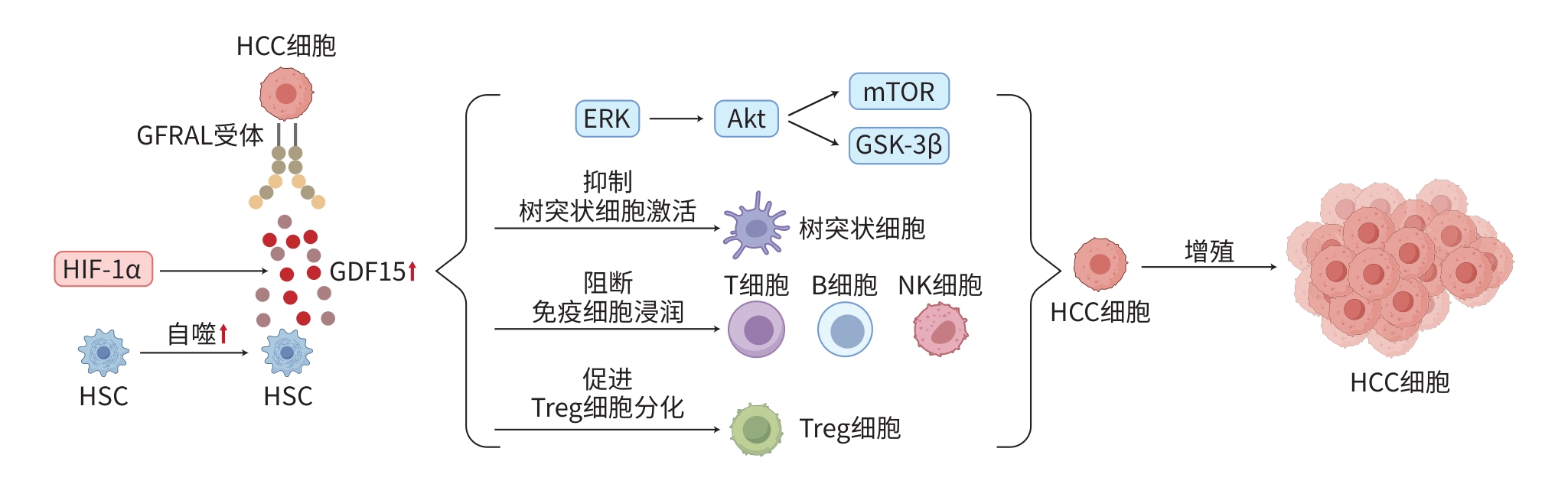
Hepatocellular carcinoma (HCC) ranks fifth among the most common malignant tumors globally and is the third leading cause of cancer-related deaths. Despite recent advances in the diagnosis and treatment of HCC, its prognosis remains unsatisfactory. As a member of the transforming growth factor-β superfamily, growth differentiation factor 15 (GDF15) has attracted great attention in the research on HCC and participates in the development, progression, and metastasis of tumors. Existing studies have confirmed that GDF15 can promote the development and progression of HCC through multiple mechanisms. This article systematically reviews the biological functions of GDF15, its mechanisms in the development and progression of HCC, its clinical value as a prognostic biomarker, and its potential as a therapeutic target, in order to provide new directions for basic and clinical research on HCC.
Regulatory mechanisms of liver cancer stem cell plasticity
Huiji Guo, Qinghang Meng, Yarong Wu, Zhaojie Zhang, Xiaohui Yu, Ying Zheng
2026, 42(10): 2483-2488. DOI: 10.12449/JCH261033
Abstract:
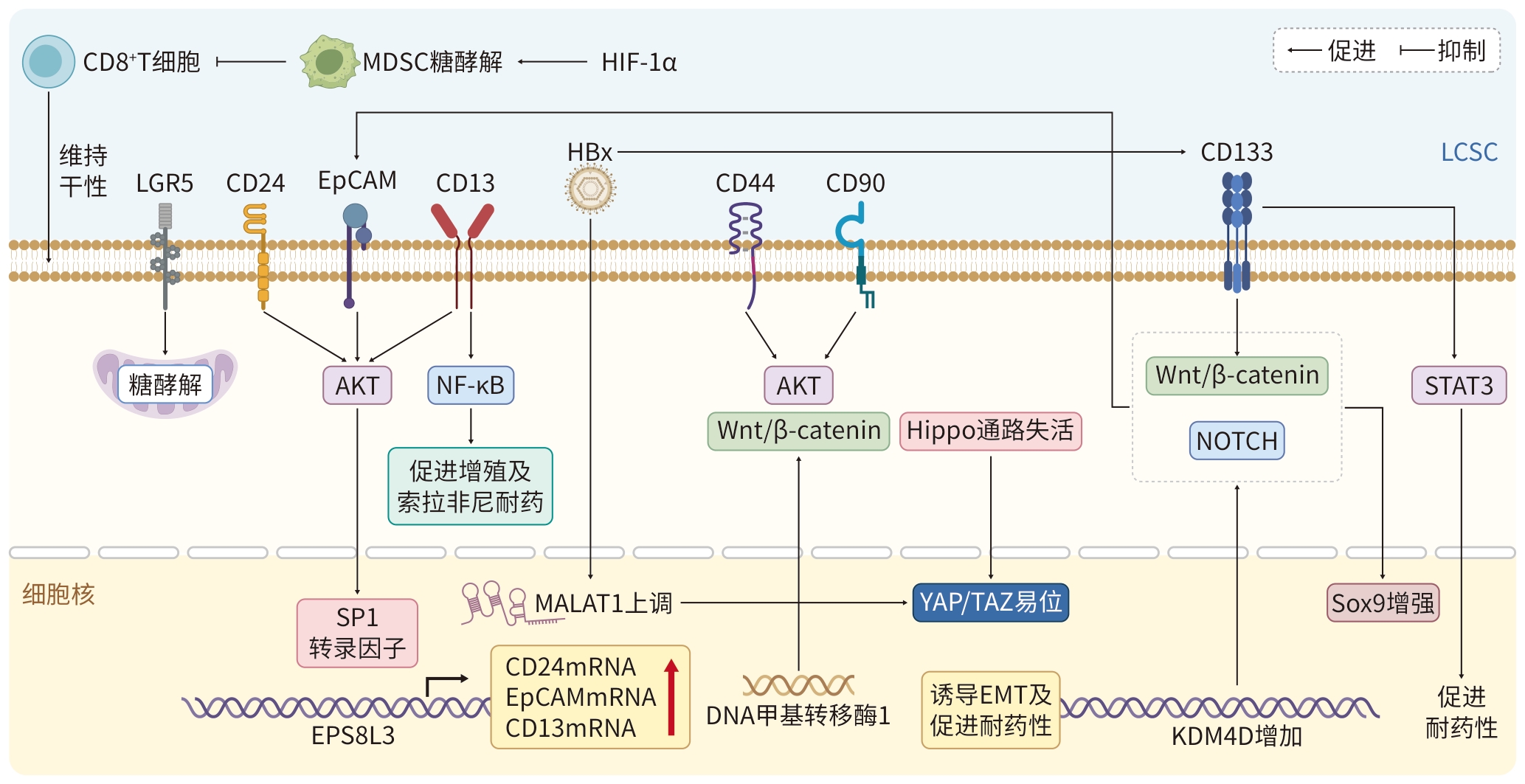
Liver cancer stem cells (LCSCs) are a subpopulation with stem cell properties in hepatocellular carcinoma (HCC), and their cellular plasticity is a key factor for maintaining heterogeneity and drug resistance in HCC. Therefore, a deep understanding of the biological characteristics of LCSCs and exploration of the mechanisms underlying LCSC plasticity are crucial for improving the prognosis of HCC patients. This article systematically reviews the core regulatory mechanisms of LCSC plasticity, including the expression of major surface markers, abnormal activation of signaling pathways, epigenetics, metabolic reprogramming, and tumor microenvironment, in order to provide theoretical support and new directions for precise treatment of HCC.
Regulatory mechanism and clinical application prospect of exosomal microRNAs in liver failure
Muyisier Aimaitijiang, Xiaobo Lu, Rongjiong Zheng
2026, 42(10): 2489-2493. DOI: 10.12449/JCH261034
Abstract:
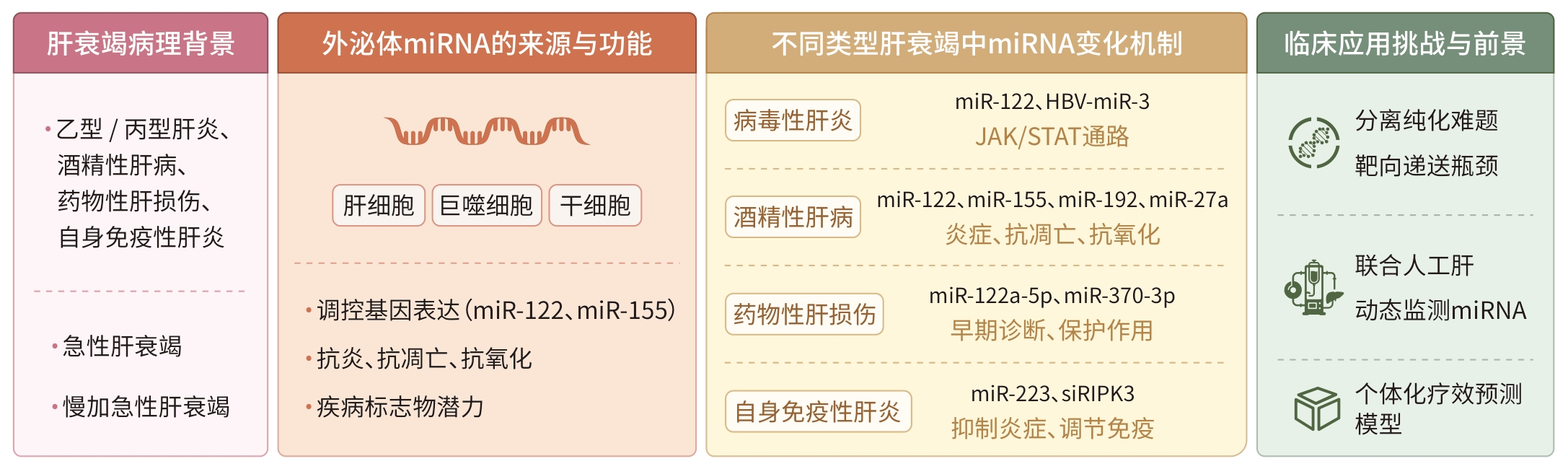
Liver failure is a severe clinical syndrome caused by various etiologies, and its development and progression are closely associated with the regulation by exosomes and the microRNAs (miRNAs) carried by exosomes. Studies have shown that in liver injury caused by various etiologies such as viral hepatitis, alcoholic liver disease, drug-induced liver injury, and autoimmune hepatitis, exosomes can deliver specific miRNAs (such as miR-122, miR-155, and miR-192) and regulate the processes including inflammatory response, cell death, immune response, and tissue repair, thereby affecting the progression of liver failure. Furthermore, exosomal miRNAs hold the potential as biomarkers for the early diagnosis and prognostic evaluation of liver failure and are also expected to become therapeutic targets for miRNA-based interventions. This article summarizes the mechanism of action of exosomal miRNAs in liver failure and explores the directions for their clinical translation, so as to provide a theoretical basis for the precise diagnosis and treatment of liver failure.
Role of the sphingosine kinase signaling pathway in chronic liver disease
Ming Zhou, Qinghua Peng, Hui Li
2026, 42(10): 2494-2500. DOI: 10.12449/JCH261035
Abstract:
Chronic liver disease refers to long-term progressive pathological changes in the liver caused by various factors, often developing from fatty degeneration and inflammatory changes into liver fibrosis and even liver cirrhosis and liver cancer. In recent years, a large number of studies have shown that the sphingosine kinase signaling pathway is closely associated with the development and progression of chronic liver disease, and regulating the mechanisms associated with this pathway can improve hepatic steatosis, inhibit inflammatory response, regulate hepatic stellate cell phenotype, reduce portal vein pressure, enhance hepatic microcirculation, and inhibit tumor growth. This review systematically reviews the latest research advances in the role of the sphingosine kinase signaling pathway in chronic liver disease, in order to provide a new theoretical basis for the research on chronic liver disease and the prevention and treatment of this disease.
Mechanism of action of the PTEN induced putative kinase 1/Parkin signaling pathway in hepatic ischemia-reperfusion injury
Chunlin Deng, Chuan Zhao, Zhi Zhong, Shanshan Jin, Tao Wang
2026, 42(10): 2501-2507. DOI: 10.12449/JCH261036
Abstract:
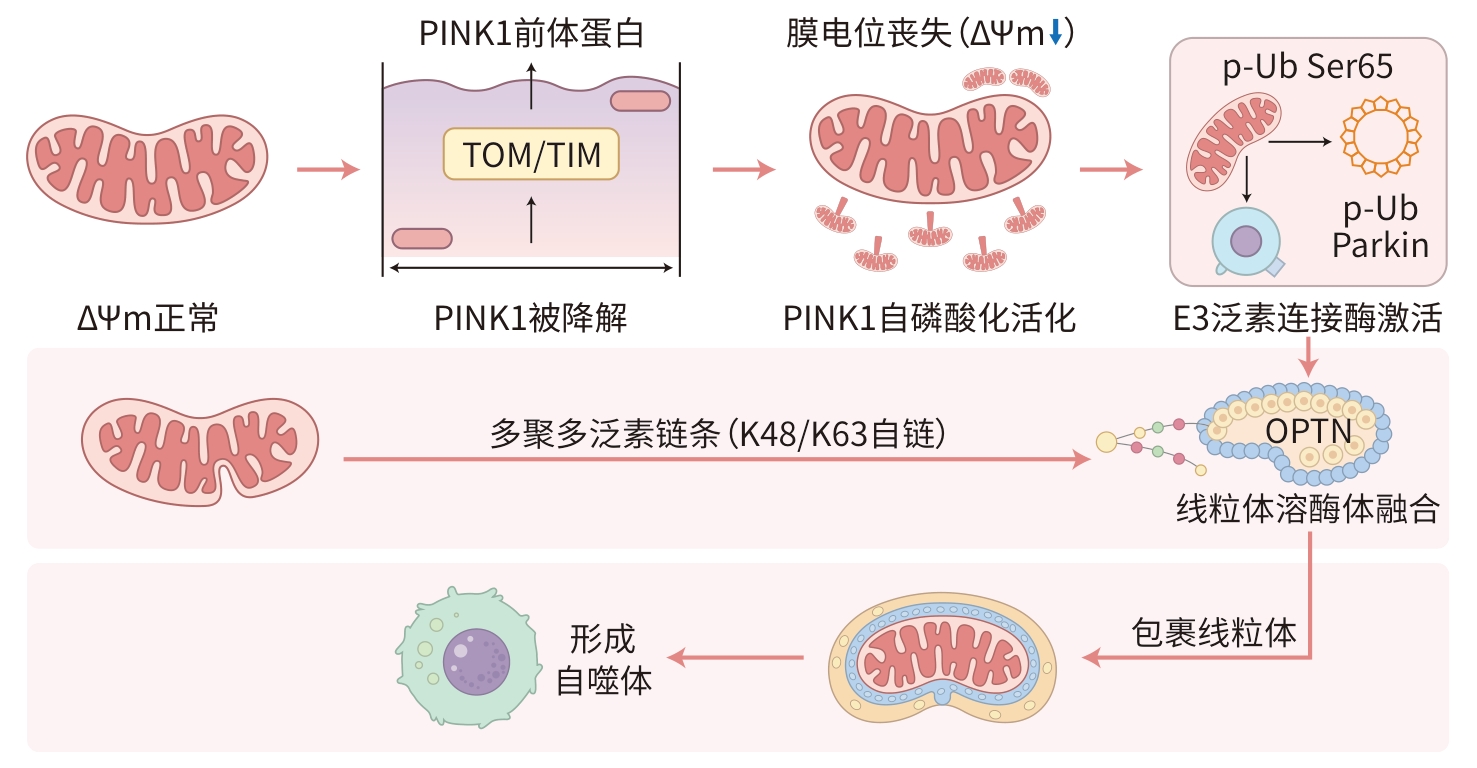
Hepatic ischemia-reperfusion injury (HIRI) is a major cause of liver dysfunction following hepatic surgery, liver transplantation, and shock, and its pathogenesis involves multiple pathophysiological processes such as mitochondrial dysfunction, oxidative stress, and cell death. In recent years, the PTEN induced putative kinase 1 (PINK1)/Parkin signaling pathway has been identified as a core mechanism regulating mitophagy, and it plays a pivotal role in maintaining mitochondrial homeostasis. This article systematically reviews the activation mechanisms of the PINK1/Parkin pathway in HIRI, with a focus on its role in clearing damaged mitochondria, suppressing inflammatory responses, and modulating cell death patterns, and furthermore, this article analyzes the feasibility and challenges of this signaling pathway as a potential therapeutic target for HIRI with reference to the latest research advances. Further elucidation of specific targeted intervention strategies for this pathway is expected to provide new ideas for the clinical prevention and treatment of HIRI.
Role of tissue-resident memory T cells in chronic pancreatitis
Jingjing Jin, Xiwang Wang, Ying Wang, Kai Wei, Shuo Dong, Zishuo Zhang, Xiao Wang
2026, 42(10): 2508-2512. DOI: 10.12449/JCH261037
Abstract:
Tissue-resident memory T cells (TRM) are a subset of memory T cells that reside in non-lymphoid tissue for a long time, exhibit limited recirculation, and can rapidly initiate local effector responses. In recent years, the role of TRM in infection defense, chronic inflammation, and tissue damage repair has attracted increasing attention. The pancreas is not traditionally considered an immune-enriched organ; however, studies have suggested that T-cell populations with tissue-resident features are present in pancreatic tissue and may contribute to the development and progression of chronic pancreatitis (CP). This article reviews the biological characteristics of pancreatic TRM, the characteristics of the pancreatic immune microenvironment, and the potential role of TRM in CP, so as to deepen the understanding of local immune mechanisms in CP and provide a reference for identifying therapeutic targets.
Introduction of High - quality Articles in Foreign Journals
Hepatology International|Exploratory analysis of transcriptionally active HBV-host chimeric transcript burden in patients with increasing HBsAg during long-term antiviral therapy
2026, 42(10): 2458-2458. DOI: 10.12449/JCH2610.gwqkjpwzjj1
Abstract:
Journal of Viral Hepatitis|Global, regional and national burden of viral hepatitis from 1990 to 2021 with forecasts to 2046: Findings from the Global Burden of Disease Study 2021
2026, 42(10): 2500-2500. DOI: 10.12449/JCH2610.gwqkjpwzjj2
Abstract:
Acknowledgements
Current reviewers
2026, 42(10): 2477-2477. DOI: 10.12449/JCH2610.zhixie
Abstract: