中文|English
ISSN 1001-5256 (Print)
ISSN 2097-3497 (Online)
CN 22-1108/R
Volume 42 Issue 10
Oct.  2026
Turn off MathJax
Article Contents

Effect and mechanism of Guizhi Fuling pill on a rat model with liver fibrosis

DOI: 10.12449/JCH261021
Research funding:

National Natural Science Foundation of China (82505555);

Tianjin Municipal Education Commission Scientific Research Program (2022KJ271);

Tianjin Municipal Health Commission Traditional Chinese Medicine and Integrated Chinese-Western Medicine Research Project (2025111);

Tianjin Medical Key Cultivation Discipline (TJYXZDXK-3-028C)

More Information
  • Corresponding author: Liu Junjian, nkyyljj2022@163.com (ORCID: 0000-0002-2754-8602)
  • Received Date: 2026-01-30
  • Accepted Date: 2026-07-03
  • Published Date: 2026-10-25
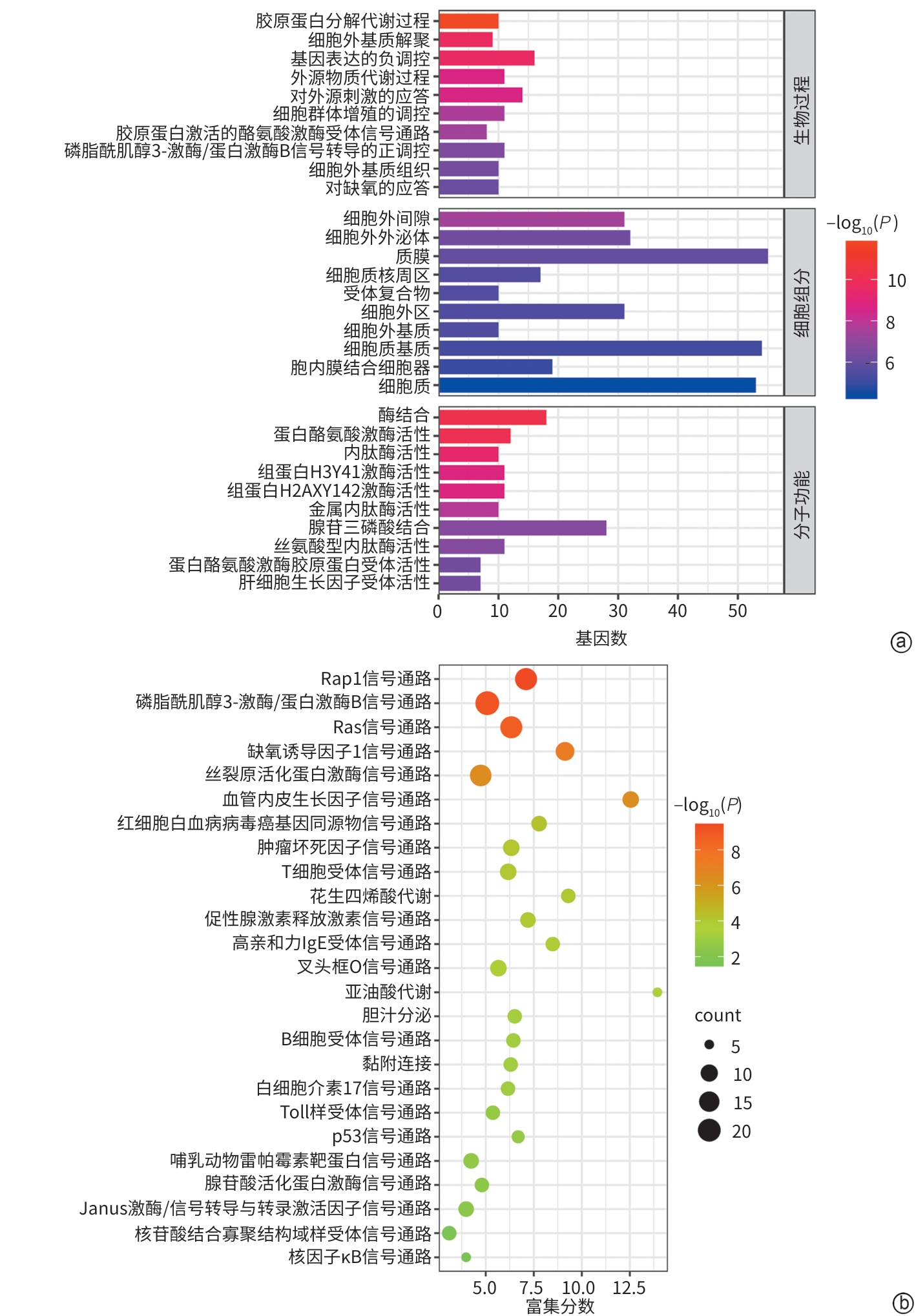
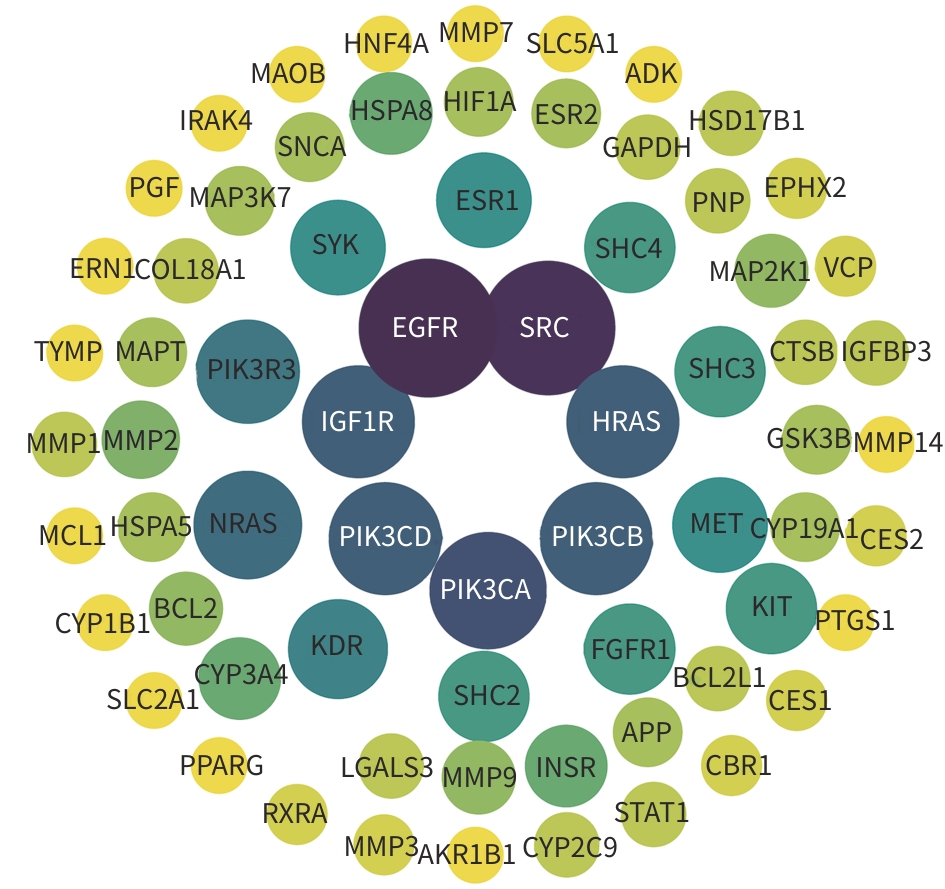
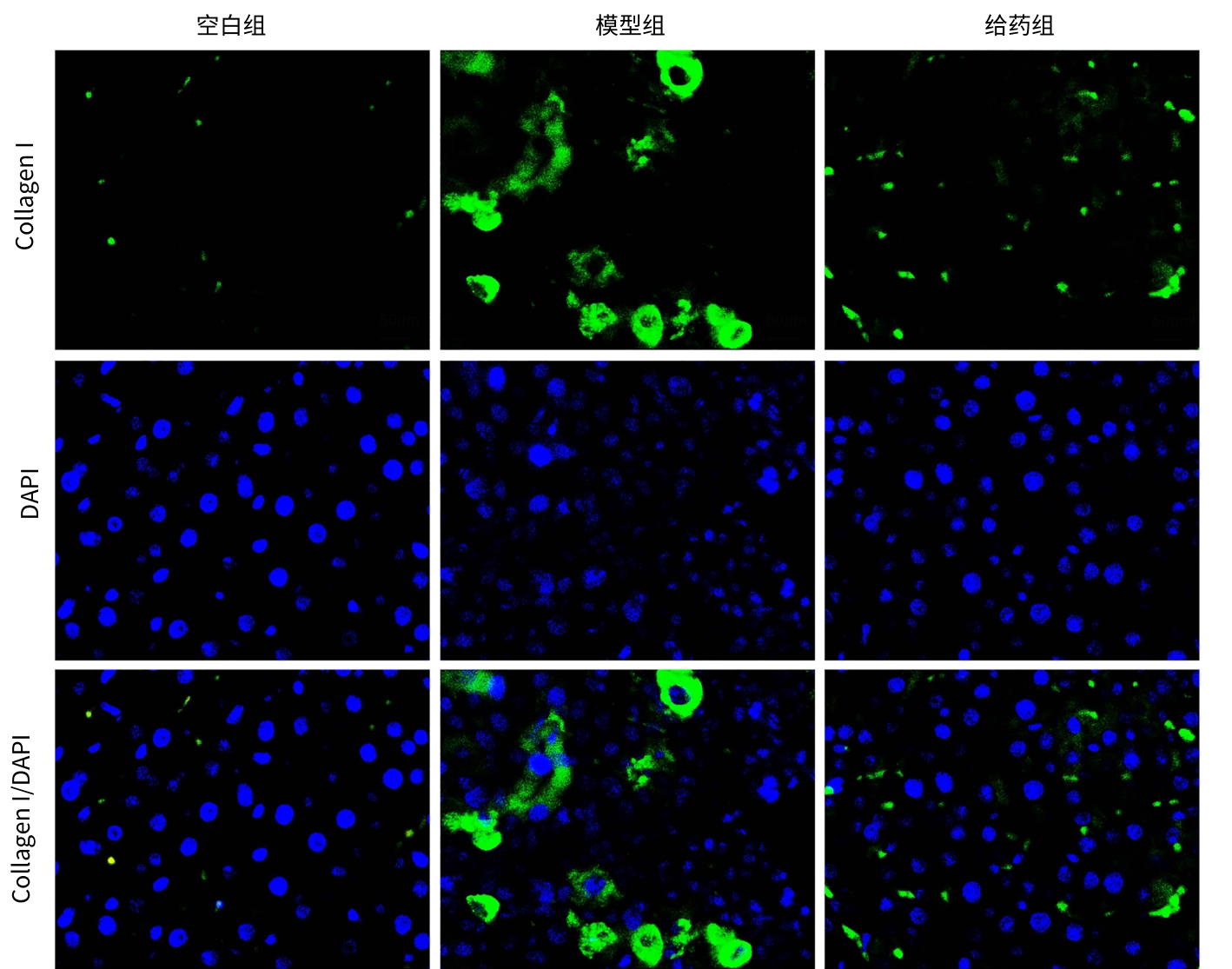
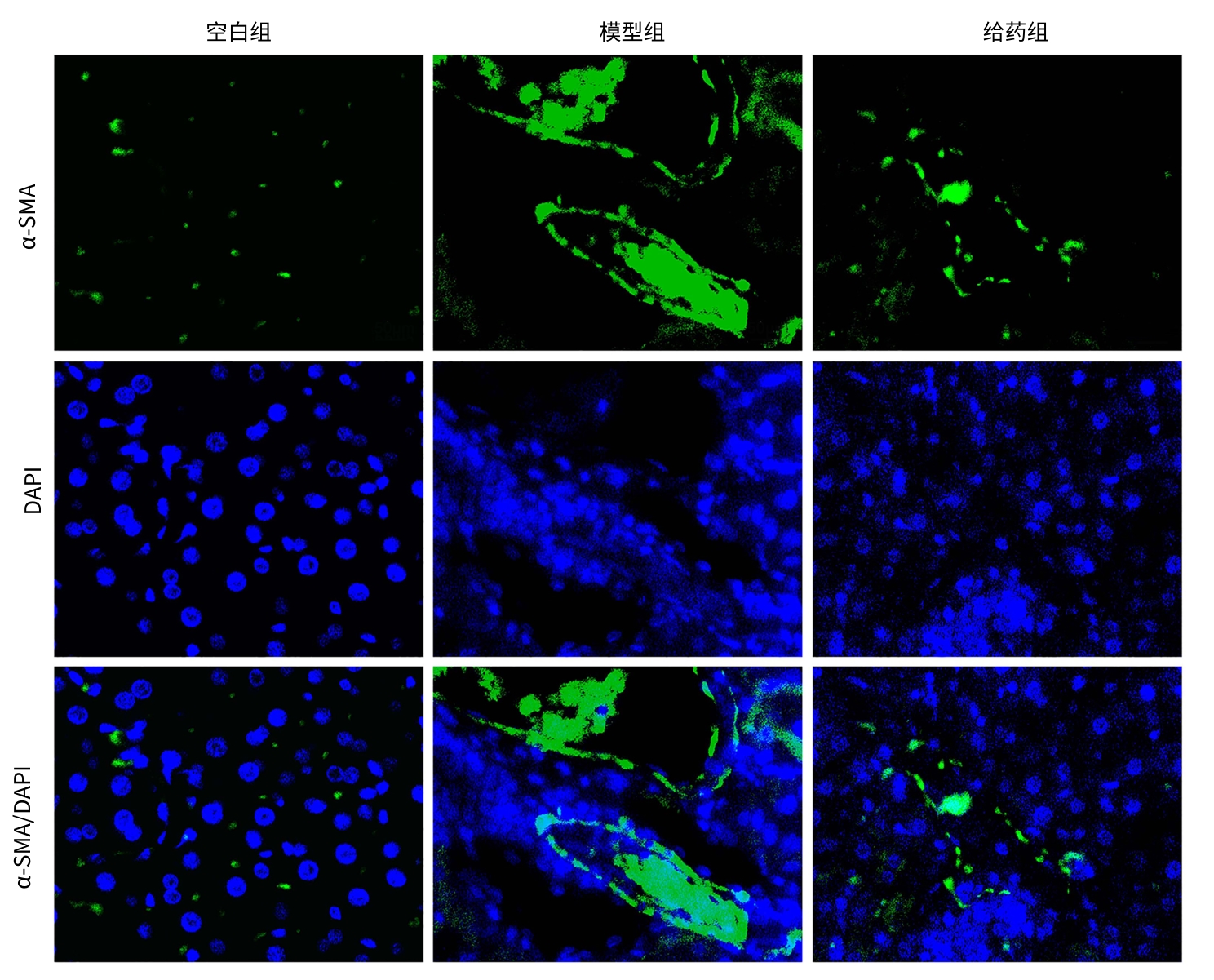
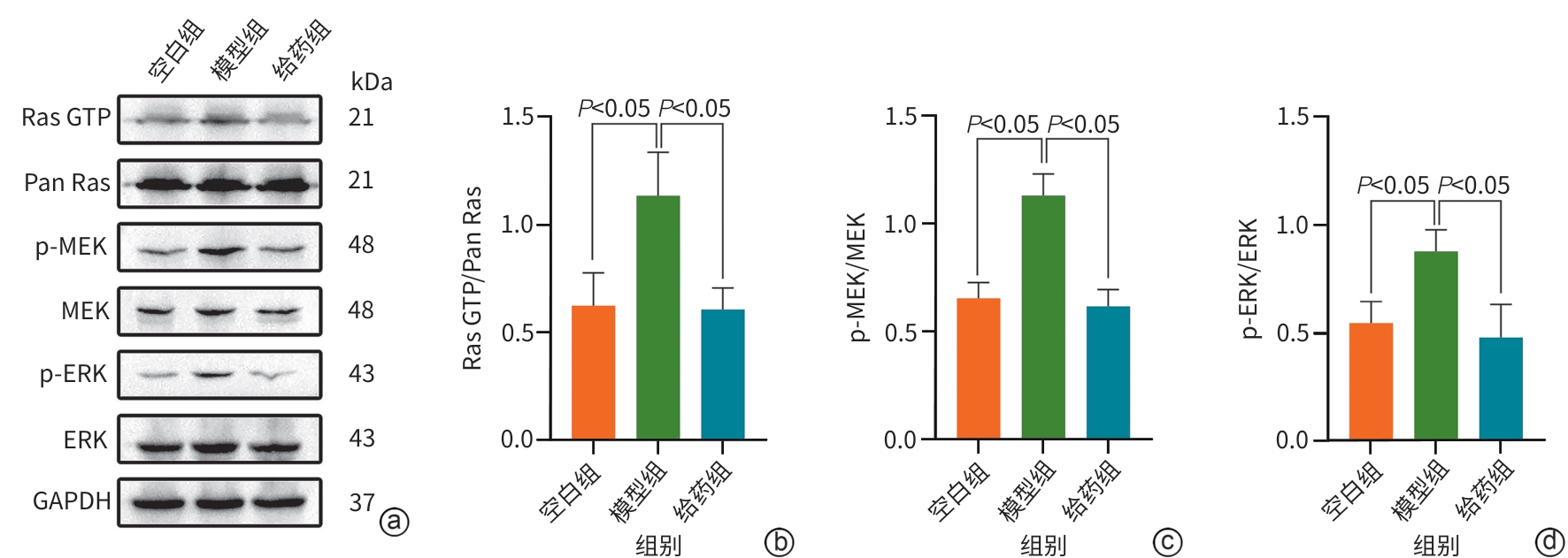
  •   Objective  To investigate the anti-liver fibrosis (LF) effect of Guizhi Fuling Pill (GFP) and its potential mechanism through a bioinformatics analysis of the blood-entry components of GFP.  Methods  A total of 6 Sprague-Dawley rats were randomly divided into normal group and GFP gavage group, with 3 rats in each group, and the rats in the GFP gavage group were given intragastric administration of GFP at a concentration of 0.9 g/mL. Plasma samples were collected from all rats after 3 days, and liquid chromatography-tandem mass spectrometry combined with chromatographic peak comparison was used to identify the blood-entry components of GFP. A bioinformatics analysis was performed to identify the intersecting targets between the blood-entry components of GFP and LF, and enrichment analyses and visualization were performed to predict the molecular mechanism of GFP against LF. A total of 18 Sprague-Dawley rats, aged 6 weeks, were randomly divided into blank group, model group, and treatment group, with 6 rats in each group. The rats in the model group and the treatment group were given intraperitoneal injection of CCl4 for 8 weeks to establish a model of LF, and since week 4, the rats in the treatment group were given GFP by gavage at a concentration of 0.9 g/mL for 4 consecutive weeks. Then all rats were sacrificed for sample collection. HE staining was used to observe the pathological morphology of rat liver tissue, and Masson staining was used to observe collagen deposition in rat liver tissue; ELISA was used to measure the serum levels of alanine aminotransferase (ALT), aspartate aminotransferase (AST) and hydroxyproline (HYP); immunofluorescent staining was used to measure the expression levels of collagen Ⅰ and α-smooth muscle actin (α-SMA) in liver tissue; Western blot was used to measure the expression levels of the proteins associated with the rat sarcoma(Ras)/mitogen-activated extracellular signal regulated kinase(MEK)/extracellular signal-regulated kinase(ERK) signaling pathway. A one-way analysis of variance was used for comparison of measurement data between multiple groups, and the least significant difference t-test was used for comparison between two groups.  Results  The blood-entry components of GFP were argininosuccinic acid, gericudranin A, 4-methoxyphlorizin, and naringenin, with 156 corresponding targets, and a total of 6 734 targets were associated with LF, resulting in 113 intersecting targets. The bioinformatics analysis showed that the blood-entry components of GFP might exert a therapeutic effect on LF by regulating the signaling pathways including Rap1, PI3K-Akt, and Ras. There were significant differences between the blank group, the model group, and the treatment group in liver weight (F=67.43, P<0.001), body weight (F=49.49, P<0.001), and liver coefficient (F=93.74, P<0.001), and compared with the model group, the treatment group had significant reductions in liver weight and body weight and a significant improvement in liver coefficient (all P<0.05). HE staining and Masson staining showed that GFP administration significantly alleviated liver histopathological damage and collagen deposition in liver tissue of LF rats. There were significant differences between the blank group, the model group, and the treatment group in the serum levels of ALT (F=36.16, P<0.001), AST (F=26.11, P<0.001), and HYP (F=66.06, P<0.001), and compared with the model group, the treatment group had significant reductions in the serum levels of ALT, AST, and HYP (all P<0.05). Immunofluorescent staining showed that GFP administration downregulated the fluorescent expression levels of collagen Ⅰ and α‑SMA in the liver tissue of LF model rats. Western blot showed that compared with the blank group, the model group had significant increases in the levels of Ras GTP, p-MEK, and p-ERK in liver tissue (all P<0.05), and after GFP intervention, there were significant reductions in the levels of Ras GTP, p-MEK, and p-ERK (all P<0.05).  Conclusion  GFP may exert liver-protecting and anti-LF effects by inhibiting the abnormal activation of the Ras/MEK/ERK signaling pathway, suppressing hepatic stellate cell activation, and reducing collagen deposition in liver tissue.


  • loading
  • [1]
    Pan Xuwang, Ye Jianhong, Bao Jianfeng. Research advances in the mechanism of traditional Chinese medicine for treatment of hepatic fibrosis[J]. J Clin Hepatol, 2025, 41( 10): 1981- 1987. DOI: 10.12449/JCH251004.

    潘旭旺, 叶坚虹, 包剑锋. 中药抗肝纤维化机制研究进展[J]. 临床肝胆病杂志, 2025, 41( 10): 1981- 1987. DOI: 10.12449/JCH251004.
    [2]
    GBD 2023 Disease and Injury and Risk Factor Collaborators. Burden of 375 diseases and injuries, risk-attributable burden of 88 risk factors, and healthy life expectancy in 204 countries and territories, including 660 subnational locations, 1990-2023: A systematic analysis for the Global Burden of Disease Study 2023[J]. Lancet, 2025, 406( 10513): 1873- 1922. DOI: 10.1016/S0140-6736(25)01637-X.
    [3]
    Du X, Niu R Y, Liu X X, et al. Nanomedicines in the treatment of liver fibrosis: A review[J]. Int J Nanomedicine, 2025, 20: 9641- 9665. DOI: 10.2147/IJN.S524078.
    [4]
    Sugawara Y, Hibi T. Recent trends and new developments in liver transplantation[J]. Biosci Trends, 2024, 18( 3): 206- 211. DOI: 10.5582/bst.2024.01176.
    [5]
    Yao H, He Q M, Xiang L, et al. Guizhi Fuling Wan attenuates tetrachloromethane-induced hepatic fibrosis in rats via PTEN/AKT/mTOR signaling pathway[J]. J Ethnopharmacol, 2024, 334: 118593. DOI: 10.1016/j.jep.2024.118593.
    [6]
    Xu Shuyun, Bian Rulian, Chen Xiu. Pharmacological experimental methodology[M]. Beijing: People’s Medical Publishing House, 1982: 1184.

    徐叔云, 卞如濂, 陈修. 药理实验方法学[M]. 北京: 人民卫生出版社, 1982: 1184.
    [7]
    Liu H M, Zhang Z F, Hu H, et al. Protective effects of Liuweiwuling tablets on carbon tetrachloride-induced hepatic fibrosis in rats[J]. BMC Complement Altern Med, 2018, 18( 1): 212. DOI: 10.1186/s12906-018-2276-8.
    [8]
    Zhang Xueping, Shang Xiaofei, Li Xiuhui. Advances in integrated traditional Chinese and Western medicine diagnosis and treatment of hepatic fibrosis[J]. J Clin Hepatol, 2023, 39( 2): 284- 289. DOI: 10.3969/j.issn.1001-5256.2023.02.006.

    张雪萍, 尚小飞, 李秀惠. 肝纤维化的中西医结合诊治进展[J]. 临床肝胆病杂志, 2023, 39( 2): 284- 289. DOI: 10.3969/j.issn.1001-5256.2023.02.006.
    [9]
    Li Xueping, Liu Weiwei, Yao Huan, et al. Guizhi Fuling Wan improve hepatic microcirculation by opening Xuanfu and unblocking collaterals to prevent and treat hepatic fibrosis[J]. J Sichuan Tradit Chin Med, 2023, 41( 9): 29- 34. DOI: 10.3969/j.issn.1000-3649.2023.9.sczy202309009.

    李雪萍, 刘伟伟, 姚欢, 等. 桂枝茯苓丸开玄通络化瘀拮抗肝脏微循环障碍防治肝纤维化理论探析[J]. 四川中医, 2023, 41( 9): 29- 34. DOI: 10.3969/j.issn.1000-3649.2023.9.sczy202309009.
    [10]
    Zhang Xin. Professor Li Xian’s experience in treating liver fibrosis based on syndrome differentiation[J]. Tradit Chin Med Res, 2017, 30( 5): 56- 58. DOI: 10.3969/j.issn.1001-6910.2017.05.24.

    张欣. 李鲜教授辨证论治肝纤维化经验[J]. 中医研究, 2017, 30( 5): 56- 58. DOI: 10.3969/j.issn.1001-6910.2017.05.24.
    [11]
    Wu Lixia, Wang Yuwei, Wu Hongyan. Inhibitory effects of naringenin on the activation of hepatic stellate cells through activating the apoptosis signal[J]. China Pharm, 2023, 34( 10): 1187- 1192. DOI: 10.6039/j.issn.1001-0408.2023.10.07.

    吴丽霞, 王雨薇, 吴红雁. 柚皮素通过激活凋亡信号抑制肝星状细胞活化[J]. 中国药房, 2023, 34( 10): 1187- 1192. DOI: 10.6039/j.issn.1001-0408.2023.10.07.
    [12]
    Krygowska A A, Castellano E. PI3K: A crucial piece in the RAS signaling puzzle[J]. Cold Spring Harb Perspect Med, 2018, 8( 6): a031450. DOI: 10.1101/cshperspect.a031450.
    [13]
    Cuesta C, Arévalo-Alameda C, Castellano E. The importance of being PI3K in the RAS signaling network[J]. Genes, 2021, 12( 7): 1094. DOI: 10.3390/genes12071094.
    [14]
    Li R D, Yang W C, Yin Y P, et al. 4-OI attenuates carbon tetrachloride-induced hepatic injury via regulating oxidative stress and the inflammatory response[J]. Front Pharmacol, 2021, 12: 651444. DOI: 10.3389/fphar.2021.651444.
    [15]
    Lemmer P, Sowa J P, Bulut Y, et al. Mechanisms and aetiology-dependent treatment of acute liver failure[J]. Liver Int, 2025, 45( 3): e15739. DOI: 10.1111/liv.15739.
    [16]
    Zhang L Z, Shi J W, Shen Q, et al. Astragalus saponins protect against extrahepatic and intrahepatic cholestatic liver fibrosis models by activation of farnesoid X receptor[J]. J Ethnopharmacol, 2024, 318( Pt A): 116833. DOI: 10.1016/j.jep.2023.116833.
    [17]
    Diehl A M, Day C. Cause, pathogenesis, and treatment of nonalcoholic steatohepatitis[J]. N Engl J Med, 2017, 377( 21): 2063- 2072. DOI: 10.1056/NEJMra1503519.
    [18]
    Wang Ningxin, Li Yiran, Cao Zhuoyan, et al. Dynamic regulatory mechanisms of macrophage subpopulations in MASH development[J]. Chin J Immunol, 2026, 42( 6): 1513- 1521. DOI: 10.3969/j.issn.1000-484X.2026.06.037.

    王宁馨, 李怡然, 曹卓妍, 等. 巨噬细胞亚群在MASH进展中的动态调控机制[J]. 中国免疫学杂志, 2026, 42( 6): 1513- 1521. DOI: 10.3969/j.issn.1000-484X.2026.06.037.
    [19]
    Hellerbrand C. Hepatic stellate cells: The pericytes in the liver[J]. Pflügers Arch Eur J Physiol, 2013, 465( 6): 775- 778. DOI: 10.1007/s00424-012-1209-5.
    [20]
    Xuan Chuanfeng, Luo Weisheng, Chen Guozhong, et al. Study of active ingredients of Chinese medicine interfering with molecular signaling pathway of liver fibrosis[J]. Chin Pharmacol Bull, 2017, 33( 12): 1638- 1641. DOI: 10.3969/j.issn.1001-1978.2017.12.003.

    禤传凤, 罗伟生, 陈国忠, 等. 中药活性成分干预肝纤维化分子信号通路的研究进展[J]. 中国药理学通报, 2017, 33( 12): 1638- 1641. DOI: 10.3969/j.issn.1001-1978.2017.12.003.
    [21]
    Foglia B, Cannito S, Bocca C, et al. ERK pathway in activated, myofibroblast-like, hepatic stellate cells: A critical signaling crossroad sustaining liver fibrosis[J]. Int J Mol Sci, 2019, 20( 11): 2700. DOI: 10.3390/ijms20112700.
    [22]
    Bahar M E, Kim H J, Kim D R. Targeting the RAS/RAF/MAPK pathway for cancer therapy: From mechanism to clinical studies[J]. Sig Transduct Target Ther, 2023, 8( 1): 455. DOI: 10.1038/s41392-023-01705-z.
    [23]
    Wortzel I, Seger R. The ERK cascade: Distinct functions within various subcellular organelles[J]. Genes Cancer, 2011, 2( 3): 195- 209. DOI: 10.1177/1947601911407328.
    [24]
    Parsons C J, Takashima M, Rippe R A. Molecular mechanisms of hepatic fibrogenesis[J]. J Gastroenterol Hepatol, 2007, 22( s1): S79- S84. DOI: 10.1111/j.1440-1746.2006.04659.x.
    [25]
    Xu B G, Zheng J W, Tian X X, et al. Antihepatofibrotic effect of Guizhifuling pill(桂枝茯苓丸) on carbon tetrachloride-induced liver fibrosis in mice[J]. J Tradit Chin Med, 2022, 42( 5): 715- 722. DOI: 10.19852/j.cnki.jtcm.20220707.003.
  • 加载中

Catalog

    通讯作者: 陈斌, bchen63@163.com
    • 1. 

      沈阳化工大学材料科学与工程学院 沈阳 110142

    1. 本站搜索
    2. 百度学术搜索
    3. 万方数据库搜索
    4. CNKI搜索

    Figures(7)  / Tables(3)

    Article Metrics

    Article views (52) PDF downloads(5) Cited by()
    Proportional views
    Related

    /

    DownLoad:  Full-Size Img  PowerPoint
    Return
    Return